Culinary Herbs for Your Health
What if we told you your spice rack could double as a wellness kit? It’s true! All the supplements and super foods we hear about can get overwhelming, but the good news is: The herbs you already know, and probably use every day, are packed with benefits. Adding a little more of them to your meals is one of the easiest ways to give your body some love.
Culinary Herbs for Your Health
Food isn’t just fuel; it’s gentle medicine. Every sprinkle of seasoning is a small step toward better health. So, let’s talk about some familiar herbs that taste amazing and quietly work wonders for our bodies.
Garlic. Your immune system’s best friend! Garlic helps fight illness, supports healthy cholesterol and blood pressure, and even helps your body use oxygen efficiently. Toss it into stir-fries, soups, dressings, or mix it with olive oil for a quick flavor boost. Add it to honey to help fight infections. It’s easy to include in Earthley’s Metabolism Support tincture and Earthley’s delicious and nutritious Immunity Soup.
Basil. Not just for pesto! Basil supports digestion, eases bloating, and can even give your mood a gentle lift. (2) Its leaves can be steeped as a tea or extracted into a tincture, and it adds bright, floral flavor to sauces, pasta dishes, soups, and countless other meals. Basil is also an herb that can be easily grown in your own garden or sunny windowsill.
Ginger Root. Is there anything ginger doesn’t do? Esteemed in the herbal world for all it offers, ginger is not only an upset stomach’s best friend, but it also balances blood sugar, supports your mind and hormones, helps metabolism, soothes menstrual cramps, and helps with inflammation. The list goes on. Our kid-friendly recipe for Hibiscus-Ginger Oat Bars is a delicious DIY way to incorporate more ginger into your family’s day. Earthley includes this wonder herb in many of their medicinal formulas, including Infant Tummy Relief, Anti Inflammatory, and Pregnancy Tea.
Oregano brings more than flavor to the table. It helps our bodies fight off bacteria and fungi while supporting healthy digestion and clear breathing. (1) It is a fragrant addition to sauces, soups and stews, especially those with a tomato base, and pairs beautifully with basil, rosemary, and thyme. Extracted into oil, oregano packs a powerful punch against infections (oil of oregano is not the same thing as oregano essential oil).
Cinnamon is one that most kitchens wouldn't know what to do without. Spicy, warming, sweet, and comforting, we all know cinnamon as a beloved flavor enhancer in our desserts, teas, sauces, stews, and more. What a gift that an herb so delectable is highly medicinal too. It can soothe your stomach, support digestion and metabolism, fight inflammation, and help balance blood sugar. That’s why you’ll find cinnamon in many of Earthley’s formulas, including Feel Better Fast, Digest Support, and Spice Tea.
Thyme truly is on your side. This familiar kitchen companion is not only a flavorful staple in so many soups, sauces, stews, and casseroles, but also a powerful herbal ally. It can calm coughs, soothe upset stomachs, support digestion, and even freshen our breath. (3)
Some other medicinal botanicals many of us include in our cooking and baking include:
Of course, not all herbs are created equal. Try your best to find organic, fair-trade herbs whenever possible.
Dried or Fresh Herbs?
Some general recommendations for working with culinary herbs:
Dried herbs are best when they’re fresh. They gradually lose potency and flavor as they sit on the shelf. So buy them in small amounts and try to use them within a year or two. Home-dried herbs often have an even shorter shelf life and are best used within 6 months to a year. Light and heat together age dried herbs much faster, so keep them in a cool, dark place. Whole herbs last longer than ground, so if you have the time and the desire for the most potent herbs, keeping herbs like cumin and coriander whole and grinding as you need is best.
Fresh herbs often prefer to be kept with their trimmed ends in fresh water, instead of in the refrigerator. Having them around also brings the benefit of their beauty and aroma into our space and reminds us to use them regularly. Plucking off their leaves and eating them throughout the day is a great way to boost your health and your mood!
1 tsp dried herbs = 1 Tbsp fresh herbs is a good rule of thumb for recipes. Keep in mind that flavor varies whether an herb is fresh or dried, so it’s good to get to know their differences and get a sense of which is best for what uses. Take oregano, for example. When it’s fresh, it’s earthy, floral, and somewhat minty. However, it gets much more pungent and bitter when dried.
How to Get Even More Herbs in Your Food
Herb salts. Adding one or more flavorful dried herbs to a mineral-rich, coarsely ground salt is a great way to enhance the flavor and nutrition of your meals. A blend of nettle and seaweed is great for a vitamin and mineral boost. Rose and lavender buds add floral flavor while calming nerves and uplifting mood. These work best added at the end of cooking, using as a finishing touch that your eyes and taste buds will love.
Herb butter. Chopped fresh herbs or dried herbs can be mixed into room temperature butter for a flavorful nutritional upgrade. Keep in mind the fresh to dried herb ratio and differences in taste when you’re deciding what herbs to use. Herb butters will stay fresh in the refrigerator for about a week and can be frozen to last longer. Fresh basil, thyme and tarragon is one of our favorite combinations.
Herb oils. Try one of these two methods for infusing cold-pressed liquid oils (like olive or avocado) with flavor and nutrients:
The quick method: puree fresh herbs with oil in a food processor, let the mixture sit for 30 minutes, and then strain through cheesecloth or a coffee filter. The filtered oil can be kept in the refrigerator for 2-3 days, or you can opt to leave the herbs in the oil if you plan to use it right away. Some delicious options include basil, rosemary, parsley, and cilantro.
The slow method: place dried herbs in a glass jar and cover with oil, keep in a cool, dark place for 4-6 weeks, and then strain. The filtered oil can be stored away from heat and light for up to six months.
Herb vinegar isn’t just tasty. They’re a super easy way to boost flavor and sneak in extra nutrition. Plus, they’re a time-honored way to preserve herbs and make the most of their benefits. A usual fan favorite is Fennel-infused Apple Cider Vinegar.
It’s simple to make, and you can swap in all kinds of dried herbs to suit your taste. Using unfiltered organic apple cider vinegar is best because it brings along beneficial bacteria for an extra health kick.
If you’re using fresh herbs, just tweak the ratios a bit. Go for 1 part herbs to 2 parts vinegar. Make sure the herbs are washed and dried really well. A little trick: let them sit out for a few hours so they wilt and lose extra moisture. That helps prevent mold from sneaking in.
Some other culinary herbs that are well loved when infused in vinegar are: rosemary, dill, lavender, and thyme, and you can add lemon or lime zest to boost flavor and nutrition even more. Infused vinegar lasts about six months in a cool, dark place. They’re a delicious ingredient in salad dressings, marinades, and endless recipes, and make beautiful, nourishing gifts for loved ones.
Well, now we’re hungry. How about you?
Hopefully you’re feeling like adding some beneficial herbal medicine into your life can be a little less complicated than it sometimes seems. It can even be fun and delicious. We bet you’ve already been eating some healing ingredients, whether you knew it or not.
It doesn’t take an enormous amount of time and effort to create positive change for your family. Start right where you are, which is most often in the kitchen!
Disclaimer - This blog post is provided for educational and informational purposes only and does not constitute providing medical advice or professional services and its statements have not been evaluated by the FDA. The information provided should not be used for diagnosing or treating a health problem or disease. Always seek the advice of a qualified health care provider regarding a specific medical condition.
Check out these products!
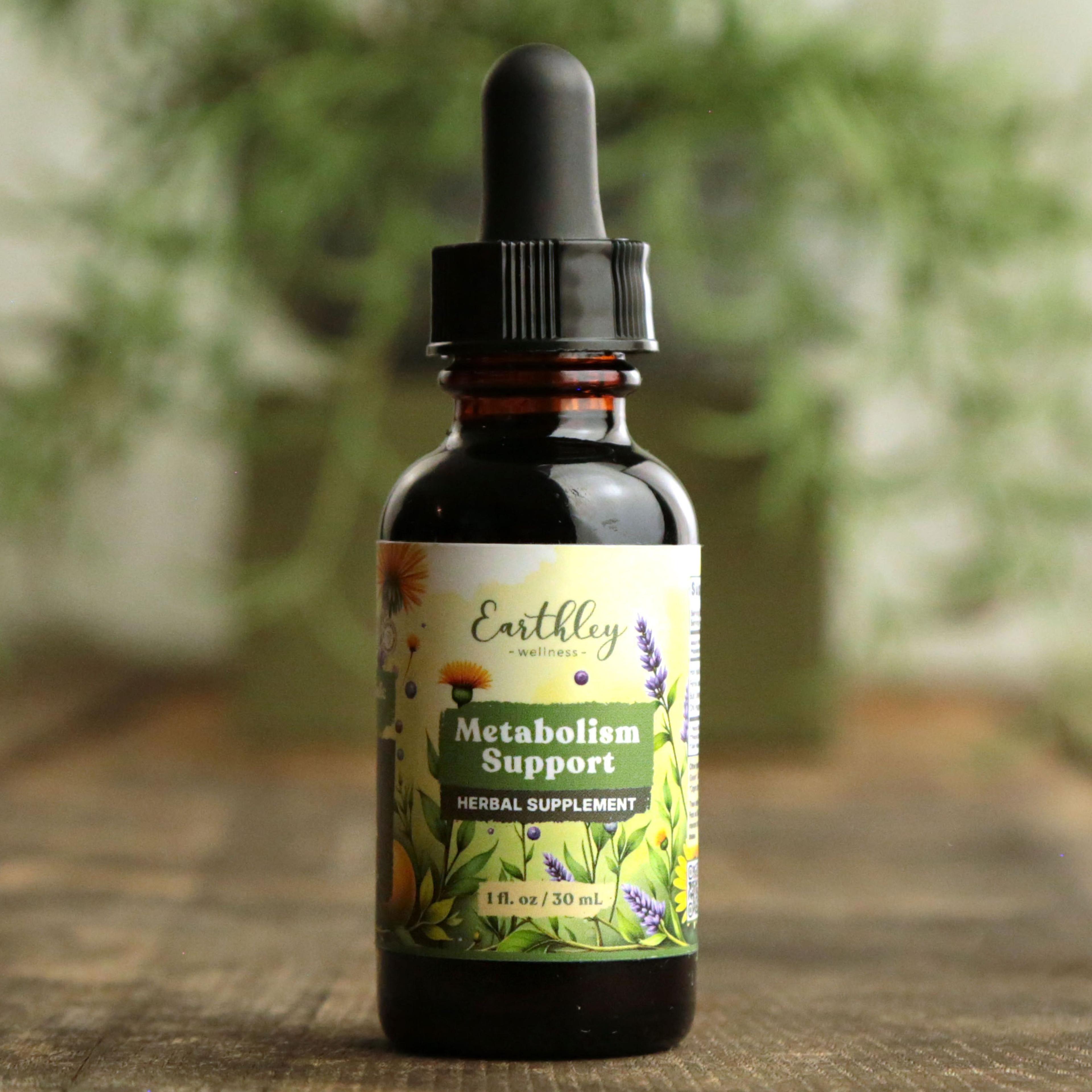
Natural metabolic support
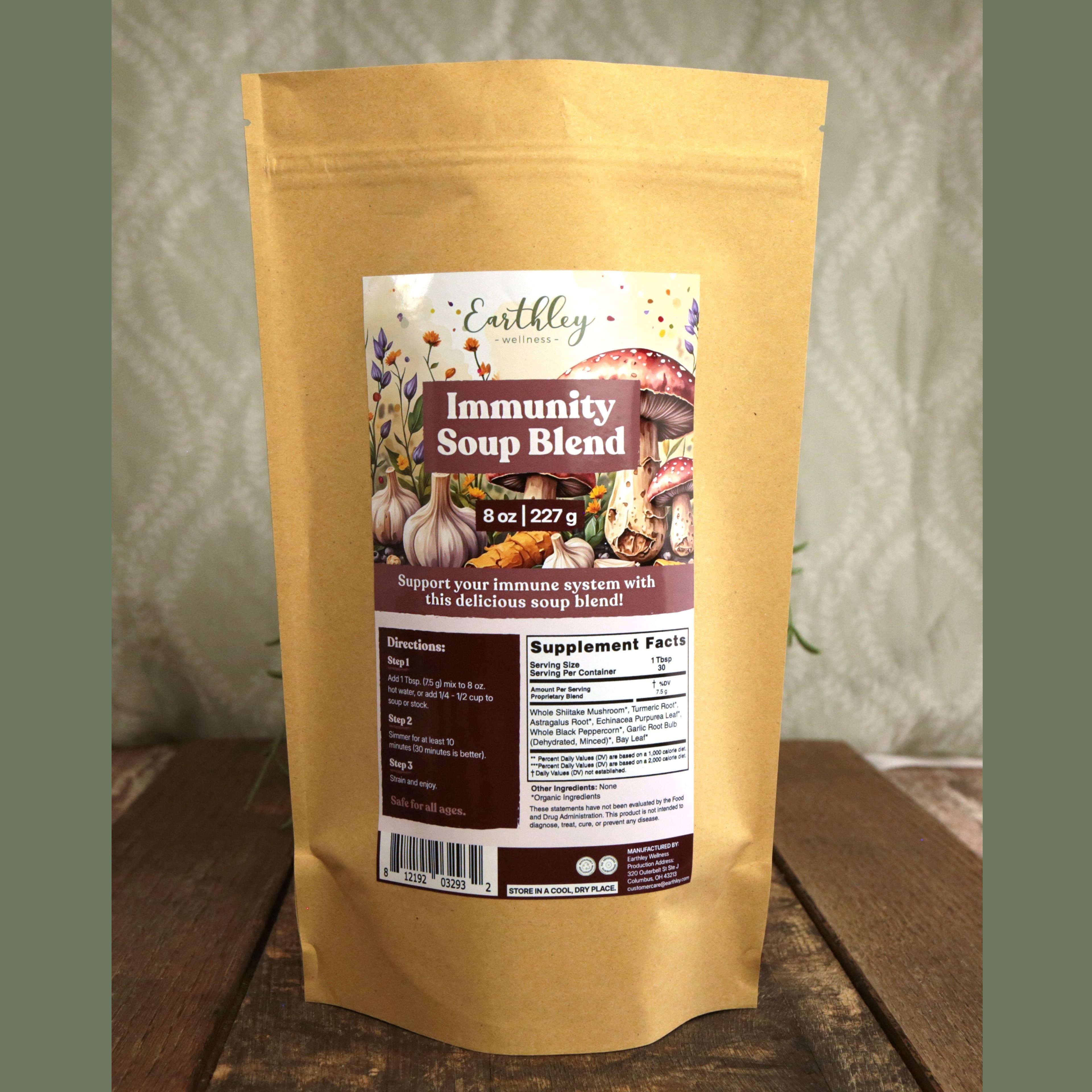
Support your immune system with this delicious soup blend
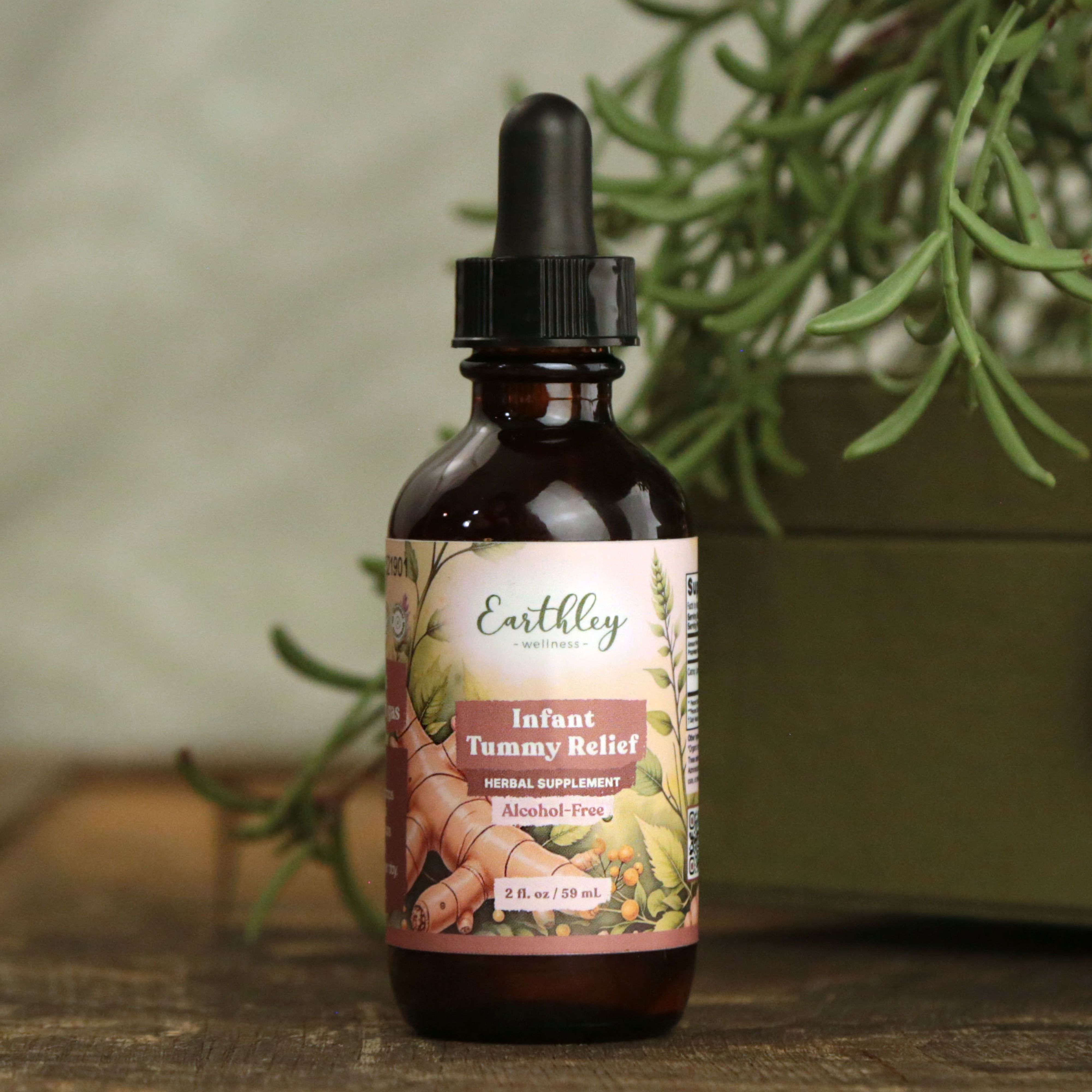
For upset tummies and gas for the whole family
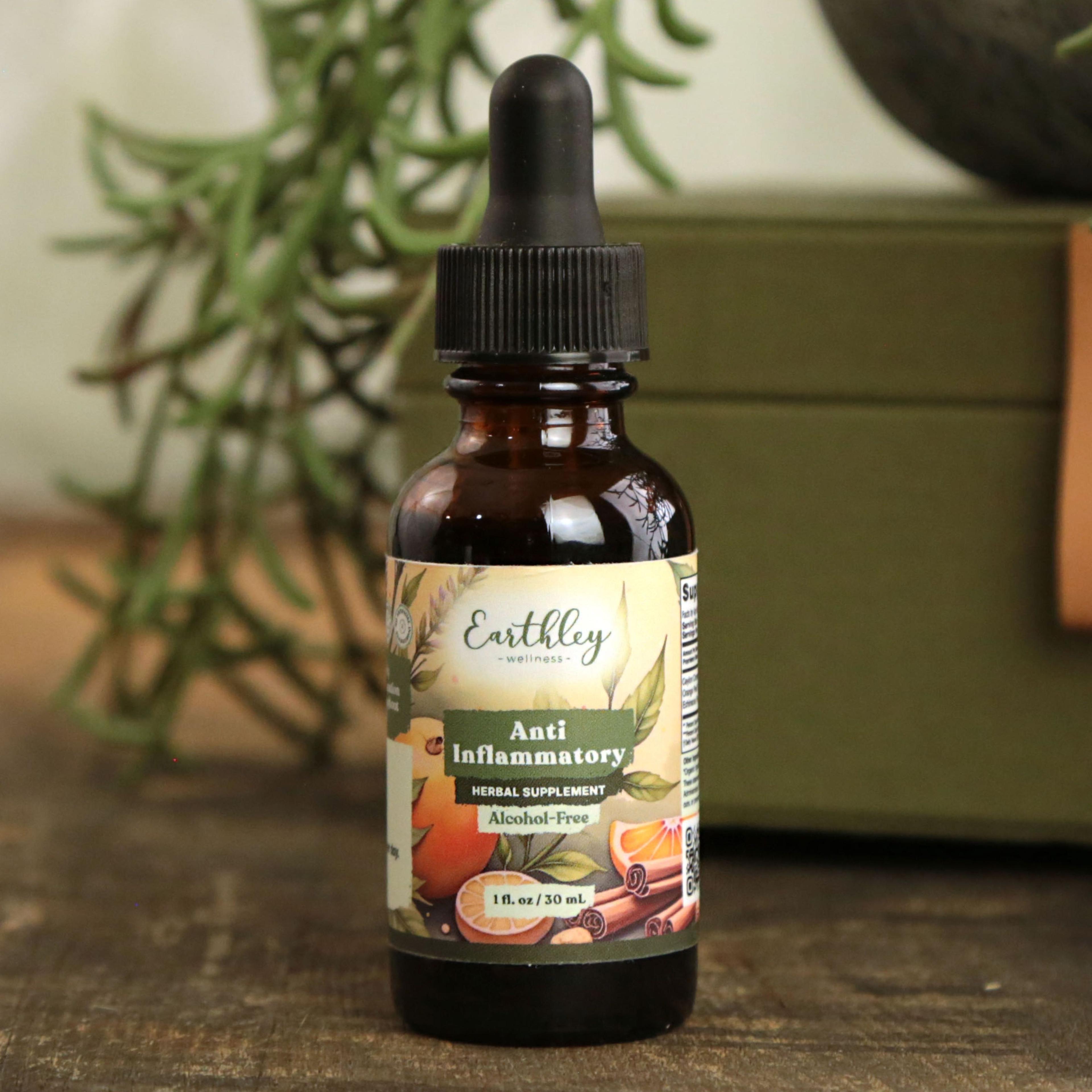
Herbal support for everyday comfort and inflammation
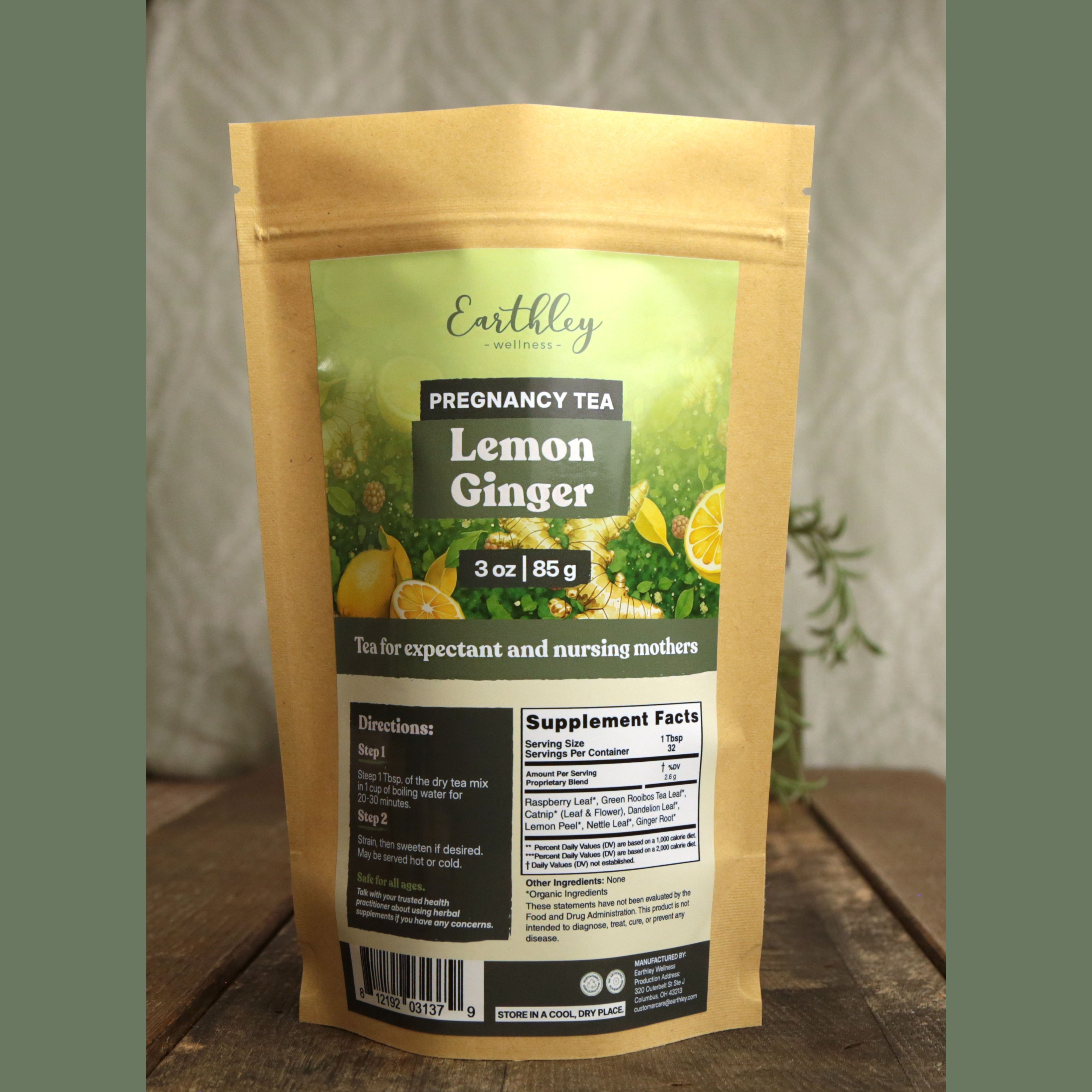
A Lemon and Ginger Tea - great for expectant and nursing mothers
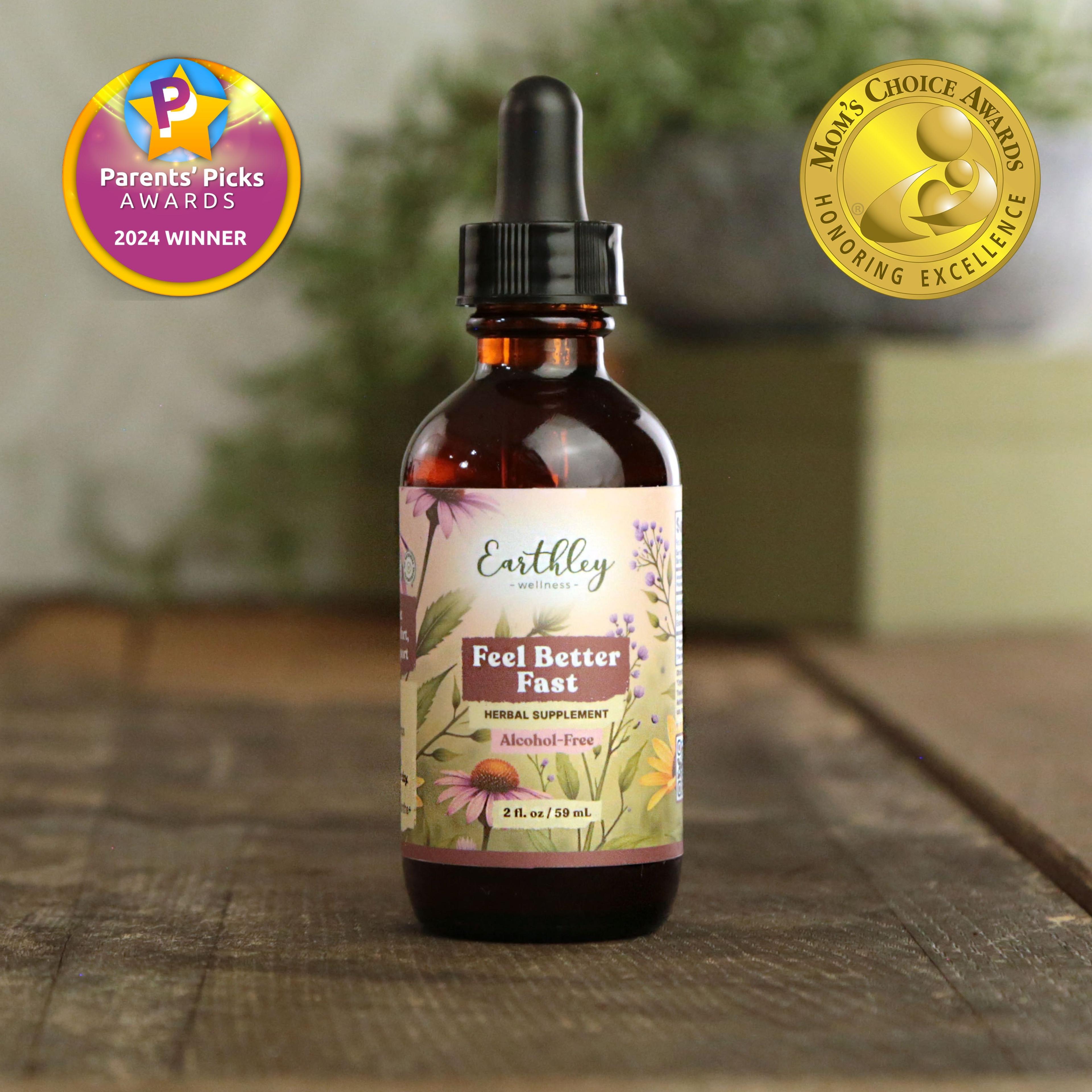
Gentle whole-family support for immunity, digestion, and everyday comfort
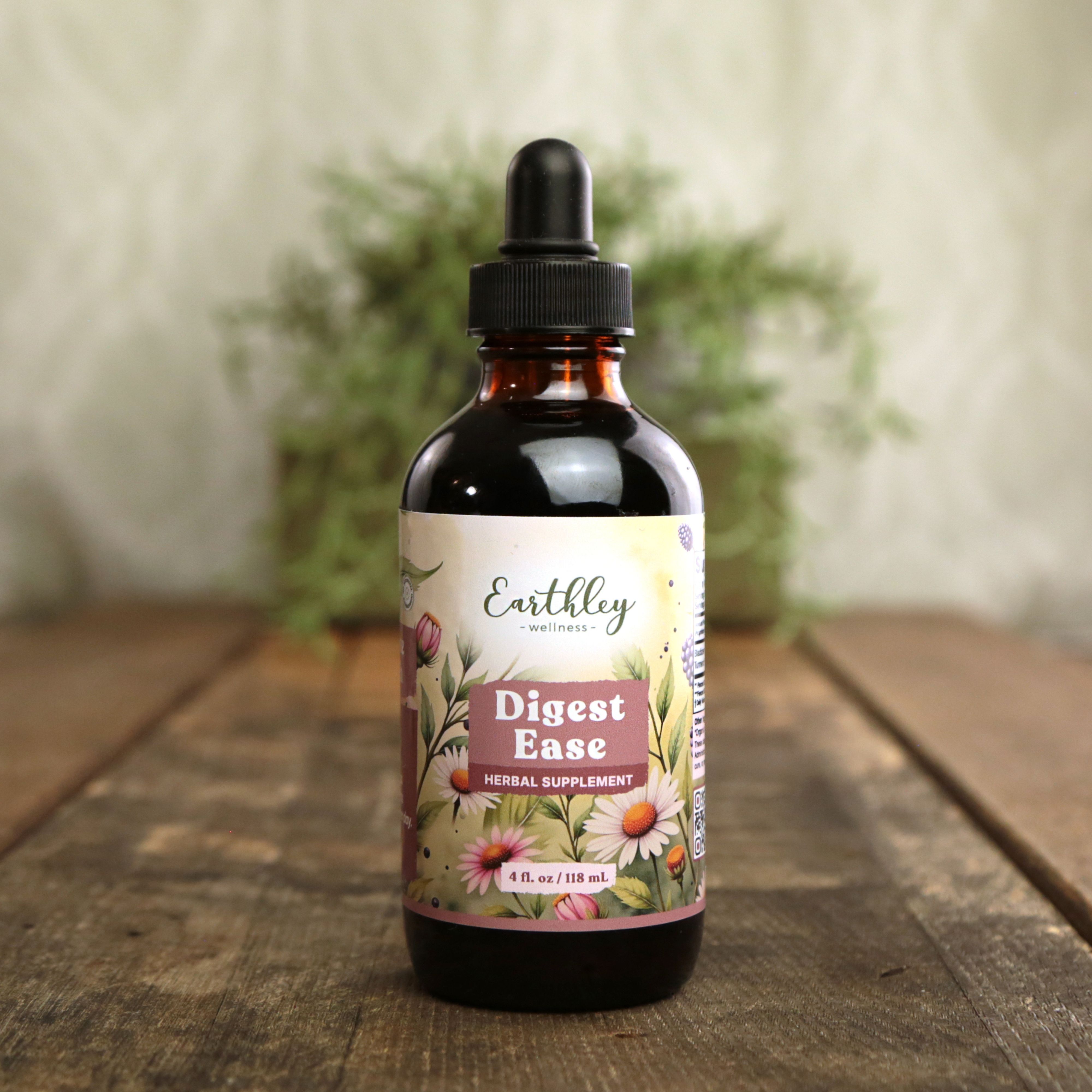
Bitters to promote healthy digestion
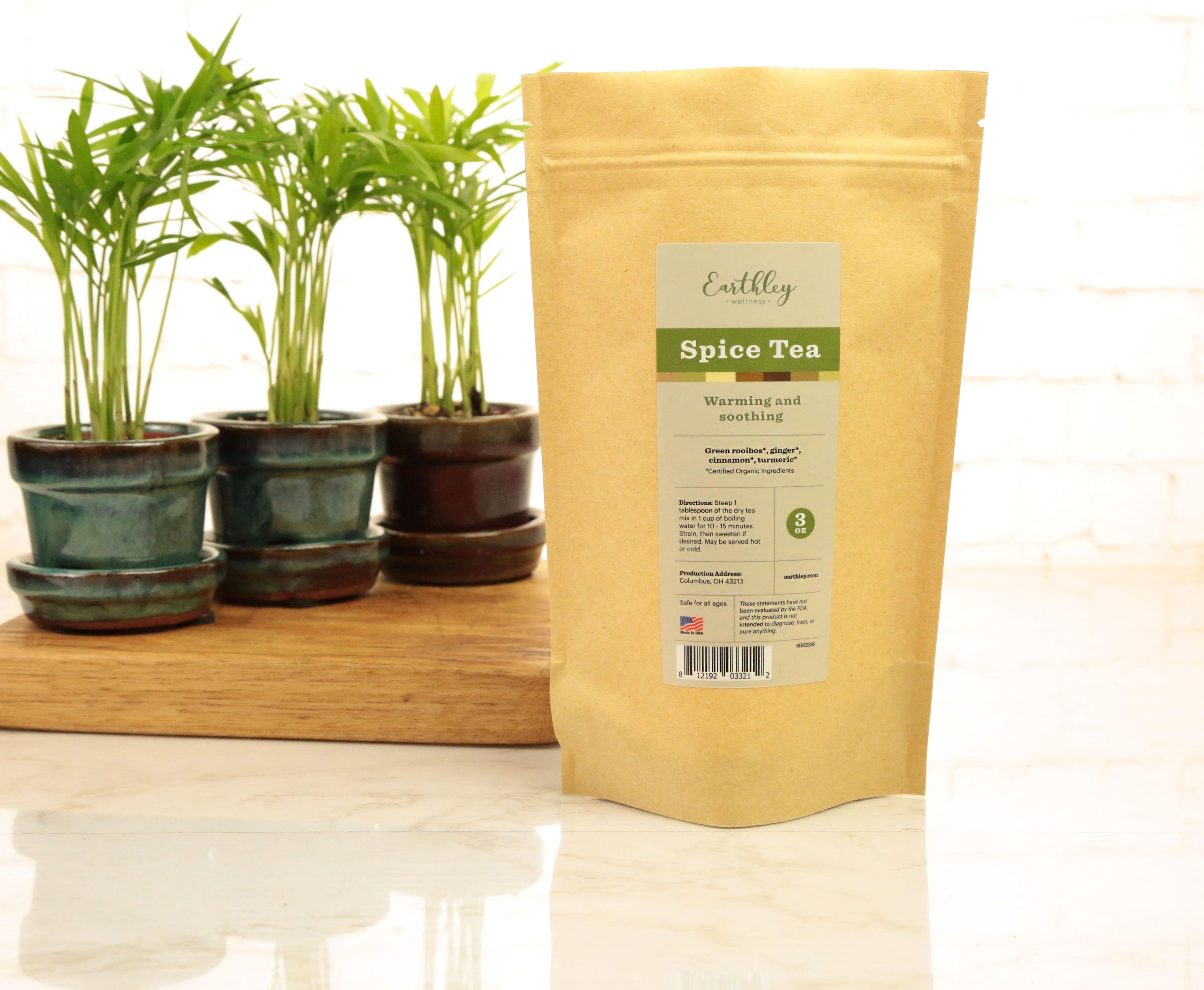
A warming, flavorful herbal tea that supports clear thinking, a healthy inflammatory response, and digestive ease.
Sources:
Oregano | Herbs | Herbal Reality https://www.herbalreality.com/herb/oregano/?cookie-consent-set=true
Basil | Herbs | Herbal Reality https://www.herbalreality.com/herb/basil/
Thyme | Herbs | Herbal Reality https://www.herbalreality.com/herb/thyme/
Stay Connected
Get updates and exclusive offers straight to your inbox.