Nutritional Myths Busted
Ever feel like you’ve finally figured out healthy eating only to hear that what you’ve been doing is “wrong”? Between school lunches, picky eaters, and trying to keep everyone happy, nutrition advice can feel like a maze. Let’s cut through the noise together. Here are some of the most common myths, and the real truths, so you can feel confident about what’s on your family’s plates.
Myth: Calories in, calories out is all that matters.
Truth: It’s not just about counting calories – what counts is the quality of the calories.
Sure, calories give us energy, but 200 calories of fresh fruit isn’t the same as 200 calories of chips. Whole foods keep us satisfied and energized, while processed snacks leave us tired and cranky. So instead of obsessing over numbers, focus on foods that actually nourish your family. It’s about feeling good. Not just counting calories.
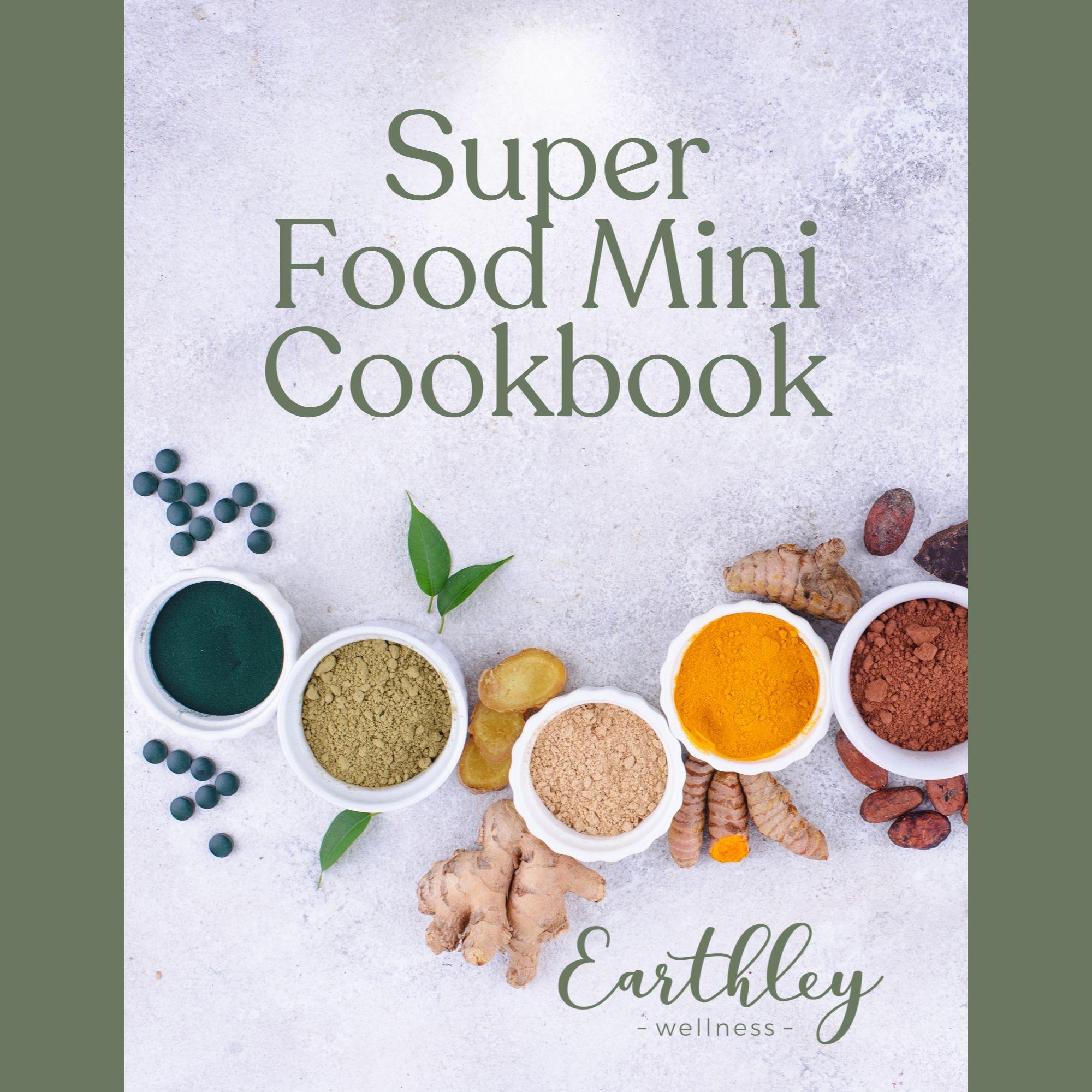
We know it’s hard to get all the nourishment we need when we’re juggling so much, which is why we’ve created nutritious blends like our Immunity Soup and Super Foods Powder to help us get the support we need even when we’re on the go. And for those glorious days when we do have the time, we’ve compiled some good-calorie-rich recipes in our free digital Super Food Mini Cookbook and our Wholesome Real Food Favorites Cookbook.
Myth: Eggs have “bad” cholesterol that leads to heart disease.
Truth: Eggs are tiny nutrition powerhouses.
Contrary to what we’ve been told, our bodies manage cholesterol naturally, and eggs mostly raise HDL, a.k.a. the “good” cholesterol, that helps clear our arteries. Plus, they’re packed with vitamins and antioxidants. Processed sugary, oily snacks are the real heart-harming culprits. (3) A quick scramble with veggies? The whole family wins: fast, healthy, and kid-approved.
Myth: Carbs are bad for you.
Truth: Carbs aren’t the enemy—processed carbs are.
Whole-food carbs like fruits, beans, and whole grains are full of vitamins and minerals, and give us energy and fiber. (1) (2) The real troublemakers? White bread, sugary snacks, and soda. You don’t have to ban treats, just aim for balance. Swap sugar for maple syrup, or white rice for brown. Small changes add up.
Go easy on yourself and do your best to choose wholesome options as often as you can. Keeping nutritious snacks in your bag (for you and the kids) is a great way to substitute something satisfying for the empty temptations that are sure to pop up throughout your day. Our Green Rooibos Energy Bites are a simple power-packed take-with-you snack to keep the whole family fueled.
Myth: Saturated fat makes you fat (and sick).
Truth: Healthy fats are your friend.
Natural saturated fats in butter, dairy, and coconut oil have been part of traditional diets for centuries. They help with brain development and deliver vitamins our bodies need. The real villains? Trans fats (aka partially hydrogenated oils) in processed foods. So skip the margarine and stick with real food fats. (4) (5) Not all saturated fats are created equal though. Organic, cold-pressed oils and grass-fed meats and dairy are the ones most helpful for good health.
Myth: Butter is bad for you.
Truth: Real butter, especially grass-fed, is full of healthy goodness.
Butter gives us essential fatty acids and vitamins A, D, E, and K2 that help keep our bodies running smoothly, and it can be supportive of good heart health. Grass-fed butter takes it up a notch with many more nutrients and healthy compounds than the conventional grain-fed variety. (6) Its bad reputation came from margarine marketing. Margarine is full of harmful trans fats, dyes and other weird ingredients. The key is choosing quality, grass-fed whenever possible, and pairing it with other nutrient-rich foods.
Myth: Vegetable oils are good for your heart.
Truth: Most processed oils aren’t doing us any favors.
Many seed oils are made with high heat and chemicals, which makes them unstable and inflammatory. But don’t clear out the cupboard yet! Cold-pressed oils like avocado for cooking, or extra virgin olive oil for flavorful finishes and dressings, are heart-healthy choices. Even some seed oils like sunflower can be beneficial when they’re cold-pressed. (7)
We can’t expect ourselves to avoid highly processed oils entirely, unless we never leave the house or eat anything we didn’t make ourselves. Let's do our best to keep our healthiest oil options in our pantries, make our best possible choices when we’re out, stash wholesome snacks in our bags, and trust that we’ll be okay if we occasionally eat less-than-ideal alternatives.
Myth: Red meat is bad for you.
Truth: Red meat is packed with nutrients our bodies need.
Red meat is a complete protein. It is rich in iron and B12 which is super important for energy and focus. Studies have shown that the overall healthiest cultures on earth regularly eat unprocessed meat, usually in combination with a variety of wild and organic vegetables. (12) Grass-fed, humanely raised, and organic meats come from animals that are free to roam and feed on wild grasses and plants. This is not only better for them, but better for us, too. When animals eat nutrient-rich plants, all that goodness gets passed on to us through their meat in a form our bodies can easily absorb.
If you like to DIY, our Beef Bone Broth recipe is a deeply nourishing way to bring the goodness of red meat to your table.
Myth: Dairy is bad for you.
Truth: Dairy is a nutrient powerhouse for the whole family.
It gives us high-quality protein, healthy fats, and important vitamins and minerals like calcium and B vitamins that help keep bones strong and energy steady. Options like yogurt, kefir, or raw milk can make it easier to digest. The real trouble usually comes from ultra-pasteurized, highly processed products that lose natural enzymes and nutrients. Choosing grass-fed or minimally processed dairy means we’re giving our families the best possible nutrition without the unnecessary additives. (13)
Our Bone Broth Hot Chocolate is just one of the ways our free Super Food Mini Cookbook shows how to incorporate milk into family-friendly recipes. A scoop of kefir can easily blend into a smoothie. If you’re a DIY person, making your own yogurt is a great budget-friendly way to give you and your family the good stuff.
Myth: Salt causes high blood pressure.
Truth: Your body needs salt. Just the right kind.
High blood pressure is usually more about stress, lack of movement, and processed food overload. Not the pinch of salt you add to your family’s dinner. Salt helps our bodies stay hydrated and keeps your muscles working properly. The issue isn’t salt itself. It’s processed foods loaded with refined salt. Natural salts like sea salt or Himalayan salt provide trace minerals we need. Redmond Real Salt is an option we love. Miso soup made with high quality salt is an easy, comforting, and nourishing addition to lunch or dinner that can even travel with you or the kids in a thermos.
Myth: Organic = Healthy
Truth: Organic doesn’t automatically mean nutritious.
Organic cookies are still cookies, and organic fruit snacks can still be loaded with sweeteners. The real goal? Choosing foods that are as close to their natural state as possible—fresh fruits and veggies, whole grains, and minimally processed options. Organic can be a great choice when it fits your budget, but don’t stress if you can’t always swing it. If you can only buy some organic produce, prioritize avoiding the ones most likely to have pesticide residue (like berries and leafy greens).
Farmers’ markets often have fresh, minimally treated produce that’s often better quality and cheaper than what you can find at the store. Small farms usually mean more nutrients in the soil, which transfers to you and your family. And growing your own is the best (and most affordable) of all!
Myth: More fiber = A healthier gut
Truth: Fiber isn’t one-size-fits-all. Sometimes more can make things worse.
Too much fiber can cause bloating if your gut is sensitive. Start slow, mix soluble (oats, beans) and insoluble (whole grains, veggie skins), and drink plenty of water. The key is listening to your body and choosing fiber from whole foods like fruits, veggies, and beans in amounts that feel good for you. Balance matters more than blindly loading up on fiber supplements or “high fiber” processed snacks. (14) If you could use some inspiration, our Wholesome Real Food Favorites cookbook has some healthy fiber, real food recipes that are easy, delicious, and family-friendly.
Myth: Raw food is always best.
Truth: Cooking and fermenting can make some foods healthier and easier to digest.
Light steaming helps your body absorb minerals better, and fermenting (like sourdough or kefir) adds gut-friendly benefits. A mix of raw, cooked, and fermented foods gives your family the best of all worlds.
Conclusion
When we shift the focus from fear and restriction to nourishment and balance, we create a positive relationship with food—for ourselves and for our families. That’s what really matters. To take some of the stress out of food choices for our kids, we created this Real Nutrition, Real Food curriculum – a powerhouse resource for teaching them the importance of eating real foods.
The bottom line is: there’s no perfect diet. Every body is different, and life is busy. Focus on progress, not perfection. Choose real, simple foods most of the time, listen to your body, and give yourself grace. And remember, food is just one piece of the puzzle—healthy lifestyle choices like regular movement, good sleep, and stress management matter just as much. Health is a journey—and every small step counts.
Disclaimer - This blog post is provided for educational and informational purposes only and does not constitute providing medical advice or professional services and its statements have not been evaluated by the FDA. The information provided should not be used for diagnosing or treating a health problem or disease. Always seek the advice of a qualified health care provider regarding a specific medical condition.
Check out these products!
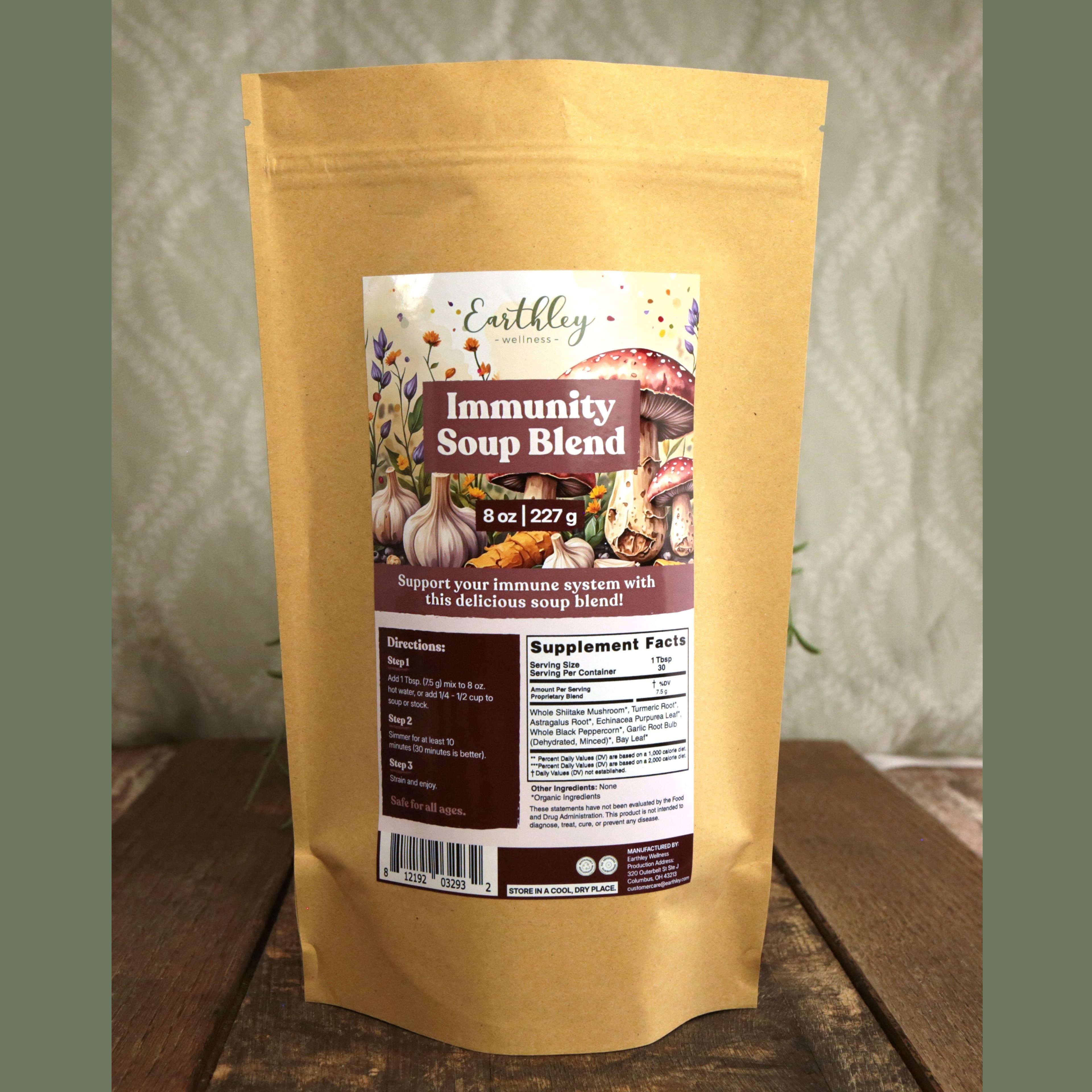
Support your immune system with this delicious soup blend
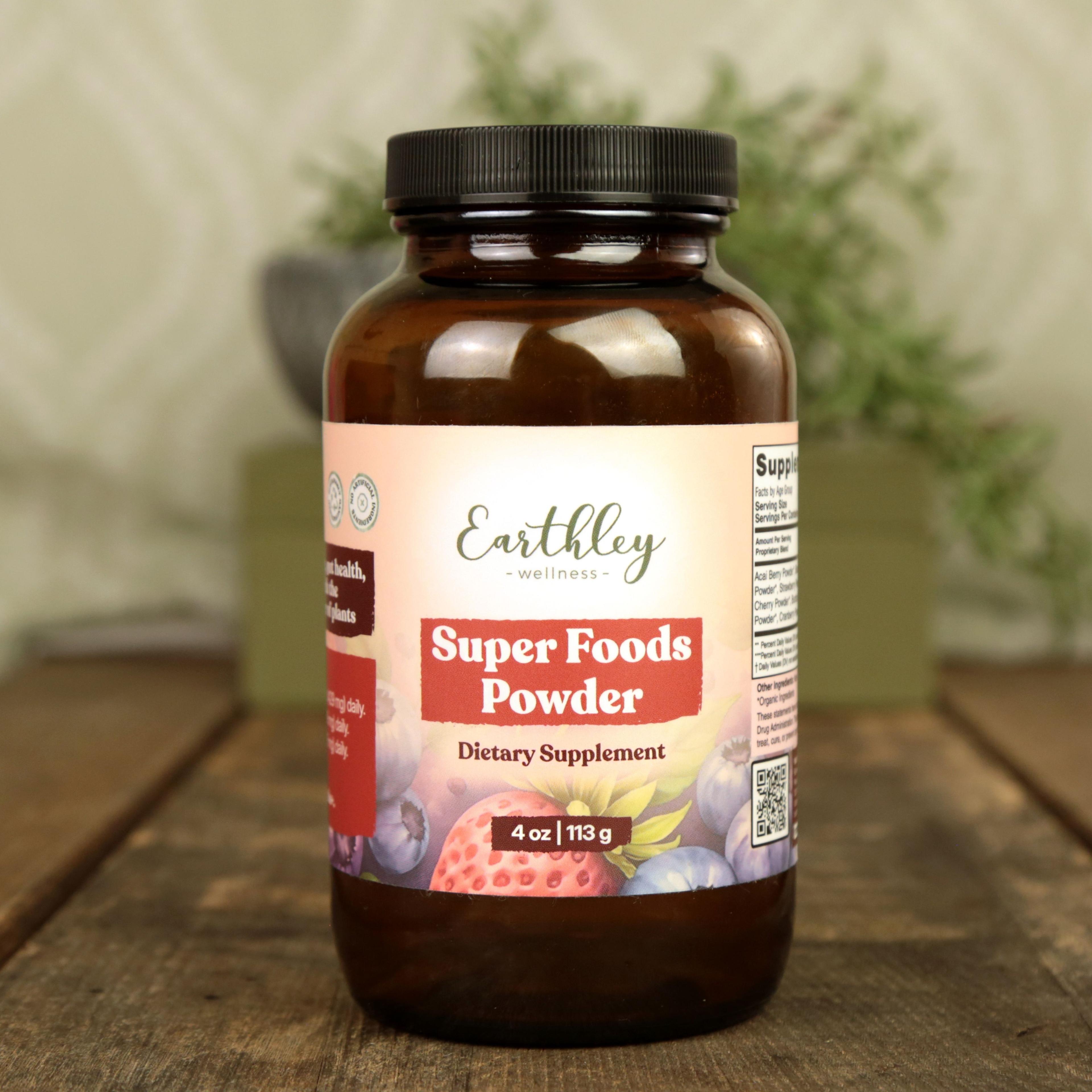
Promotes energy, gut health, and immunity with the nourishing power of plants
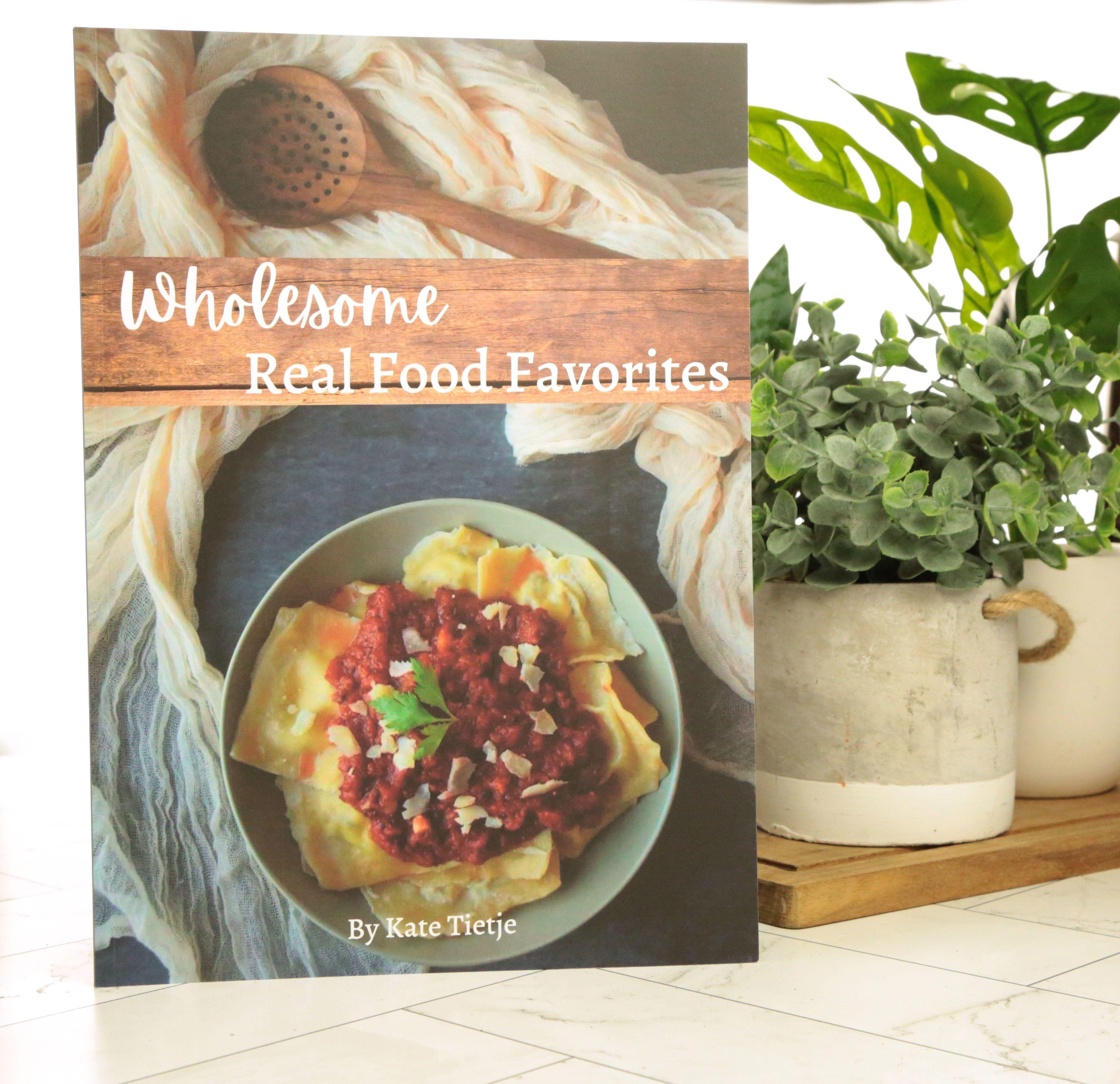
Healthy from-scratch recipes and kitchen basics
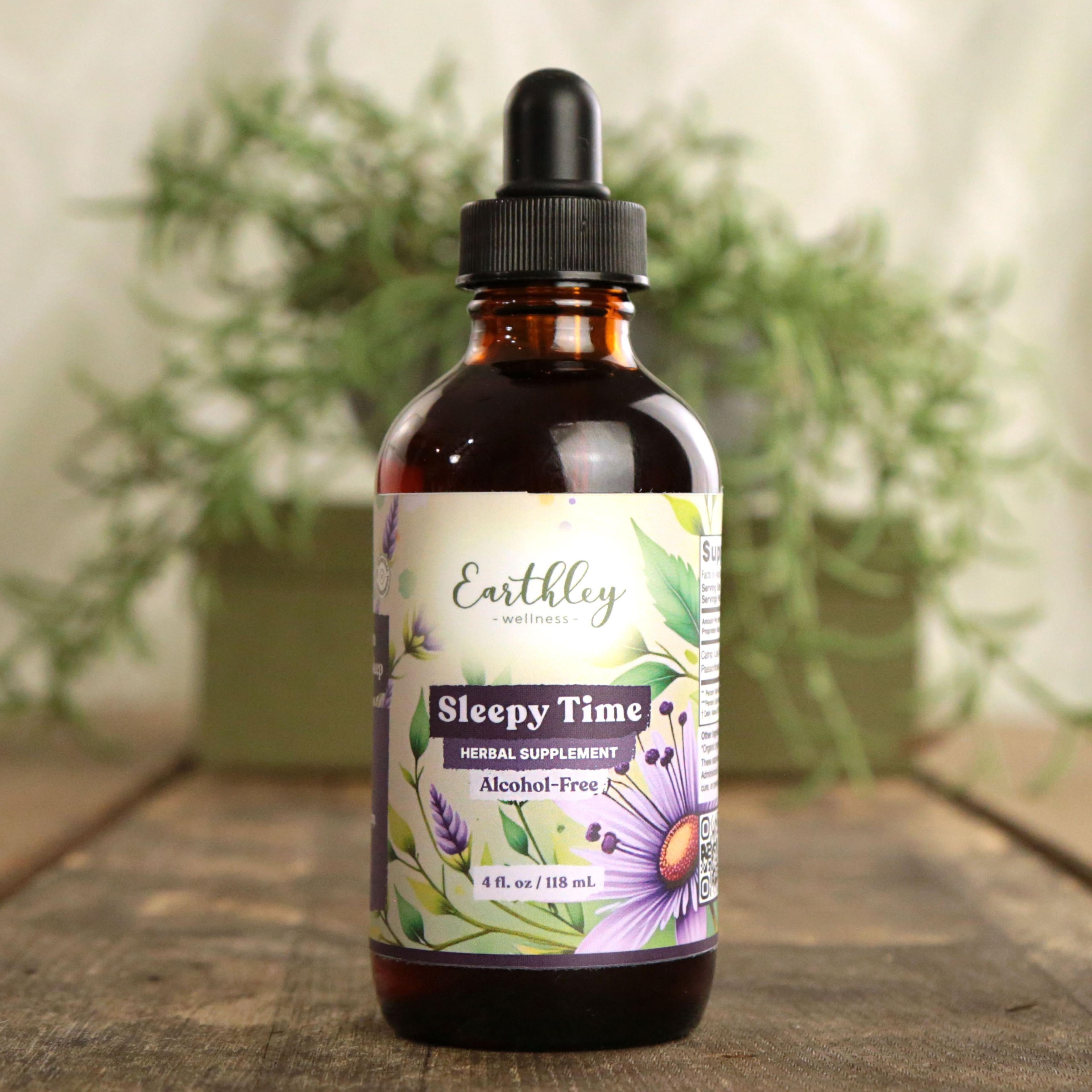
To promote restful sleep
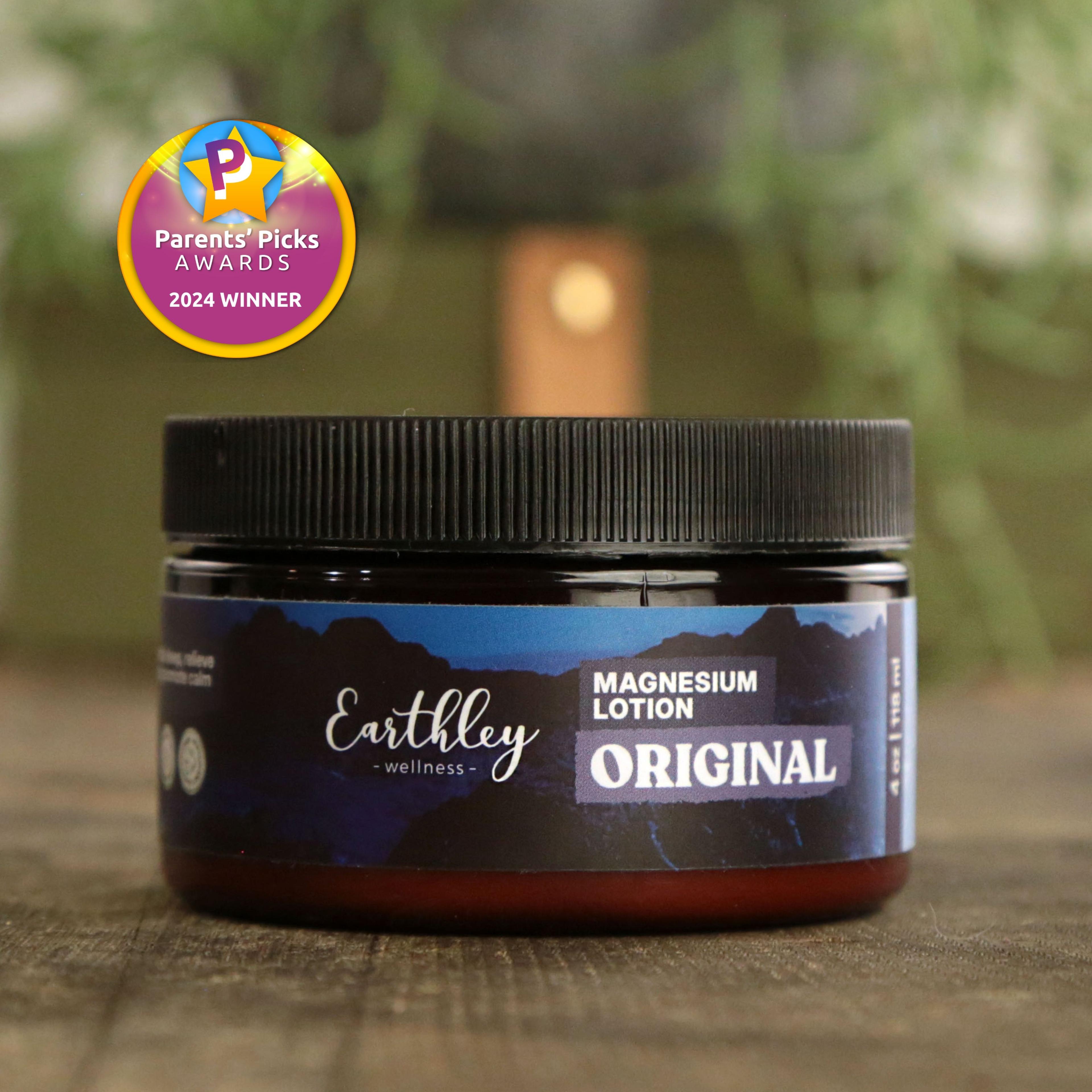
For healthy sleep, muscle soreness, and gut health
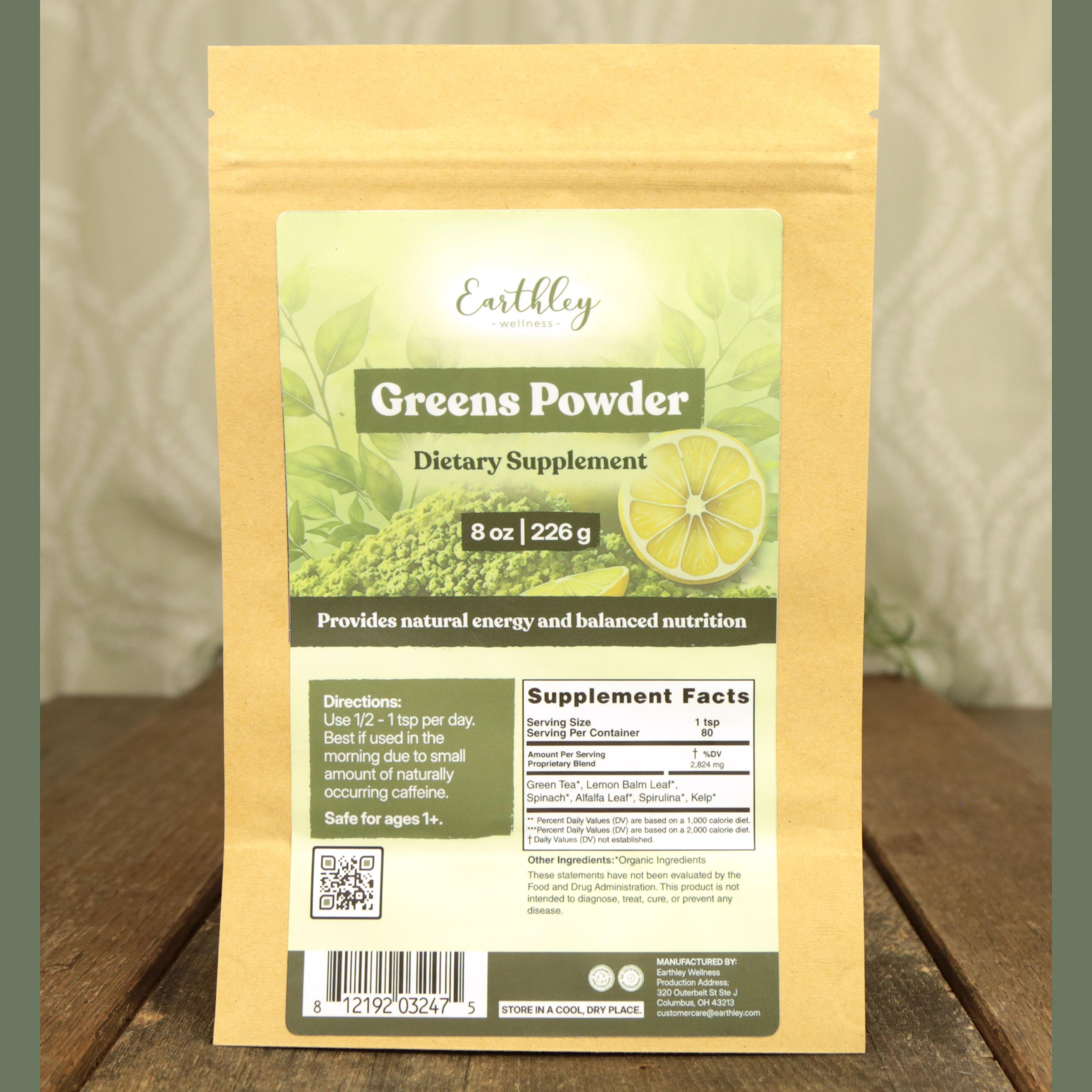
Provides natural energy and balanced nutrition
Sources:
- https://pmc.ncbi.nlm.nih.gov/articles/PMC9505863/
- https://www.heart.org/en/healthy-living/healthy-eating/eat-smart/nutrition-basics/carbohydrates
- Https://pmc.ncbi.nlm.nih.gov/articles/PMC11161868/
- https://www.heart.org/en/health-topics/cholesterol/prevention-and-treatment-of-high-cholesterol-hyperlipidemia/the-skinny-on-fats
- https://pmc.ncbi.nlm.nih.gov/articles/PMC2974200/
- https://www.healthline.com/nutrition/foods/butter#grass-fed-vs-grain-fed
- https://www.healthline.com/nutrition/9-avocado-oil-benefits#takeaway
- https://pubmed.ncbi.nlm.nih.gov/29141571/
- https://www.npr.org/2025/07/07/nx-s1-5453769/nutrition-canola-rfk-seed-oils-soybean
- https://www.healthline.com/nutrition/is-red-meat-bad-for-you-or-good#nutrition
- https://www.sciencedirect.com/science/article/pii/S175173112400034X#s0115
- https://www.westonaprice.org/health-topics/abcs-of-nutrition/characteristics-of-traditional-diets/#gsc.tab=0
- https://nutritionandmetabolism.biomedcentral.com/articles/10.1186/s12986-020-00527-y#Sec26
- https://pmc.ncbi.nlm.nih.gov/articles/PMC7589116/#sec6-nutrients-12-03209
Stay Connected
Get updates and exclusive offers straight to your inbox.