What's the Difference Between Herbal Teas and Tinctures
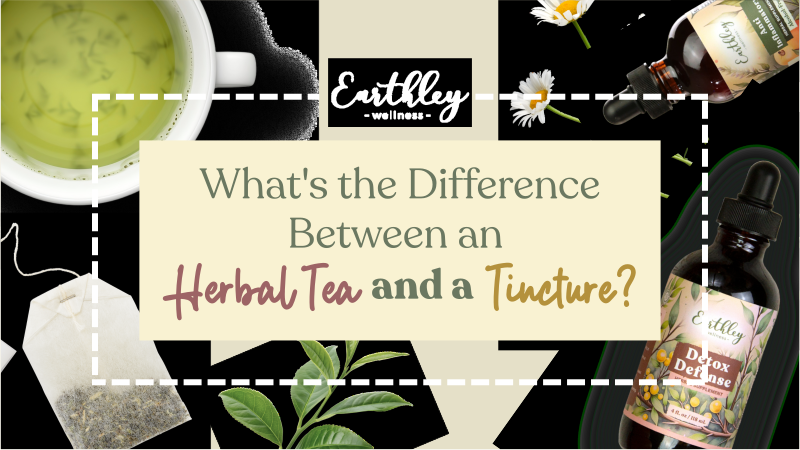
When we first learn (or are reminded) that nature is medicine, most of us feel relieved and uplifted, empowered to step away from the overwhelming world of pills, powders, and prescriptions that can sometimes do more harm than good. And then – the overwhelm arrives. Roots, flowers, leaves, teas, tinctures, extracts, oils! We know that there is so much support available to us from the natural world, but where do we even begin?
In this article, we'll get into a good place to start: the difference between herbal teas and tinctures. And if you want to go a little deeper, The Science Behind Herbal Infusions will take you there!
Herbal teas
Most of us have probably been drinking nature’s medicine without even knowing it (or maybe vaguely made aware by healing benefit buzzwords). Maybe our grandmothers, knowingly or unknowingly, passed down folk herbalism knowledge through home remedies like chamomile tea to relax, or mint tea for a tummy ache. Maybe you’ve already been exploring herbal medicine through boxed teas from the grocery store – a great place to begin. In any case, wherever you are on your herbalism journey, herbal teas are a time-honored, simple, everyday way to tap into the goodness of plants.
Herbal teas offer a gentle way to make a daily ritual of caring for ourselves and our families. They slow us down and help us take time to connect with our senses. They provide endless health benefits in a comforting and often tasty way and are great for supporting our ongoing, overall well-being.
Hot or cold? Infusion or Decoction?
Hot or cold water can unlock the medicinal elements from water-soluble plants by penetrating their cell walls to release their healing components. Heat speeds up the process of infusion, as well as extracting certain elements that cold water can’t. But although most of us are used to hot tea, cold infusions can be a great option in the summer and are sometimes preferred to preserve certain heat-sensitive constituents in plants.
Steeping time and methods vary depending on specific herbs and how strong you’d like your infusion to be. Give your tea a little extra time, and it’ll reward you with even more benefits. Using loose leaf herbs is a lovely way to connect with your medicine through touch, sight, and smell. An easy way to steep them that also allows you to enjoy their beauty as they infuse, and drink your tea throughout the day, is in a mason jar or glass French press.
There are also many options for steeping single cups of loose-leaf tea, like mesh strainer balls and unbleached paper or washable, reusable muslin tea bags. Our tea strainer is great for filtering the plant matter out of loose-steeped tea. There are endless teapots, cups, mugs, and thermoses out there, and it can be fun to find a vessel or two that bring you joy and enhance your ritual of tea drinking.
A general rule of thumb for infusions is 1 Tbsp dried or 2 Tbsp fresh herbs to 8 oz water.
Hot infusions draw out vitamins, enzymes, minerals, proteins, and many other beneficial components from flowers, leaves, and some roots – generally, these include softer herbs and herb parts. (2) Nettle leaf, holy basil, ginger root, and peppermint leaf are a few examples, and there are so many more. Dried herbs are preferable to fresh when infusing in hot water. We have combined some of our favorites into blends like our Spice Tea (think warming chai vibes with digestive benefits and inflammation support), Relax & Unwind Tea, and Mood Support Tea. This is a great method for supporting daily health with nutritious herbs in a comforting cuppa.
To make a hot water infusion:
- Scoop herbs into cup, teabag, steeper, or jar
- Heat water until just boiling
- Pour water over herbs until submerged. Cover to keep volatile oils from escaping.
- Steep for 15 minutes to 1 hour or more
- Strain and enjoy
Hot infusions will generally last about 8-10 hours at room temperature and can be refrigerated for 48 hours. Certain herbs are exceptions, though, like nettle, which will only last 36 hours refrigerated without spoiling, because of its high protein content.
Cold infusions help keep the delicate flavors and benefits of herbs like lemon balm, mint, rose, and St. John’s wort intact. They’re also great for roots like marshmallow because they hold on to that soothing, slippery texture (mucilage). Since no heat is involved, this process takes longer to extract the medicine from herbs. Also, due to the absence of boiling, be sure to use sanitized tools for this process, and keep infusions refrigerated. They generally last about a week but dispose of them if you notice funky smells or appearance sooner. (2)
To make a cold water infusion:
- Place herbs in mason jar or French press
- Herbs can be loose, or moistened (to help them submerge) and contained in muslin tea bag
- Fill with cold water
- Cap jar and infuse overnight
- Strain herbs with cheesecloth or mesh strainer, or remove muslin bag
- Refrigerate infusion
Decoction is another method of hot water extraction. This is a process of simmering harder herbs and herb parts, such as roots, stems, bark, and berries to extract their medicinal properties. Some examples are ashwaganda, cinnamon, echinacea root, and reishi mushroom. (3) Decoctions generally taste stronger and are more concentrated than infusions.
The ratio of herbs to water in a decoction varies depending on the herb and desired strength. A general rule of thumb is 1 tsp dried or 3 tsp fresh herbs to 8 oz water (1), but we recommend researching the specific herbs you are working with.
To make a decoction:
- Measure herbs
- Grind or crush herbs for best potency
- Add herbs and cold water to a pot and bring to a boil
- Cover the pot and simmer for 20 minutes
- Cool, strain, and enjoy
- Refrigerate and drink within a week
To make a tea that contains both woody and floral herbs, follow the decoction instructions for hard herbs, and then after removing from the heat, place soft herbs in the water and allow to infuse for at least 15 minutes before straining.
Tinctures
Tinctures are extractions of fresh and dried herbs into alcohol, glycerin, or a combination of both. This method takes much longer to infuse than tea but also lasts much longer on the shelf – often several years, compared to the one week maximum of teas. Alcohol is probably the most effective solvent for herbs, as it extracts both water- and fat-soluble components (whereas teas only extract those that are water-soluble). Glycerin extracts water-soluble compounds and is a sweet-tasting alternative often used for children and folks avoiding alcohol entirely, and sometimes in combination with alcohol to extract different elements.
Tinctures are a quick, easy, and potent way to deliver the healing properties of herbs to your body. Just a few drops can contain the equivalent of an entire cup (or more) of tea, and unlike tea, they absorb right into the bloodstream instead of having to make their way through the digestive system – making them a faster-acting option for acute situations like headaches or cramps. They’re a great option for kids or folks who don’t enjoy drinking tea (we’ve heard they exist), and easy to take with you in your purse or backpack. And, if you like to slow down and enjoy the ritual of taking herbs, you can drop them into a beverage and take your time.
There are various methods for making your own tinctures - most involving soaking herbs in alcohol, glycerin, or a combination – for up to 4-6 weeks. Our Making Herbal Extractions (With Any Herb) blog explains each process in detail, for those of you who want to make your own -- which can be a fun project with the kiddos. And we know not everyone has the time to make their own which is why we have formulated many options to support the whole family. We created our Guide to Earthley’s Tinctures to help educate and empower you to choose the right blends for you and your loved ones. A few community favorites are Feel Better Fast, Elderberry Elixir, and Cough B Gone.
As you explore the various forms of herbal medicine, you may find you like working with both tinctures and teas at different times, or even both at once. Maybe you have a nutritive herbal tea blend that you brew several times a week for ongoing wellbeing, and your tinctures are on hand for those times when you need targeted support for health issues that arise. Nothing says you can’t add Pain Potion to relieve a headache into your morning cup of Spice Tea when that’s what you need.
Whatever the form, we hope you feel a bit more empowered (and maybe even excited!) to explore the endless support available to us from the natural world. And if it still feels overwhelming, remember to take it slow. Start with a breath. And then maybe one of your favorite herbs brewed into a comforting cup of tea. Listening to yourself (and your herbs) is the perfect place to begin. And we’re here to support you every step of the way.
Disclaimer - This blog post is provided for educational and informational purposes only and does not constitute providing medical advice or professional services and its statements have not been evaluated by the FDA. The information provided should not be used for diagnosing or treating a health problem or disease. Always seek the advice of a qualified health care provider regarding a specific medical condition.
Check out these products!
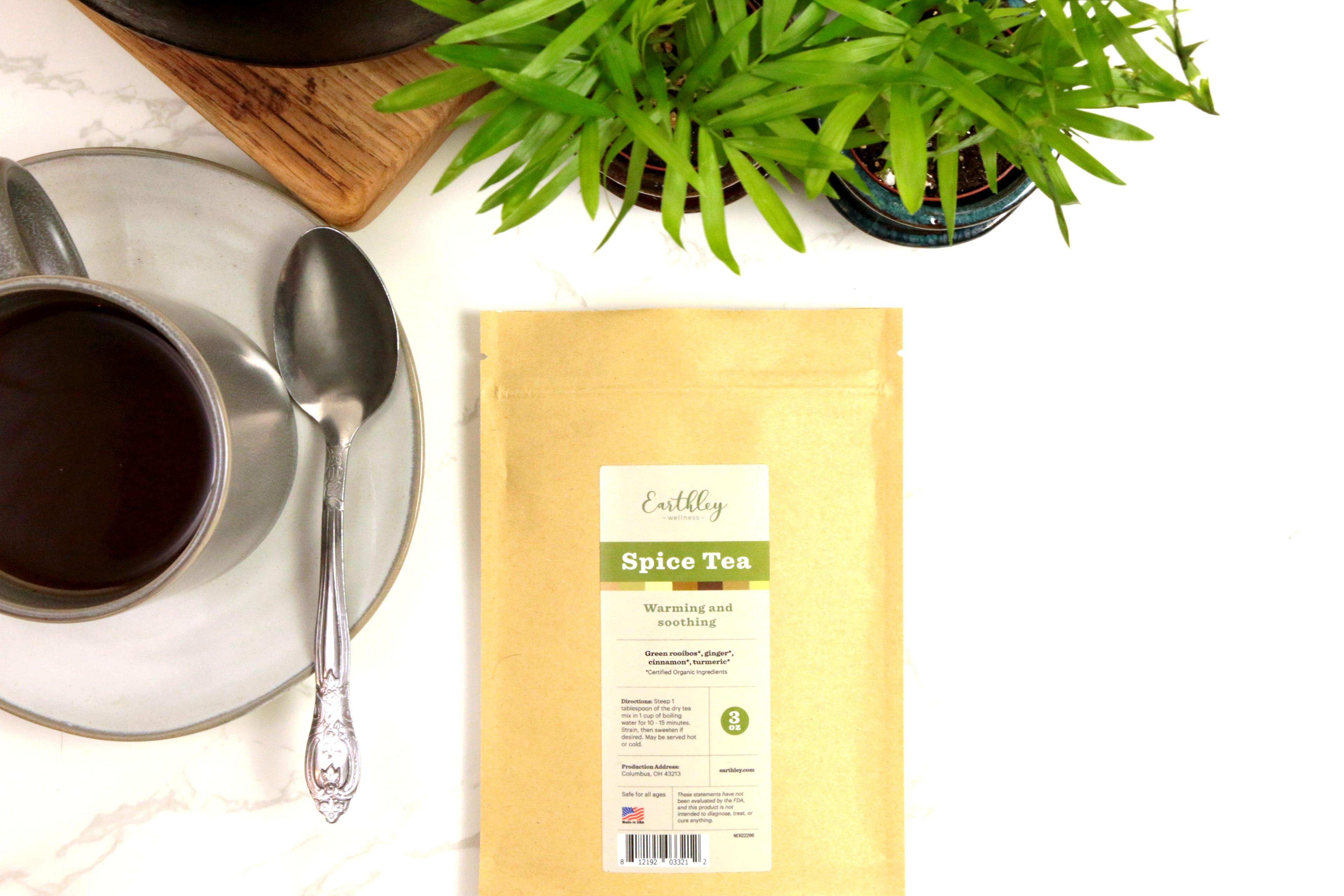
A warming, flavorful herbal tea that supports clear thinking, a healthy inflammatory response, and digestive ease.
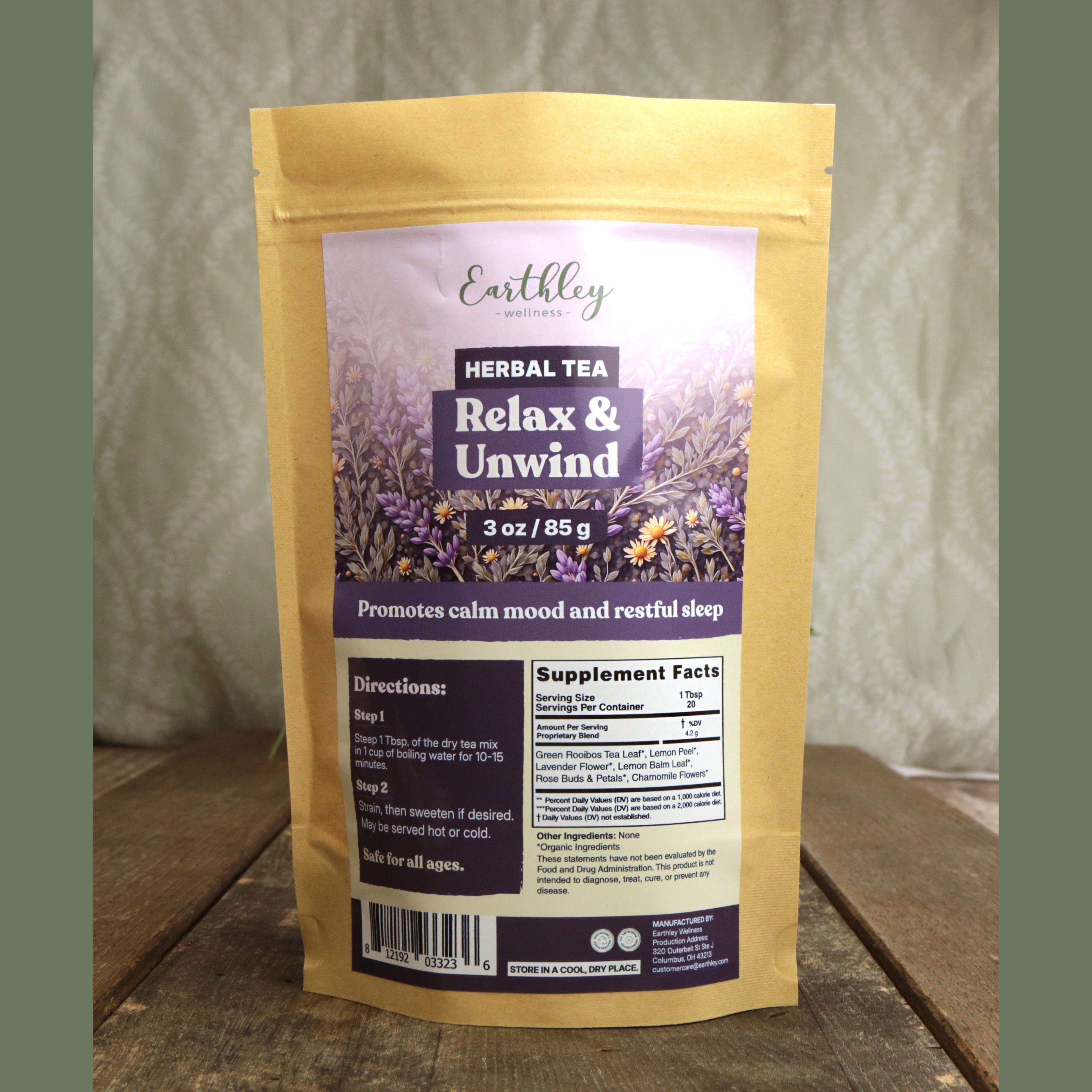
Promotes calm mood and restful sleep
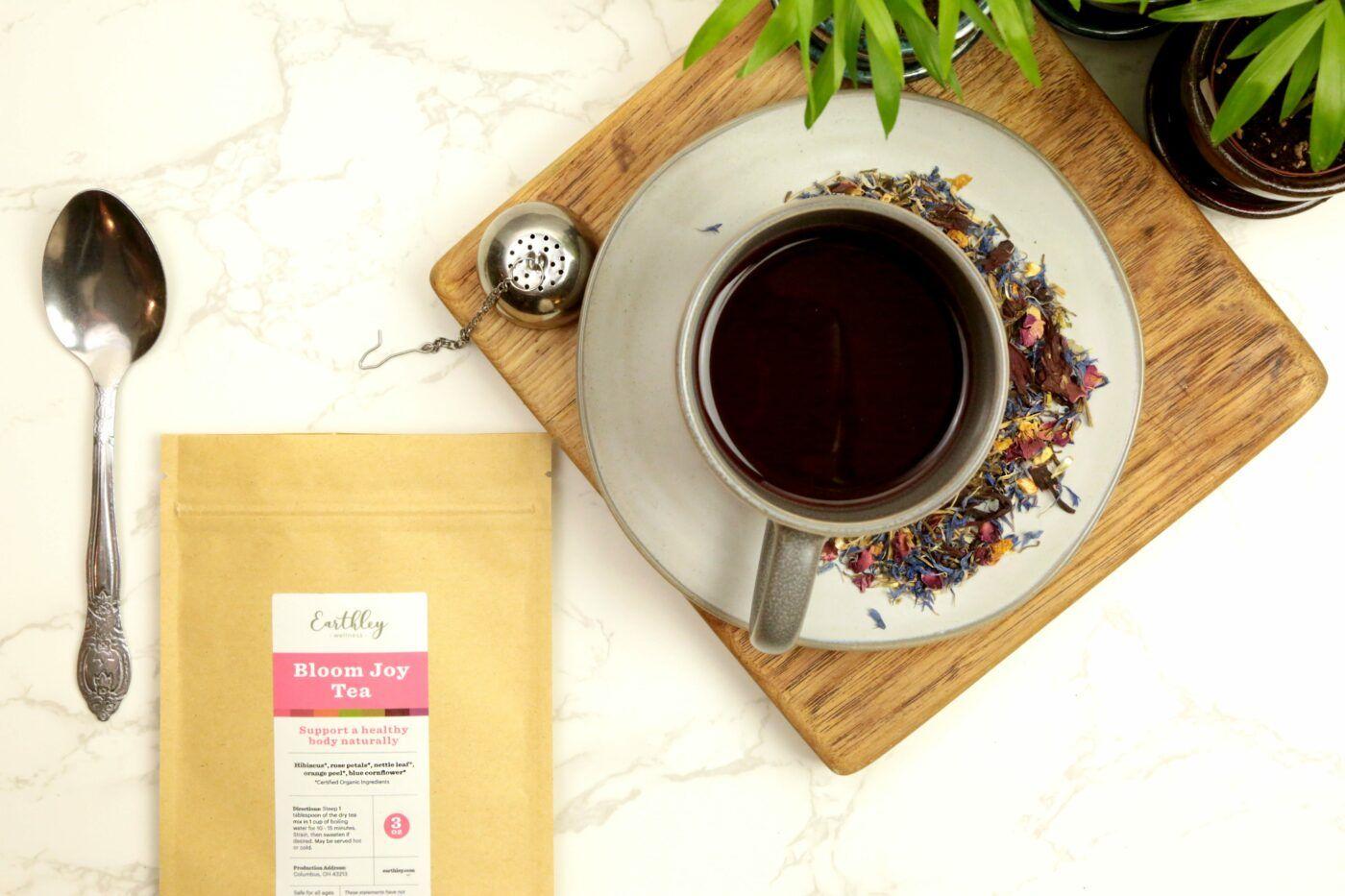
Support a healthy body naturally
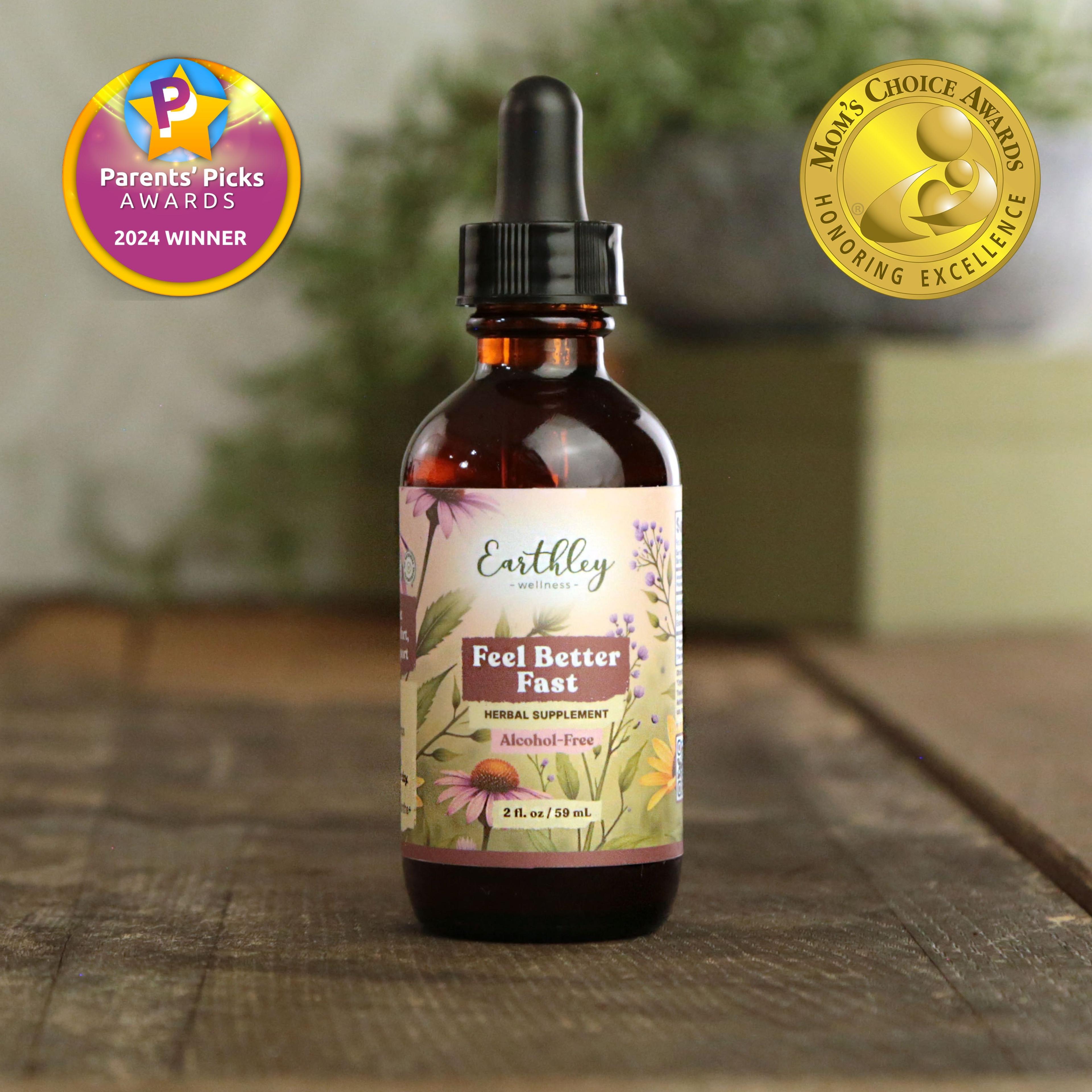
Gentle whole-family support for immunity, digestion, and everyday comfort
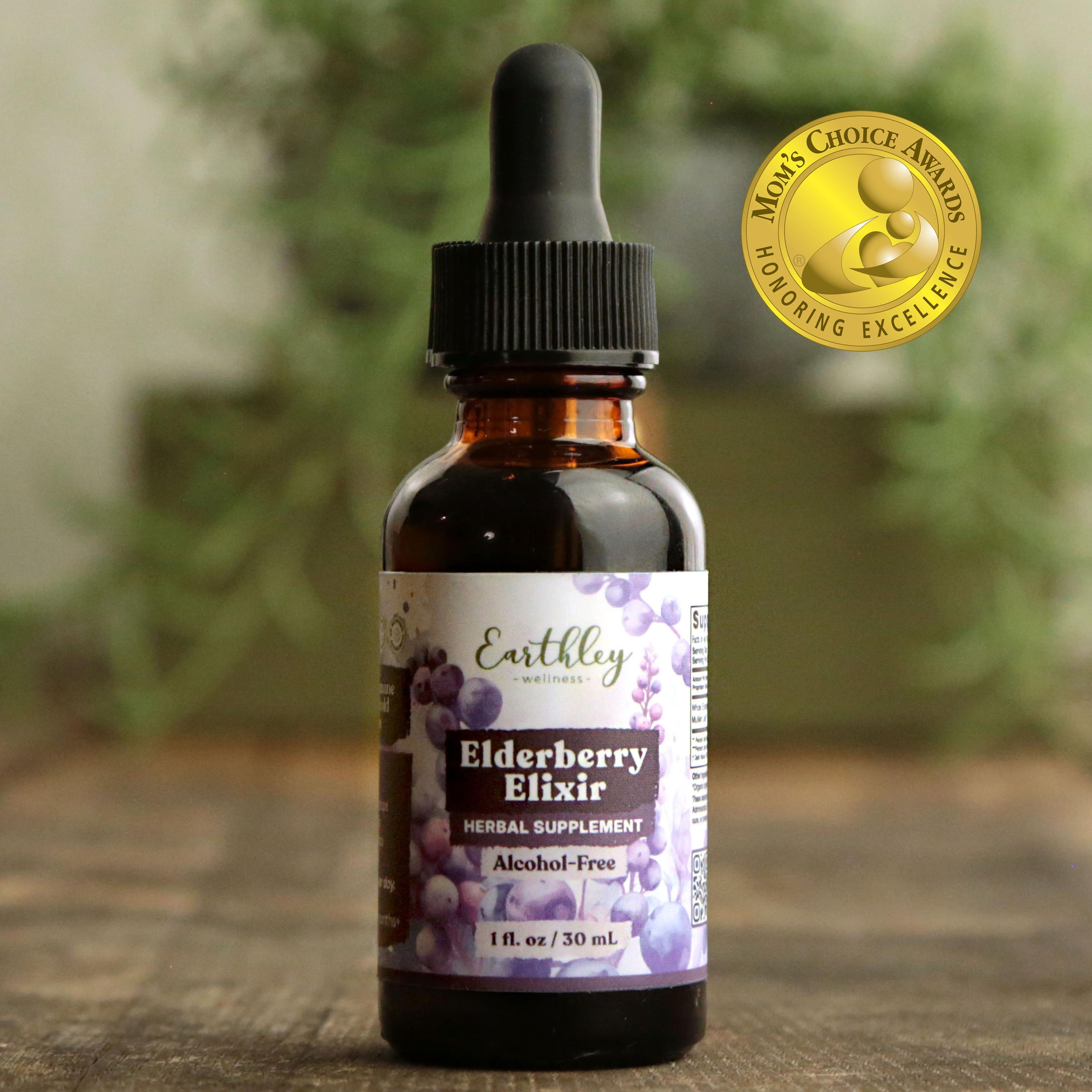
For general immune support and cold symptoms
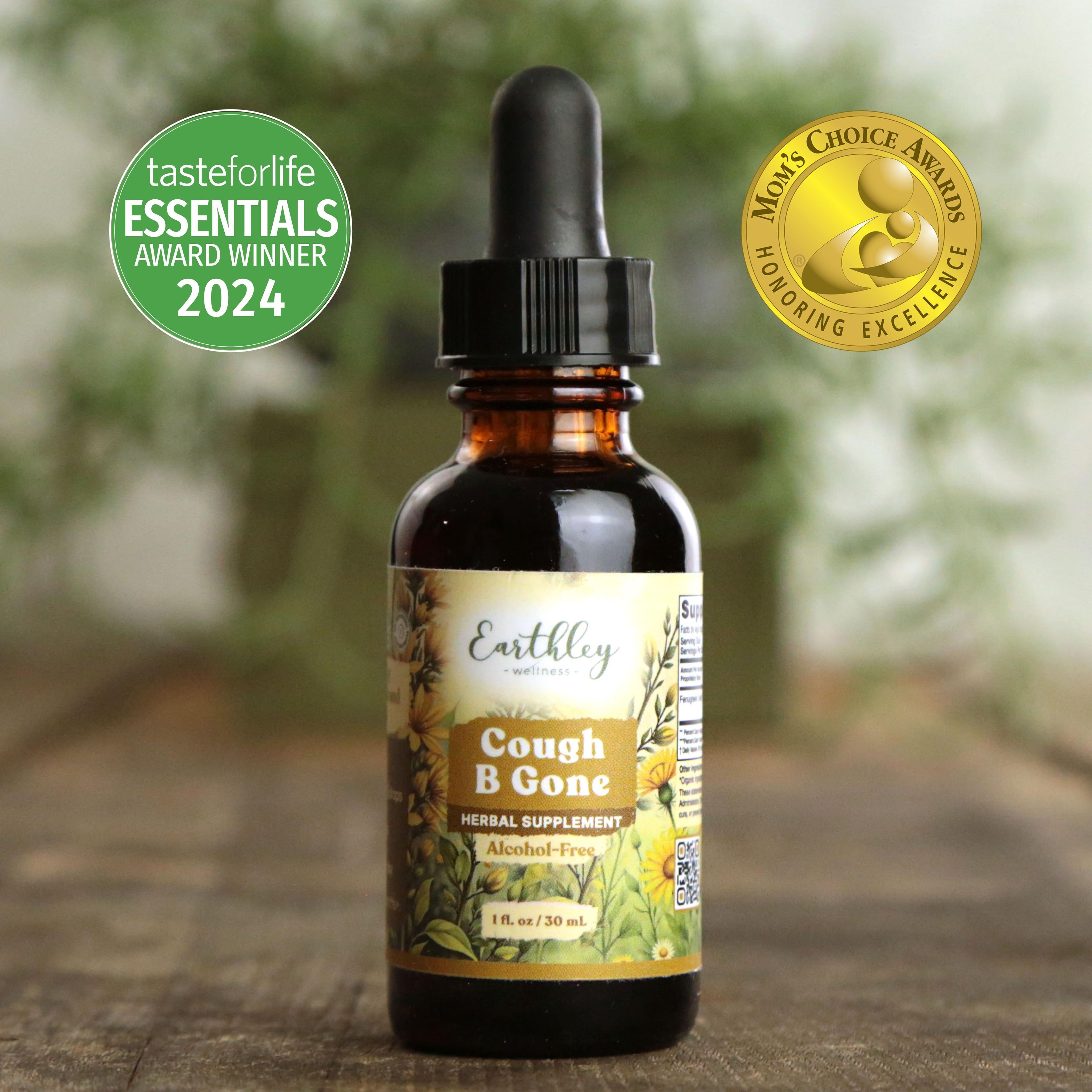
For the relief of occasional coughs and congestion
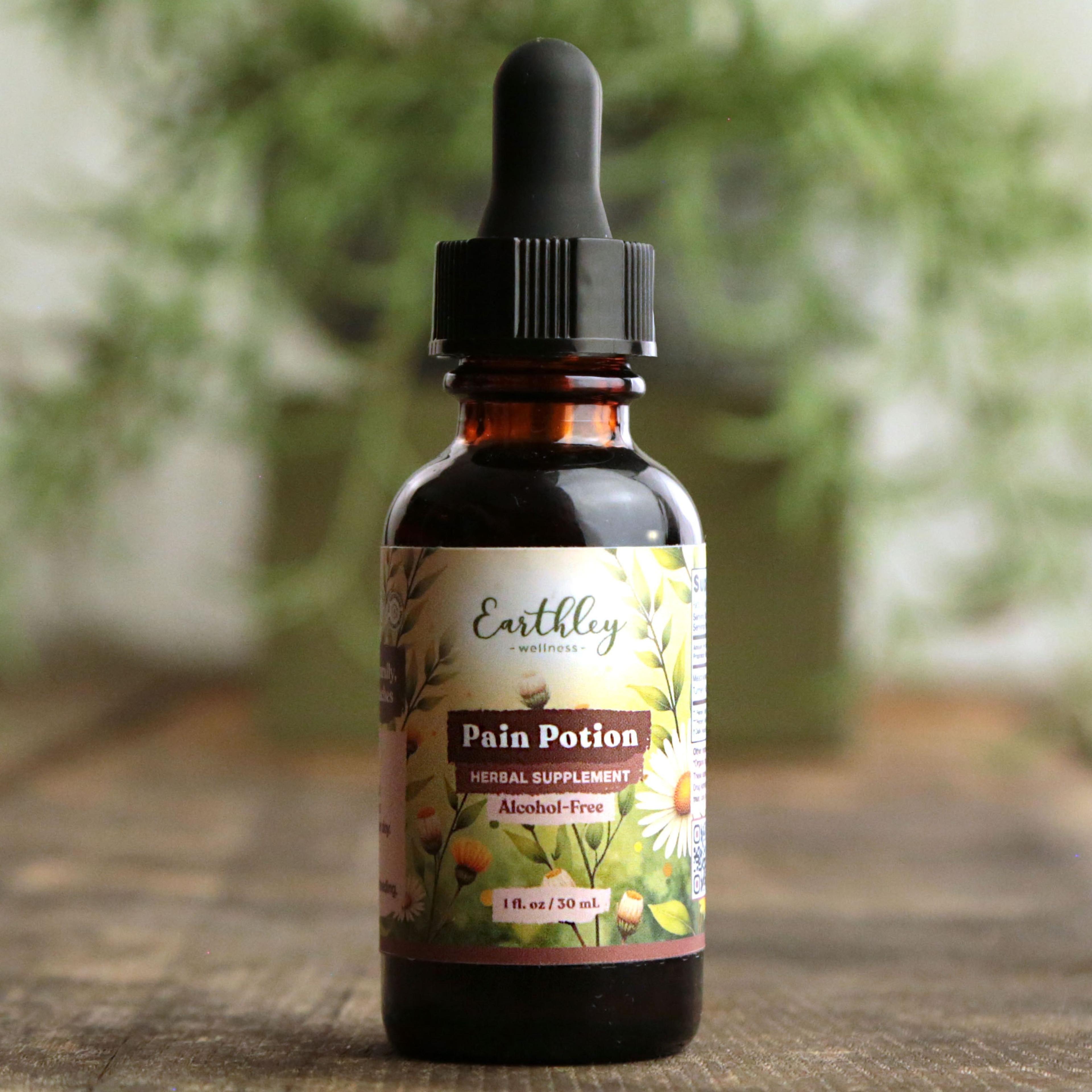
Relieve pain naturally, including headaches
Sources:
- https://www.homsted.com/blogs/homsted/how-to-make-an-herbal-tea-infusion-decoction/
- https://blog.mountainroseherbs.com/herbal-infusions-and-decoctions
- https://www.herbalreality.com/herbalism/home-herbalism/making-medicines/how-to-make-decoction/
Stay Connected
Get updates and exclusive offers straight to your inbox.