Understanding the Classification of Processed Foods
It’s easy to get confused about how food processing affects nutrition. That’s why the New Food Processing Classification system was created—to make things clearer, so we can choose what’s best for us and our families. Ultra-Processed Foods (UPFs) are linked to all kinds of health problems--including obesity, diabetes, and heart disease. This system is more detailed than past classification systems, making it easier for us to identify and avoid UPFs by breaking down the levels of processing into five clear categories. (1) (3)
How Do We Find Out Which Foods Are in Which Category?
The system is new, so there’s still a lot of work being done to get the word out. There is a project underway to label non-UPF foods, and scientists have even created an app called WISEcode to make this information about our food accessible to everyone. (3) (4)
Keep in mind: While a system like this is helpful, it’s always important to read ingredient lists, do your own research, and stay informed to make the best choices for your family’s health.
What Foods Are Included in Each Category?
Category 1: Unprocessed
This is where you’ll find the basics—fresh fruits, veggies, meats, and grains in their natural state. They might be harvested, trimmed, or have inedible parts removed, but nothing has been done to change their nutrition or how long they last.
For some easy ideas on how to incorporate more of these nutritious foods into your diet, check out our Nourished Living Cookbook!
Category 2: Minimally Processed
These are the foods that get a little extra help to stay fresh longer—without losing any of their natural goodness. Think frozen fruits and veggies, whole grain flours, cold-pressed oils, and even some cheeses and nut butters.
Category 3: Minimally Processed Prepared Foods
These meals bring together simple, wholesome ingredients from the first two categories. They’re prepared in ways that keep their natural goodness intact. Here we find cozy organic soups, flavorful sauces, hearty whole grain breads, and convenient dried or frozen whole grain dishes.
But—we have to be careful to read the ingredients. Even products labeled natural or organic sometimes contain more highly processed ingredients, like chemically processed oils, refined sugars, or “natural” flavors, which put them in category 4 or 5.
Category 4: Industrially Processed
Here’s where more highly processed foods come into the picture. These foods have been altered with chemicals, changing their nutritional value and often making them unhealthy for us. Think bleached flours and sugars, hydrogenated oils, dyes, and artificial and natural flavors.
The best way to avoid all the who-knows-what in our food is to make our own, and Earthley’s owner and lead herbalist Kate Tietje has gathered some easy, family favorites into our Wholesome Real Food Favorites Cookbook.
Category 5: Ultra-Processed Foods
These ready-to-eat foods are made of industrially processed ingredients that have been altered in ways that drastically change their nutritional value. Some even have synthetic nutrients added. Our bodies cannot process these foods, and they contribute to all kinds of serious health problems. You'll find most cookies, chips, candy, cereals, canned soups, and many other snacks and prepared foods here.
But there’s hope for your snack life--check out these actually natural snack and candy brand alternatives. And if you like to DIY, our Green Rooibos Energy Bites and Hibiscus-Ginger Oat Bar recipes are fun (and nourishing) for the whole family!
Ditch Stress. Do Your Best.
When we’re informed, we can make the best possible choices for ourselves and our families. Remember: this classification system is a tool that can help us, but ultimately, we are our own best resource for keeping ourselves healthy. It’s important to stay smart about what’s in our food by reading ingredients over trusting labels or apps.
Our mission at Earthley is to support you on your wellness journey. We invite you to keep learning with us, try new whole food recipes, make healthy kitchen swaps where you can, and reach out to us with questions any time.
And maybe most importantly—do your best not to stress. It's practically impossible to avoid processed foods all the time and stressing about it is the worst thing for our health. So, keep learning, make the best choices possible, ditch the idea of perfection, and remember we’re in this together.
Disclaimer - This blog post is provided for educational and informational purposes only and does not constitute providing medical advice or professional services and its statements have not been evaluated by the FDA. The information provided should not be used for diagnosing or treating a health problem or disease. Always seek the advice of a qualified health care provider regarding a specific medical condition.
Recommended for You:
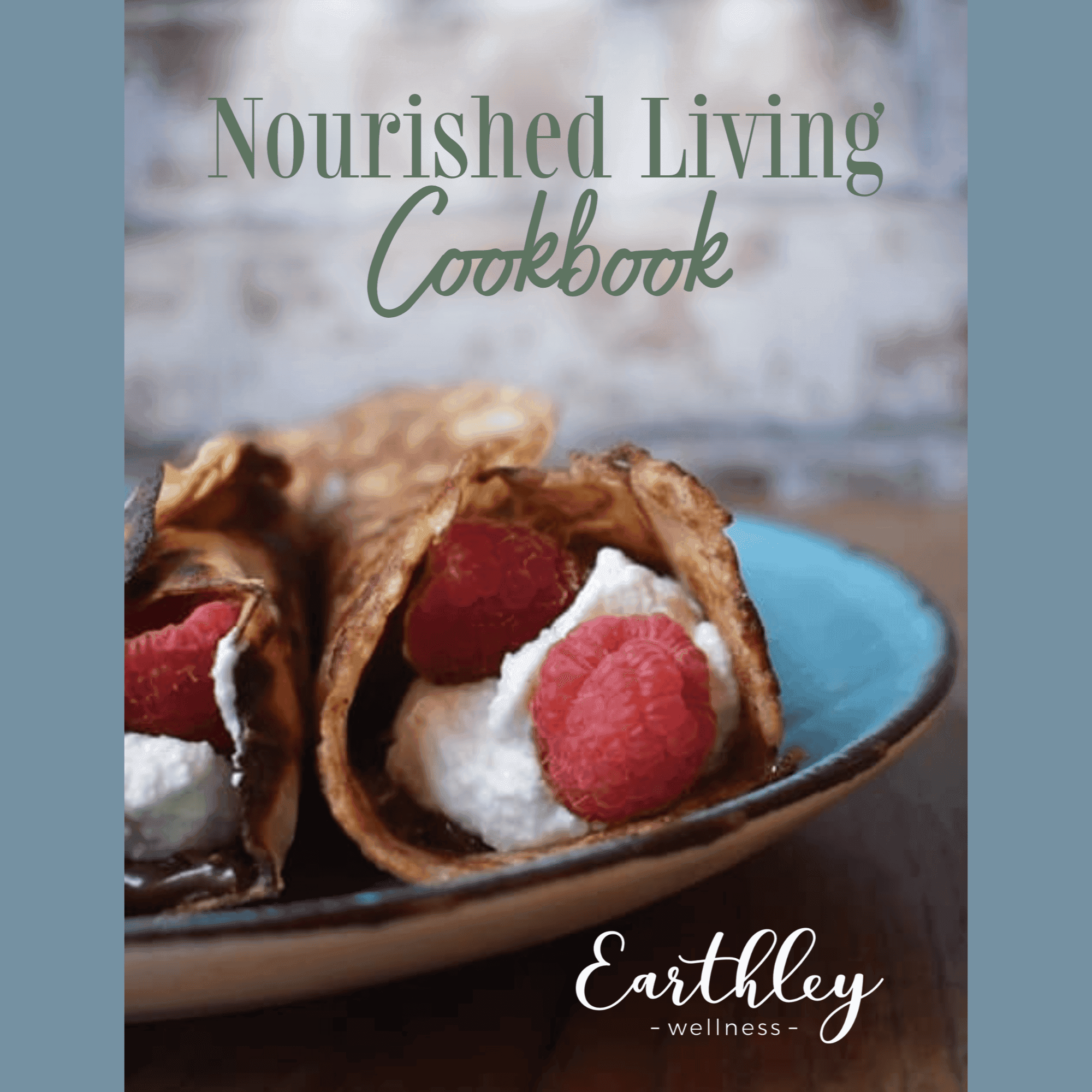
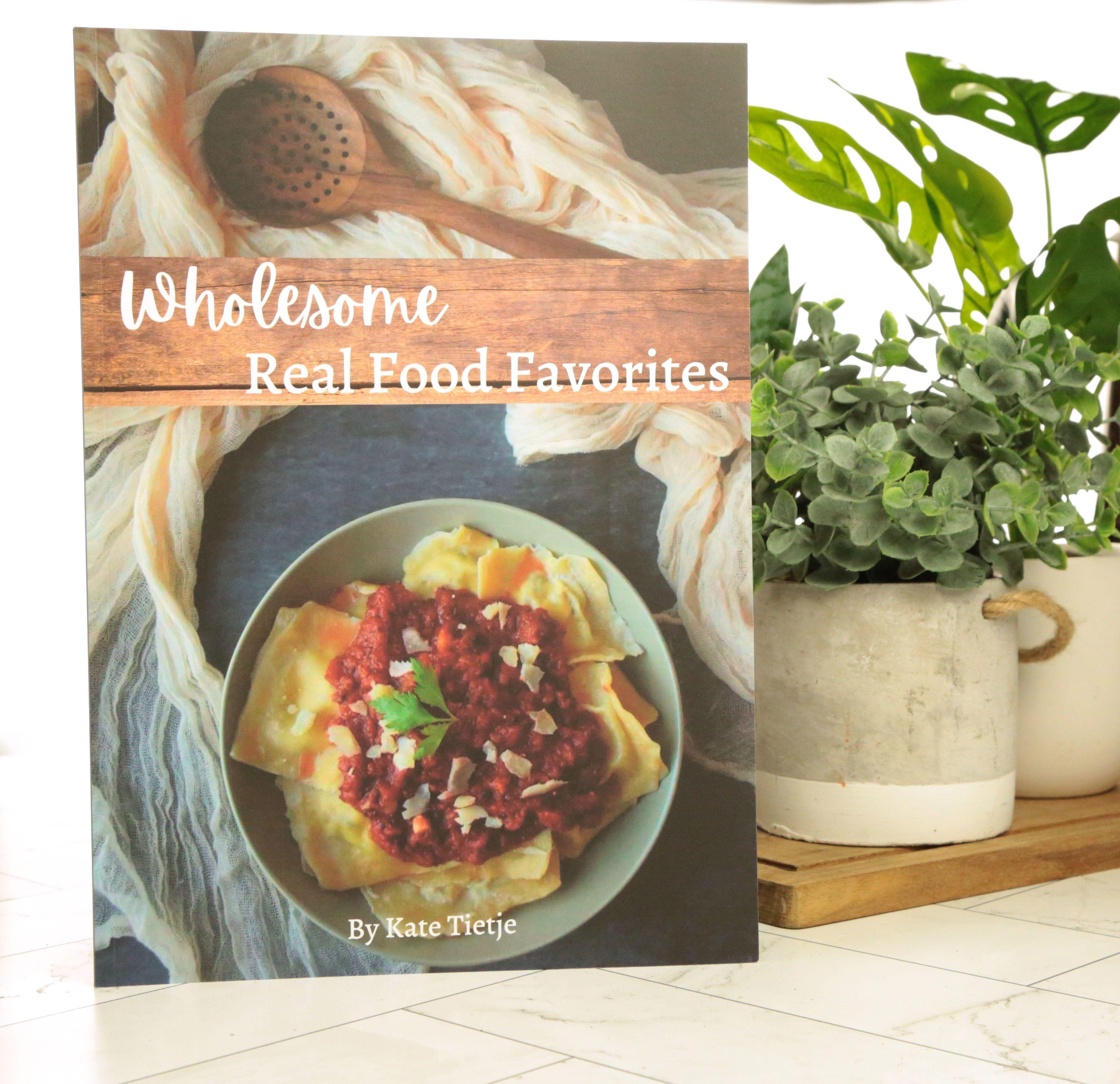
Healthy from-scratch recipes and kitchen basics
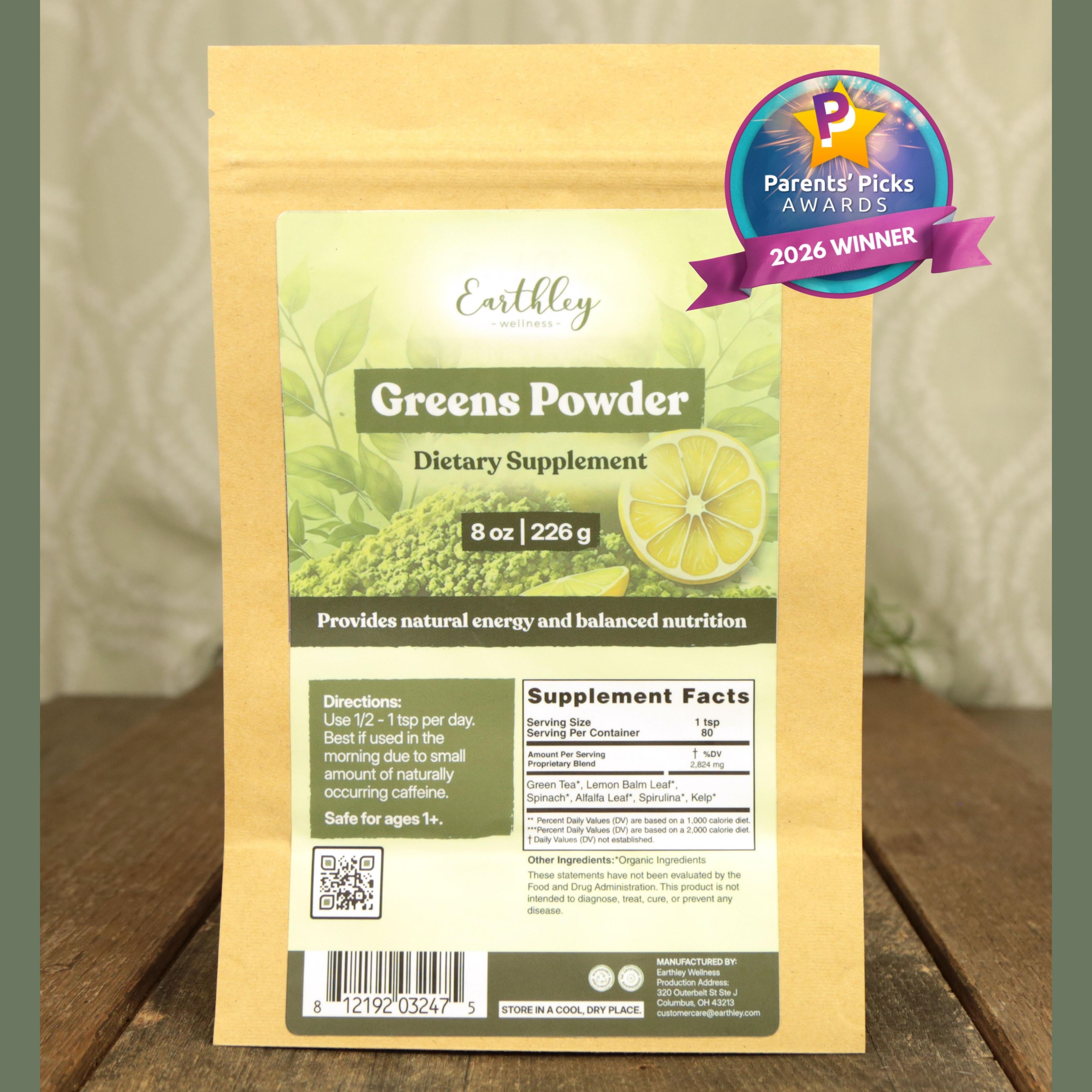
Provides natural energy and balanced nutrition
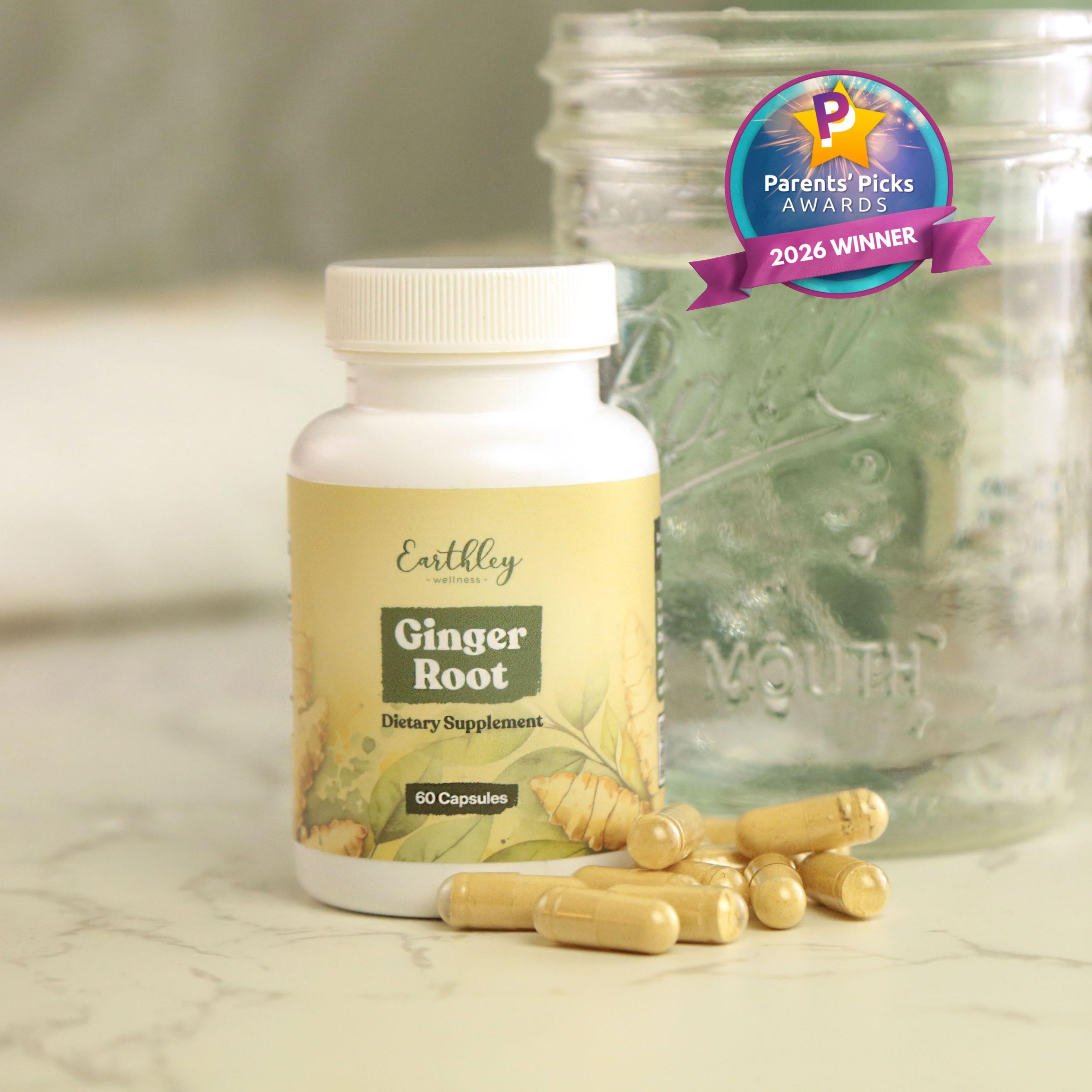
Relieves occasional nausea and promotes normal inflammatory response
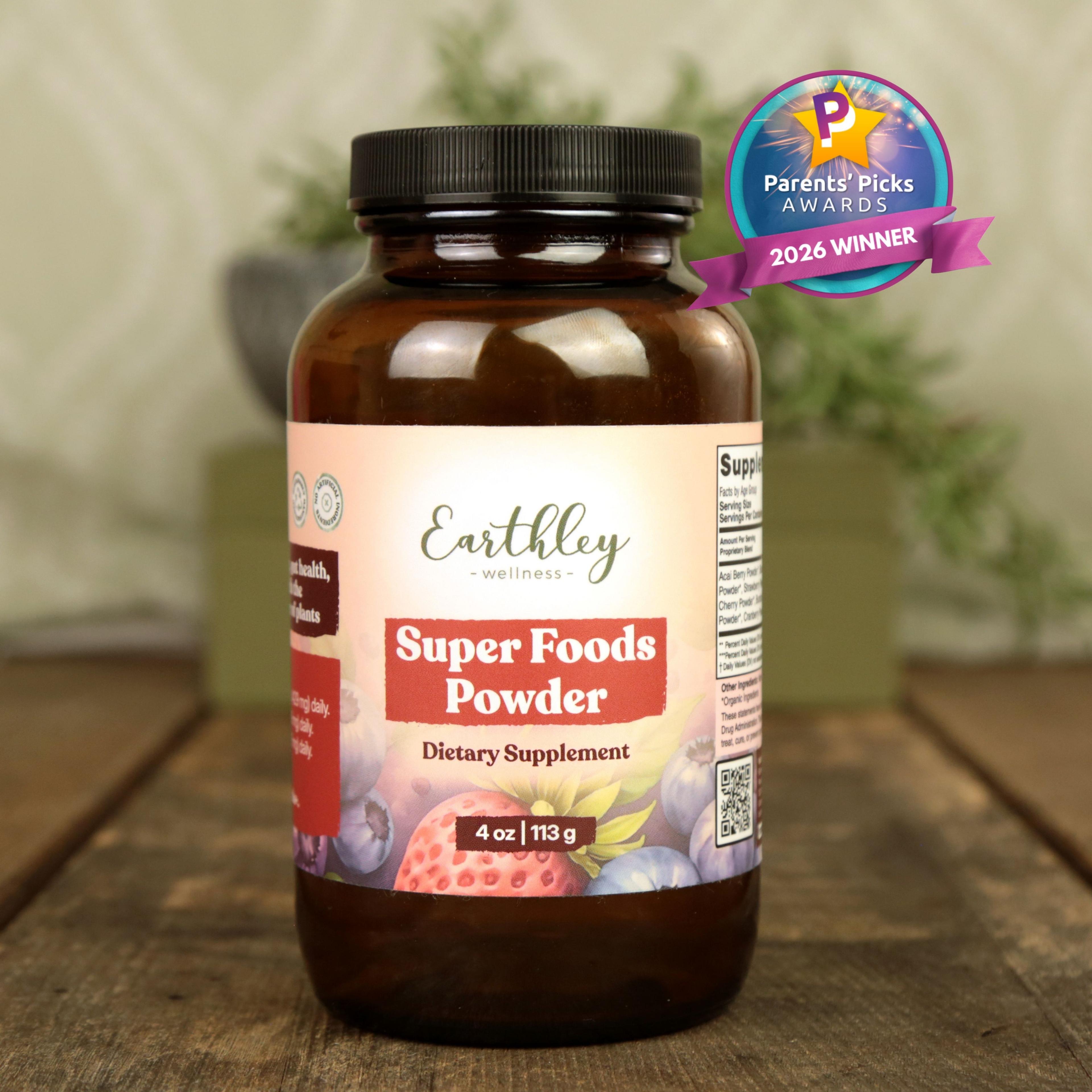
Promotes energy, gut health, and immunity with the nourishing power of plants
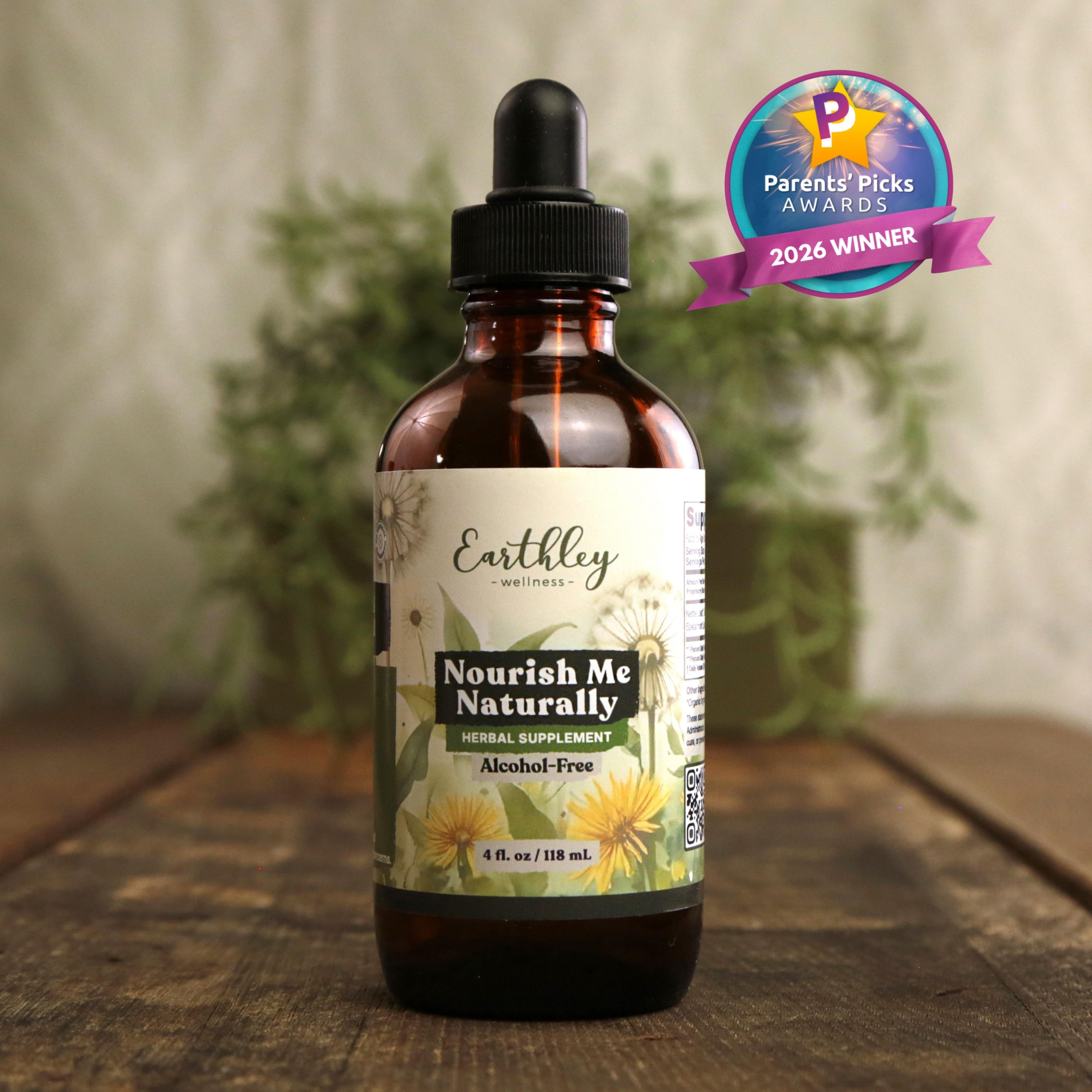
Whole, natural nutrition for all
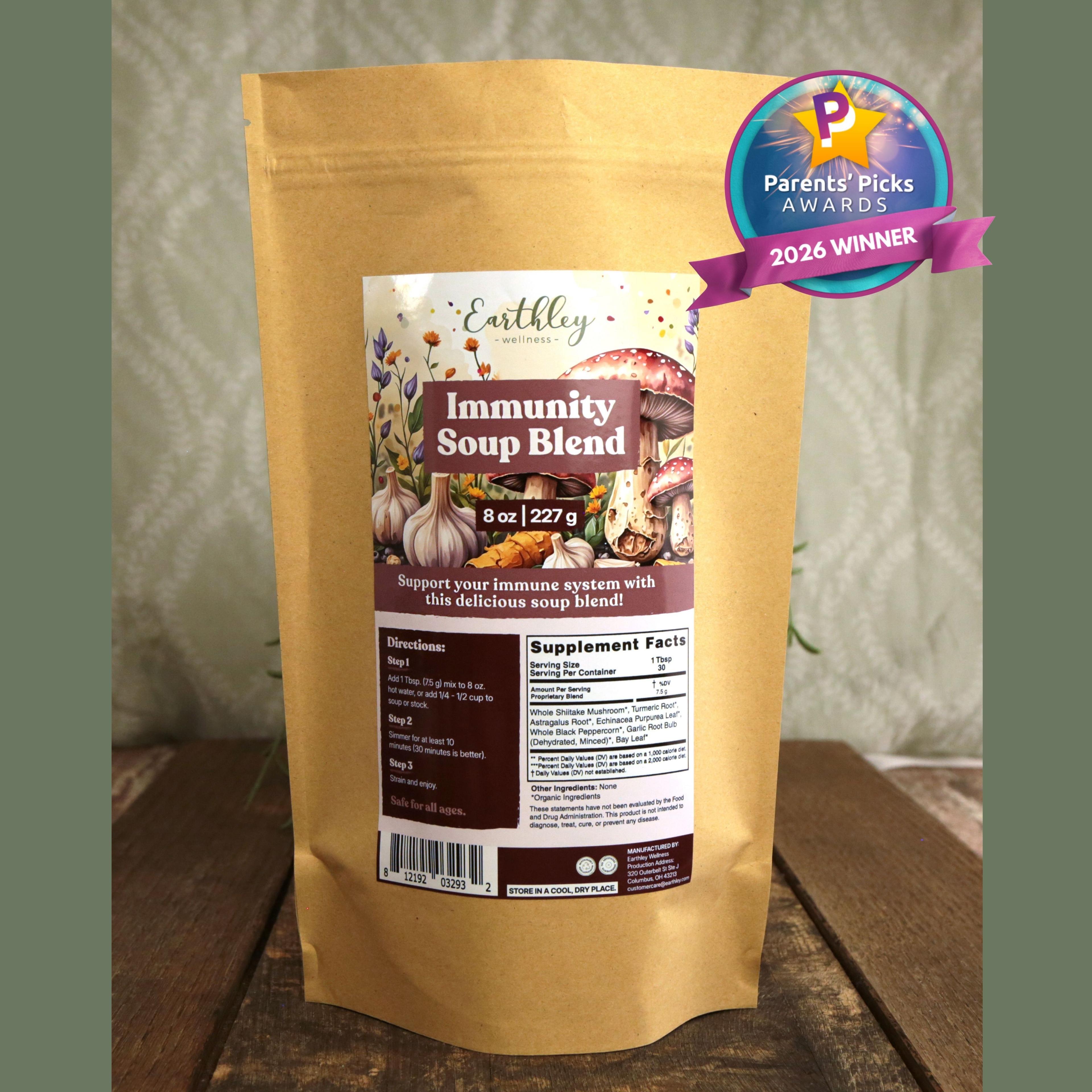
Support your immune system with this delicious soup blend
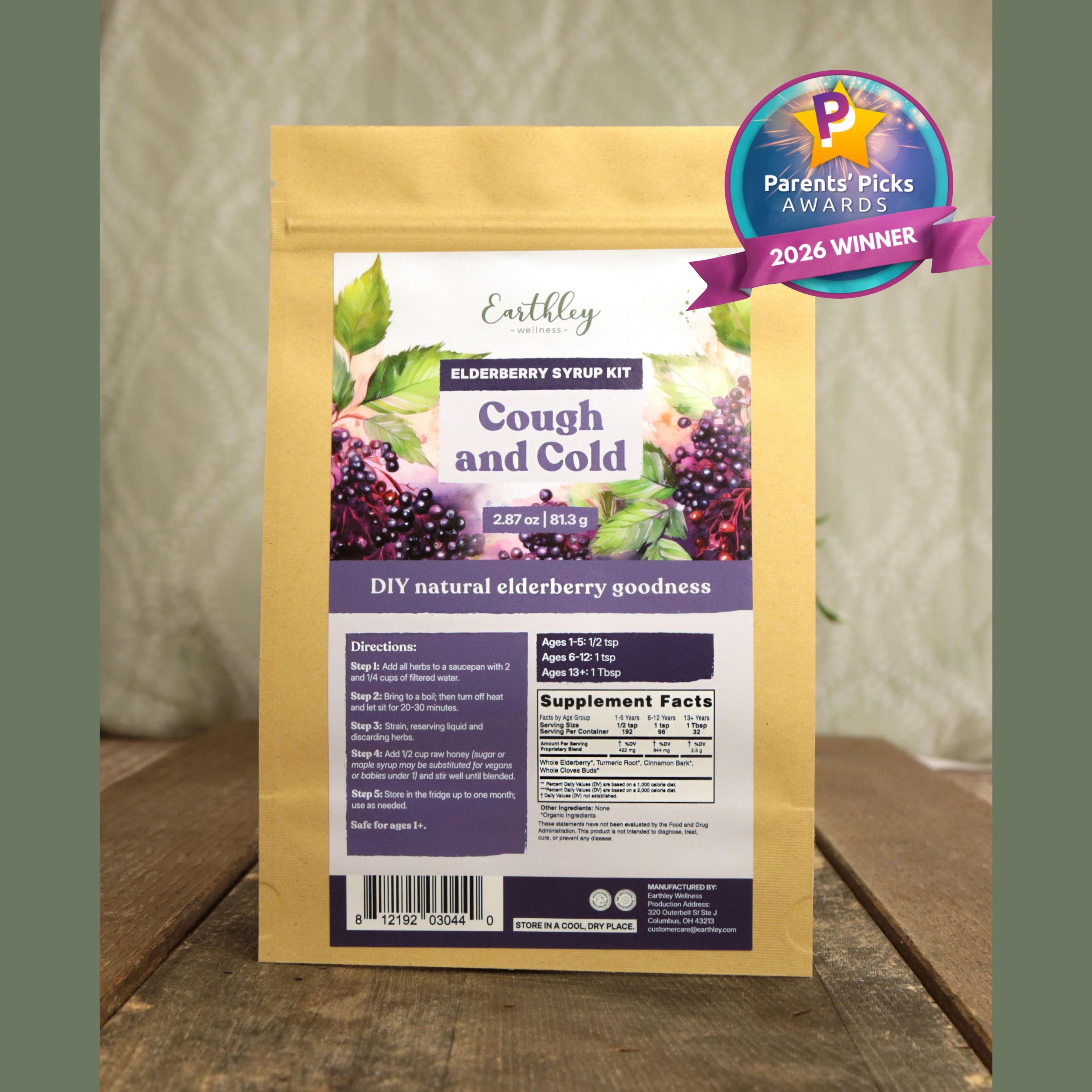
DIY natural elderberry goodness
Sources:
- What Are Ultra-Processed Foods (UPF)? — The Non-UPF Program https://www.nonupfprogram.org/what-are-upf
- CEM_Understanding-the-Nova-Food-Classification.pdf https://thehealthsciencesacademy.org/wp-content/uploads/2025/05/CEM_Understanding-the-Nova-Food-Classification.pdf
- Scientists propose new approach for classifying processed foods | EurkAlert! https://www.eurekalert.org/news-releases/1084803
- homepage - WISEcode | Food Intelligence for All https://wisecode.ai/
Stay Connected
Get updates and exclusive offers straight to your inbox.