How to Support Kidney Health Naturally

Feeling sluggish even when you get a good night's sleep? Is your brain lost in the fog even after you’ve had your morning coffee or tea? Often thirsty or achy? If so, your kidneys could be part of the story. These two little powerhouses do way more than we give them credit for, So, when they are stressed, we feel it. In this post, we’ll break down why your kidneys matter, the signs they might need a little TLC, and simple, natural ways to support them so you can feel your best.
What Kidneys Do
Your kidneys might not get much attention, but they’re doing some serious work behind the scenes. These two bean-shaped organs sit just below your ribs and filter all the blood in your body every 30 minutes. Their job isn’t just about making urine. They remove toxins, balance minerals, help produce red blood cells, regulate blood pressure and even support bone health by activating Vitamin D. (1)
They also have a close relationship with your adrenal glands, which manage stress hormones. When your kidneys aren’t functioning well, it can throw off hormone balance, affect your stress response, and even impact your immune system. In short: healthy kidneys help keep your whole body running smoothly. (2)
How Do You Know If Your Kidneys Need A Little Extra Care?
Sometimes the signs are subtle. When we’re busy, we tend to brush them off. But here are a few things worth paying attention to:
- Persistent fatigue. If you’re exhausted even after a full night’s sleep, your kidneys might not be helping your body make enough red blood cells, meaning less oxygen for your brain and muscles.
- Swelling in your face and feet. If your body is not getting rid of sodium well, fluids can build up in the body and cause puffiness.
- Muscle cramps. Electrolyte imbalances often show up as those annoying leg cramps. Magnesium can help ease these cramps and support better sleep.
- Brain fog. Trouble focusing or feeling “off” can be linked to toxin buildup or low oxygen levels.
- Changes in urine. Dark, foamy, or brownish urine can signal protein or even blood in the urine. (3)
- Constant thirst. Dehydration and kidney stress often go hand in hand—and can lead to kidney stones. (5)
- Low back pain. Achiness just below the ribs could be more than muscle strain. (4)
- Other clues. Itchy skin, nausea, poor appetite, or even breath that smells metallic can all point to kidney imbalance.
If you notice several of these signs together, it’s worth slowing down and giving your kidneys some TLC.
What Causes Kidney Imbalances?
Life gets busy, and sometimes the things we do to keep up can quietly stress our kidneys. Here are some common culprits:
- Stress overload. When we’re constantly running on adrenaline - school drop-offs, work deadlines, endless laundry - our blood pressure and blood sugar can spike, putting extra strain on the kidneys. (6)
- Dehydration. Missing out on hydration because you’re too busy or tired? Dehydration makes it harder for kidneys to filter waste and can lead to kidney stones over time. (7)
- Processed foods. Quick snacks and convenience meals often pack refined sugar, flour, and unhealthy oils, which increase kidney stress. (8)
- Too much refined salt. Table salt without other minerals can raise blood pressure and dehydrate you. Swap it for mineral-rich options like Himalayan or Redmond Real Salt.
- Painkillers. Regular use of NSAIDs (like ibuprofen) can reduce blood flow to the kidneys and cause damage over time. (10)
- Not getting enough sleep. Lack of sleep disrupts kidney function and hormone balance. (9) With so much to do, it can be hard to get enough sleep, but we have to make it a priority.
- Smoking and alcohol. Both slow kidney function and increase blood pressure, making the kidneys work harder. (9)
- Skipping exercise. Movement helps regulate blood pressure and circulation—both key for kidney health. Even short walks or kitchen dance breaks count.
- Environmental toxins. Pesticides and heavy metals in food, water, and products can accumulate in the kidneys over time. (14)
How To Support Your Kidneys
Kidney health isn’t about doing everything perfectly. It’s about small, consistent choices that make a big difference. Here are practical ways to give your kidneys the love they deserve:
Address stress.
Most of us are managing so many unavoidable elements that create stress in our lives. Fortunately, there are many resources available to support us. We’ll share some here, and our Stress Less Guide offers an even deeper dive. And ladies – this blog further explores why we’re so stressed and what to do about it.
One of the easiest ways to start calming stress? Just stop for a second and breathe. Seriously—pause the laundry, the dishes, the mental to-do list, and take a few slow, deep breaths. It sounds simple, but those few moments can melt tension, clear your head, and help your body reset. When life feels like a nonstop juggling act, this tiny habit can make a big difference. Some other helpful stress-relievers are here for you in this blog.
Thankfully, there are also some powerhouse plants that are here for us when we need more fortification. Earthley has gathered some of them into Natural Balance for daily hormone health, healthy stress response, and natural energy, and Anxiety Relief for when our bodies are overreacting to daily stressors.
Hydrate! Hydrate! Hydrate!
Getting enough good quality water into our bodies is essential for healthy kidney function, but hydration works best when your body can actually absorb it. Add a pinch of mineral-rich salt to your water or sip coconut water for natural electrolytes. If you’re juggling school runs and errands, an electrolyte powder is an easy way to get quick hydration.
Eat real food.
Processed snacks and sugary drinks put extra strain on our kidneys. To support not only kidney health, but also energy and mood, focus on whole, colorful foods. Some that are especially kidney-loving are berries, apples, cauliflower, olive oil, garlic, bell peppers, cabbage, chicken, fatty fish (like salmon, tuna, and sea bass), egg whites, shitake mushrooms, radishes, and turnips. (15)
Our Wholesome Real Food Favorites Cookbook and Nourished Living Cookbook share some great recipes for nutritious, delicious meals. And trust us -- we know how hard it is to cook homemade meals all the time. We’ve created our Greens and Super Foods powders to help keep us and our families nourished even when we’re on the go.
Avoid synthetic painkillers.
As a good-for-us alternative, we have curated a collection of pain-relieving herbs that really work into our natural, botanical Pain Potion.
Sleep well.
Our kidneys repair and regulate during sleep. Aim for 7–9 hours if possible. If that feels unrealistic (hello, mom life), start small: dim lights earlier, avoid screens before bed, and consider gentle herbal sleep support -- like our Sleepy Time blend -- if needed. Our free Secret to a Good Night’s Sleep guide offers more guidance if you could use it.
Avoid smoking and drinking alcohol.
We all know how tough it can be to shake cravings or break old habits—they’re stubborn! The good news? You don’t have to do it alone. Support groups can be a lifesaver, and chatting with a therapist or counselor can make a world of difference. Even tools like cognitive behavioral therapy or hypnotherapy can help us get to the root of those patterns. If you’re curious about what your cravings might really mean, check out our What Your Cravings are Telling You blog for some helpful insights. And remember—small steps matter. Cutting back little by little can lead to big changes over time.
Move your body.
Do what you can. Getting our heart rate up until we’re sweating several times a week will help support optimal kidney health, but we don’t need a gym to get some movement in. A one-song dance party, a brisk stroller walk, or a quick yoga flow can all help keep our kidneys healthy.
Avoid heavy metals as much as possible.
This is unfortunately easier said than done. Even those of us with the healthiest dietary and lifestyle choices can’t entirely avoid exposure to heavy metals. That’s why we created our Detox Defense tincture help support natural detox and whole-body health.
Kidney-Friendly Herbs
Herbs can be a gentle, natural way to give your kidneys extra support—especially when paired with good hydration and a balanced diet. Here are some worth knowing about:
- Cranberries – These little powerhouses help clear out bacteria through the urine and ease the discomfort that inflammation brings. They’re also packed with antioxidants that help keep our blood flowing strong. Cranberries are a key ingredient in our UT Relief formula.
- Dandelion root – A natural detox helper! Dandelion acts as a mild diuretic, helping our bodes flush out toxins. Also found in our UT Relief tincture, as well as our Nourish Her Naturally for added detox and mineral support.
- Turmeric is another star ingredient in our UT Relief. The active compound found in turmeric – curcumin – protects the kidneys, can help clear out junk that makes you feel stuck, and can help relieve pain that comes along with inflammation. (12)
- Nettle leaf – Loaded with vitamins and minerals, nettle helps our kidneys filter efficiently and can give a great energy boost when you’re feeling low. It is found in our Energy Plus tincture, along with Yellow Dock and Amla Berry. Nettle is also a key ingredient in Nourish Her Naturally.
- Ginger Root – Great for easing pain caused by inflammation and helping us feel energized by supporting healthy blood and oxygen flow. (12) Fresh or dried ginger is a delicious, spicy addition to many recipes, and our Ginger Root Capsules and Spice Tea are great ways to include ginger in your diet.
- Marshmallow Root – Soothes the urinary tract and helps prevent kidney stones. It is one of the herbs in our Detox Defense tincture, for whole-body support.
- Cleavers – A detox-friendly herb that supports urinary tract health. You’ll find it in Earthley’s Lymphatic Cream.
- Celery Seed – Helps with fluid balance and inflammation. It’s featured in our very popular Oyster Min for mineral support.
Quick tip: Start small when adding herbs and drink plenty of water to help your kidneys process them. If you have kidney disease or take medications, check with a professional first—some herbs can interact with certain conditions.
If you feel that your kidneys might be out of balance, don’t panic. Now that you’re more informed about these important organs, you’re one step closer to giving them the care they need. Start slow with any changes you make. Start with a breath (or maybe a few), tune into what your body is telling you, and then decide the one next thing that you can do to help your kidneys thrive. Remember: there are many ways to receive the support your body needs, and you are not alone.
Disclaimer - This blog post is provided for educational and informational purposes only and does not constitute providing medical advice or professional services and its statements have not been evaluated by the FDA. The information provided should not be used for diagnosing or treating a health problem or disease. Always seek the advice of a qualified health care provider regarding a specific medical condition.
Check out these products
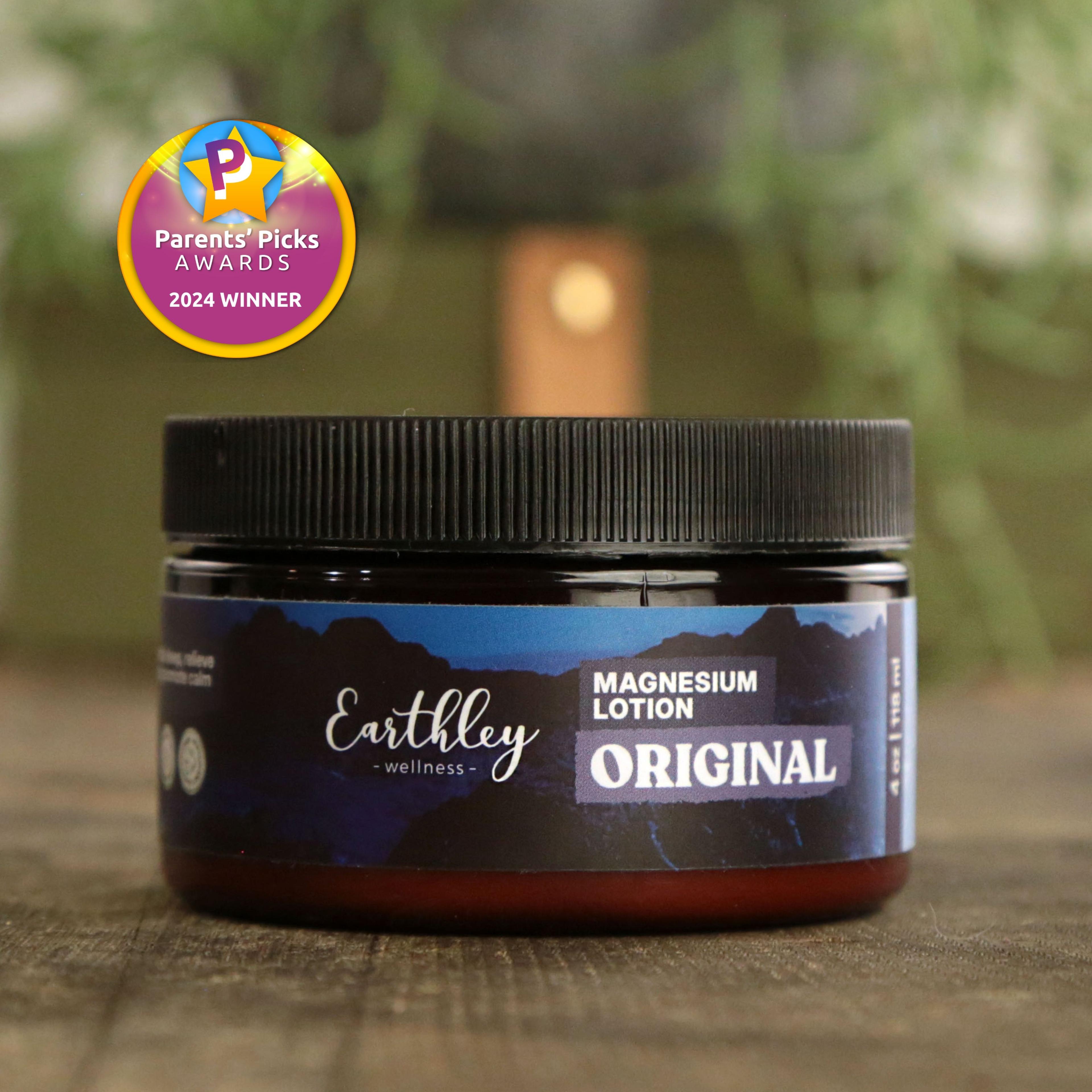
For healthy sleep and magnesium (NEW! Moonlight Bloom scent)
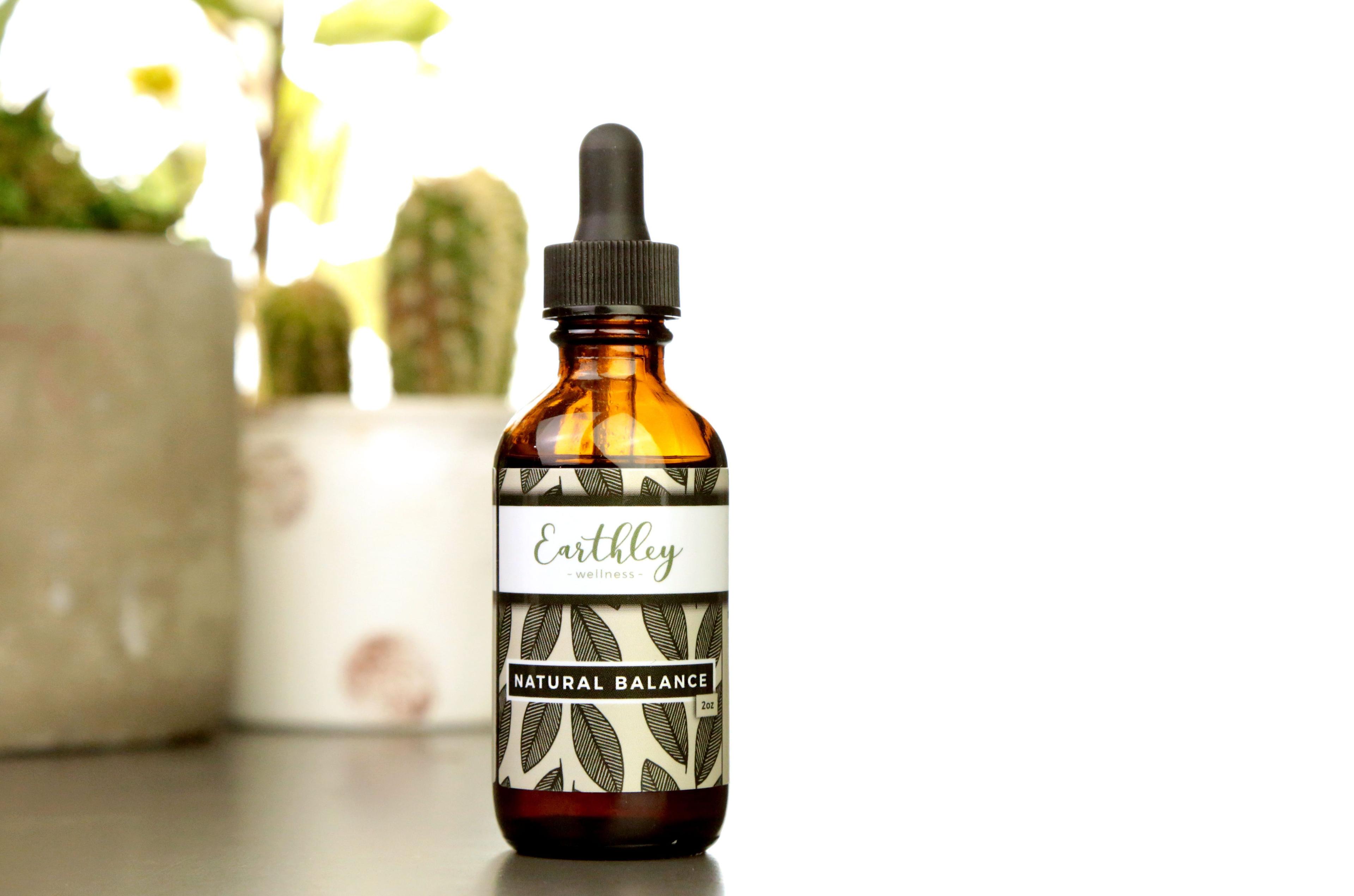
For hormone and energy support.
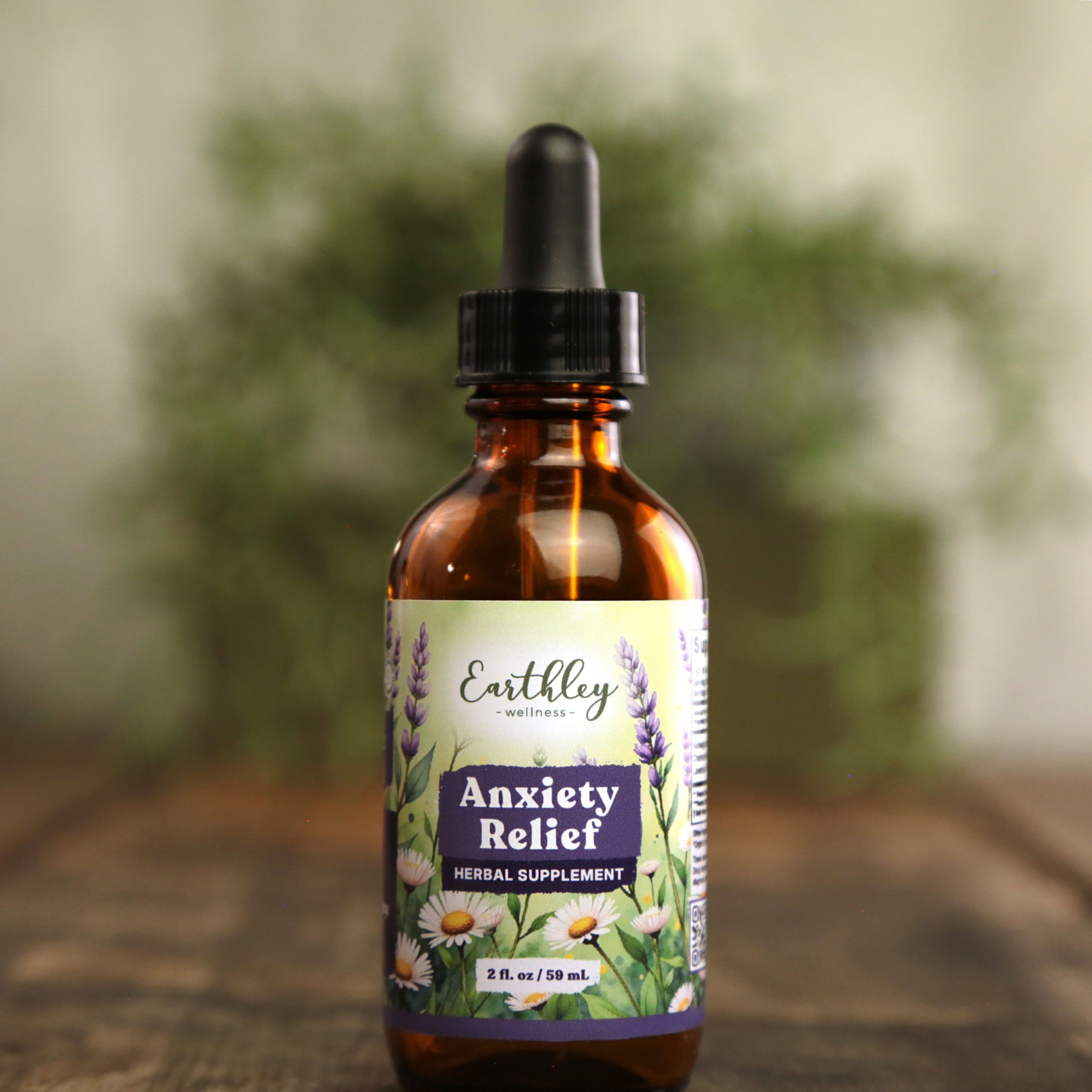
To promote calm mood
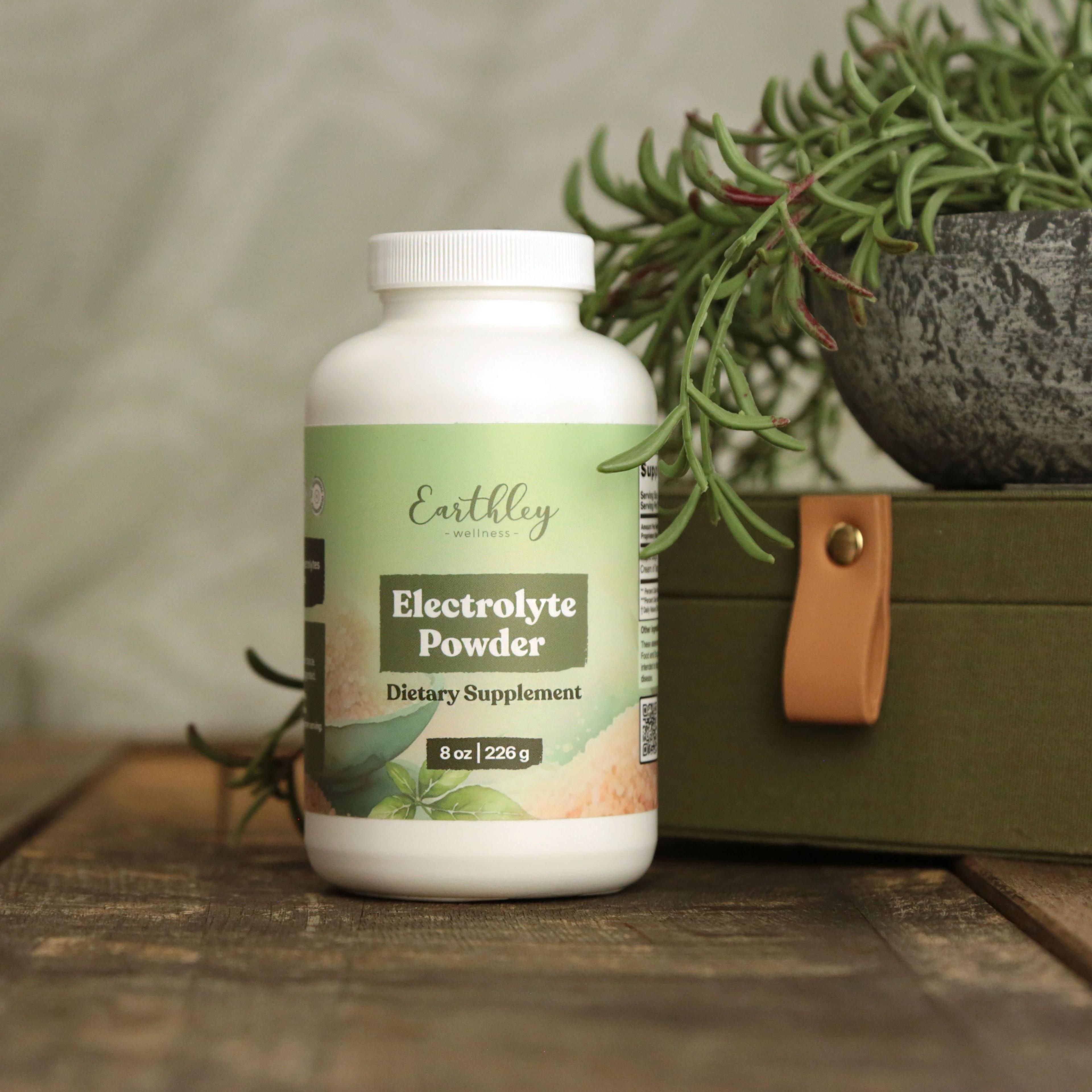
To hydrate with natural electrolytes during endurance or illness

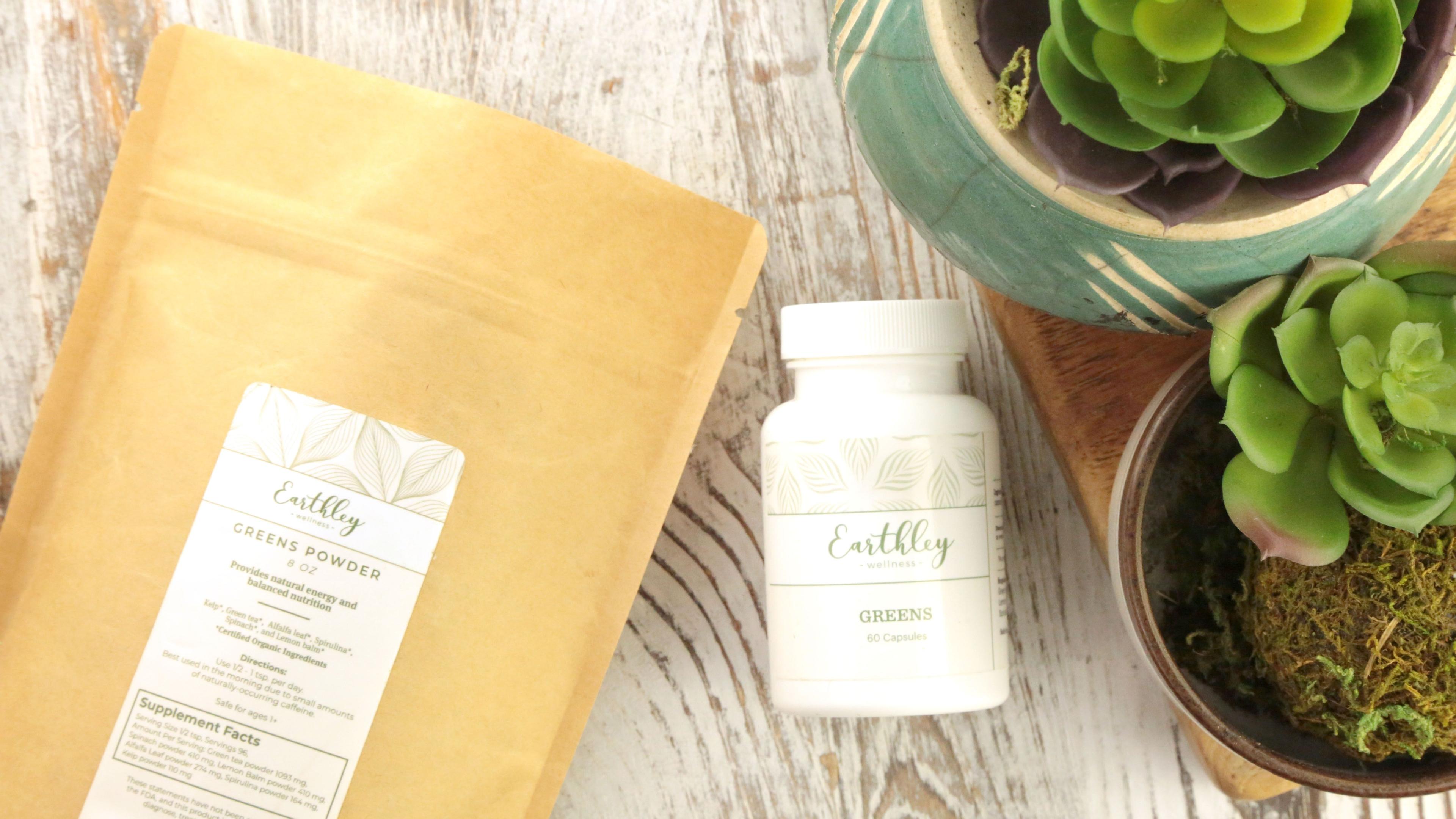
Provides natural energy and balanced nutrition
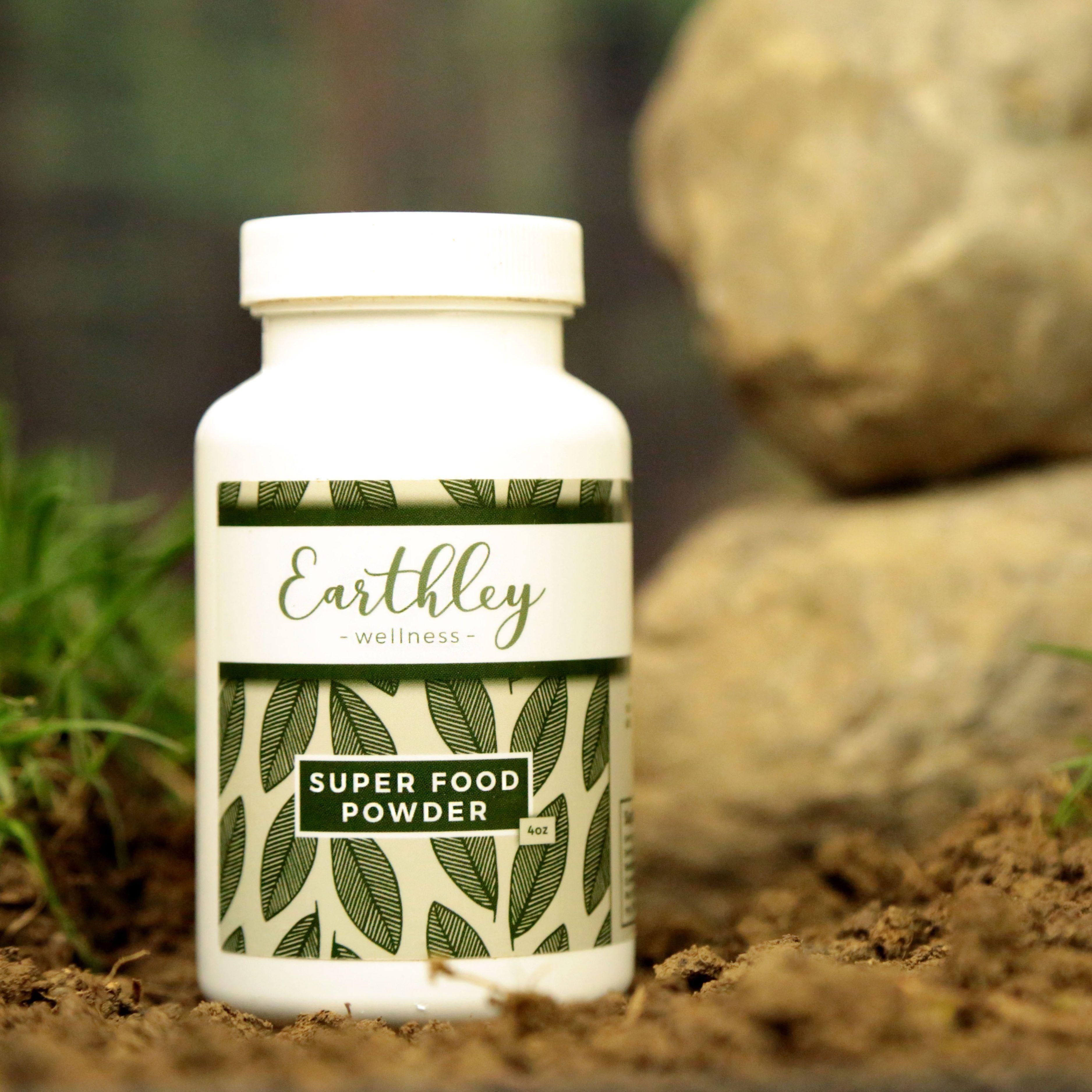
Promotes energy, gut health, and immunity with the nourishing power of plants
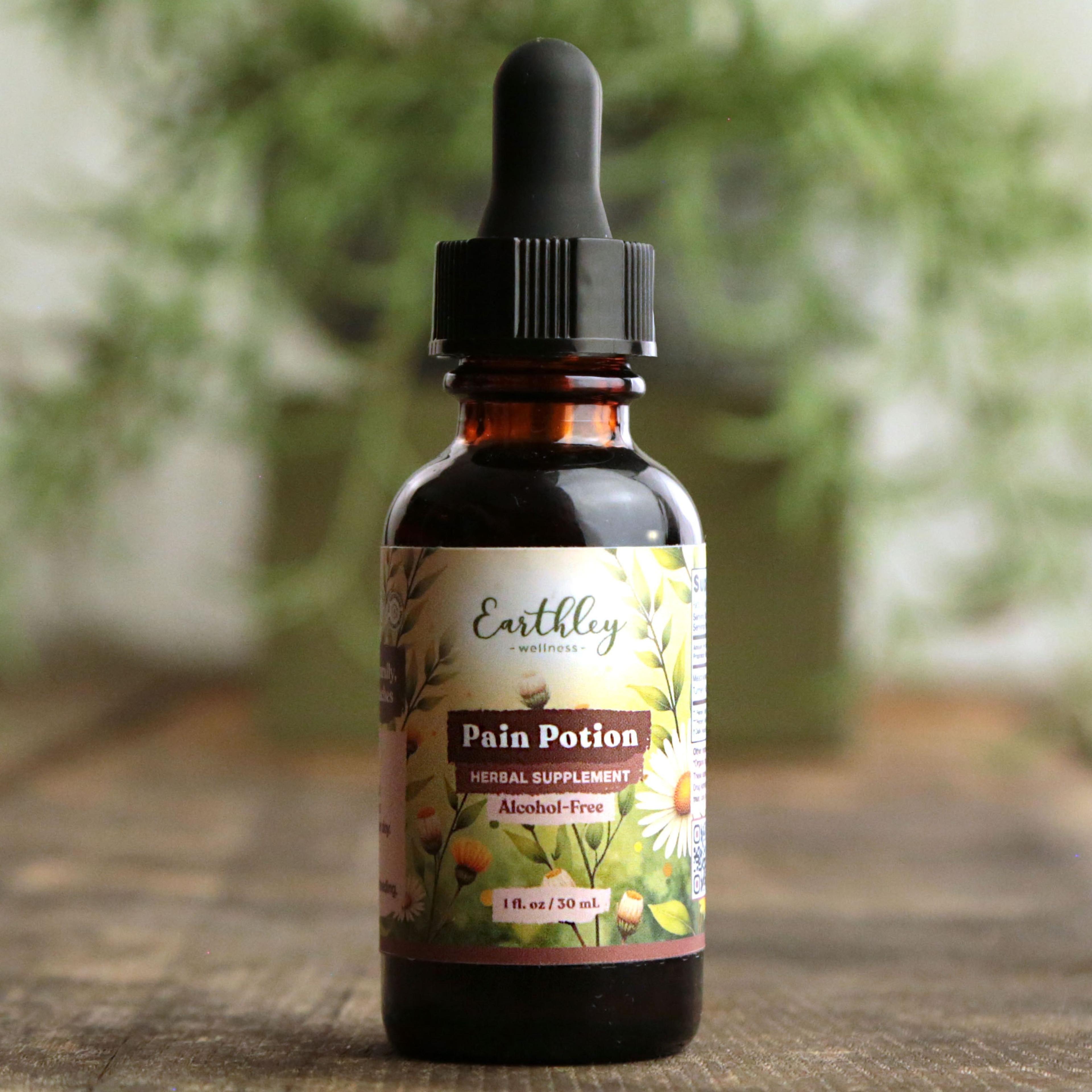
Relieve pain naturally, including headaches
Sources:
1. How Your Kidneys Work | National Kidney Foundation https://www.kidney.org/kidney-topics/kidney-function
2. The adrenal cortex and the kidney - ScienceDirect https://www.sciencedirect.com/science/article/pii/S0085253815313831
3. Warning Signs of Kidney Problems https://www.webmd.com/a-to-z-guides/ss/slideshow-kidney-warning-signs
4. Kidney Pain vs Back Pain: Know the Difference https://www.nanavatimaxhospital.org/blogs/is-your-back-pain-an-indication-of-kidney-stones
5. Definition & Facts for Kidney Stones - NIDDK https://www.niddk.nih.gov/health-information/urologic-diseases/kidney-stones/definition-facts
6. Stress and Your Kidneys | National Kidney Foundation https://www.kidney.org/kidney-health/stress-and-your-kidneys
7. How Hydration Affects Kidney Health https://continentalhospitals.com/blog/how-hydration-affects-kidney-health/
8. Lower Risk of Kidney Disease: Our Tips to Ditch Processed Foods on a Budget | National Kidney Foundation https://www.kidney.org/news-stories/ultra-processed-foods-and-kidney-disease-there-link
9. 10 Common Habits That May Harm Your Kidneys | National Kidney Foundation https://www.kidney.org/news-stories/10-common-habits-may-harm-your-kidneys
10. Acute kidney injury associated with non-steroidal anti-inflammatory drugs - ScienceDirect https://www.sciencedirect.com/science/article/abs/pii/S0953620522001728
11. The Role of Exercise in Kidney Health: Benefits and Safe Practices - KSOSN https://www.ksosn.com/the-role-of-exercise-in-kidney-health-benefits-and-safe-practices/
12. Top 15 Herbs for Kidney Health You Can Trust | Dr. Lam https://lamclinic.com/blog/herbs-for-kidney-health/
13. Chronic Kidney Disease of Unknown Origins Linked to Indoor Pesticide Use, Disproportionally Affecting Women - Beyond Pesticides Daily News Blog https://beyondpesticides.org/dailynewsblog/2023/08/chronic-kidney-disease-of-unknown-origins-linked-to-indoor-pesticide-use-disproportionally-affecting-women/
14. Pesticide linked to chronic kidney disease | ScienceDaily https://www.sciencedaily.com/releases/2021/10/211014100148.htm
15. Effect of Heavy Metals on, and Handling by, the Kidney | Nephron Physiology | Karger Publishers https://karger.com/nep/article-abstract/99/4/p105/832225/Effect-of-Heavy-Metals-on-and-Handling-by-the?redirectedFrom=fulltext
16. 20 Healthful Foods for Fighting Kidney Disease https://clevelandurology.net/posts/kidney-health/20-healthful-foods-for-fighting-kidney-disease/