Why a Fever Isn’t Always A Bad Thing
That sudden spike in temperature, the chills, the sweats, it can feel alarming, especially when little ones are involved. But what if that heat isn’t a problem to be fixed, but a signal that the body is doing exactly what it’s meant to do?
A fever is one of the body’s oldest and most reliable defense mechanisms. It’s not a mistake or a sign that something is going wrong. It’s a message from the immune system that it’s working hard to protect and heal us. Understanding why fevers happen and how to support the body while they run their course can transform fear into confidence and care.
What is a Fever?
A fever is an intentional, yet temporary, increase of body temperature triggered by the hypothalamus[1,2] (the body’s smart control center). This change occurs when the immune system sends word that there is an infection, injury, or other illness to address. The hypothalamus then “resets” the body’s temperature set-point to 100.4F/38C[3].
This change in temperature set-point causes several things to happen. Blood flow moves away from the skin. The muscles contract in small bursts, causing shivering, to generate more heat in the body[1]. These two reactions cause a person to feel cold and prompt them to seek warmth.
Once the new set-point has been reached, it is sustained until another immune messenger tells the hypothalamus that the set-point can be returned to normal. This return to normal is where we see signs that the fever has ‘broken’ (e.g. sweating, skin getting blood flow again)[1].
This intentional increase in body temperature is very different from heatstroke. Heatstroke occurs when the body is heated by external factors and the hypothalamus fails to change the temperature set-point inside of us. The set-point remains locked in at normal, while the body’s cooling protocols (e.g. sweating) become overwhelmed[4].
This inability to cool from the inside can lead to an uncontrolled rise in core temperature, often above 104° F/40° C, and can lead to possible organ damage[4].
Why Does the Body Produce a Fever?
So, why does the body intentionally increase the internal temperature?
This increase in temperature acts as a defense mechanism to fight against infections. Most of the bacteria and viruses that infect us grow best at normal body temperature. By increasing the temperature 1.8° -7.2° F/1° -4° C these microbes’ ability to replicate and spread is limited[5]. Studies show that having a fever during illness improves the survival rate of the host[6].
The heat of a fever stimulates the growth of so many immune cells. White blood cells, antibodies, heat shock proteins, and pro-inflammatory cells increase the most. This expands our immune system’s security team, so the identification and destruction of invaders can occur more quickly while protecting the rest of our cells[5].
Contrary to belief, our body’s fever doesn’t actually move lymph. Lymph moves when we move. However, the increased temperature allows cells in the lymph, called lymphocytes, to travel through the body with greater speed[7].
So, when the heat gets turned up, the fight for health is on!
Common Myths
Despite the good this evolution-based protection brings, many myths have stirred up some fear, especially those of us who are around little ones.
Myth 1: Low-grade temperatures (99° F) are always fevers.
False. A true low-grade fever begins at 100.4° F/30° C[3]. Normal body temperatures can fluctuate a couple of degrees depending on the time of day and what we are doing.
Myth 2: Fevers over 102° are dangerous.
False: A 102° fever or higher may cause discomfort, but is not inherently harmful[3].
How we look and act, especially children, is a better indicator of how concerning the fever may be. A child who looks well despite a high fever is usually less concerning than a child who looks ill with a low fever.
Myth 3: High fevers can cause brain damage:
It truly depends. If the fever is associated with an infection and exceeds 107.6° F/41.5° C for an extended period, complications may arise. Rarely do fevers exceed 104° F/40° C[1,3].
If the fever is caused by heatstroke, then body temperatures over 108° F/42° C have that potential.
Myth 4: All fevers need to be treated with medication:
False. Fevers only require treatment if they cause discomfort[3].
Depending on the age of the child, treatment may be considered for fevers
102° -103° F[8].
Myth 5: Untreated fevers will keep rising:
False. The brain regulates body temperature during infection and rarely goes higher than 103° -104° F/39.5° -40° C[3].
Myth 6: If a fever doesn’t “break”, the infection is serious:
False. A child’s poor response to fever reducers is not an accurate indication of the severity of the infection[3].
How a child looks and acts are better indicators of severity.
Myth 7: Febrile seizures are harmful:
False. Simple febrile seizures do not cause brain damage or increase the risk of epilepsy[8].
Only 2-5% of children experience them, and they last less than 5 minutes[8].
Note: Complex febrile seizures, lasting more than 15 minutes and recurring within 24 hours, carry a higher risk of epilepsy later in life[8].
Seek medical advice if:
- Children, any age, and adults have a fever that exceeds 103° F for more than three days[3,9].
- Infants under 3 months have a fever above 100.4° F[3,9].
- The fever is accompanied by stiff neck, difficulty breathing, or confusion[3].
Supporting the Body During a Fever
Since fevers are not something horrible, there are ways we can support our bodies while it is occurring. Suppressing the fever as quickly as possible may not be in our best interest[5]. If a fever is suppressed to soon, it makes it harder for the body to clear out the harmful microbes. So, how to do work with a fever and not against it?
Stay Hydrated
- Keep fluids moving through the body to support natural hydration and recovery[3].
- Helpful fluids may come in the form of water, clear broths, coconut water, tomato juice, or cranberry juice.
- For infants, breastfeeding is a great way to keep your baby hydrated.
- If a slight change in flavor may support fluid consumption, our Electrolyte Powder could be that change, in addition to being a wonderful support for healthy hydration.
- Our Immunity Soup may be a simple means to support hydration and immune function without the feelings of overwhelm.
Get Adequate Rest
- Sleep and calm help the body use its energy for recovery[3]. Avoid strenuous activity until strength returns.
- When our minds race or our body feels restless, it may be hard to rest. Our Magnesium Lotion or Sleepy Time may be the gentle nudge we need to support greater immune action[5].
- Feel Better Fast will help you feel more like yourself, so that it is easier to rest and relax.
Get Comfortable
When it comes to supporting a fever, feeling comfortable can seem like a challenge. However, if we are mindful of what we are wearing and take a moment for a little more self-care, that comfort doesn’t have to remain a dream.
When we’re sick and miserable, anything that helps us feel a bit more human is a win. Wearing tight clothing may increase discomfort because it tends to trap heat in. Clothes that are loose-fitting and made with 100% natural fibers, where possible, have better breathability and allow the heat out better than polyester.
A Detox Bath can feel wonderfully warming and comforting. Follow it with a little GOOT on the feet and wet socks, and it’s like giving your body a gentle nudge of support. Then, once the fever passes, a quick rinse with diluted ACV can help us feel clean and cooled off again.
Support the Immune System and Elimination Pathways
- Gentle, topical, and herbal supports may encourage comfort and circulation.
- Feeling sluggish? A Castor Detox Warm Pack may support lymphatic health and healthy detoxification.
- Dry Brushing supports healthy skin and lymph flow.
- Complete the process with our Lymphatic Cream
If taking a bath or dry brushing seems like too much work, trying Adaptogenic Immunity may be the way to support immune resilience with less physical strain.
Use Medication When Needed
Every situation and every family is different. Consult your trusted healthcare provider if you have questions.
Eat Light, Nutritious Foods
If appetite is present, choose soups, toast, or bananas[3]. Avoid heavy, spicy, or greasy meals as these can be harder to digest and may add to overall discomfort.
Our Immune Support Soup isn’t just food, it’s a hug and armor in a bowl.
Monitor Symptoms
Use our Fever Magnet as a quick and handy guide for comfort measures and when to seek medical care[3].
When it comes to illness, fevers aren’t the enemy. They’re our body’s natural way of fighting off whatever is causing trouble. A fever is our immune system turning up the heat to do its best work. When we support the body with hydration, rest, gentle nourishment, and a few carefully chosen herbal allies, we’re giving it exactly what it needs to do its job well.
Comfort is the name of the game: soft clothes, warm baths, cozy blankets, nourishing soups, and simple routines can make a big difference while the fever runs its course. Keeping an eye on how our little ones, or even ourselves, feel is more than tracking the number on the thermometer. Most fevers will resolve naturally, leaving the body stronger and better prepared for whatever comes next.
By trusting the wisdom built into the body and providing gentle, loving support, fevers can become less stressful. They can even feel like little empowering moments in our wellness journey.
Disclaimer - This blog post is provided for educational and informational purposes only and does not constitute providing medical advice or professional services and its statements have not been evaluated by the FDA. The information provided should not be used for diagnosing or treating a health problem or disease. Always seek the advice of a qualified health care provider regarding a specific medical condition.
Check out these products!
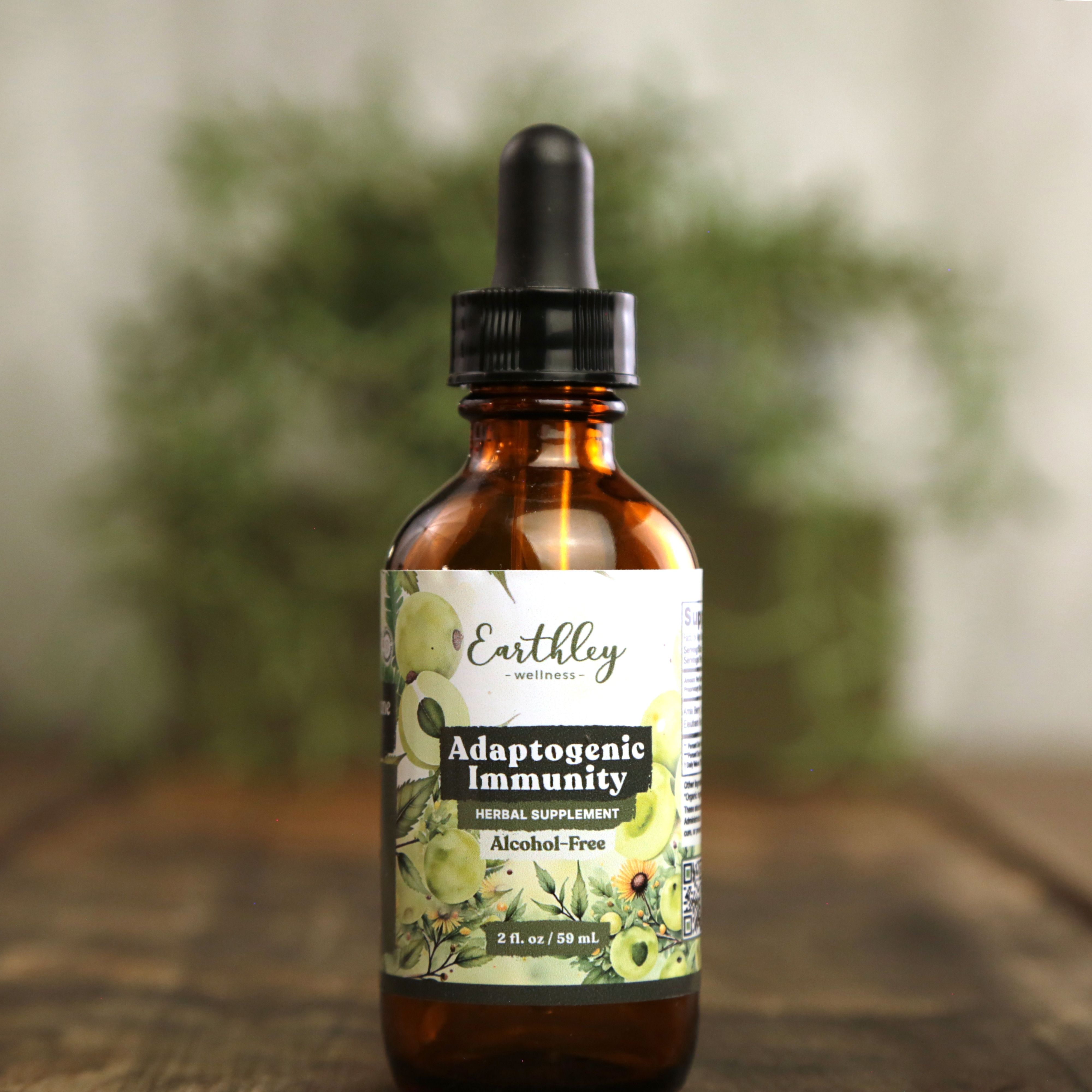
For daily stress and immune support
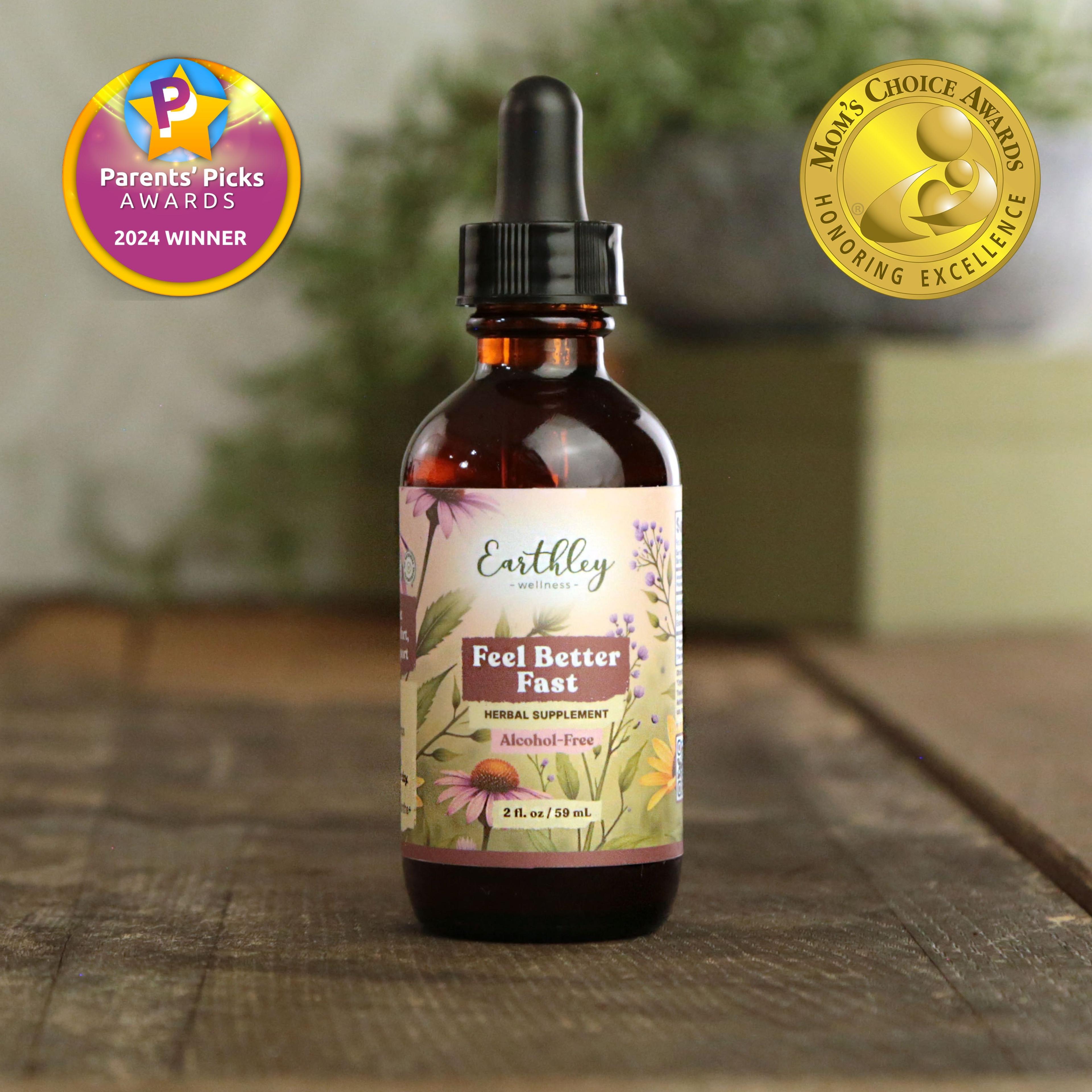
Gentle whole-family support for immunity, digestion, and everyday comfort
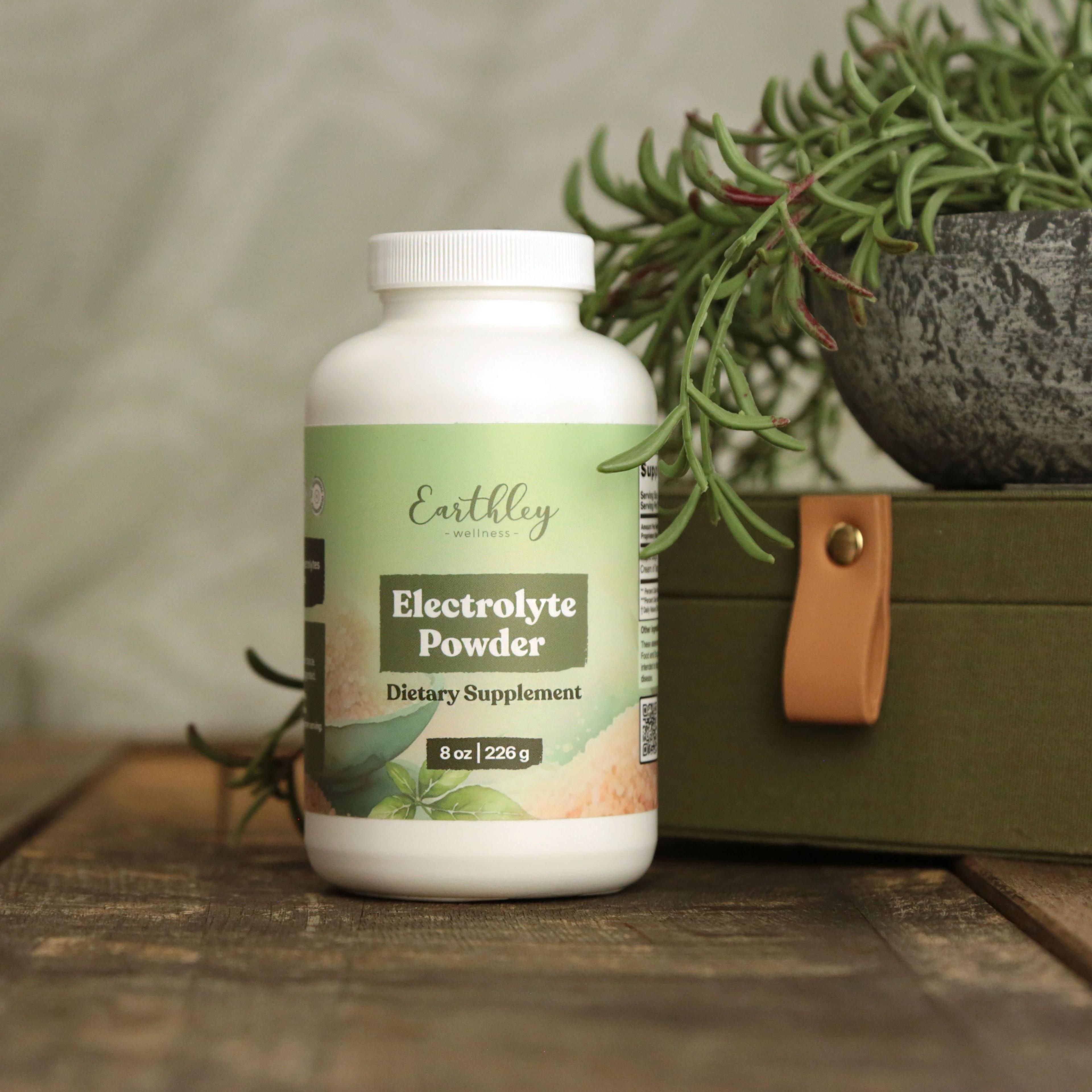
To hydrate with natural electrolytes during endurance or illness

Support your immune system with this delicious soup blend
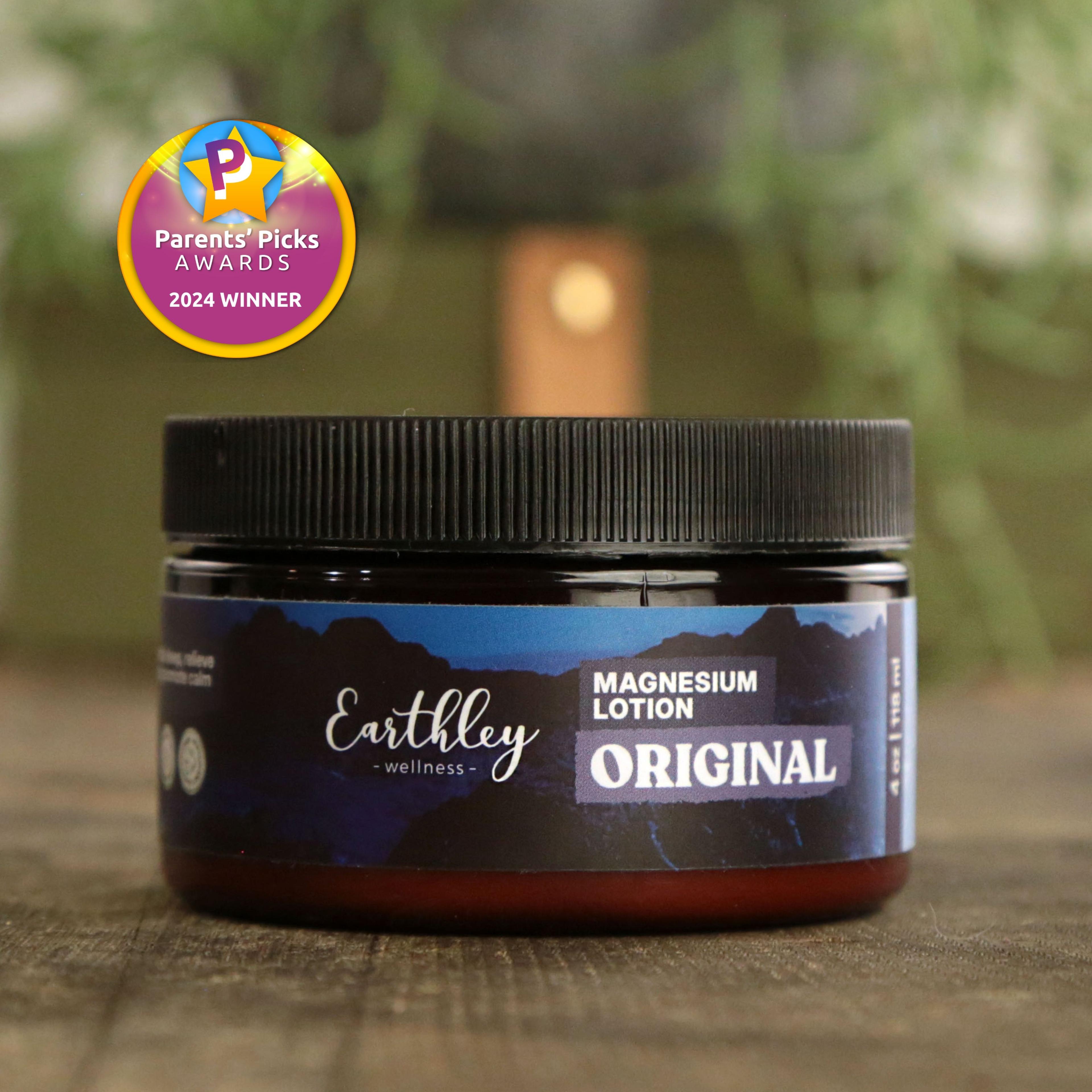
For healthy sleep, muscle soreness, and gut health
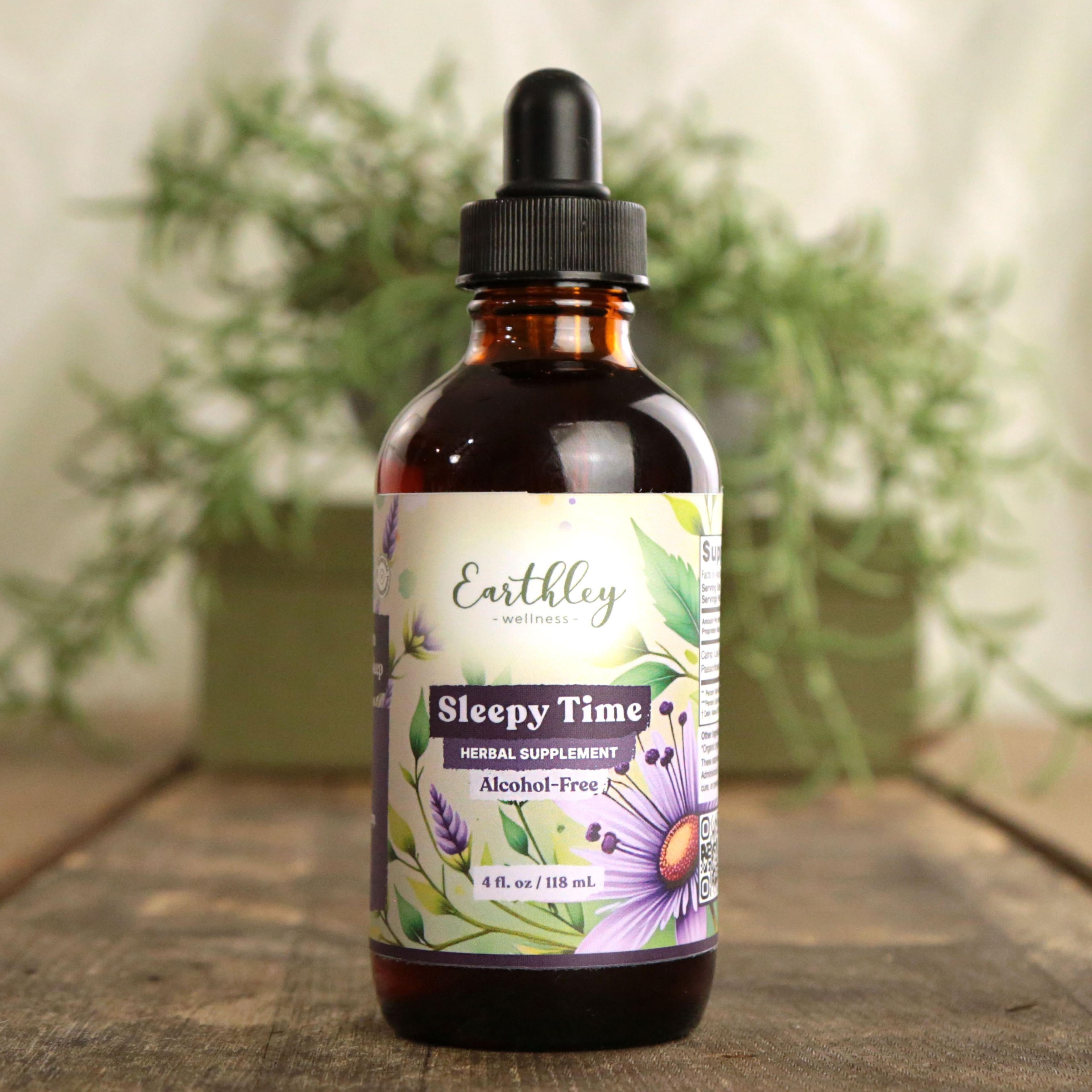
To promote restful sleep
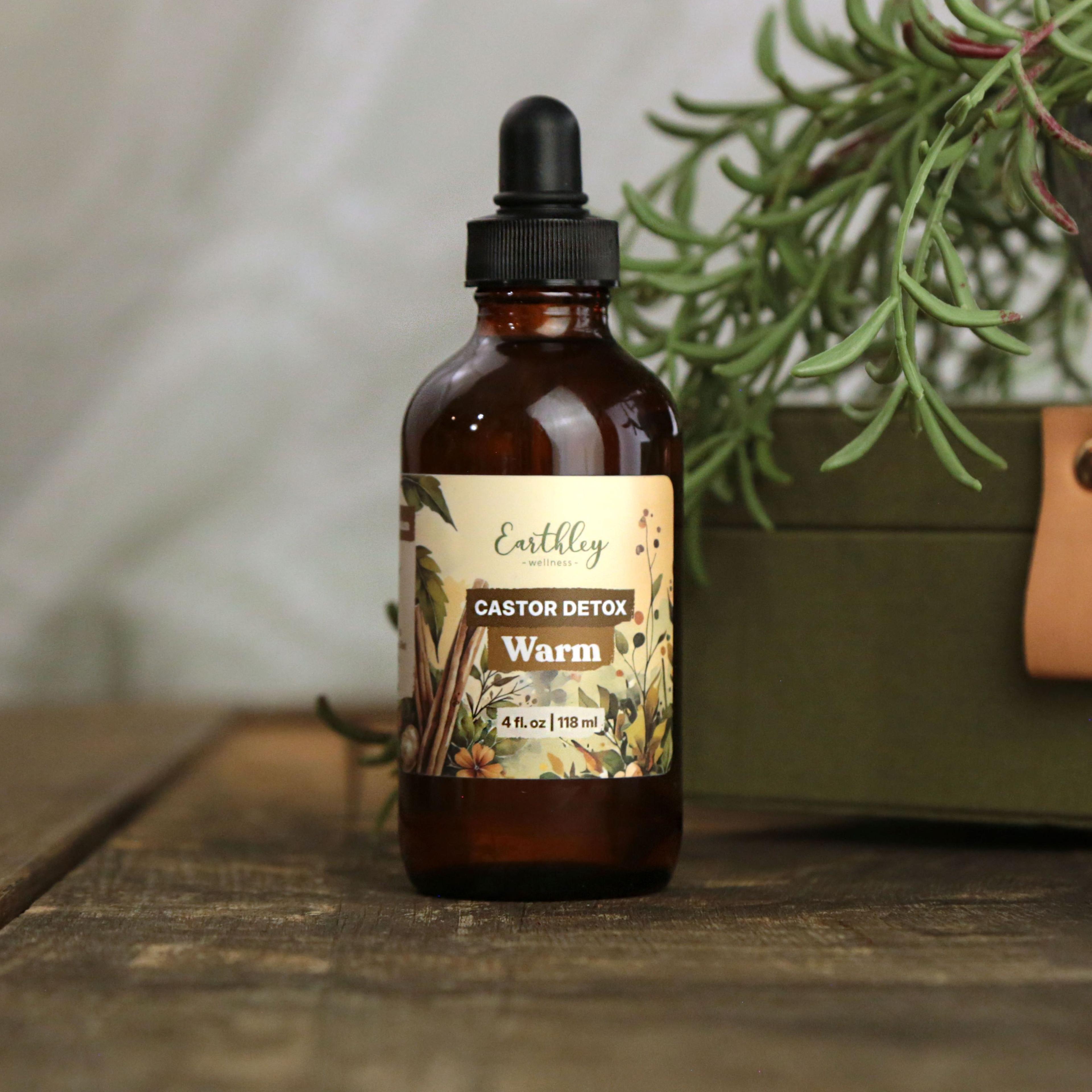
For lymphatic support
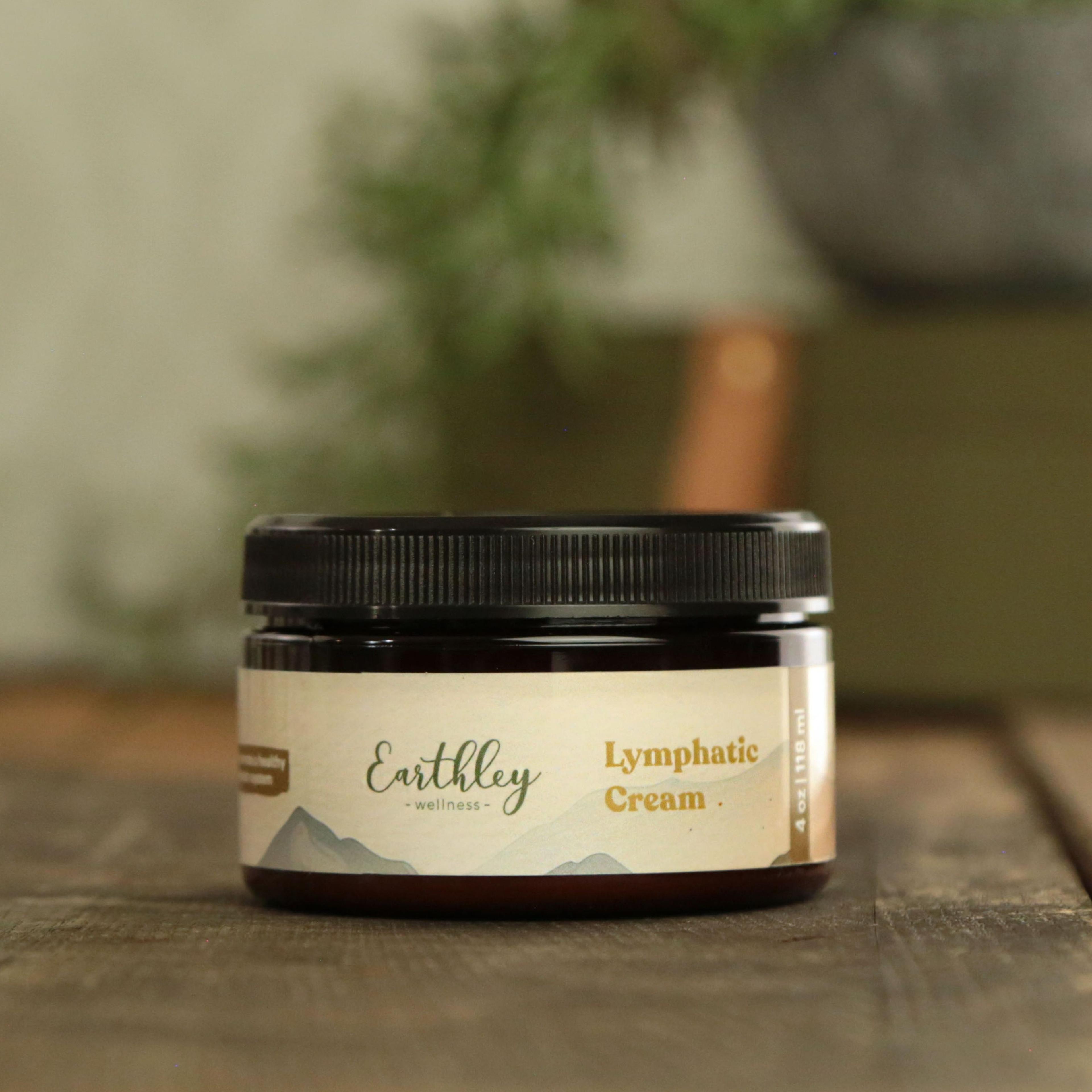
To promote a healthy lymphatic system.
References:
[1] Balli, S., Shumway, K. R., & Sharan, S. (2023). Physiology, Fever. In StatPearls. StatPearls Publishing.
[2] Cleveland Clinic. (2022, March 16). Hypothalamus: What it is, function, conditions & disorders. Cleveland Clinic. https://my.clevelandclinic.org/health/body/22566-hypothalamus
[3] Mayo Clinic Staff. (2021, February 27). Fever — Symptoms & causes. Mayo Clinic. https://www.mayoclinic.org/diseases-conditions/fever/symptoms-causes/syc-20352759
[4] Cleveland Clinic. (2024, April 19). Heat stroke: Symptoms, treatment & recovery. Cleveland Clinic. https://my.clevelandclinic.org/health/diseases/21812-heatstroke
[5] Evans, S. S., Repasky, E. A., & Fisher, D. T. (2015). Fever and the thermal regulation of immunity: the immune system feels the heat. Nature reviews. Immunology, 15(6), 335–349. https://doi.org/10.1038/nri3843
[6] Duff G. W. (1986). Is fever beneficial to the host: a clinical perspective. The Yale journal of biology and medicine, 59(2), 125–130.
[7] Lin, C., Zhang, Y., Zhang, K., Zheng, Y., Lu, L., Chang, H., Yang, H., Yang, Y., Wan, Y., Wang, S., Yuan, M., Yan, Z., Zhang, R., He, Y., Ge, G., Wu, D., & Chen, J. (2019). Fever Promotes T Lymphocyte Trafficking via a Thermal Sensory Pathway Involving Heat Shock Protein 90 and α4 Integrins. Immunity, 50(1), 137–151.e6. https://doi.org/10.1016/j.immuni.2018.11.013
[8] National Institute of Neurological Disorders and Stroke. (n.d.). Febrile seizures. https://www.ninds.nih.gov/health-information/disorders/febrile-seizures
[9] WebMD. (2024, September 25). First aid: Fever treatments for children including sponge baths. WebMD. https://www.webmd.com/first-aid/fever-in-children-treatment
Stay Connected
Get updates and exclusive offers straight to your inbox.