The Difference Between Supporting Your Body and Suppressing Symptoms
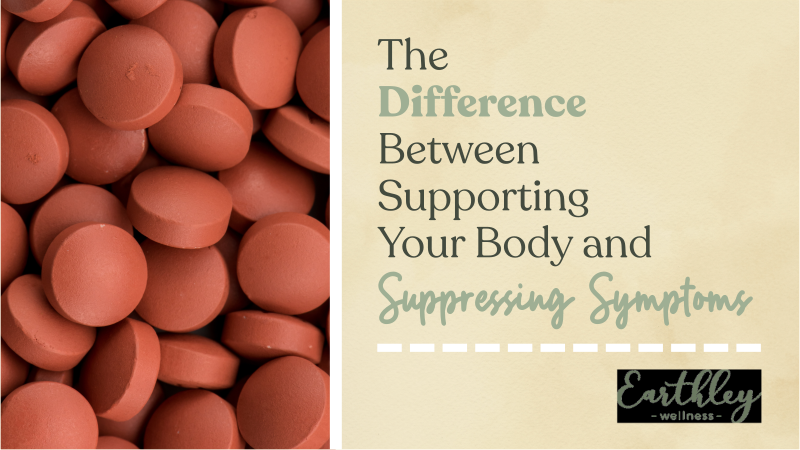
Let’s be honest, most of us, even the most ‘natural-living’ people, have reached for an over-the-counter pain reliever when a headache or cramps hit at the worst possible time. It’s not because we don’t care about our health, it’s because life can be relentless. The bills need paid, the kids need dinner, and the to-do list never ends.
In those moments, stopping to figure out why we’re in pain feels impossible. So, we do what we can to keep going. But here’s the thing: when we constantly mask discomfort instead of understanding it, we’re not solving the problem. We’re just pushing it deeper. Over time, that can lead to bigger health issues that are harder to manage.
What does suppressing symptoms look like?
It isn’t only with unnatural substances that we try to silence our body’s signals either. Even those of us who never touch a pharmaceutical sometimes fall into the same trap with natural remedies. We might dab tea tree oil on breakouts without asking what’s happening inside, or sip peppermint tea for stomach issues without wondering why our gut is upset in the first place. It feels harmless because it’s ‘natural,’ right? But if we’re only masking symptoms, we’re still ignoring the root cause.
Why does it matter? If we can make the issue go away right now, even for a little while and get back to work, why take the time and effort to dig deeper?
When we look at ourselves through a holistic lens, we see that every part of us is connected, kind of like a home built on a strong foundation. If the roof leaks, you can stick a bucket under it for now, but if you never fix the source, the damage spreads. It costs more time, money, and stress down the road.
Our bodies work the same way. That nagging low back ache? Sure, a pain-relief salve might help for now, but it could be your kidneys waving a red flag. And those eczema flare-ups? Ointment may calm them, but they’re really telling you something deeper is off. Ignoring those signals doesn’t make them disappear; it just lets the problem grow.
Sometimes, temporarily quieting symptoms is necessary because let’s be honest, life doesn’t stop just because we’re in pain. If you’ve ever had a toothache so bad you couldn’t sleep, but the dentist can’t see you for four days, you’re going to do something to cope. Maybe you use clove oil to take the edge off until you can get real help. Or if muscle cramps hit so hard you can barely walk, magnesium lotion might be your lifesaver so you can function while you figure out what your body actually needs - like better hydration and electrolytes.
And yes, sometimes allopathic (Western) medicine is exactly what we need and can be lifesaving, especially in emergencies. But when we rely on it long-term just to treat symptoms and not the root cause, we often end up in a cycle of medications and side effects. That approach ignores what’s really going on and can even make things worse over time. This blog dives deeper into allopathic vs. holistic medicine, if you want to learn more.
What does supporting the body look like?
When symptoms show up, it’s our body’s way of telling us something needs attention.
If we pause and listen, we can work with our bodies instead of fighting against them.
Easier said than done, right?
Our quick-fix culture trains us to silence discomfort and keep moving. But here’s the good news: our brains can rewire. We can learn to listen and support our bodies. It just takes practice and patience.
Let’s walk through an example. Let’s say you get a headache. It’s tempting to grab an Ibuprofen and power through the day because that’s what we’ve been taught to do. And yes, it works for awhile. The pain fades, you check off your to-do list, and life goes on. But here’s the catch: even a single dose of an NSAID can come with side effects (1), and if headaches keep coming back, that’s your body waving a big red flag. Something is out of balance.
So, what’s the alternative? Instead of asking, “How do I make this stop?” try asking, “Why is this happening?” That shift in thinking is huge. It might take more time. Yes, life is busy, but what’s more important than protecting our health for the long haul? Supporting our bodies means looking for the root cause, not just silencing the signal. Maybe you’re dehydrated. Maybe stress is through the roof. Maybe your diet needs a tweak. These clues matter and listening to them is how real healing begins.
So, how do we move forward in a way that supports us?
We’ll briefly go over some steps here, and if you’d like to go deeper, this blog explores how to listen to our bodies, and this blog engages the whole family, teaching kids how to listen within!
Simple steps for supporting your body
1. Pause for a moment. Take a deep breath and notice what’s happening in your body. In a world that pushes us to go, go, go, this tiny act is powerful. It interrupts the stress cycle and gives your brain a chance to reset. If you can sneak away to a quiet spot, great. If not, do it right where you are. Even a few seconds counts.
2. Listen. What’s your body saying? If it’s a headache, notice the details. Is it throbbing, tightness, or pressure? Then ask yourself, ‘What do I need?’ Not in a judgmental way, but like you’d ask a friend or your child.
3. Look for clues. Keep listening. Are there other clues? Jaw clenching? Chest tightness? Hunger or thirst? Sometimes the fix is simple. Take a drink of water, grab a snack, or take a few deep breaths. Maybe your stomach’s upset and that’s causing your head to hurt. Soothing your gut could help both.
And if the pain is too intense to sit still and listen? That’s okay. Use a natural helper like Pain Potion to take the edge off, then come back to listening when you can.
Sometimes the pain eases just from pausing and breathing. Sometimes the messages are fuzzy and that’s normal. This is a practice, not a one-time thing. The more you do it, the easier it gets. Over time, you’ll start hearing your body’s messages loud and clear.
4. Write it down. As you start listening to your body, patterns will begin to emerge—and that’s where a symptom journal can be a game-changer. It doesn’t have to be fancy; even a simple notebook works. Jot down things like:
- When symptoms show up (time of day matters!)
- What you ate or drank that day and the day before
- Any supplements or medications you took
- Activities you did—workouts, errands, even stressful meetings
- Physical sensations you notice (tight shoulders, bloating, fatigue)
- Recent emotional stressors—because yes, they count
This record isn’t just for you. It can be incredibly helpful if you decide to work with a holistic practitioner later. Our bodies are complex, and sometimes we need extra support to connect the dots. Naturopaths, herbalists, and integrative doctors all look at the whole picture, not just isolated symptoms. And your journal gives them a head start.
Be easy with yourself. This is a practice.
Making the shift from suppressing symptoms to truly supporting our bodies isn’t something that happens overnight. It’s a process. It takes patience, curiosity, and a lot of grace for ourselves along the way. Every time we choose to pause and ask “why?” instead of “how do I make this stop?” we’re building a new habit that serves our long-term health.
Start small. Maybe next time a headache hits, you reach for a natural helper like Pain Potion instead of Ibuprofen—and when the pain eases, you take a moment to listen. What might your body be asking for? Hydration? Rest? A break from stress? And if you’re caught at work without your usual remedies and you accept that pain reliever from a coworker, that’s okay too. This isn’t about perfection, it’s about progress.
Every step toward listening and supporting our bodies matters. Even one mindful breath is a win. Over time, these small choices add up to a lifestyle that feels more balanced and empowering. You’ll start noticing patterns, understanding your body’s signals, and responding in ways that promote real healing, not just temporary relief.
So give yourself permission to learn, to experiment, and to forgive the missteps. Health is a journey, and we’re all walking it together. Start with one breath, one question, one choice and let that be enough for today.
Disclaimer - This blog post is provided for educational and informational purposes only and does not constitute providing medical advice or professional services and its statements have not been evaluated by the FDA. The information provided should not be used for diagnosing or treating a health problem or disease. Always seek the advice of a qualified health care provider regarding a specific medical condition.
Check out these products!

Gentle herbal comfort for teething babies and sensitive teeth

For healthy sleep, muscle soreness, and gut health
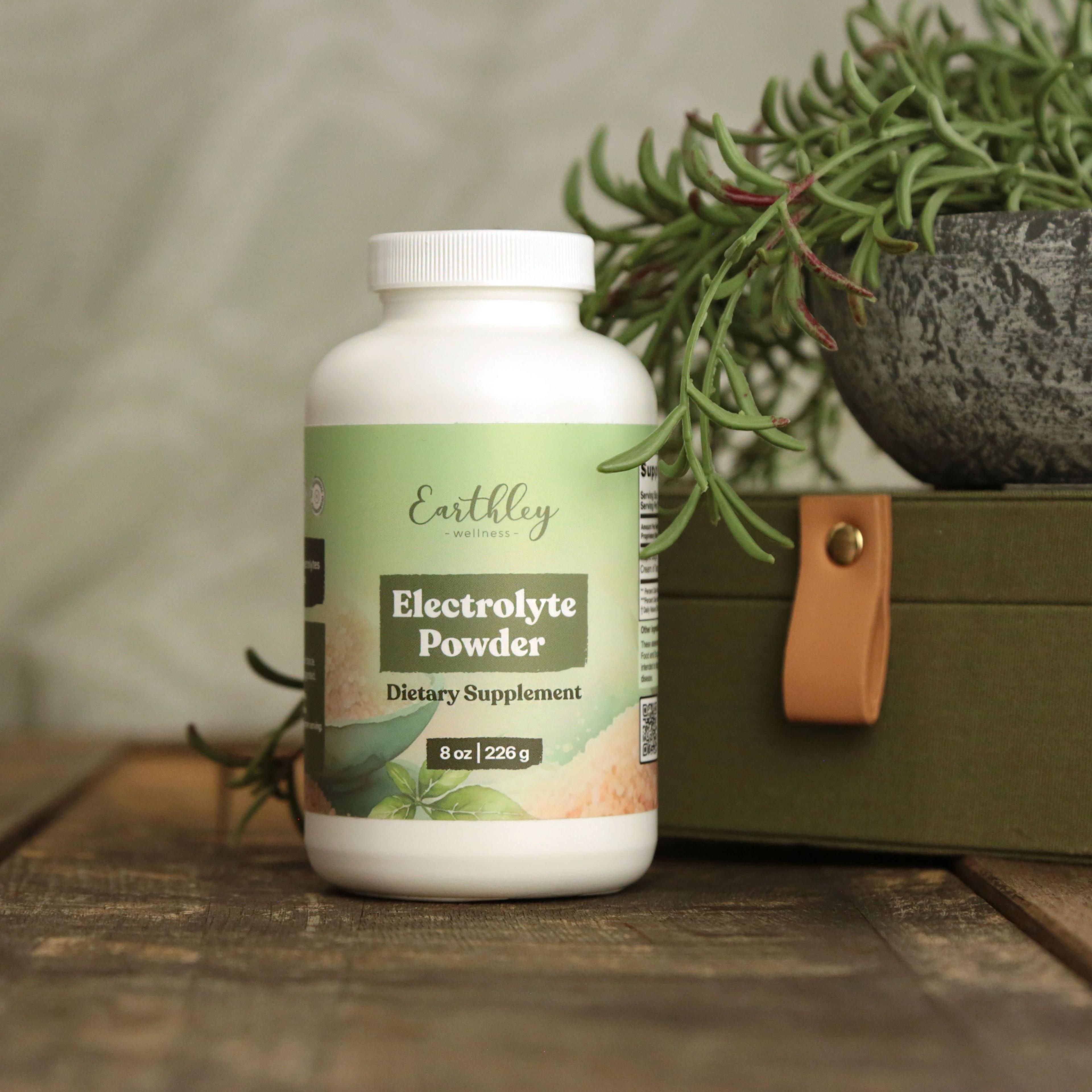
To hydrate with natural electrolytes during endurance or illness
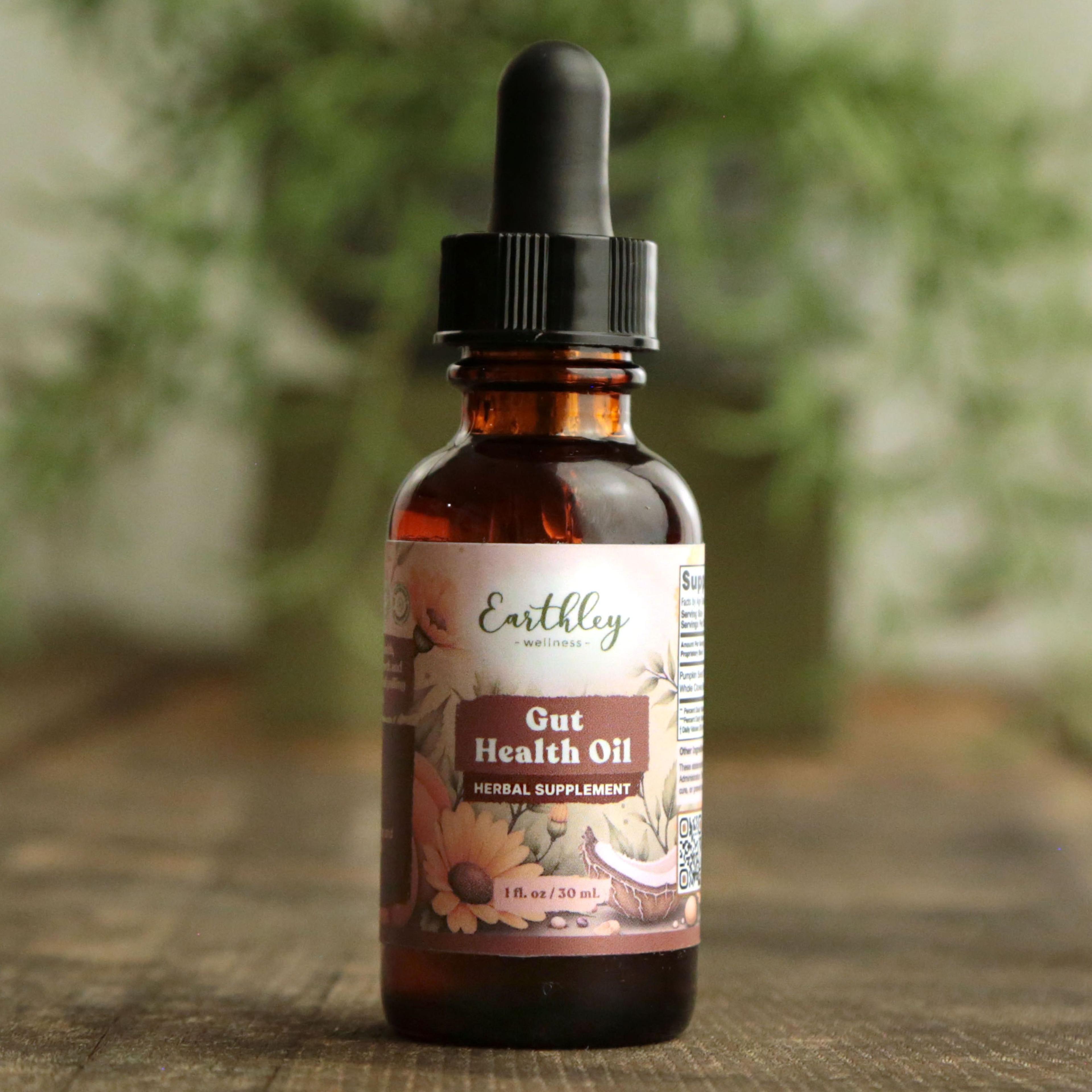
Supports digestive health and helps maintain a balanced microbial environment. Supports oral hygiene.

Relieve pain naturally, including headaches


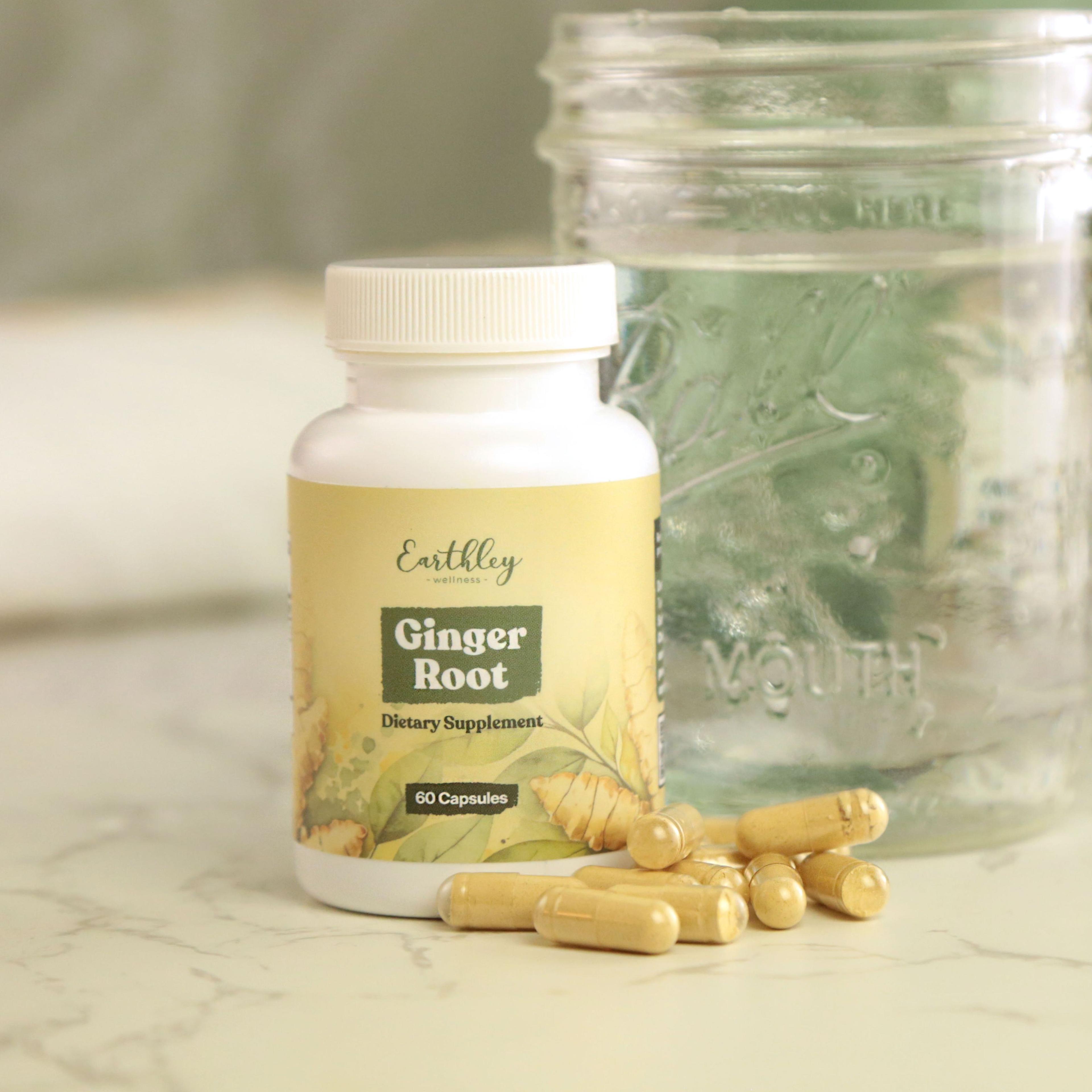
Relieves occasional nausea and promotes normal inflammatory response
Sources:
1 https://www.drugs.com/sfx/ibuprofen-side-effects.html
Stay Connected
Get updates and exclusive offers straight to your inbox.