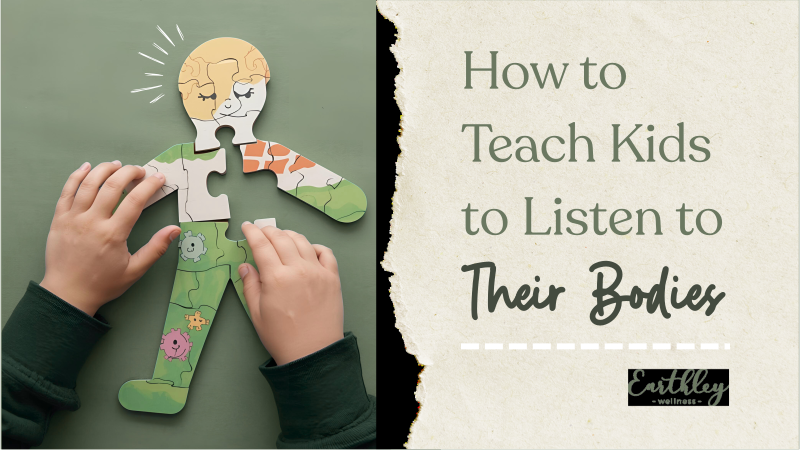
How to Teach Kids to Listen to Their Bodies
The modern world moves fast... too fast for little hearts and growing bodies to always keep up. Between busy schedules, glowing screens, and constant noise, our children are often told to ignore what their bodies are saying. “You’re fine.” “Stop crying.” “Just eat.” “You don’t need a break.”
But when we quiet those inner signals long enough, we start to lose connection with one of the most important relationships we’ll ever have, the one with our own body.
As natural-minded parents, we know that wellness isn’t just what we eat or which herbs we use. It’s also learning to listen... to tune in to the whispers of our body before they become shouts. Helping our children grow up with that awareness means giving them lifelong tools for balance, peace, and resilience.
So instead of teaching them to control or silence their bodies, let’s help them understand, listen, and respond with care.
The Disconnect in a Modern World
Between notifications, busy schedules, and highly-processed everything, it’s easy for our kids to become disconnected from their body’s wisdom. We live in a world that celebrates productivity but forgets presence, and that starts young.
Children are often told to push through their feelings, to behave rather than to understand what they’re feeling. But what if we stopped trying to control the signals their bodies send and instead taught them how to listen?
When a child learns to pay attention to their body’s messages... hunger, thirst, tiredness, restlessness, or even sadness... they begin to develop deep self-awareness. They grow confident, compassionate, and capable of caring for themselves in the most natural way possible.
Model Body Awareness Yourself
Children learn best by watching, not by being told. The way you respond to your own needs sets the tone for how they’ll respond to theirs.
Try narrating your inner awareness out loud. Let them see what mindful self-care looks like in action:
- “I’m feeling overstimulated by all the noise right now. I’m going to find a quiet spot for a few minutes.”
- “My body feels thirsty; I think I need a big glass of water.”
- “My shoulders are tight. I’m going to stretch and take a few deep breaths.”
These gentle statements teach your children that it’s normal to notice how you feel and to respond kindly. It shows them that listening to your body is strength, not weakness.
And mama, it’s okay to rest. If we never slow down, our children will think that overdrive until burnout is just the way life works. Taking time for herbal tea, a walk, or five quiet minutes isn’t selfish. It shows your family what true balance looks like.
Build a Body Awareness Vocabulary
You can’t express what you don’t have words for. Helping children name sensations and emotions gives them the language they need to understand themselves.
Start by introducing words beyond “good” and “bad.” For example:
- Head: light, heavy, dizzy, tight, clear
- Stomach: full, empty, fluttery, bubbly, calm
- Muscles: tired, tight, strong, sore, relaxed
- Heart/Emotions: happy, sad, nervous, warm, tight, peaceful
You can even create a “body weather chart” a playful way for kids to check in.
My head feels _______
My heart feels _______
My stomach feels _______
My body feels _______
List sensations underneath each. Encourage your child to “check the weather” in their body a few times a day... maybe after meals or before bed.
Over time, this builds emotional intelligence and helps them see sensations as messages, not problems.
Create a Doable Daily Rhythm
A child who lives in constant chaos has little space to listen inwardly. Rhythm, not a strict schedule, but a predictable flow gives kids a sense of safety and calm.
Try something like this:
- Morning: Movement or fresh air
- Midday: Quiet rest, reading, or imaginative play
- Afternoon: Outdoor time, creative work, or unstructured play
- Evening: Soft light, herbal tea, and winding down
The key is having moments of being, not just doing. Downtime isn’t wasted time, it’s when children process the world around them.
Let Your Family’s Rhythm Reflect Nature
Nature doesn’t rush, and neither should we. Let your family’s rhythm mirror the natural flow of sunrise and sunset, and even the changing seasons.
- Morning: welcome the light — open curtains, stretch, breathe deeply.
- Evening: dim the lights, speak softly, prepare the body for rest.
- Winter: allow for more stillness and reflection.
- Summer: embrace activity, sunlight, and adventure.
When we live in rhythm with nature, our bodies — and our children’s bodies — learn what balance truly feels like.
Create Calming Rituals
Herbs and natural rituals can gently teach calm and awareness. Creating intentional “slow moments” helps your children feel grounded and connected.
Try one or two of these simple ideas:
- Afternoon Tea Time: Brew a calming tea like Relax & Unwind while letting your child help pour and stir. Use it as a moment to pause and breathe together.
- Evening Diffusion: Diffuse lavender, cedarwood, or sweet orange essential oil as part of your bedtime routine. The scent signals the body that it’s time to rest.
- Magnesium Lotion Massage: Massage a bit of magnesium lotion into their feet before bed to ease tension and support sleep.
These rituals teach your children how to be calm, not just told to “calm down.” They learn to seek out peace rather than chaos.
Teach Them to Listen to Hunger and Fullness
Body awareness also includes knowing when to eat... and when to stop. Encourage your children to notice what true hunger feels like versus boredom or emotion-based eating.
You might say:
“My stomach feels full — that means I’ve had enough.”
“My body feels empty and grumbly — that means I need to eat.”
And sometimes:
“I notice I want a snack right now, but I’m also feeling sad. Maybe my body is asking for a hug or a break instead.”
Helping your children slow down and check in before eating teaches mindfulness and helps them build a balanced relationship with food and emotions.
Add Daily Check-In Times
Change happens through intention. Choose simple moments throughout the day to pause as a family and check in.
Ask questions like:
“How is your body feeling right now?”
“What do you notice in your heart?”
“What do you need?”
There are no wrong answers. This teaches that feelings and sensations are neutral... not “good” or “bad.” They’re simply the body’s way of communicating.
Acknowledge Feelings, Hold Boundaries with Compassion
One of the most healing shifts we can make as parents is learning to give positives in negative moments.
Instead of shutting down a child’s big feelings with “No” or “Stop,” try acknowledging their emotion first, then holding your boundary with gentleness.
For example:
“I see you’re really upset right now. It’s okay to feel that way. We still can’t have the toy today, but I understand that it’s hard.”
This teaches that all feelings are welcome, but not all behaviors are. It helps children feel seen and safe, even when the answer is “no.”
When we hold space for emotions instead of controlling them, we help our kids learn that their feelings don’t make them bad... they make them human.
Feelings Are Allowed, Behaviors Are a Choice
As your children learn to notice their sensations and emotions, they also begin to see that how they respond is a choice.
You might say:
“It’s okay to feel angry, that’s a real feeling. But we can’t hit. Let’s take a deep breath together instead.”
“You’re frustrated because things didn’t go your way. That’s hard! Let’s talk about what we can do next time.”
When kids see that feelings are safe to express, they learn emotional regulation... one of the greatest gifts we can give them.
Praise the Progress
Every time your child notices or responds kindly to their body’s cues, celebrate it.
“I’m proud of you for taking a drink when you felt thirsty.”
“You said you were tired before you got upset — great job listening to your body!”
And let them hear you celebrate your own awareness too:
“I’m proud of myself for taking a break when I felt overwhelmed.”
When kids see body listening praised and normalized, it becomes second nature.
Putting It All Together
Helping your children listen to their bodies doesn’t require perfection, just presence.
Start small:
- Slow your pace.
- Speak your self-awareness aloud.
- Build rhythm and rest into your days.
- Use herbs, tea, or scent to set the tone for calm.
- Encourage curiosity about sensations.
- Acknowledge emotions before correcting behavior.
- Celebrate every small step toward self-connection.
When your children see you honoring your own needs, they learn to honor theirs.
In Conclusion
In a culture that teaches us to push through, slow down, and listen... that’s where real wellness begins.
When we raise children who know how to hear their body’s whispers, we’re raising a generation that values presence over productivity, intuition over impulse, and balance over burnout.
Every deep breath, every cup of tea, every “How does your body feel right now?” moment matters. Because you’re not just teaching self-awareness... you’re modeling a life of gentleness, connection, and true wellness from the inside out.
Check out these products!

For healthy sleep, muscle soreness, and gut health

Gentle whole-family support for immunity, digestion, and everyday comfort

Gentle herbal comfort for teething babies and sensitive teeth

Promotes balanced mood and focused attention
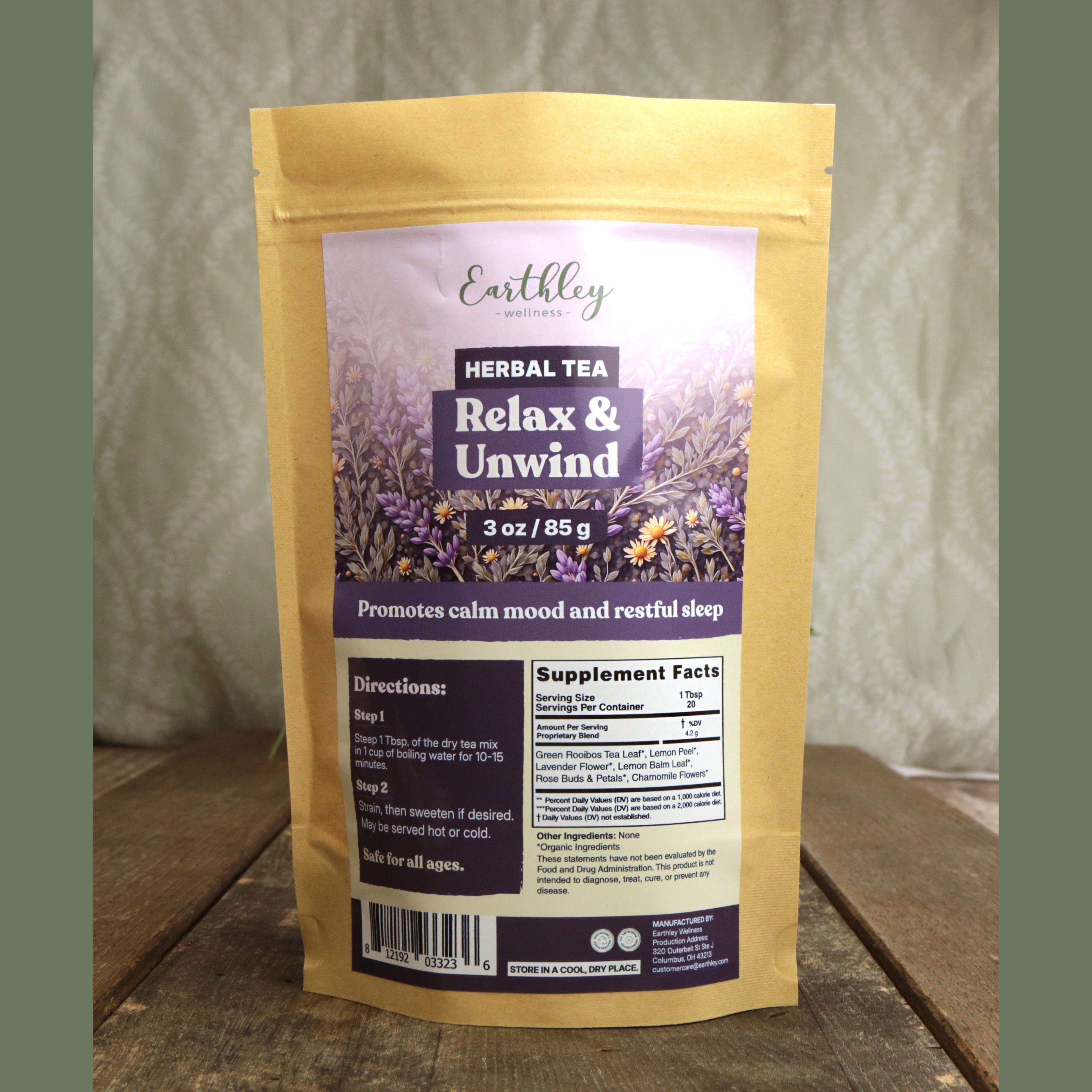
Promotes calm mood and restful sleep

Experience calmer, more balanced mood with this delicious blend
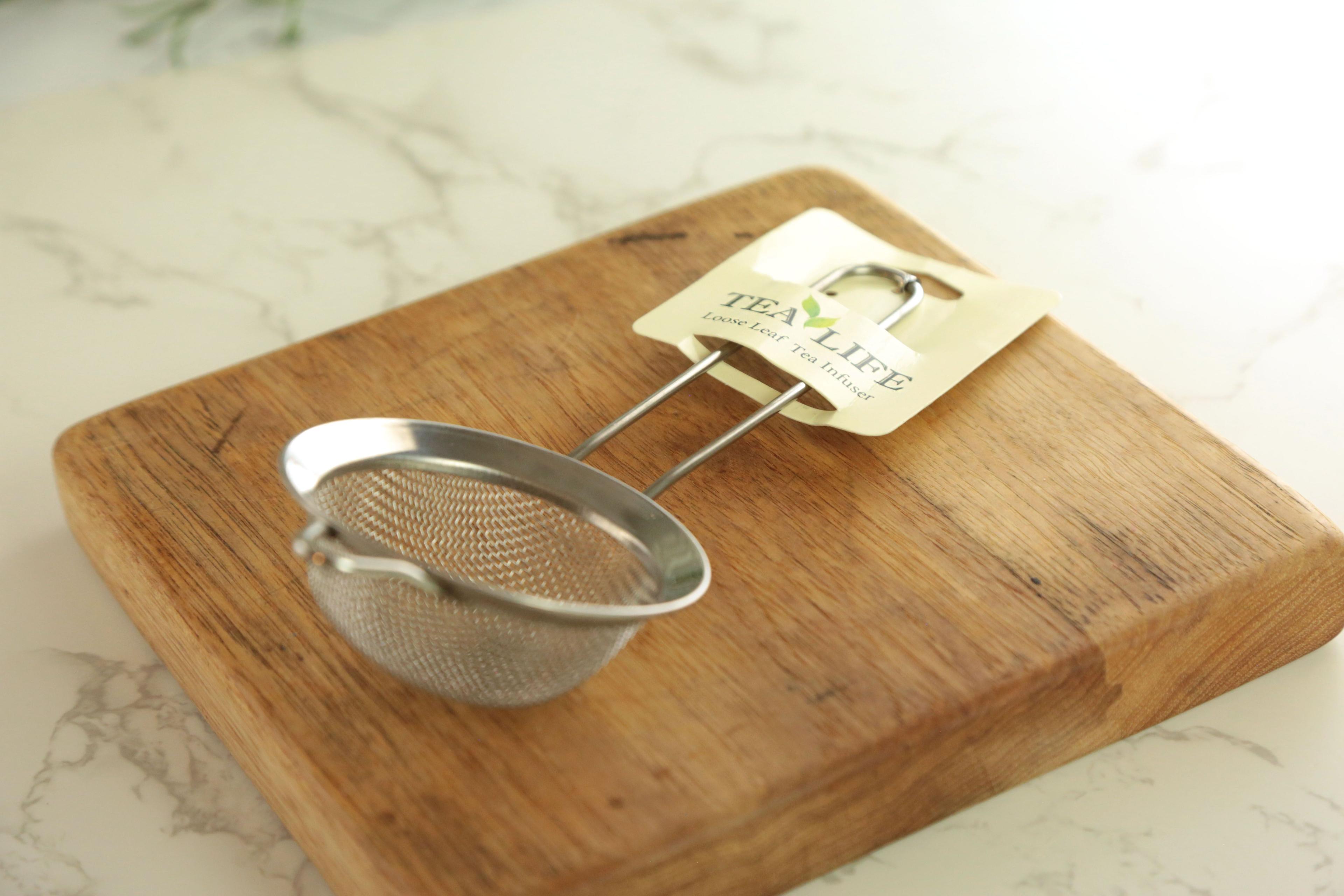
Make your tea even easier to clean up after
Stay Connected
Get updates and exclusive offers straight to your inbox.