Collagen 101
From the smoothie shop to the gym, to our own kitchens, collagen supplements are everywhere! Because our bodies make less of it as we age - and we need it for healthy skin, joints, and bones - many of us are doing what we can to replace it. But do collagen supplements really work? Why do our bodies stop making it if we need it to thrive? And how can we support our bodies’ natural processes of producing it?
Let’s get into it.
What is Collagen?
Collagen is the protein that is the most important building block of our skin, muscles, bones, ligaments, tendons, and other connective tissues. It also supports our organs, blood vessels, and intestines. Some of the behind-the-scenes work it does:
- Replaces dead skin cells and helps new ones grow, so our skin stays fresh and healthy
- Supports a steady heartbeat
- Creates a protective covering for our organs
- Keeps our skin strong and firm
- Helps our blood clot when we get a cut
- Supports flexible joints so we can move with ease
- Renews and repairs our bones (1) (2)
Our bodies make 28 types of collagen, but these are the three you’ll hear about most:
- Type I. Makes up 90% of our collagen and gives structure to our skin, bones, tendons, and ligaments.
- Type II. Found in cartilage, it helps keep our joints cushioned and moving smoothly.
- Type III. Found in muscles, arteries, and organs—helps keep us strong and flexible. (1)
How Do Our Bodies Make It?
Our bodies make collagen by starting with amino acids, which come from the protein we eat. These amino acids link up with Vitamin C and minerals like zinc, copper, and manganese to form collagen’s signature triple-helix structure. Together, they become strong, flexible ropes that support our bodies.
This process happens inside our cells and requires enzymes and energy to keep everything moving. When we eat collagen-rich foods or take supplements, our bodies don’t just absorb collagen whole—they break it down into amino acids first, then use those building blocks wherever they’re most needed. So, supporting our bodies with the right nutrients and good digestion is key to making collagen efficiently.
Do Collagen Supplements Work?
There are so many collagen supplements out there. It can be hard to know what works, what doesn’t, and how to choose. Some people swear by them, but science shows that it’s complicated. When we eat or drink protein, our gut breaks it down into amino acids and sends them wherever our body needs them most, so it’s no guarantee they’ll join back together into collagen. Plus, so many products out there are full of sugar, fillers, and other ingredients that are harmful instead of helpful. (3) (8)
Whether they work or not, we know they don’t work alone. Our bodies need much more support to create collagen, so no matter what, it’s crucial to boost our bodies in other ways.
Why Collagen Declines—and How to Support It
Collagen is essential for healthy skin, joints, and overall vitality, but our bodies naturally produce less of it over time. Several factors speed up this decline, from lifestyle habits to environmental stressors. The good news? We can take steps to support collagen production and protect what we have. Here’s what you need to know:
1. Age
It's natural for our bodies to make less collagen as we get older, starting in our mid-twenties. We usually notice it as wrinkles, but it can also show up as achy joints, sore muscles, or even digestive issues. (1) (5)
2. Nutrition: What We Eat (and Don’t Eat)
Our bodies need the amino acids from protein and the right vitamins and minerals to make collagen. Some of the best foods for minerals and protein are meats, bone broth, shellfish, nuts, whole grains, and beans. And since life is busy and it’s hard to get everything we need from our food alone, supplements like Oyster Min can give us a boost. Citrus fruits, berries, and leafy greens can help deliver the Vitamin C we need, and our Vita C blend brings added reinforcement. (5)
What we don’t eat is just as important. Processed, sugary, greasy foods damage proteins and take a major toll on collagen production. Avoiding them as much as possible is always a win for our health. (1)
3. Hydration
Our bodies depend on hydration to make collagen since water carries the nutrients to our cells so they can keep our skin, joints, and organs happy and healthy. Be sure to drink plenty of water, eat hydrating foods like cucumbers and soups, and replenish with electrolytes. (6)
4. Smoking
Smoking is public enemy number one in the world of collagen. It robs our bodies of oxygen and nutrients, cuts off our blood flow, and generally makes sure we don’t get what we need to thrive. (1)
5. Sun Exposure
We love the sun, and we need it for life, but getting too much of it directly on our skin without protection decreases collagen production and can lead to wrinkles, sunspots, and dry, sagging skin. (1) Natural sun protection like our Sun Shield helps nourish our skin’s healthy relationship with the sun.
6. Stress
Life can be a lot and it’s normal to feel stressed sometimes, but when it goes on for too long, it messes with our hormones—breaking down collagen, causing inflammation, and keeping us from getting the sleep we need. (7) Check out our Stress Less guide for some helpful tips, and if you could use some more support, our Natural Balance herbal blend has your back.
7. Sleep
Our bodies naturally build collagen while we sleep, so getting 7-9 hours of sleep each night is essential. If sleep is something that’s a struggle for you, our Secret to a Good Night’s Sleep might help. And our Sleepy Time tincture can bring some ease to anyone in the family needing a little support getting their Zs.
8. Digestion
A healthy gut is crucial for our bodies to absorb protein and the other nutrients we need to make collagen, so it’s super important to eat fiber-rich fruits and vegetables, probiotic foods like yogurt and sauerkraut, and digestive enzymes. (9) It’s not always easy to get everything our gut needs from our food, so a little help from our herbal allies comes in handy in blends like Digest Support and Digest Ease.
9. Red Light Therapy
Red light therapy is growing in popularity as a natural way to support healthy collagen levels. Research is still ongoing, but many people swear by it, and it’s worth looking into. We wrote Red Light Therapy 101 about it if you’d like to dig a little deeper.
Conclusion
Collagen is important to our health in a lot of ways. Supporting our bodies’ natural processes of making it is a great way to take care of ourselves. And stressing ourselves out trying to look and feel like we’re twenty years old forever is not the answer. Aging is a natural part of life and if we can accept it and keep moving toward it in healthy ways, it can ease some of the pressure and help us feel better.
Let's take a breath, check in with what our bodies need, nourish ourselves and our families the best we can, trust our wellness journey, and remember—we're in this together.
Recommended for You:
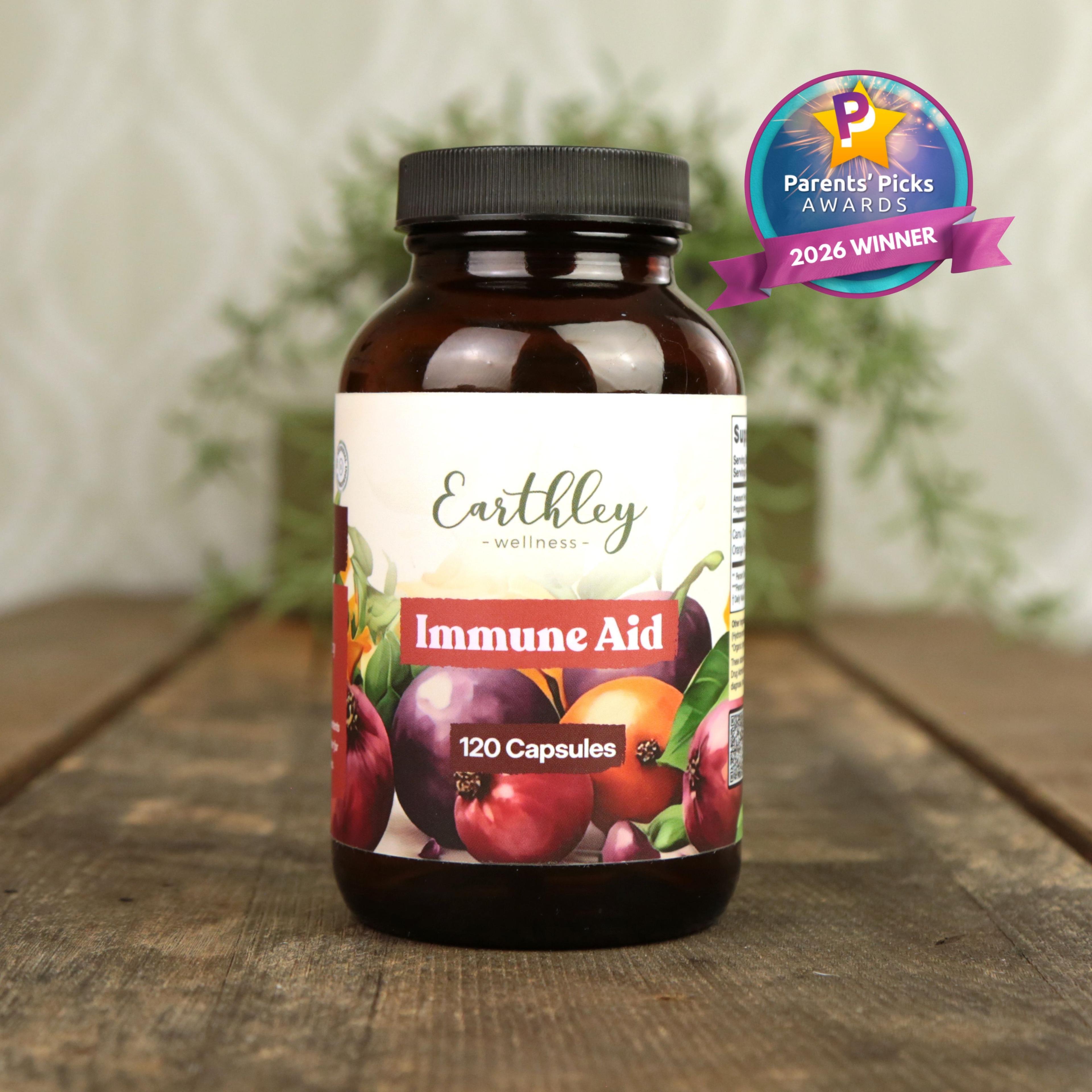
A super food vitamin C source
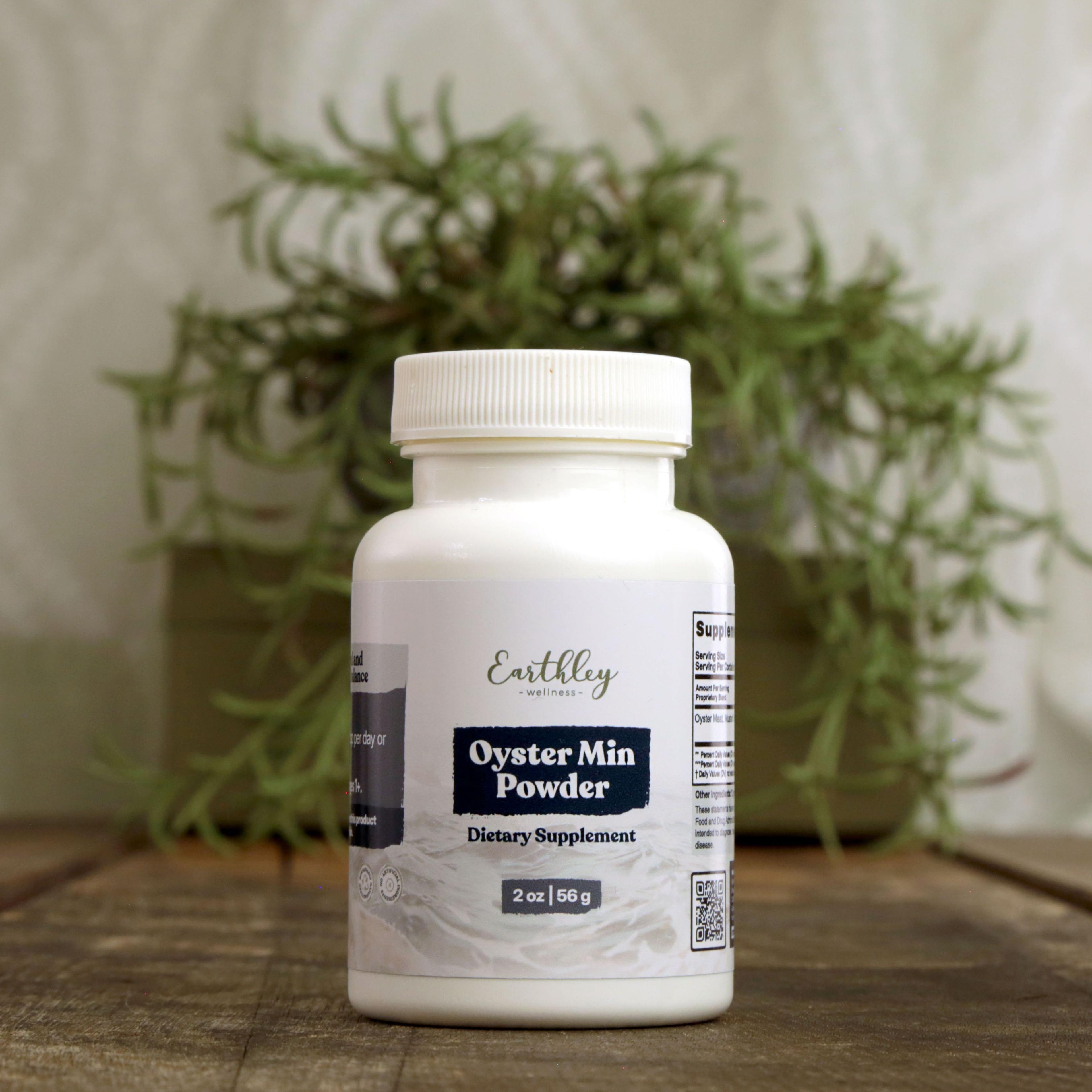
Supports hormone and mineral balance
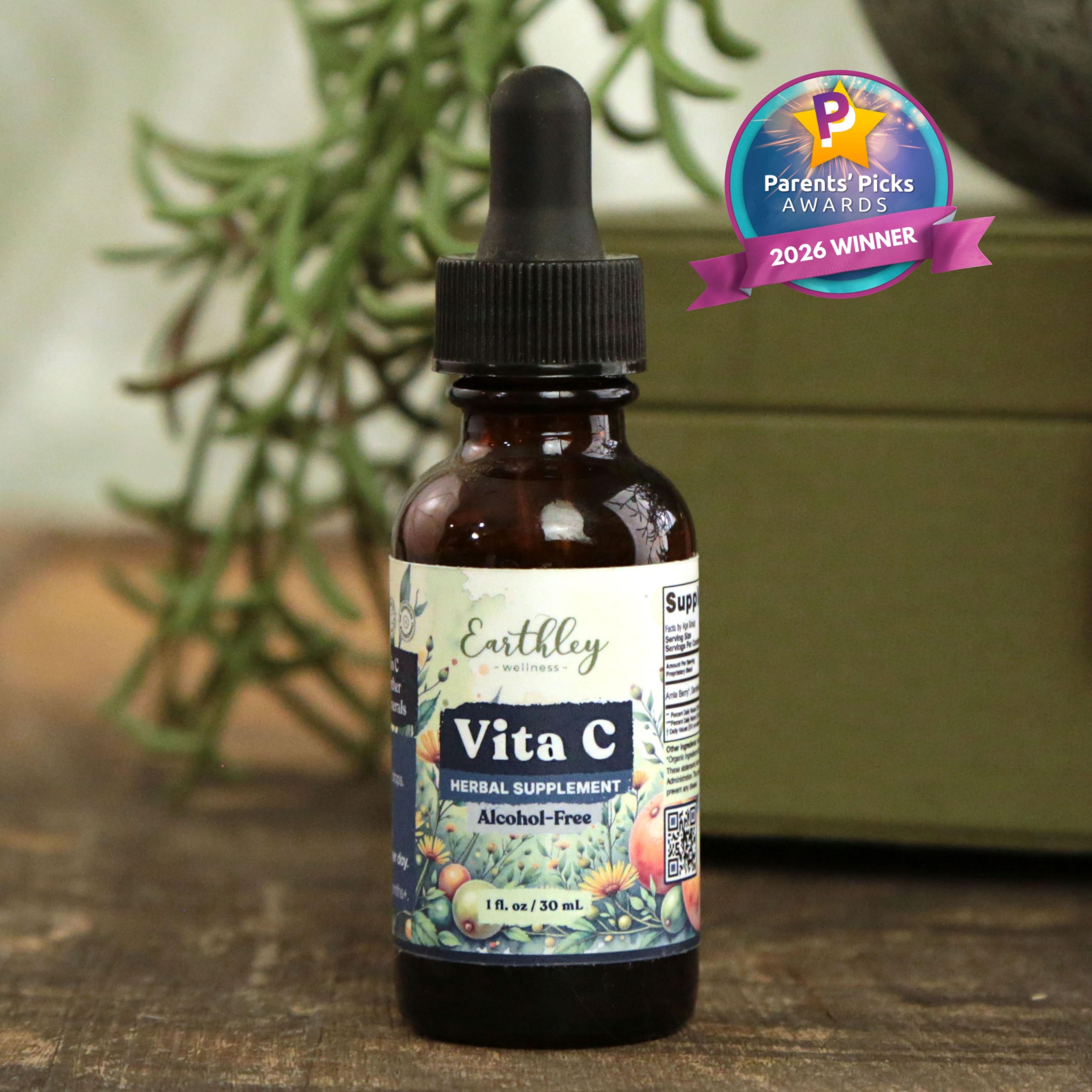
Natural vitamin C complex with other vitamins and minerals
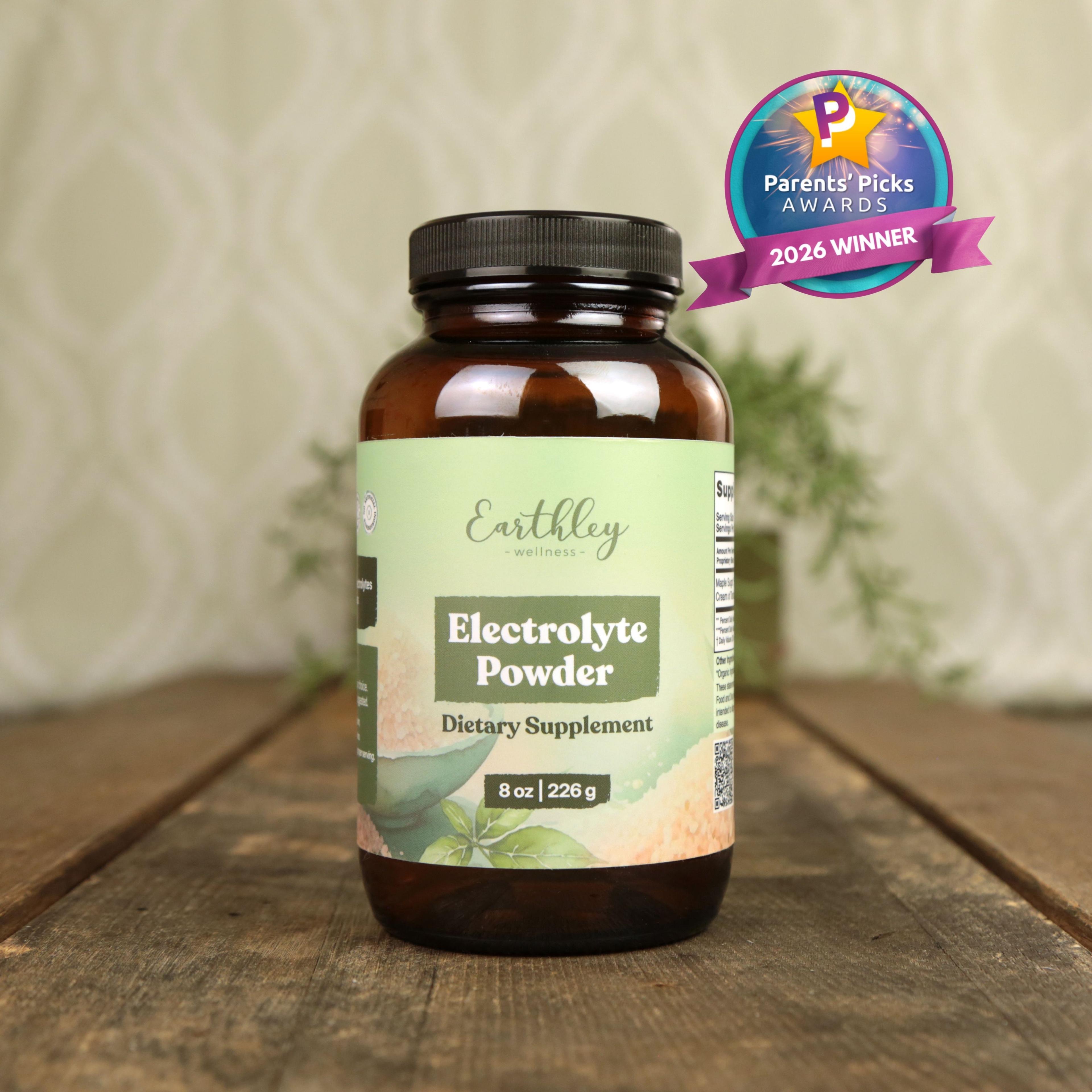
To hydrate with natural electrolytes during endurance or illness
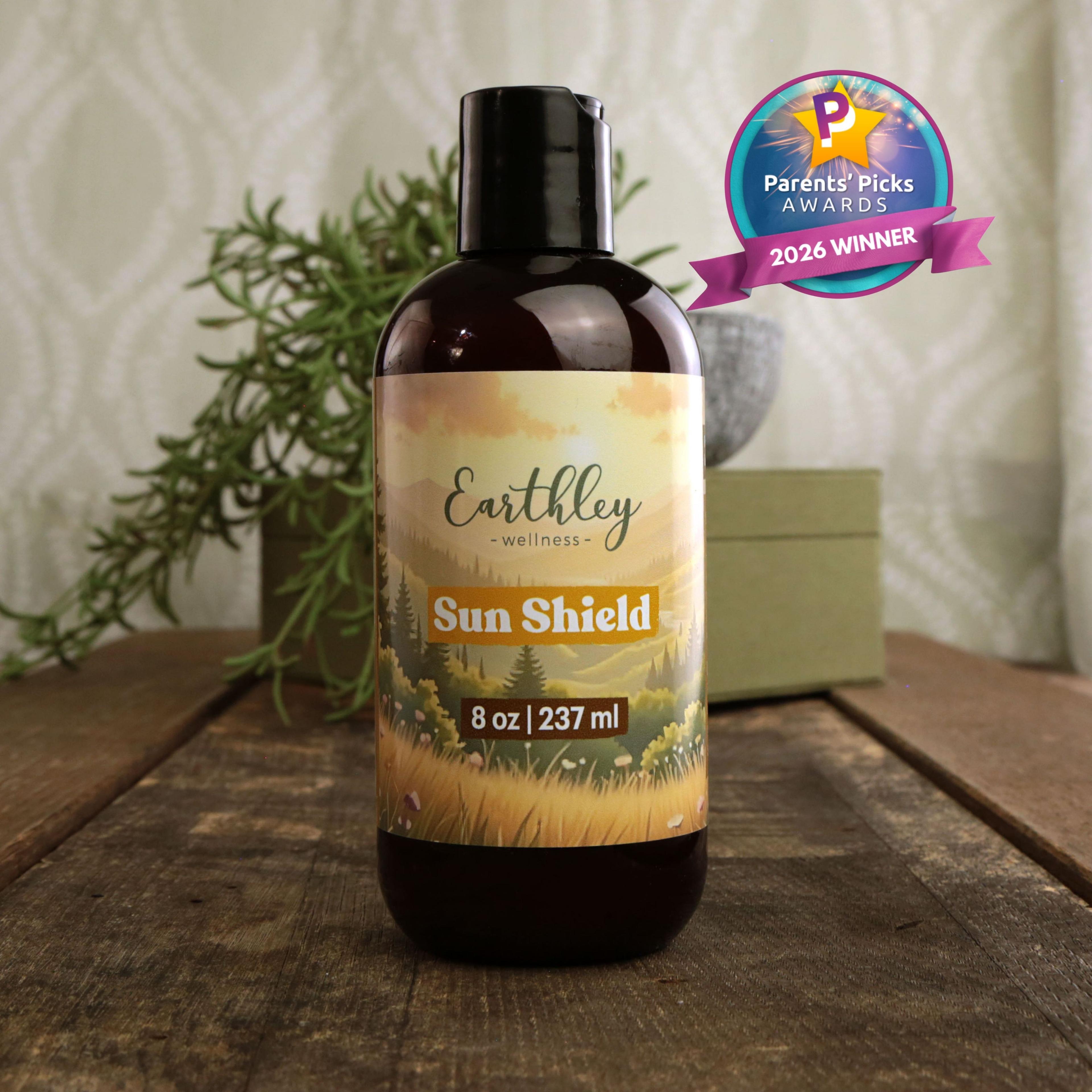
Antioxidant-rich skin support for sunny days
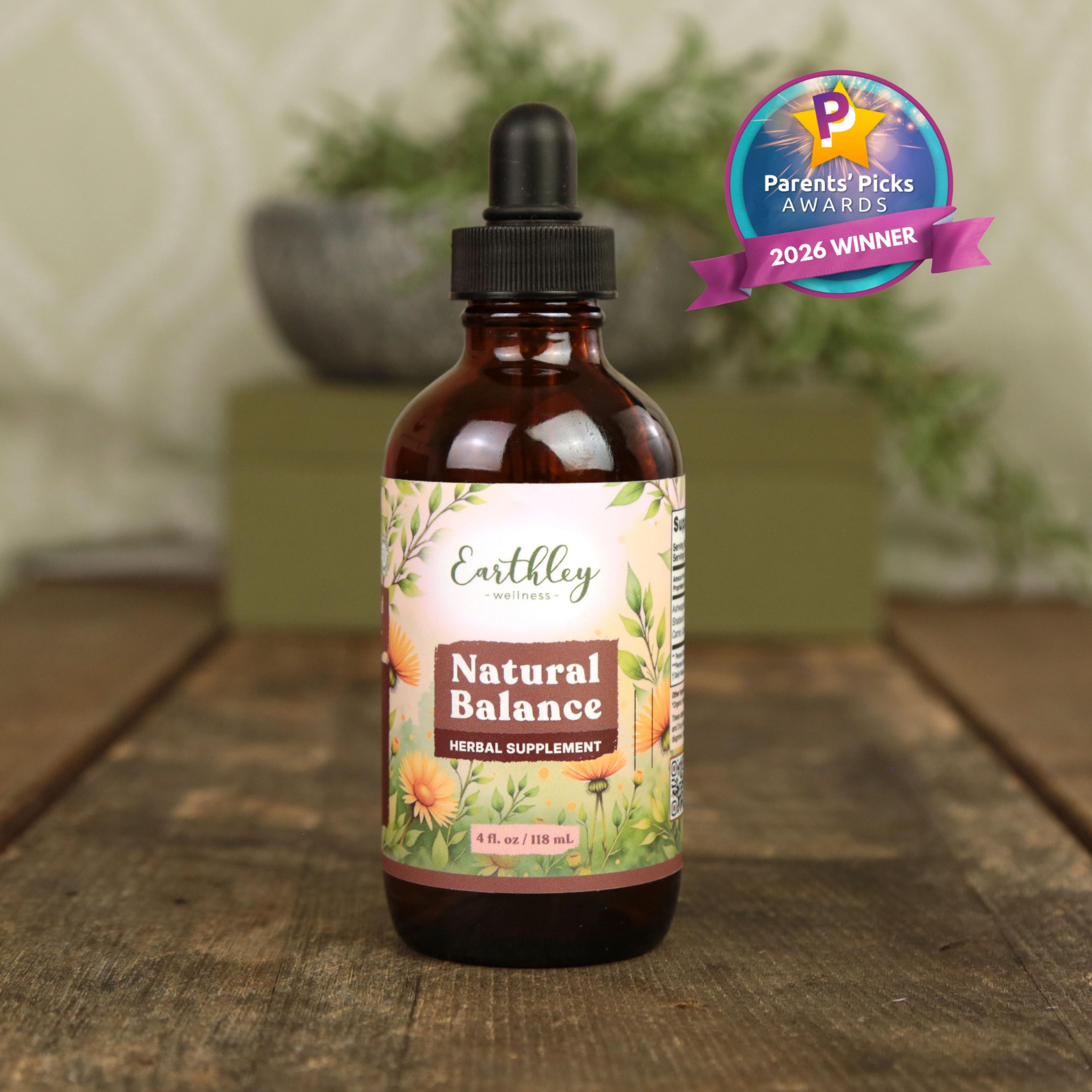
For hormone and energy support.
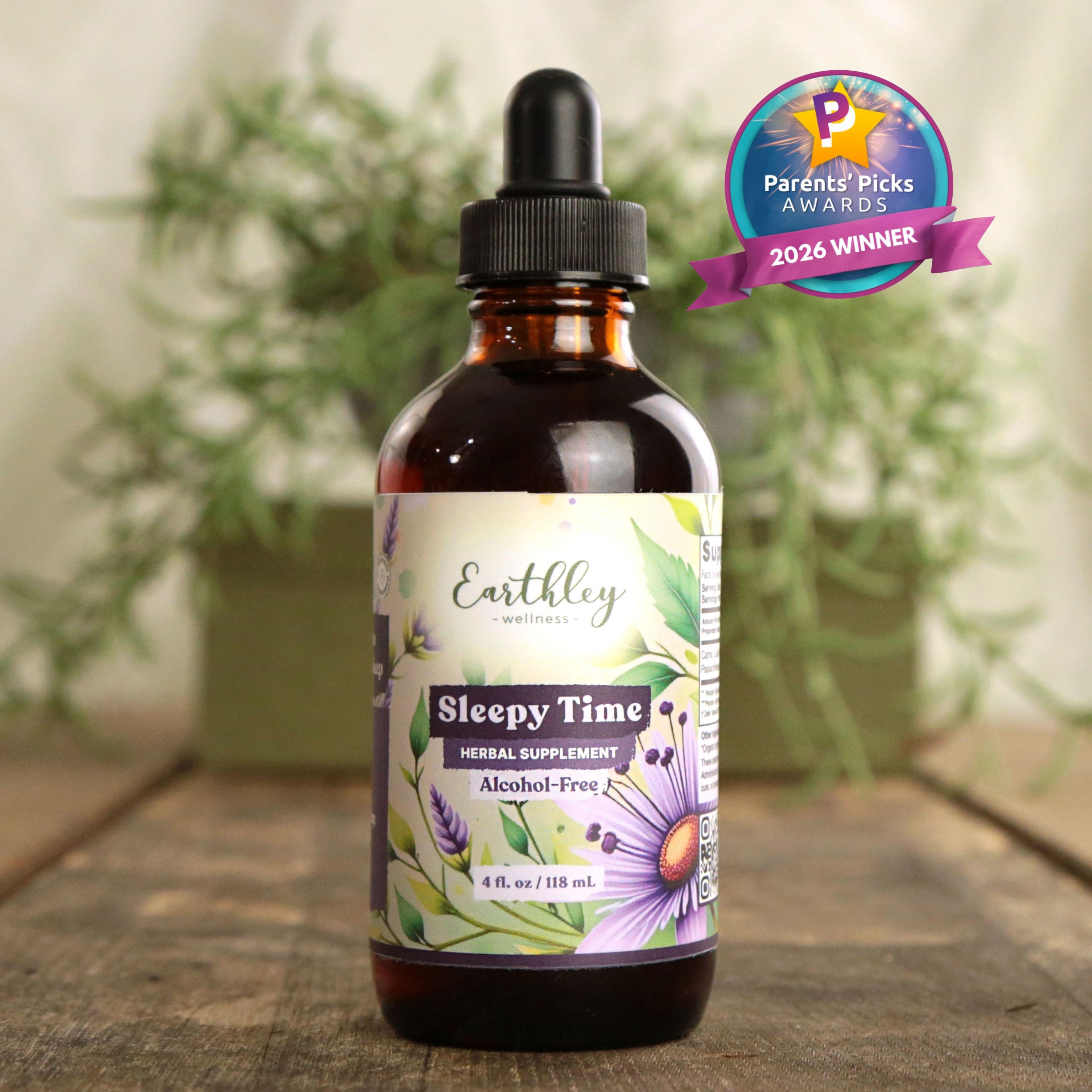
To promote restful sleep
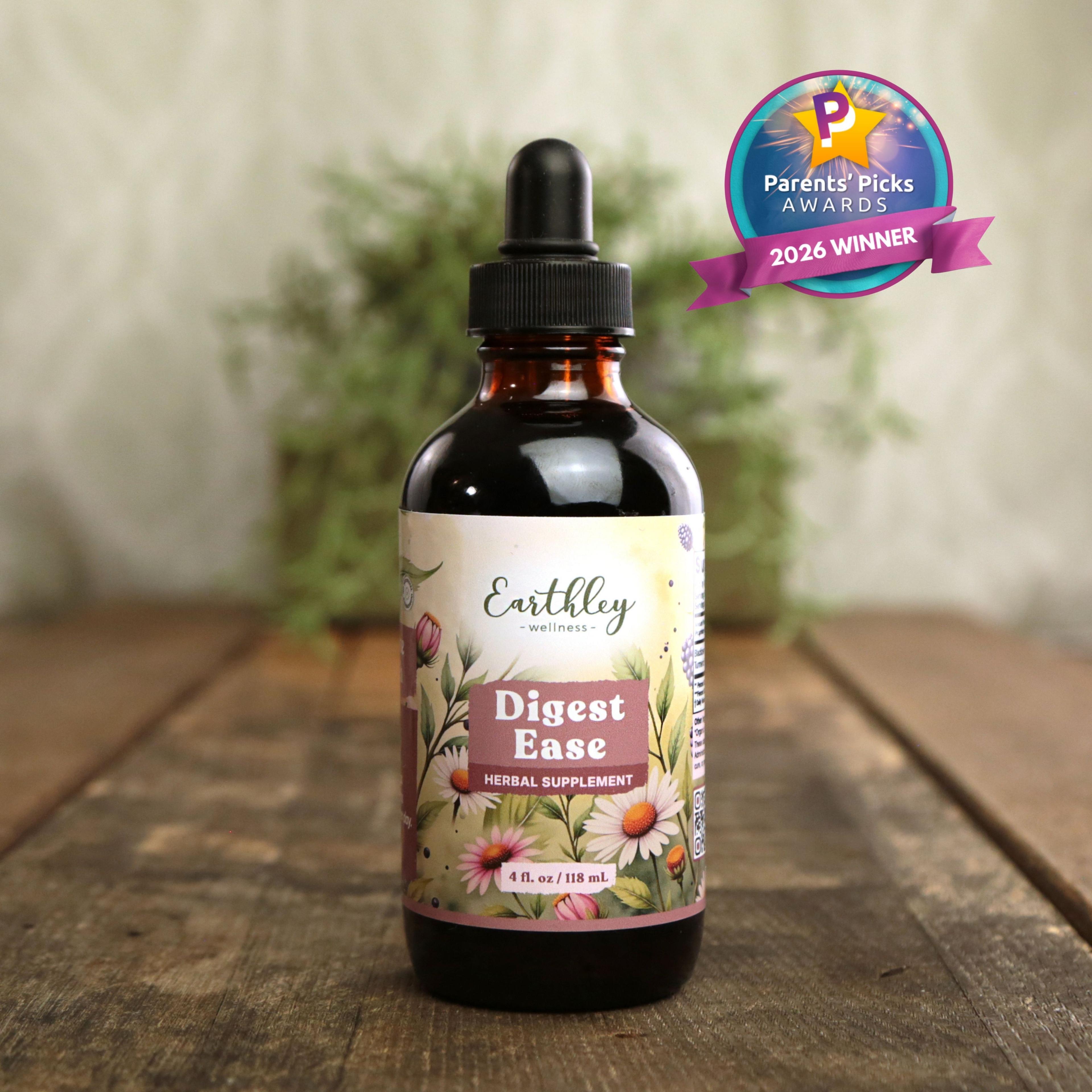
To promote gut health
Sources:
- Collagen: What It Is, Types, Function & Benefits https://my.clevelandclinic.org/health/articles/23089-collagen
- Collagen: Purpose, Benefits, and Where to Get It https://www.verywellhealth.com/collagen-7488601
- Mayo Clinic Q and A: Collagen and biotin supplements - Mayo Clinic News Network https://newsnetwork.mayoclinic.org/discussion/mayo-clinic-q-and-a-collagen-and-biotin-supplements/
- Decreased Collagen Production in Chronologically Aged Skin: Roles of Age-Dependent Alteration in Fibroblast Function and Defective Mechanical Stimulation - PMC https://pmc.ncbi.nlm.nih.gov/articles/PMC1606623/#sec13
- What to Do When Your Collagen Depletes https://www.verywellhealth.com/collagen-supplements-4164818
- Collagen dehydration - ScienceDirect https://www.sciencedirect.com/science/article/pii/S0141813022013939
- How Stress Accelerates Ageing and 5 Ways to Reverse It https://www.drjenni.co.uk/how-stress-accelerates-ageing-and-5-ways-to-reverse-it/
- Collagen supplements: The secret to perfect skin, or marketing hype? https://www.bbc.com/future/article/20250214-do-collagen-supplements-work
- Gastroenterology Collagen Absorption Insights - Gastro SB https://www.gastrosb.com/understanding-the-absorption-of-ingested-collagen-insights-from-a-gastroenterologist
Stay Connected
Get updates and exclusive offers straight to your inbox.