Red Light Therapy 101
What if you could give your skin a little extra care, support your body’s natural recovery, and even brighten your day, all with light?
You may have heard about red light therapy, and while it’s often associated with skincare, it’s being explored for a variety of general wellness purposes. Researchers are still learning more about how it works, but many people find it a supportive addition to their self-care routine. (1)
What is Red Light Therapy?
Red light therapy beams red light into the skin to help our cells and blood function better. Red light is considered “low energy” light because it has lower energy than other visible light like violet or blue. Since red light reaches deeper into our skin than higher-energy light, it can help with things like improving skin health and supporting wound healing. (1) (2)
Red light therapy usually pairs red light with near-infrared light. The near-infrared wavelengths can reach even deeper into your body, which is why they’re great for things like easing muscle and joint discomfort. When these two types of light work together, the process is called photobiomodulation (PBMT). Although there are plenty of red therapy devices for use at home, PBMT usually refers to professional treatments with medical-grade tools. (3) (4) (5)
How Red Light Works in the Body
Think of your cells as tiny factories. Inside each one is a little power plant called the mitochondria. Their job? To make energy for your body. They do this by creating something called ATP, which is basically our body’s energy currency. Just like money lets us buy things, ATP gives our cells the power to do their work—repairing skin, boosting collagen, improving blood flow, relieving pain, and calming inflammation.
When we use red light therapy, the light reaches deep into our skin and gives those mitochondria a boost, helping them make ATP more efficiently. More ATP means our cells have more energy to heal, recover, and keep us feeling our best. And don’t worry—this process doesn’t heat up your skin or tan you. There’s no UV light involved, just gentle red and near-infrared light doing their job. (3) (7)
Common Reasons People Explore Red Light Therapy
(and some Earthley goodness you might enjoy alongside your routine)
- Supporting skin's natural recovery. Paired with Arnica Salve for extra TLC.
- Encouraging skin’s natural renewal process for a youthful appearance. Partners perfectly with Rejuvenate Me Serum
- Comforting sensitive, dry, itchy skin. Use with Soothing Skin Balm for gentle care.
- Helping skin feel smooth and nourished. Supported by Deep Healing Skin Serum.
- Maintaining clear, balanced skin. Paired with our Oily Skin Bundle for a full routine.
- Encouraging scalp and hair wellness. Combined with Rosemary Lavender Shampoo Bar for scalp love.
- Providing comfort after activity. With Pain Potion for extra care.
- Supporting healthy inflammatory response. With a little help from our Anti Inflammatory tincture.
- Providing soothing care for trouble spots. With Cold Sore Serum for added protection.
- Supporting brain health. With extra help from our 5 Mushroom Blend.
- Helping muscles feel their best after exercise. Paired with Magic Muscle Ease for workout support.
- Promoting a sense of calm and balance. Pair with Mood Support Tea for cozy care.
- Supporting sleep quality. With help from The Secret to a Good Night’s Sleep guide. (4) (7) (8) (9)
NOTE: It is recommended to use red light with a clean face and apply any oil-based products after your session.
What Matters Most in a Red Light
The most effective red light therapy may come from medical-grade devices used by professionals. But since insurance rarely covers these treatments, most of us are looking for the best at-home options. If you’re dealing with serious skin issues or other health concerns or are taking medications (some create light sensitivity), it’s smart to check in with a healthcare professional before picking out a device. And it’s always a great idea to check in with yourself when making decisions about your health—our How to Listen to Your Body blog is here to help!
Once you’ve decided at-home red light therapy is a good choice for you, some things to consider:
1. Different lights for different purposes.
Red light (620 – 780 nanometers): for skin and hair health.
Near infrared light (780 – 3,000 nanometers): for pain support, healthy inflammatory response, muscle recovery, and brain health.
Many devices combine both red and near-infrared light, so you get the benefits of both in one treatment. (4)
2. What will you use it for?
There are lots of options available—masks, lamps, panels, handheld devices, wraps, blankets, all the way to saunas. If you just want face care, a mask is perfect, but you might want a panel if you’d like to cover more of your body. Handheld devices or wraps can be nice for focusing on specific body parts, blankets can envelope you in whole-body support, and some folks might be ready to take a full immersion into a sauna. (4)
3. EMF
These invisible energy waves are radiating from all our electronic devices—phones, computers, and yes—red light devices. In high amounts, they mess with our bodies on a cellular level and can be counterproductive to red light therapy. It's worth it to find a device labeled “low EMF” or choose a battery-powered option (they produce far less EMF than plug-in devices). (12) (13)
4. Cost and space
Obviously, a sauna is going to cost more and take up more space than a red light wand, but once you’ve decided on the best-sized device for your needs, the range of prices can be overwhelming! Finding a list that objectively compares the various aspects of different brands can be helpful.
5. Auto shut-off
To avoid falling asleep or zoning out and staying in the light for too long, be sure to get a device that has a timer!
6. Clinically tested & objectively reviewed.
Look for products that have been thoroughly tested and reviewed outside the company that made them.
How to Use Red Light Therapy
Be sure to follow the instructions that come with your device. Red light therapy is generally considered safe but using it the right way helps you get the best results and avoid any risks.
General guidelines:
1. Keep your distance.
Depending on what you’re using red light therapy for, your device should have instructions on how far away keep it from your skin. (Although for some—like masks—right on your face is no distance at all!)
2. Time.
How long you use it depends on what you’re using it for, and most devices suggest starting with less time and gradually increasing. Using red light therapy for longer than recommended can end up damaging our skin.
3. Frequency
Same goes for frequency—start with less often until your skin and body adjust.
4. Use goggles
Many devices come with protective goggles. Red and far-infrared light can penetrate through our eyelids, so it’s super important to wear the goggles provided with certain devices to protect our precious eyes and not just rely on closing our eyes.
Conclusion
Red light therapy is an exciting option for folks looking to support their overall wellness and skincare routine. While research is still ongoing, many people enjoy incorporating it as part of their self-care because it’s gentle, non-invasive and easy to use at home. It's not meant to replace other health care, but it may bring a little extra glow to your skin and some added relaxation to your life.
If you decide to try red light therapy, go slow, follow the instructions on the device, and check in with a health care professional first if you have any concerns—especially if you’re taking medications or have light sensitivity. Remember—your wellness journey is about what feels good for you and supports you best.
Disclaimer - This blog post is provided for educational and informational purposes only and does not constitute providing medical advice or professional services and its statements have not been evaluated by the FDA. The information provided should not be used for diagnosing or treating a health problem or disease. Always seek the advice of a qualified health care provider regarding a specific medical condition.
Check out these products!

For sore muscles and bruises

Experience beautiful skin! Fights tired, wrinkled, or dry skin and improves skin's appearance.

For clean, beautiful hair
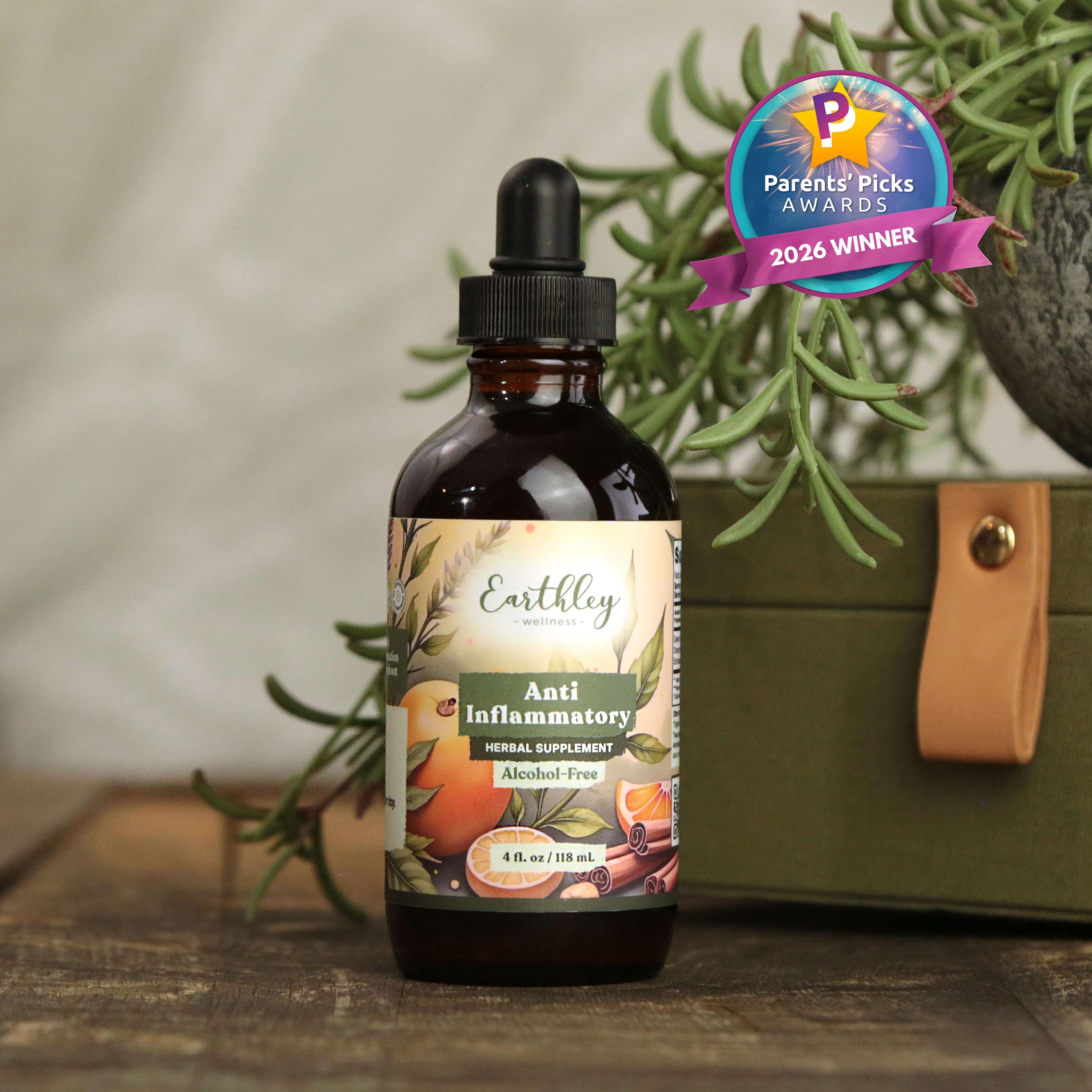
For inflammation

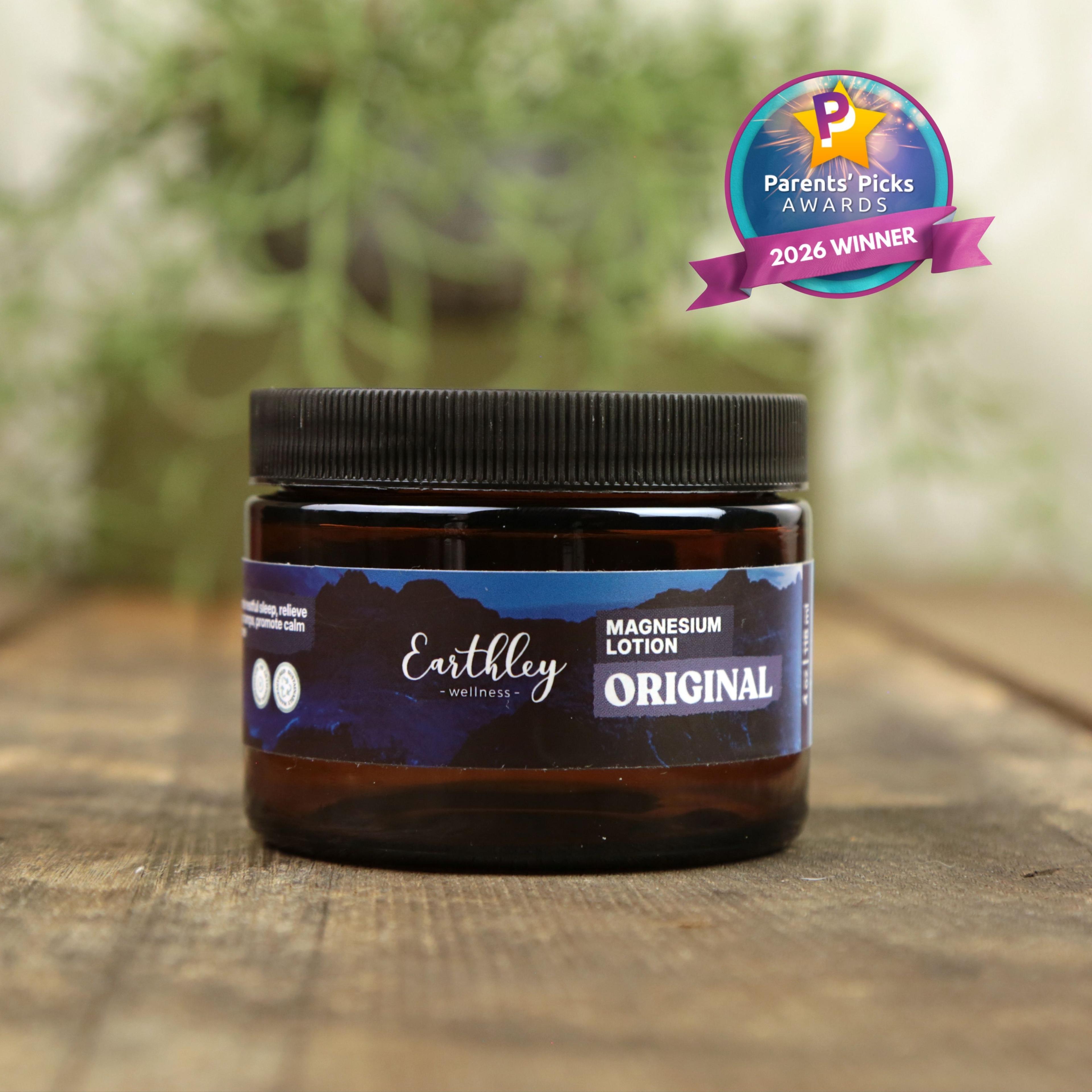
For healthy sleep, muscle soreness, and gut health

To soothe skin

For Scars and Rough Spots
Sources:
Red Light Therapy: Benefits, Side Effects & Uses https://my.clevelandclinic.org/health/articles/22114-red-light-therapy Factsheet: Light and Color in the Deep Sea https://oceanexplorer.noaa.gov/wp-content/uploads/2025/04/light-and-color-fact-sheet.pdf Low-level red plus near infrared lights combination induces expressions of collagen and elastin in human skin in vitro - PubMed https://pubmed.ncbi.nlm.nih.gov/33594706/ 11 Health Benefits of Infrared Light Therapy https://www.rupahealth.com/post/11-health-benefits-of-infrared-light-therapy Photobiomodulation Therapy Benefits & Applications https://www.kaiyanmedical.com/post/photobiomodulation-therapy Unlocking the Power of Light on the Skin: A Comprehensive Review on Photobiomodulation - PMC https://pmc.ncbi.nlm.nih.gov/articles/PMC11049838/#abstract1 Reverse skin aging signs by red light photobiomodulation - PubMed https://pubmed.ncbi.nlm.nih.gov/37522497/ Photobiomodulation in human muscle tissue: an advantage in sports performance? - PMC https://pmc.ncbi.nlm.nih.gov/articles/PMC5167494/#S5 Photobiomodulation: shining a light on depression - PMC https://pmc.ncbi.nlm.nih.gov/articles/PMC11671386/#Section10 We Wanted to Find the Best Red Light Therapy Device to Help With Pain. Here’s Why We Can’t Recommend Any. | Reviews by Wirecutter https://www.nytimes.com/wirecutter/reviews/red-light-therapy-devices/ Is red light therapy right for your skin? https://www.aad.org/public/cosmetic/safety/red-light-therapy Why EMFs Matter in Red Light Therapy: What Women Need to Know Before Buying — Tracy Donegan Blog https://blog.tracydonegan.org/blog/fertility-red-light-therapy-and-emfs-what-youre-not-being-told Effects of electromagnetic fields exposure on the antioxidant defense system - PMC https://pmc.ncbi.nlm.nih.gov/articles/PMC6025786/
Stay Connected
Get updates and exclusive offers straight to your inbox.