Switching to Non-Toxic Cookware? Here’s How to Do It Without Replacing Everything
Cookware Is Something We Use Every Day
Cookware is one of those everyday things most of us don’t think about much... until we hear one more headline or social post that makes us pause mid-dinner. You cook most meals at home, reach for the same few pans day after day, and suddenly you’re wondering if the tools you use constantly are actually the best choice.
That moment can feel overwhelming. But here’s the grounding truth: cookware matters because it’s in constant contact with your food, not because you need to panic or replace everything at once. This guide is about practical, natural options and simple care habits, so you can make thoughtful changes that fit real life (and real budgets).
What “Natural Cookware” Really Means
When people talk about “natural” or “non-toxic” cookware, they’re usually referring to materials that don’t rely on synthetic coatings or chemical layers to do their job.
Natural cookware tends to be:
- Made from stable materials that hold up under heat
- Minimally processed
- Designed to last for years, not seasons
Durability and simplicity matter more than trendy buzzwords. A pan that holds up well, gets used often, and is cared for gently is usually the most practical long-term choice for a busy kitchen.
Cast Iron: The Workhorse
Cast iron has earned its place in kitchens for generations... and once you use it regularly, it’s easy to see why. It’s durable, holds heat beautifully, and when seasoned properly, becomes naturally non-stick.
It does need a little care:
- Dry it well after washin
- Use gentle cleaning tools
- Apply a light layer of oil occasionally
But that care is simple, and the payoff is a pan that can last decades. Cast iron shines for searing, roasting, and everyday meals that need steady, even heat.
Many recipes in Nourished Living Cookbook and Wholesome Real Food Favorites work especially well in cast iron because they’re built around real food and traditional cooking methods, not specialty gadgets.
Stainless Steel: Simple and Reliable
If you want cookware that’s straightforward and low-maintenance, stainless steel is a solid option. There’s no coating to worry about, and it holds up well to everyday use.
Food can stick if the pan isn’t preheated properly, but once you learn that rhythm, stainless steel becomes incredibly versatile. It’s great for sauces, sautéing vegetables, boiling, and everyday cooking when you want even heat without reactivity.
Ceramic: True Ceramic vs. Ceramic-Coated
“Ceramic cookware” can mean two different things, which is where confusion often comes in.
True ceramic is clay-based and kiln-fired
Ceramic-coated cookware is metal with a ceramic coating applied
Ceramic cookware is non-reactive and easy to clean at first, but coatings can wear down over time... especially with high heat or abrasive scrubbing. Because of that, ceramic options tend to work best for lower-heat cooking and occasional use, rather than daily heavy meals.
Glass Cookware: Great for Certain Jobs
Glass cookware is a dependable choice for baking, reheating leftovers, and food storage. It’s non-reactive and makes it easy to see what’s happening as food cooks.
It’s not designed for stovetop use and can break if dropped, but for oven meals, casseroles, and leftovers, it’s a simple option many families already rely on without thinking twice.
Cookware to Be Cautious With
This doesn’t need to be a fear-based conversation... but awareness matters.
Some non-stick coatings raise concerns due to PFAS and similar chemicals, especially when used frequently or at high heat. Uncoated aluminum can also be more reactive.
That doesn’t mean occasional use equals daily exposure. A practical approach is to focus first on the cookware you use most often, instead of worrying about every item in your kitchen all at once.
How to Transition Without Replacing Everything
You don’t need a full cookware overhaul to make better choices.
A few realistic ways to transition:
- Start with the pan you reach for every day
- Look for secondhand cast iron (it’s often affordable and easy to restore)
- Keep using what you have while upgrading slowly
Budget matters. Real life matters. Small, intentional changes add up over time.
Caring for Natural Cookware (And Why It Matters)
One reason natural cookware is worth choosing is longevity, but care plays a big role.
A few simple habits help:
- Avoid harsh, abrasive cleaners
- Dry cookware thoroughly
- Use tools that won’t scratch or strip surfaces
What you clean with matters, too. Gentle options like bamboo dish scraper, dish brush, and dish soap bar can clean effectively without damaging cast iron, stainless steel, or ceramic surfaces. These tools are especially helpful for cast iron and wooden cutting boards, which do best with hand-washing.
Most natural cookware should stay out of the dishwasher. Dishwashers can be rough on cast iron, wood, and even some ceramic surfaces. For the dishes that do handle the dishwasher well, using a gentler option like clean dishwasher detergent can help reduce long-term wear.
Seasoning cast iron and oiling wooden cutting boards occasionally helps keep them sealed, smooth, and ready for everyday use.
Better Cookware, Not Perfect Cookware
Choosing non-toxic cookware isn’t about having a perfect kitchen - it’s about creating a more intentional one.
You don’t need to change everything at once. Thoughtful, gradual changes are more sustainable and far more realistic for real families.
Better cookware, not perfect cookware, is the goal.
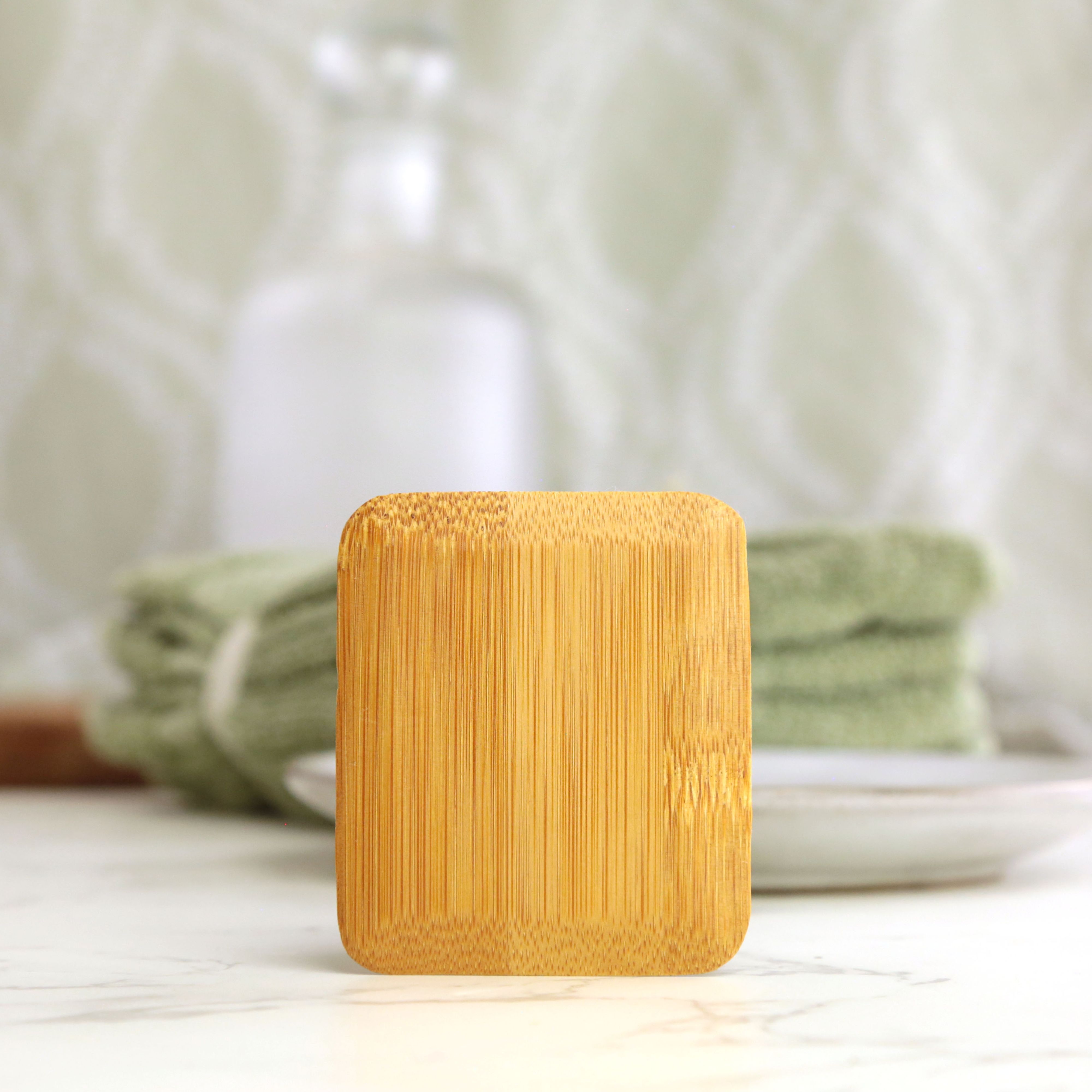
Eco-friendly, compostable, and gentle on cookware
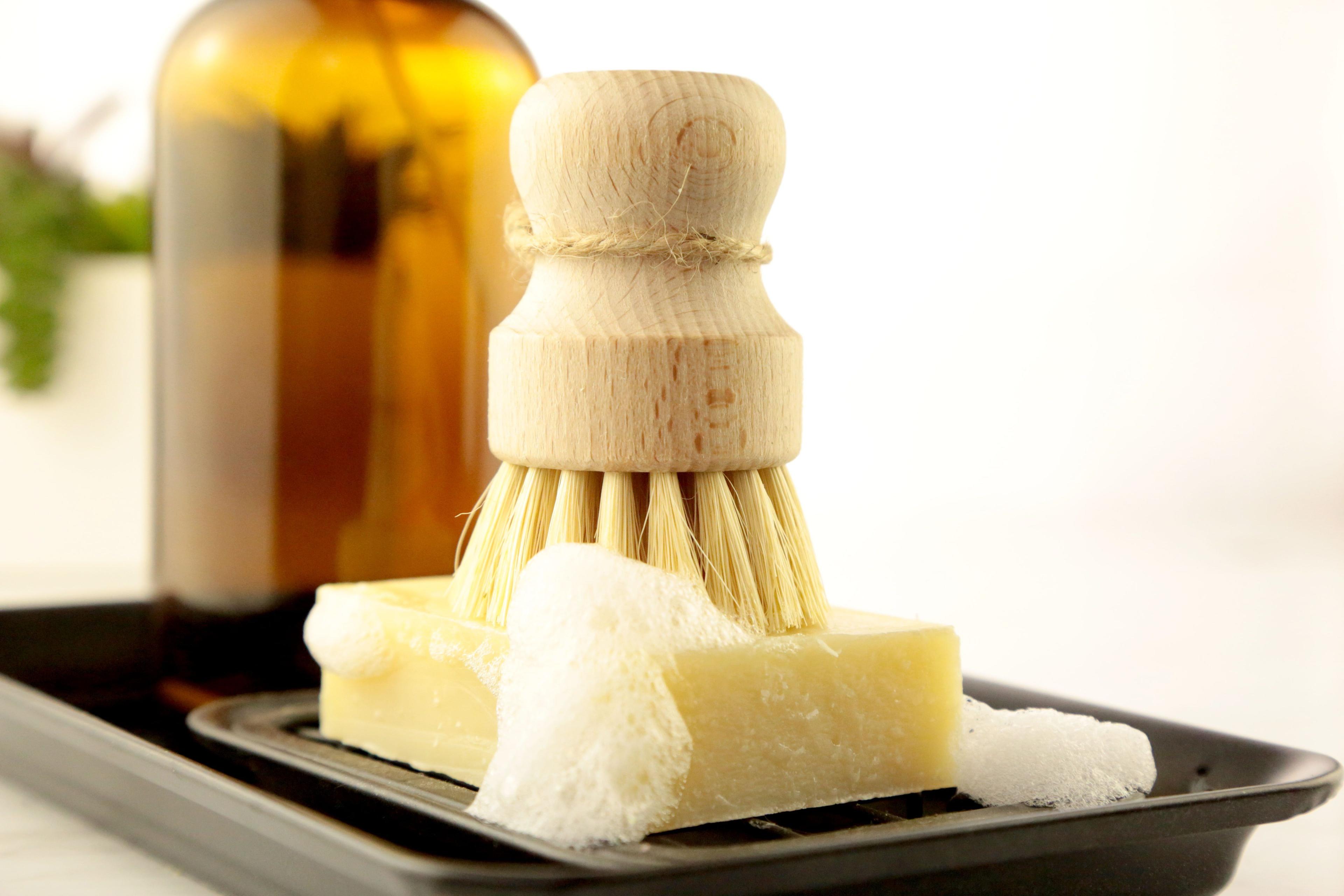
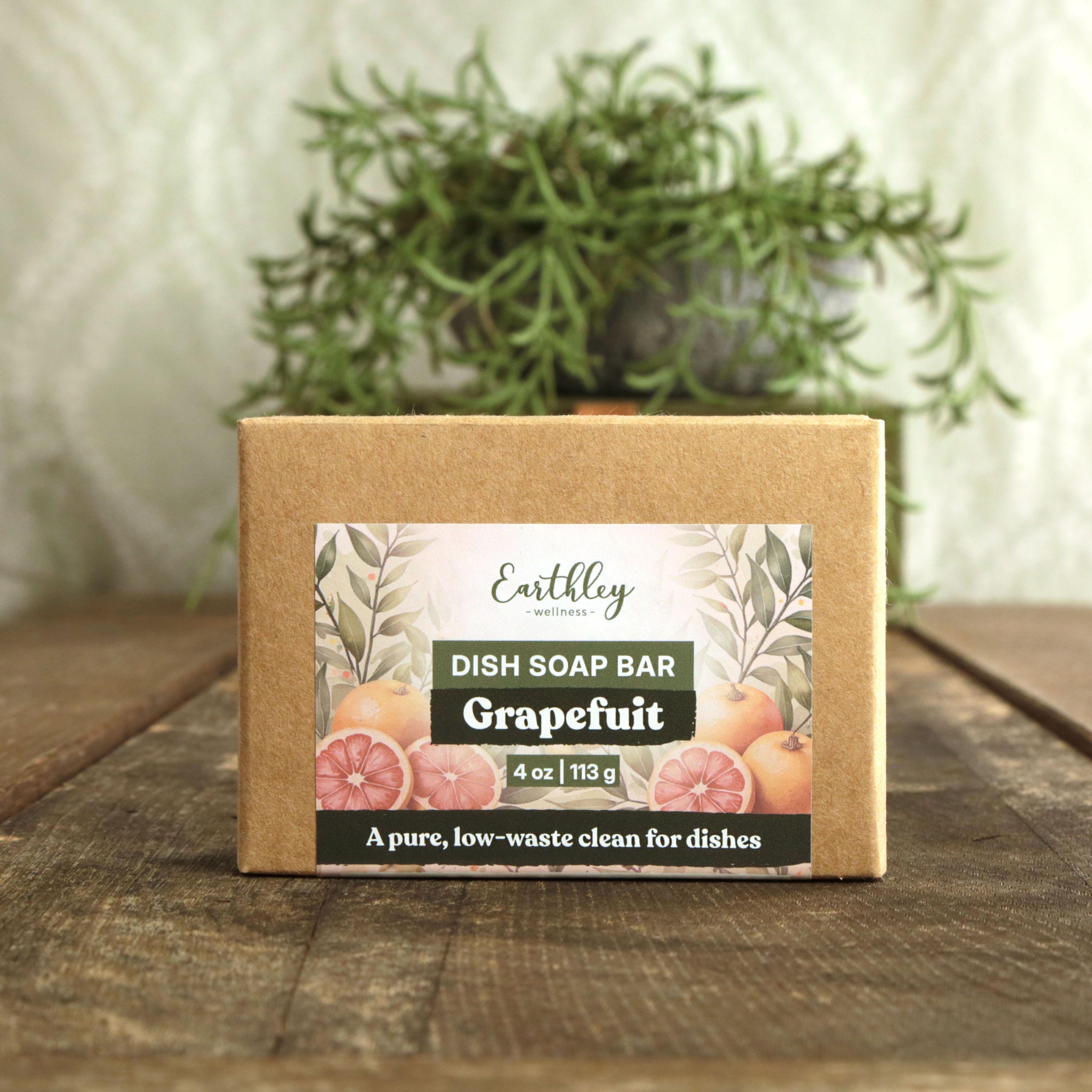
A pure, low-waste clean for dishes
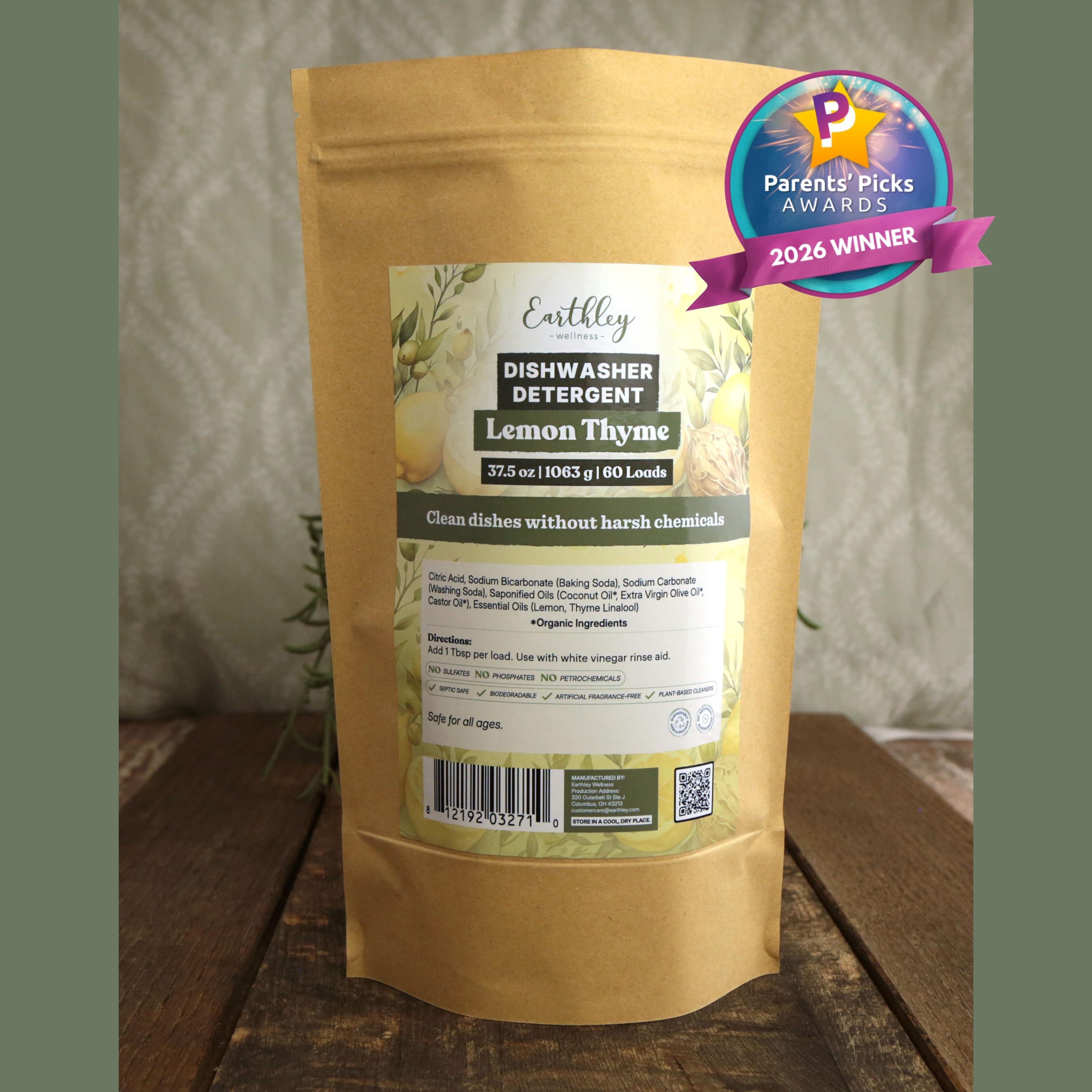
Clean dishes without harsh chemicals