Prebiotics, Probiotics, and Postbiotics What Your Gut Actually Needs
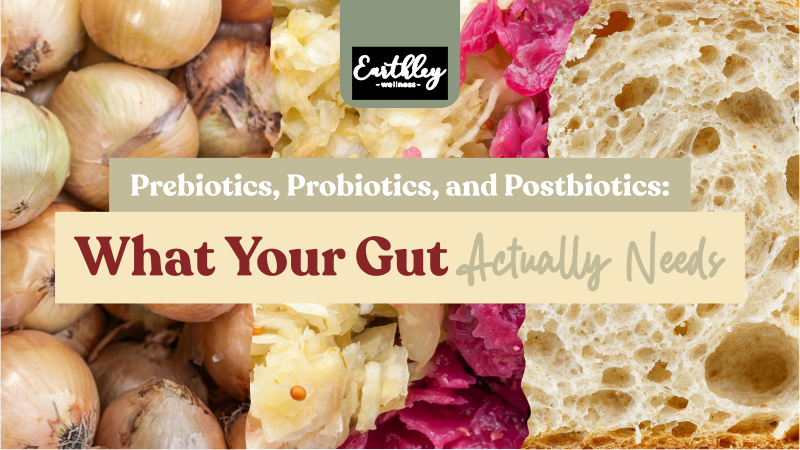
You’ve probably heard about how probiotics are important for healthy digestion. But did you know that our bodies need prebiotics and postbiotics to support gut health too? Probiotics alone do not give our gut what it needs to thrive.
Probiotics are the “good bacteria” we need to digest nutrients, prebiotics are the food source for probiotics, and postbiotics keep things running smoothly. We need all three to keep our bodies happy and healthy.
Let’s talk about what they are, where we can find them, and easy everyday ways to incorporate them into our routines and get the nourishment we need to live our best lives.
Prebiotics: Feeding the Good Bacteria
Prebiotics are fibers and compounds that are nourishment for gut bacteria. Without them, probiotics can’t survive—just like any living beings can’t survive without food. They are found in high-fiber foods that our gut can’t fully digest, like bananas, onions, whole grains, legumes, cooked-and-cooled potatoes, and milk. The undigested bits become nutrients for probiotics. (1) (2)
It’s important to go slow when adding prebiotics to your diet, especially if you have a sensitive digestive system. It’s best to eat a variety of different prebiotic foods and add them a little at a time, increasing gradually. (1) (2)
Probiotics: Living Microorganisms That Support Balance
Probiotics are supportive bacteria that we know best for helping our bodies digest the nutrients in food, but they do more than that. They can also soothe digestive discomfort and keep things moving smoothly. Beyond our gut, they help make our bodies a tough place for harmful germs like bad bacteria, viruses, fungi, and parasites to settle in. (3)
You’ll find probiotics hanging out in tasty fermented foods like yogurt, kefir, sauerkraut, kombucha, miso soup, and tempeh. When you’re shopping, check the label for “live and active cultures”—that’s the good stuff. Cooking can wipe them out, so raw or lightly processed options are best.
Supplements are another way to go, but do a quick check before you buy. Look for brands that care about quality and keep those little microbes alive and kicking.
One last tip: probiotics don’t stick around forever. Think of them like houseguests—they visit, help out, and then move on. So instead of chasing the highest dose, focus on adding them regularly to your routine. (4)
Postbiotics: What Happens When the Gut Is Fed Well
Postbiotics are helpful substances your gut makes when good bacteria break down food. They include things like vitamins, amino acids, and short-chain fatty acids—such as butyrate, acetate, and propionate. (5) Together with prebiotics, and probiotics, these are some of the ways these little compounds help us:
- Keeping our skin healthy
- Supporting a strong, healthy colon
- Helping us feel balanced and calm
- Nourishing healthy energy levels
- Giving our gut lining cells the fuel it needs to stay strong
- Supporting a healthy inflammatory response
- Helping our immune system work well
- Keeping blood sugar steady
- Supporting healthy weight
- Promoting heart health
- Helping our brain stay sharp and healthy (1) (4) (6) (7) (8)
Getting the Gut Trio in Real Life
Some simple tips for good gut balance:
We need all three.
Prebiotics, probiotics, and postbiotics work as a team. They are all essential players for good gut health.
Balanced meals.
Build meals with a good blend of fiber, protein, and healthy fats. Our Nourish Her, Him, and Me multivitamins can help us get the nutrients we need.
Fermented foods.
Include fermented foods a few times per week.
Mix it up!
Our Greens and Super Foods powders can help deliver more variety, especially when we’re on the go.
Water your gut garden.
Drink plenty of water to help keep things moving.
Take your time.
There’s a lot to be said for eating with gratitude and presence. And—chewing slowly and thoroughly makes the food easier for our gut to digest.
Stress less.
Easier said than done sometimes, which is why we created our Stress Less guide and our Natural Balance formula for the times when we need extra support.
Sweet dreams.
If sleep is a challenge for you, our Secret to a Good Night’s Sleep and Sleepy Time tincture are here to help.
Extra gut love.
Our Gut Health Oil helps keep our gut microbiome happy and our Digest Support delivers bitter herbs that help our gut make the most of our meals.
Bottom Line
Remember—probiotics are only visitors that don’t stick around forever. The best way to keep this cycle running smoothly is to consistently eat both prebiotic and probiotic foods, supplement when needed, and for extra support, nourish your gut with other healthy habits.
Gut health is not about one supplement. It's a lifelong relationship that needs ongoing care to keep our bodies strong, energized, and thriving for the long haul.
Disclaimer - This blog post is provided for educational and informational purposes only and does not constitute providing medical advice or professional services and its statements have not been evaluated by the FDA. The information provided should not be used for diagnosing or treating a health problem or disease. Always seek the advice of a qualified health care provider regarding a specific medical condition.
Check out these products!
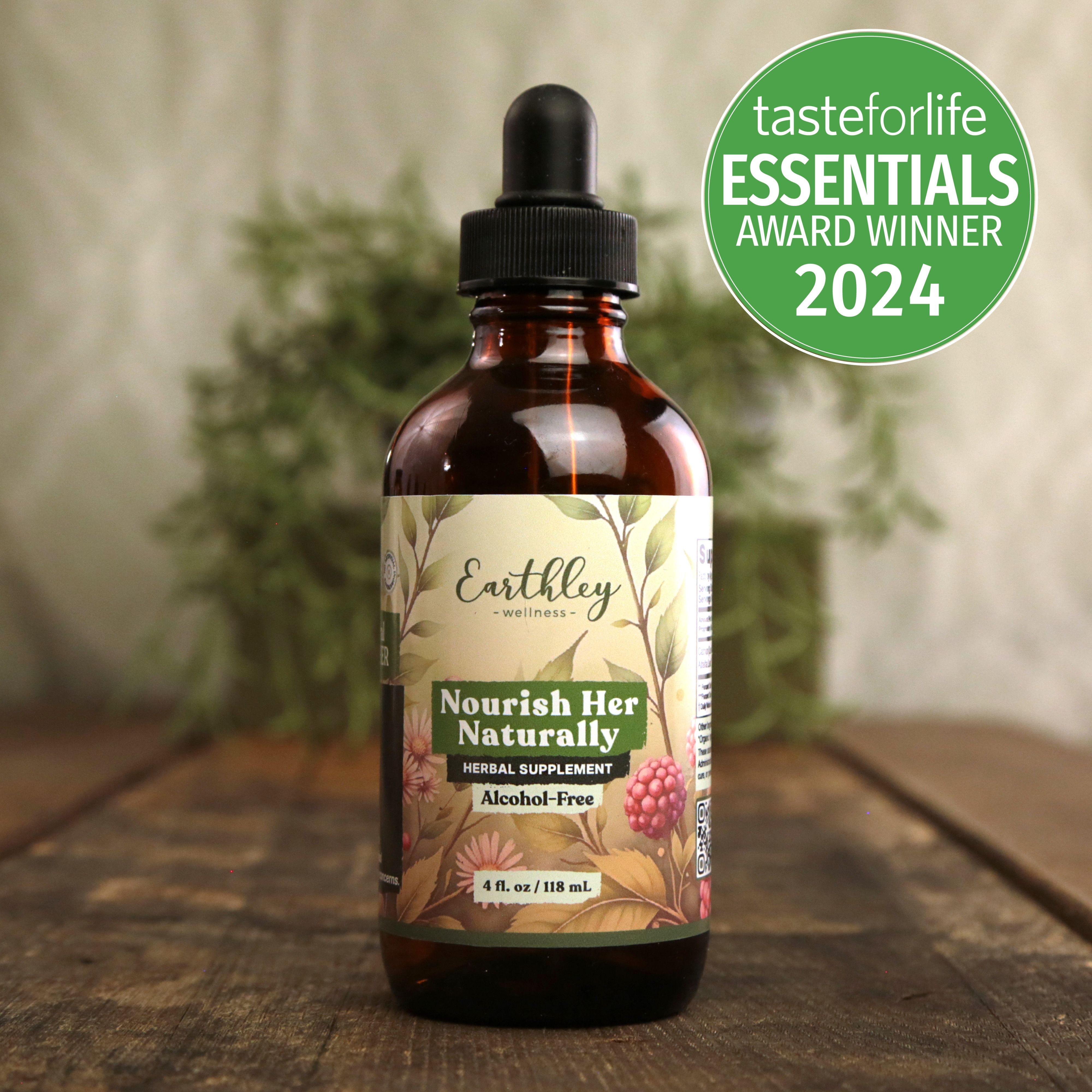
Whole, natural nutrition for HER
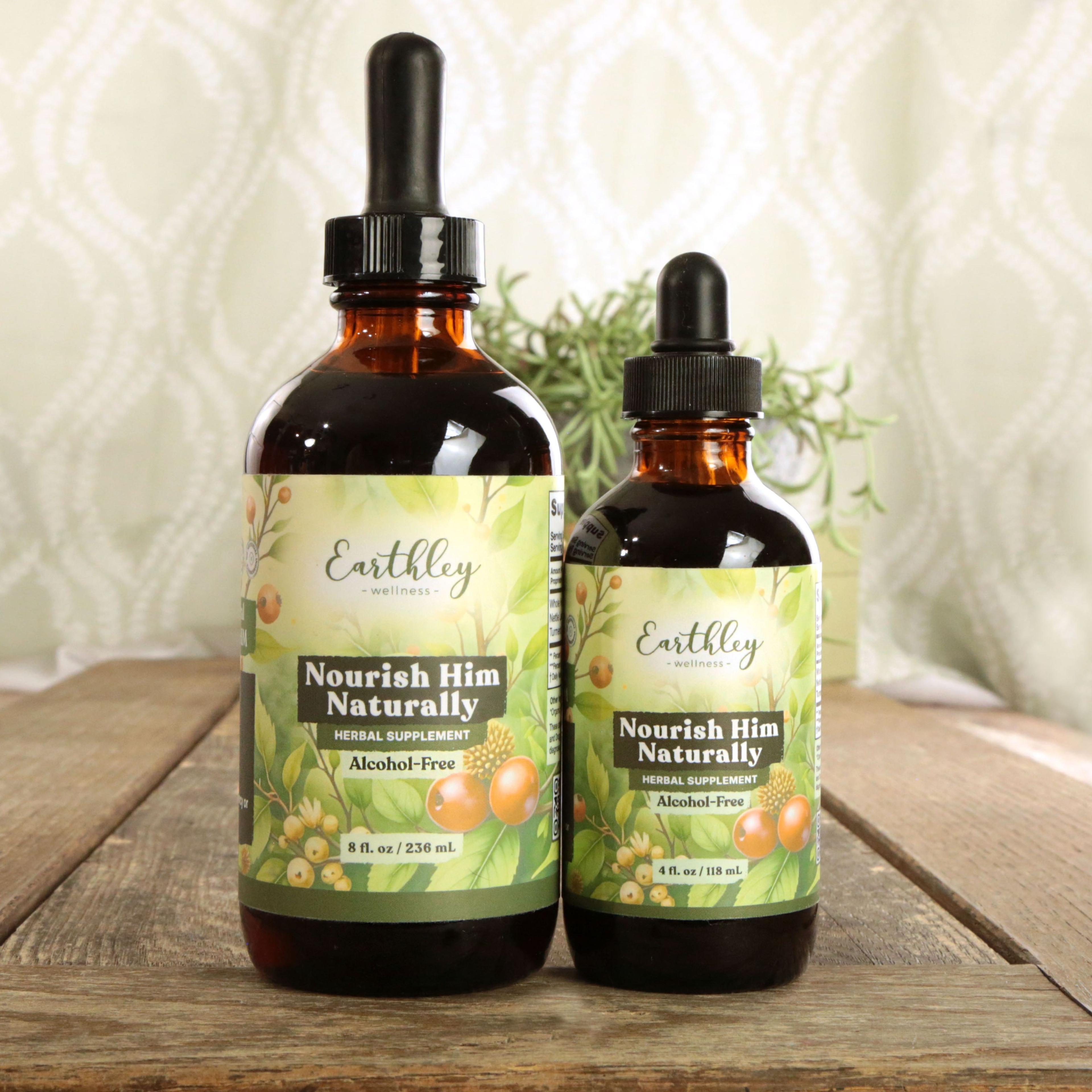
Whole, natural nutrition for HIM
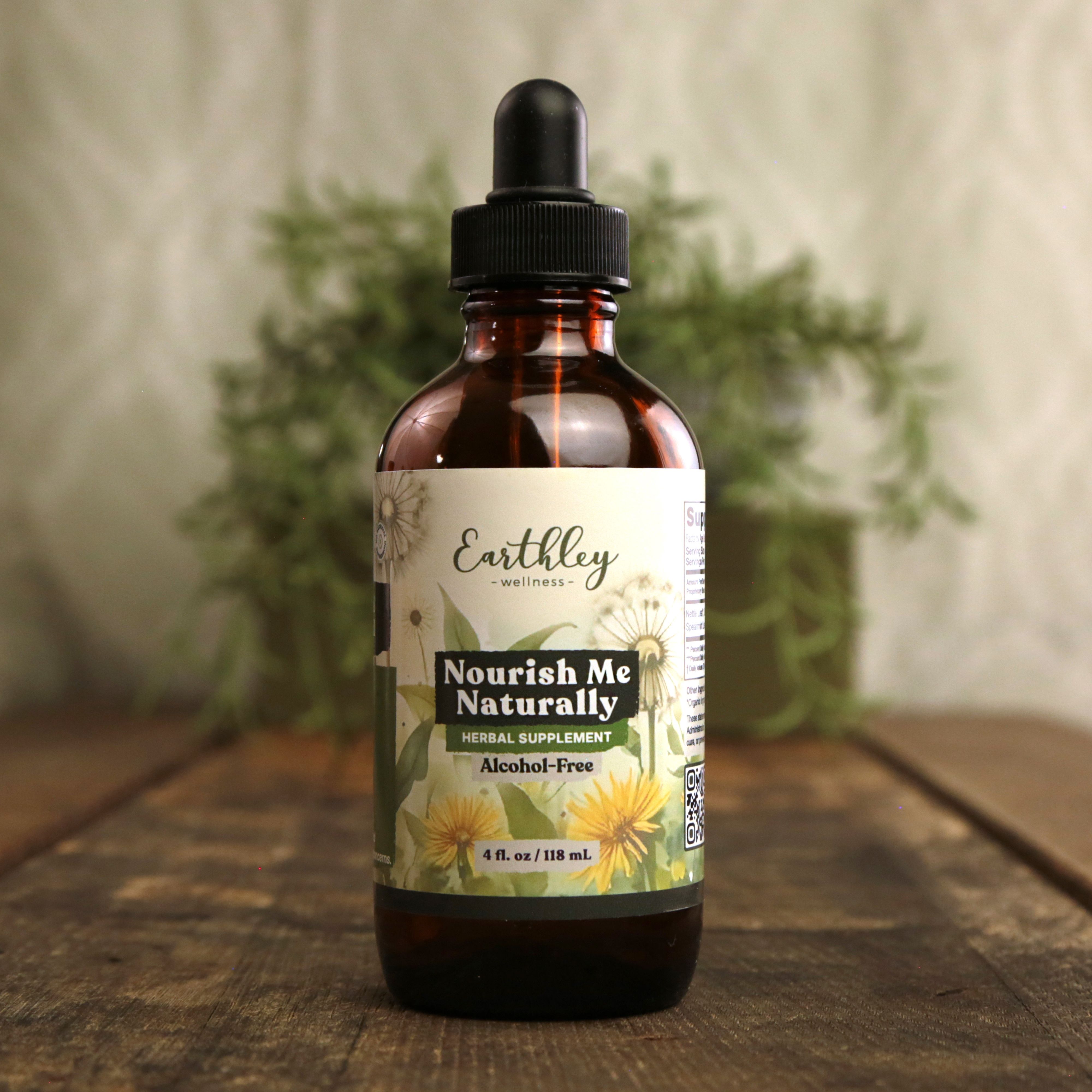
Whole, natural nutrition for all
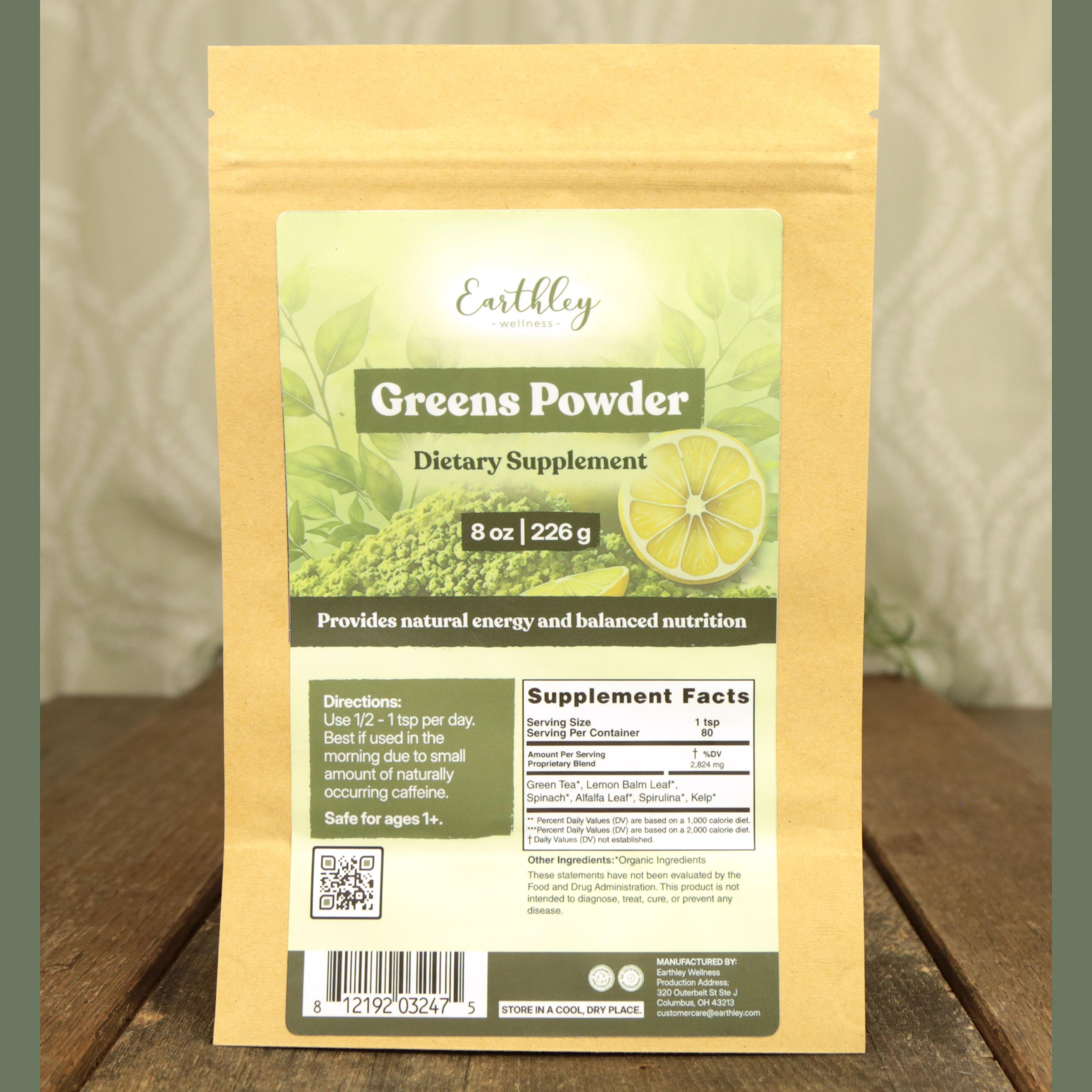
Provides natural energy and balanced nutrition
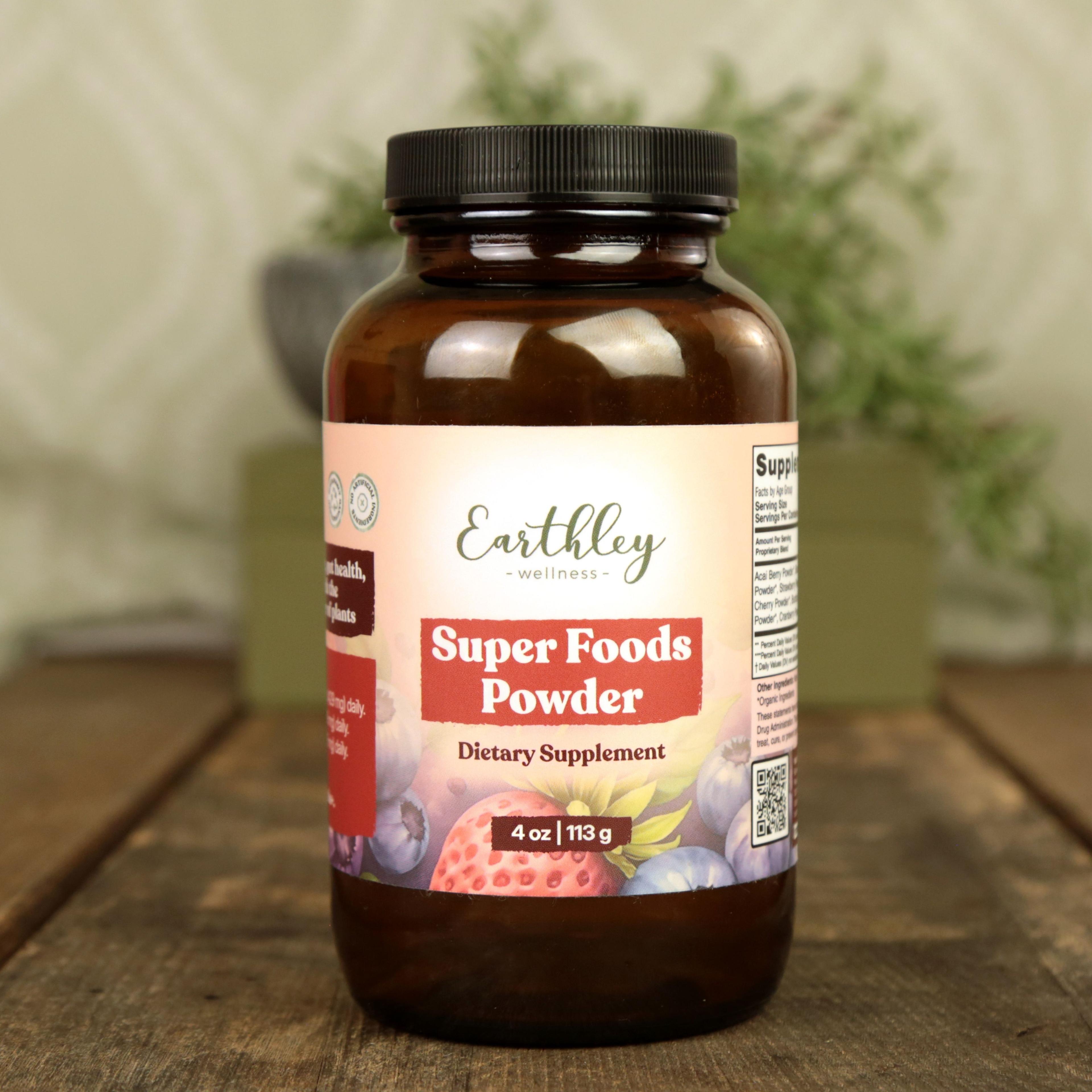
Promotes energy, gut health, and immunity with the nourishing power of plants
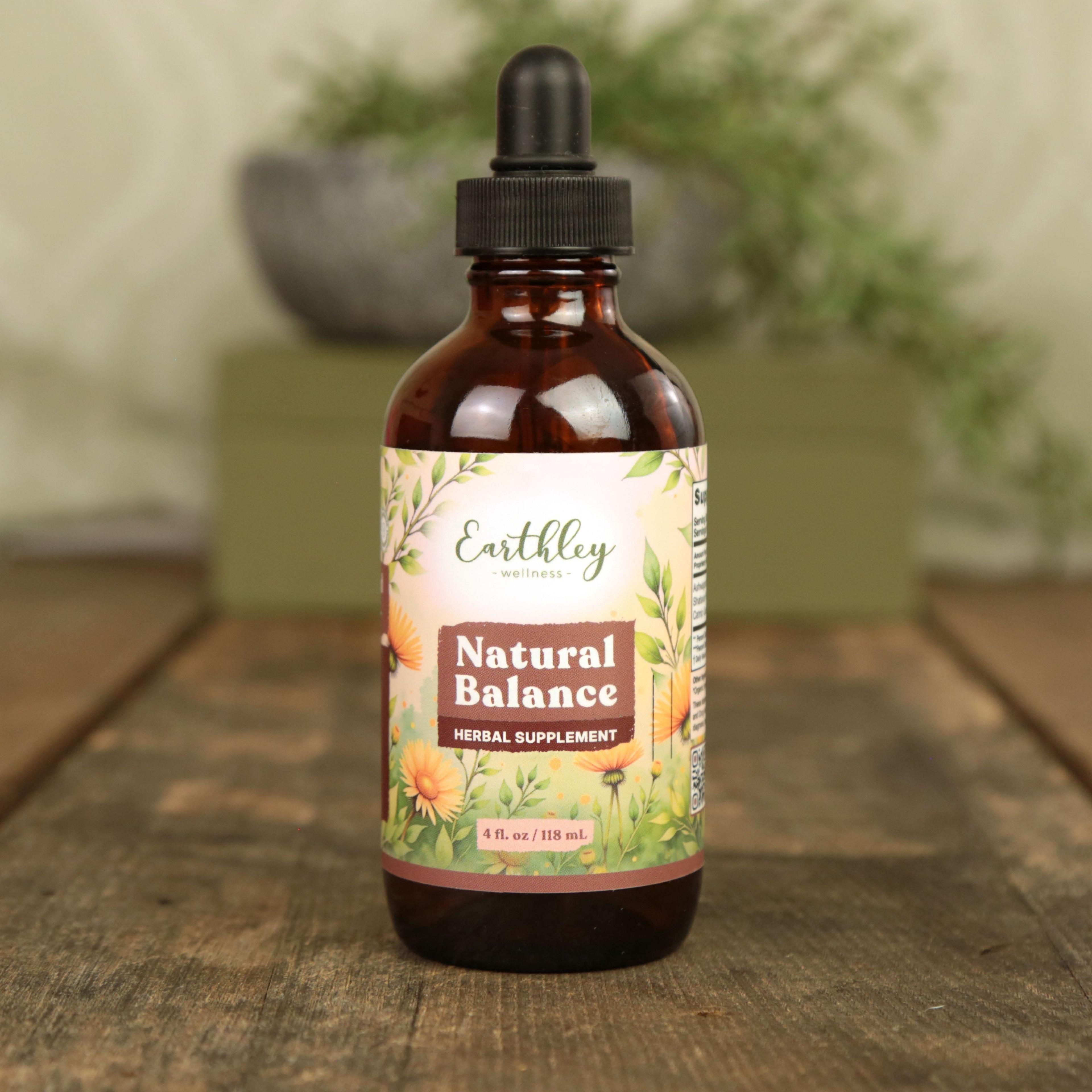
For hormone and energy support.
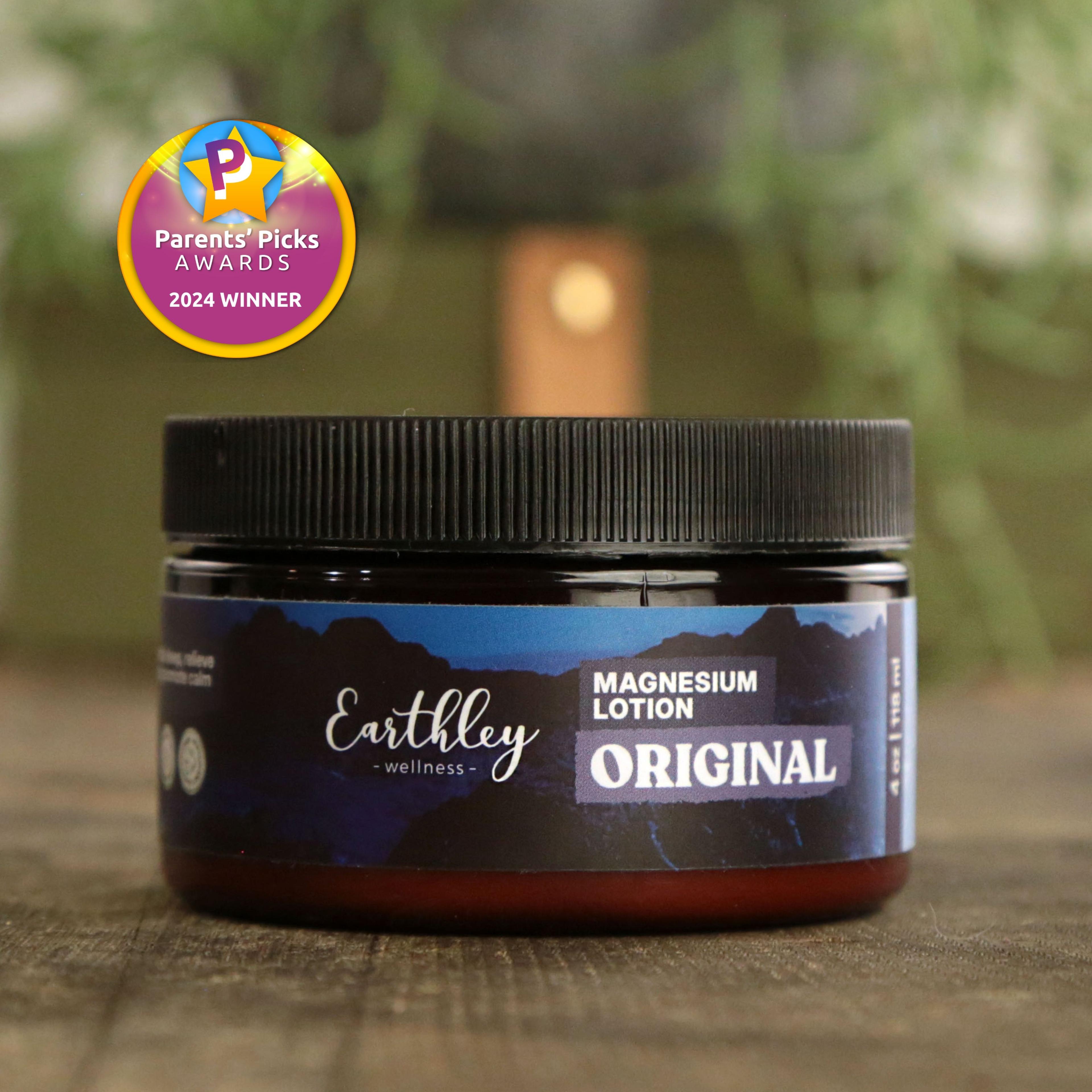
For healthy sleep, muscle soreness, and gut health
Sources:
- Prebiotics: Definition, Types, Sources, Mechanisms, and Clinical Applications - PMC https://pmc.ncbi.nlm.nih.gov/articles/PMC6463098/
- Prebiotics: Understanding their role in gut health - Harvard Health https://www.health.harvard.edu/nutrition/prebiotics-understanding-their-role-in-gut-health
- Probiotics: What They Are, Benefits & Side Effects https://my.clevelandclinic.org/health/treatments/14598-probiotics
- Probiotics: determinants of survival and growth in the gut - ScienceDirect https://www.sciencedirect.com/science/article/pii/S0002916523065048
- Postbiotics: an insightful review of the latest category in functional biotics | World Journal of Microbiology and Biotechnology https://link.springer.com/article/10.1007/s11274-025-04483-8
- What are postbiotics? - Harvard Health https://www.health.harvard.edu/nutrition/what-are-postbiotics
- Short-Chain Fatty Acid - an overview | ScienceDirect Topics https://www.sciencedirect.com/topics/agricultural-and-biological-sciences/short-chain-fatty-acid?__cf_chl_tk=feF6_iKnC9TpNkA1avcOFN_TWnEhKgzxu6TIQB.ePUM-1766087093-1.0.1.1-SxM3VT6QvaYrfZl5qAHL8VygN9VQh9MjjueqNiMZq4Y
- Health Benefits and Side Effects of Short-Chain Fatty Acids - PMC https://pmc.ncbi.nlm.nih.gov/articles/PMC9498509/
- What is the difference between prebiotics, probiotics and postbiotics? | Content for the lay public | Microbiota institute https://www.biocodexmicrobiotainstitute.com/en/what-difference-between-prebiotics-probiotics-and-postbiotics
Stay Connected
Get updates and exclusive offers straight to your inbox.