The Mineral Your Body is Begging For: Magnesium
If you’ve ever taken an Epsom salt bath to help your body relax, then you’re familiar with magnesium. And if you’ve ever lost sleep because of restlessness or muscle cramps, or woken up anxious, then you might know the feeling of needing more of this essential mineral. It’s very common to be low on magnesium, and it’s super important to make sure we’re getting enough—not because it’s a quick fix, but because it helps support everyday calm and resilience. (1) (2)
What Magnesium Does in the Body (In Real-Life Terms)
Magnesium is a multitasker—it's part of more than 300 jobs in our bodies that keep us feeling our best. It helps keep our energy steady during the day and makes it easier for our bodies to switch gears when it’s time to wind down. Instead of staying stuck in that wired, ‘always on’ mode, it gives our muscles and mind the chance to relax and take the edge off. We can thank this mineral for a good night’s sleep and waking refreshed and ready to face the day.
Magnesium and Stress That Feels Constant
Our bodies use magnesium to react to stress and when we’re dealing with a lot all at once (sound familiar?), this essential mineral can get tapped out. This can look like feeling irritable without really knowing why, big emotional outbursts for no big reason, or craving quiet but not being able to relax. Making magnesium a regular part of our routine can help us avoid this kind of overwhelm and keep things feeling steady. (3) Our Stress Less guide is here for extra support.
Magnesium and Sleep Quality
Magnesium helps our nervous system shift from “fight or flight” into “rest and digest” mode and encourages a busy brain to quiet down. It can also ease restlessness by helping our muscles relax. Plus, it’s part of the team that makes the sleep hormone—melatonin--and calms the stress hormone--cortisol. So, if you find yourself lying awake with racing thoughts or wake up feeling unrested, magnesium might be a good ally for ongoing sleep support. (4) (5) Our Secret to a Good Night’s Sleep and Sleepy Time tincture might be helpful too.
Magnesium and Muscle Comfort
Magnesium helps block calcium—the stuff that keeps muscles contracted—so our bodies can let go of that tension. When magnesium levels are steady, those nagging neck and shoulder knots, leg cramps, or twitchy muscles are less likely to put a damper on your day (or night). It gives our muscles what they need to recover and feel comfortable again. Keeping your magnesium levels stable can mean the difference between feeling tense and moving through your day with ease. (6) (7)
Magnesium and Energy Without the Crash
Magnesium is essential for turning the food we eat into usable energy and helps our cells keep that energy flowing steadily throughout the day. When magnesium is low, our bodies struggle to maintain balance, which can lead to afternoon slumps, heavy reliance on caffeine, and feeling drained even after resting. By supporting efficient energy production, magnesium helps us stay steady and avoid the crash—so we can flow strong through our day without burning out. (8) Greens Powder can help give us a healthy boost when we’re on the go, too.
Why Magnesium Deficiency Is So Common
If you feel like you are “doing all the right things” but still feeling tense or tired, you are not alone. Even a diet of mostly organic, unrefined food can leave us wiped out, with modern farming leaving the soil (and our food) depleted. Add that to the demands of parenting, paying the bills, and staying fit, and our magnesium levels are dropping on the regular. Not to mention how much caffeine, sugar, processed foods, and alcohol can drain us. (9) But don’t fret! —there are simple ways to get the magnesium we need!
Getting Magnesium From Food First
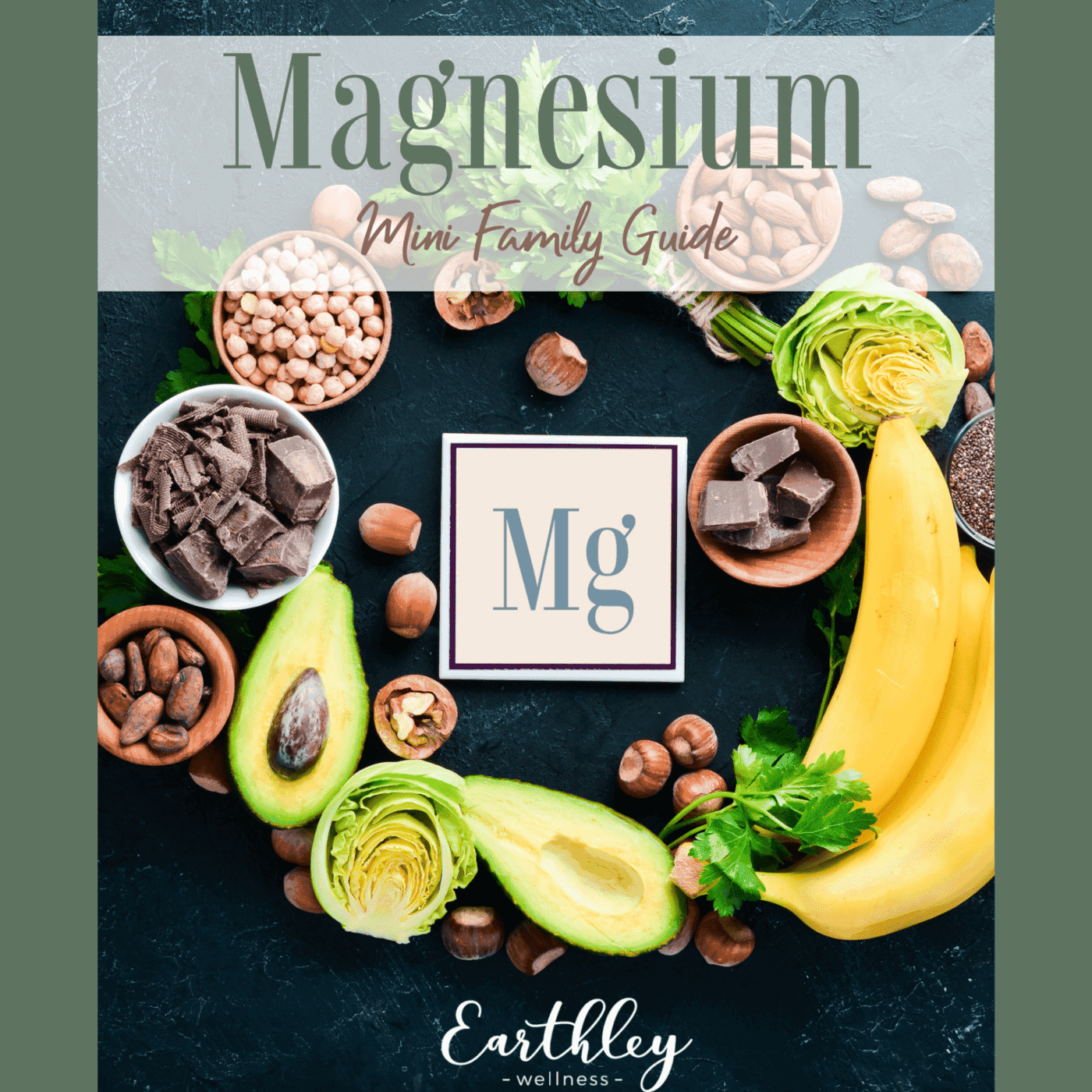
Food is our body’s favorite way to get the nutrition we need. The closer to homegrown or small-family-farmed we can get, the better! Some of the highest foods in magnesium are leafy greens, nuts and seeds, beans and lentils, and dark chocolate. (10) What our bodies need most is variety and consistency, so change it up and keep it regular as much as possible. Sometimes, what we eat may not give us everything we need, especially during stressful times, and that’s when supplements come into play.
A Gentle Approach to Magnesium Support
If you decide your body needs the support of supplements, go slow. Too much magnesium can upset your stomach or throw off your electrolyte balance—causing more stress instead of ease. And it comes in many forms, so it’s important to find the right type for your needs. Listen to your body, do your research, and check in with your health practitioner if you’re not sure. A great way to get past any possible digestive issues is with a gentle, topical option, like our Magnesium Lotion.
Bottom Line
Magnesium is a star player on our wellness team. When we have enough, we have an easier time getting the sleep we need, feeling more stable during the day, and having the energy to face what life brings our way. Taking the time to notice what our bodies need, nourishing ourselves with magnesium-rich foods, and adding gentle supplements when needed can help us feel balanced and whole.
Disclaimer - This blog post is provided for educational and informational purposes only and does not constitute providing medical advice or professional services and its statements have not been evaluated by the FDA. The information provided should not be used for diagnosing or treating a health problem or disease. Always seek the advice of a qualified health care provider regarding a specific medical condition.
Check out these products!
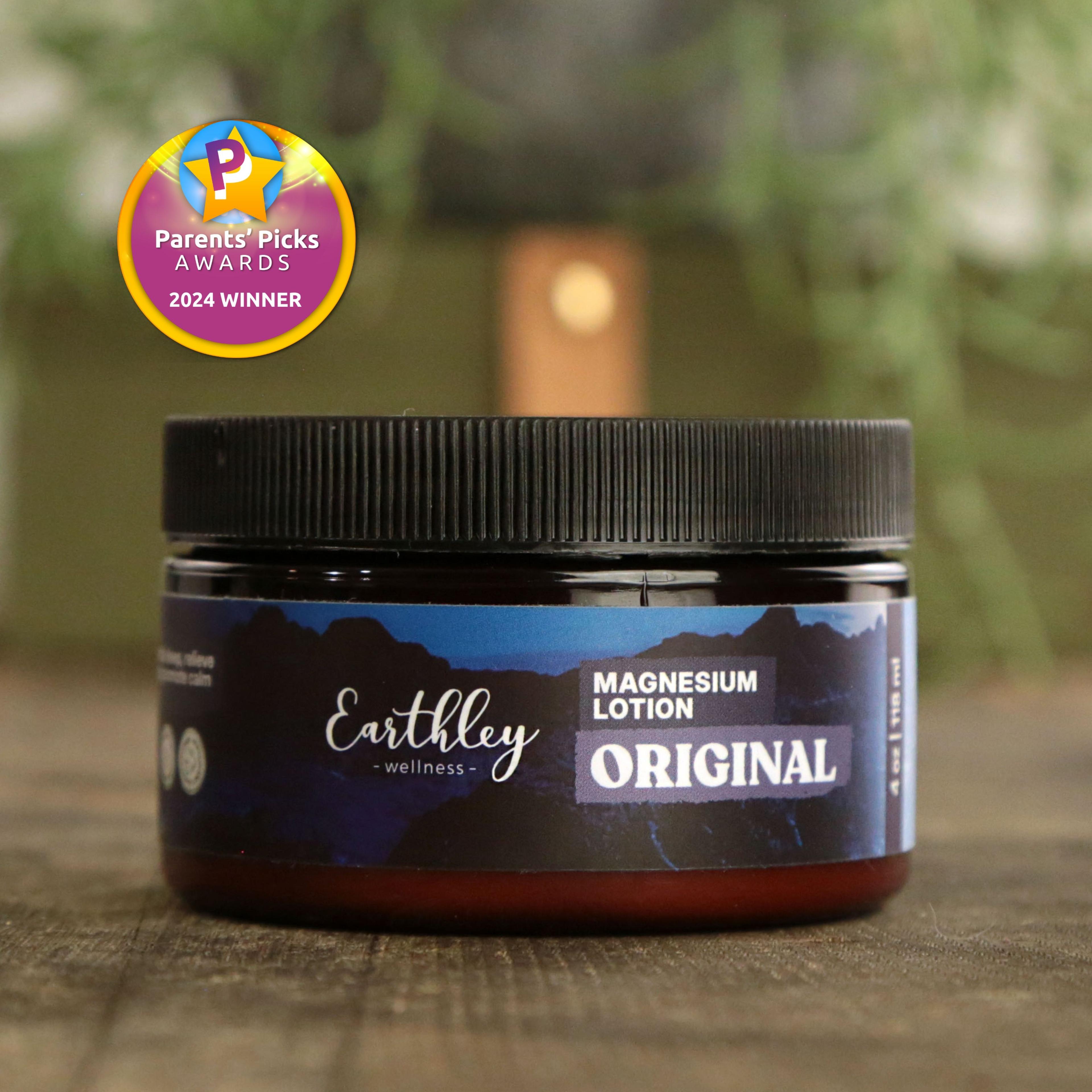
For healthy sleep, muscle soreness, and gut health
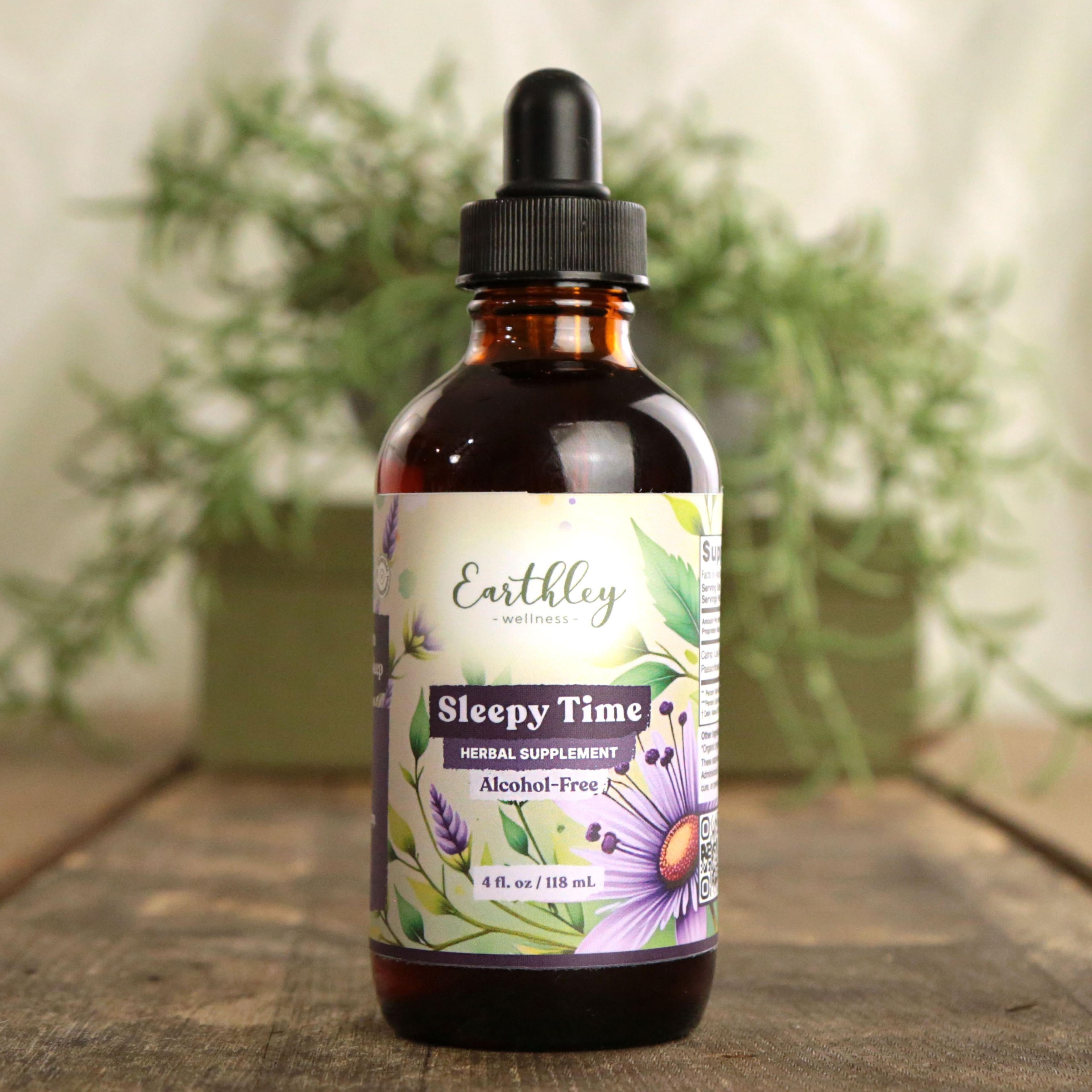
To promote restful sleep
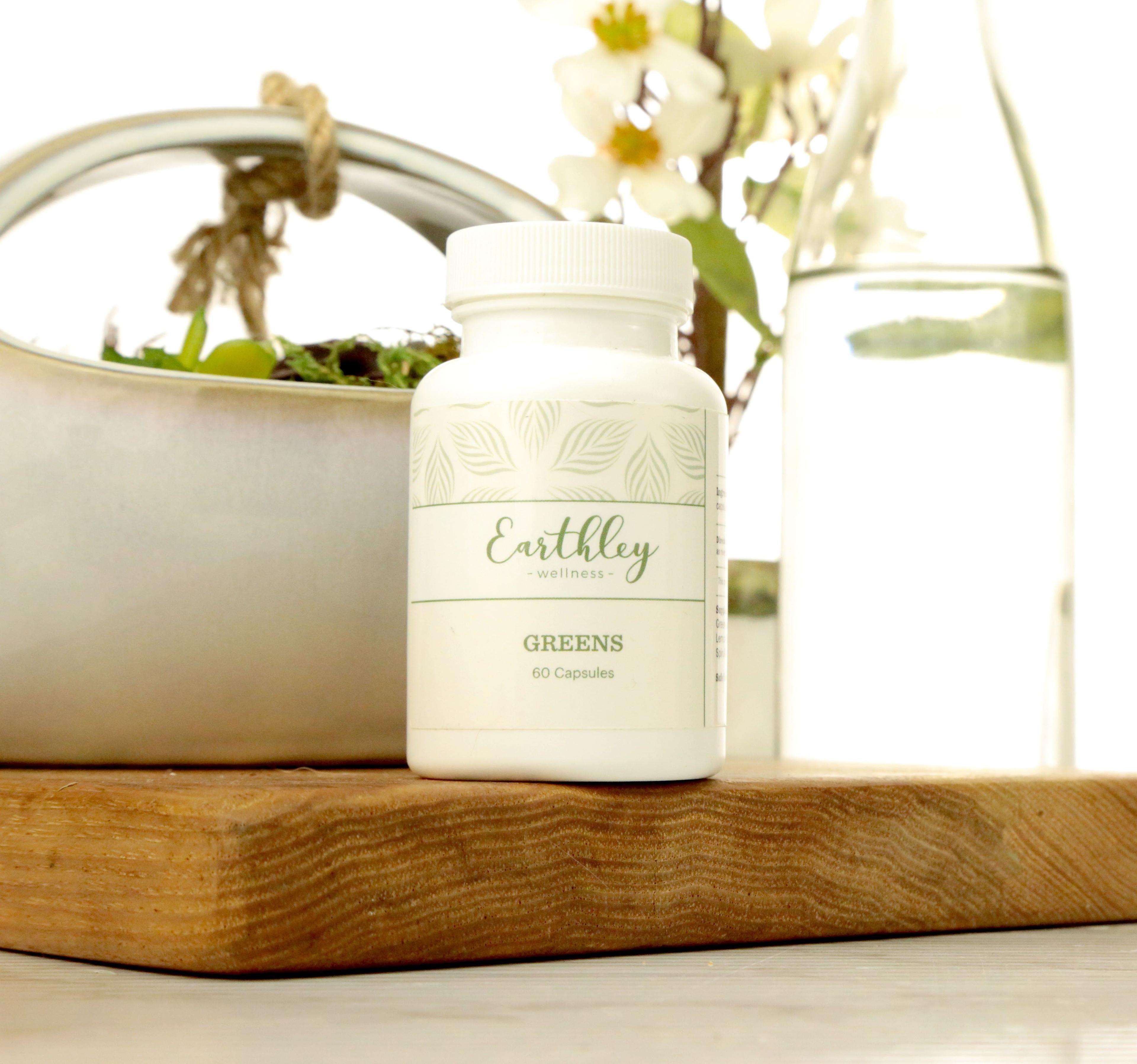
Provides natural energy and balanced nutrition

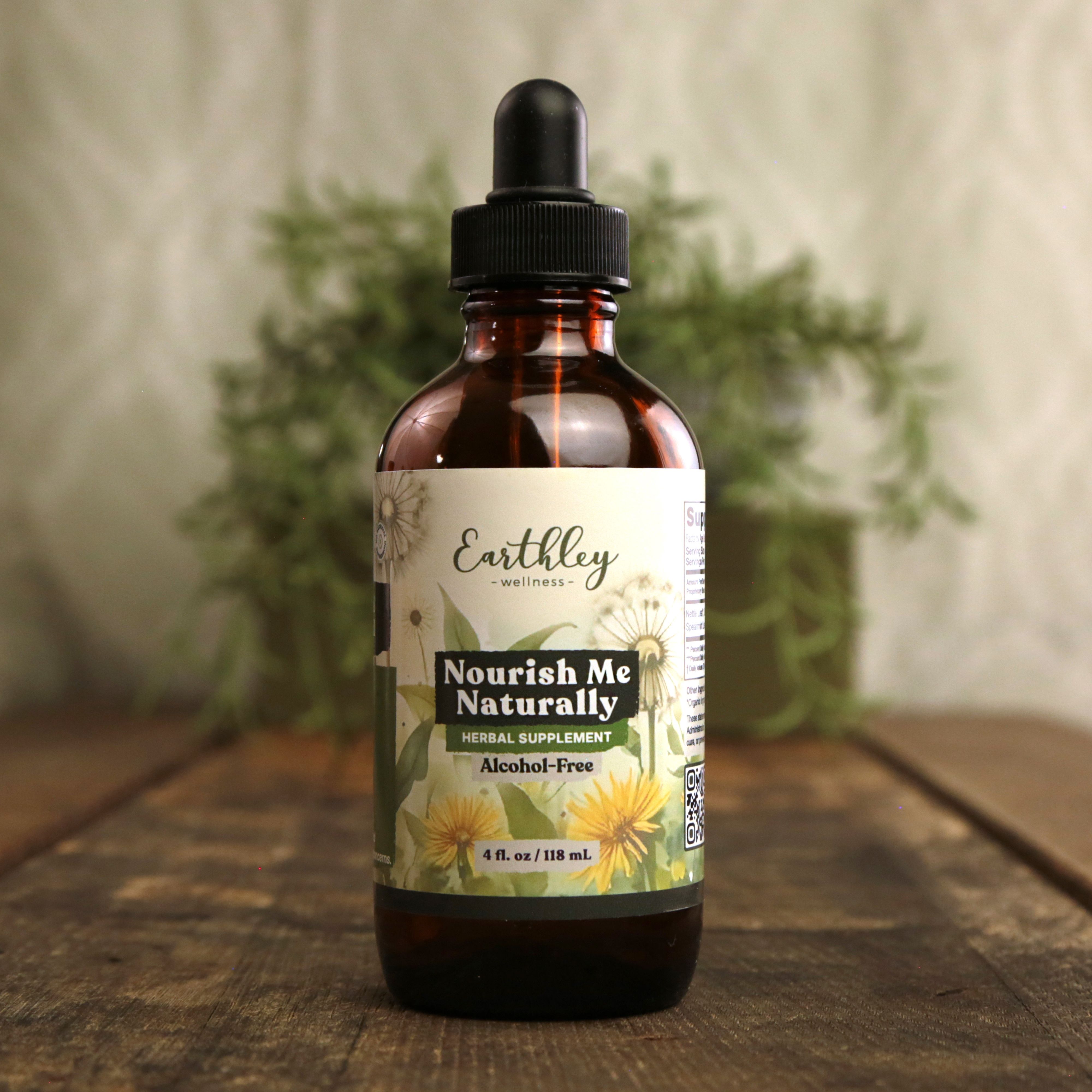
Promotes energy, gut health, and immunity with the nourishing power of plants
Whole, natural nutrition for all

Sources:
- Magnesium Matters: A Comprehensive Review of Its Vital Role in Health and Diseases - PMC https://pmc.ncbi.nlm.nih.gov/articles/PMC11557730/
- 10 Symptoms of a Magnesium Deficiency https://health.clevelandclinic.org/feeling-fatigued-could-it-be-magnesium-deficiency-and-if-so-what-to-do-about-it
- Magnesium & Stress - CMER Center for Magnesium Education & Research https://magnesiumeducation.com/magnesium-stress/
- Magnesium-L-threonate improves sleep quality and daytime functioning in adults with self-reported sleep problems: A randomized controlled trial - PMC https://pmc.ncbi.nlm.nih.gov/articles/PMC11381753/#sec5
- Can Magnesium Supplements Help You Sleep Better? https://www.news-medical.net/health/Can-Magnesium-Supplements-Help-You-Sleep-Better.aspx
- The Integral Role of Magnesium in Muscle Integrity and Aging: A Comprehensive Review - PMC https://pmc.ncbi.nlm.nih.gov/articles/PMC10745813/#sec3-nutrients-15-05127
- Magnesium for Muscle Recovery: How It Works & How to Use It | ISSA https://www.issaonline.com/blog/post/magnesium-for-muscle-recovery-how-it-works-how-to-use-it
- USDA ARS Online Magazine Vol. 52, No. 5 https://agresearchmag.ars.usda.gov/2004/may/energy/
- Subclinical magnesium deficiency: a principal driver of cardiovascular disease and a public health crisis - PMC https://pmc.ncbi.nlm.nih.gov/articles/PMC5786912/#:~:text=Furthermore%2C%20because%20of%20chronic%20diseases,at%20risk%20for%20magnesium%20deficiency
- Magnesium and Your Diet https://www.albertahealthservices.ca/assets/info/nutrition/if-nfs-magnesium-and-your-diet.pdf
- Types of Magnesium | Scripps AMG https://scrippsamg.com/types-of-magnesium/
Stay Connected
Get updates and exclusive offers straight to your inbox.