Kid-Friendly Herbs for Everyday Health
If you’ve ever gone down the rabbit hole of natural wellness for kids, you know how overwhelming it can feel. One minute you’re trying to figure out which herbs are safe, and the next you’re staring at a dozen different tinctures, teas and syrups wondering where to even start. It’s a lot! But it doesn’t have to be.
When it comes to kids, herbs can be incredibly simple. Truly, you don't need complicated blends, long protocols, or a cupboard full of supplies. You just need gentle, kid-friendly herbs and a few easy ways to use them. Once you understand the basics, you’ll see how herbs can fit naturally into your child’s day without stress or struggle.
Herbs offer steady, daily support in a way that feels doable. They’re foods, they’re gentle, and they’ve been used for generations by families around the world. And when you’re raising little ones, sometimes the simplest tools make the biggest difference.
In this guide, you’ll get to know seven of the best kid-friendly herbs. The ones we love, use often, and trust because they’re mild, gentle, and time-tested. You’ll learn how they taste, what they’re traditionally used for, and how to bring them into your child’s routine in easy, realistic ways.
Let’s make herbs for kids feel simple again.
What We Mean by “Kid-Friendly”
Before diving into specific herbs, it helps to understand what makes an herb truly kid-friendly. Not every plant is appropriate for small bodies, but many are mild enough for everyday use and have long histories of safe, traditional use.
These herbs can be for everyday use and have long histories of safe, traditional use.
Here’s what we look for when choosing herbs for children:
1. A Mild Taste
Kids notice flavors immediately. Strong, bitter, or spicy herbs usually don’t go over well, but mild, earthy, or slightly sweet herbs blend easily into drinks, syrups, and popsicles. Taste matters, it’s the difference between fighting every dose and your child happily sipping their tea.
2. Gentle Actions
A kid-friendly herb should feel nourishing and supportive, not intense. Children don’t usually need “strong” herbs; they need mild, steady helpers that work with their bodies in a comforting way.
3. Useful in Small Amounts
Children have smaller systems, so the best herbs offer benefits even in tiny amounts. A teaspoon of tea, a little syrup, or a couple drops of tincture can be all they need.
4. Backed by Tradition
We lean heavily on herbs that have been used for generations in family wellness, ones grandmothers reached for long before modern supplements existed. Long-standing traditional use helps guide us toward herbs that are gentle, safe, and well-loved.
The 7 Best Kid-Friendly Herbs
Below are seven herbs we use often in child-appropriate products because they’re mild, nourishing, and incredibly versatile.
You’ll find a simple description, the general taste, traditional uses, and a couple of Earthley products that include each herb.
1. Nettle
Taste: Mild, earthy, slightly green, very similar to spinach.
About the Herb: Nettle is a nutrient-rich herb loved for its natural vitamin and mineral content.
Traditional Uses: Traditionally used as a gentle daily tonic to support overall wellness.
Found in Earthley Products:
2. Catnip
Taste: Mild, slightly minty, soft and calming
About the Herb: Catnip is part of the mint family, known for being soothing and easy for kids to tolerate.
Traditional Uses: Commonly used to support relaxation and calmness in little ones.
Found in Earthley Products:
3. Clove
Taste: Warm, sweet, and a little spicy. Usually used in tiny amounts.
About the Herb: Clove is aromatic and comforting. Often used in seasonal foods and teas.
Traditional Uses: Traditionally used for general wellness and as a warming spice.
Found in Earthley Products:
4. Spearmint
Taste: Fresh, lightly minty, naturally sweet
About the Herb: Spearmint is one of the gentlest mint-family herbs, and it’s usually very kid-friendly because it’s softer and sweeter than peppermint.
Traditional Uses: Commonly used to support digestion and offer gentle daily comfort.
Found in Earthley Products:
5. Lemon Balm
Taste: Light, lemony, fresh, and kid-approved
About the Herb: A bright, cheerful herb that blends beautifully into teas and syrups.
Traditional Uses: Traditionally used for emotional balance and gentle calm.
Found in Earthley Products:
6. Elderberry
Taste: Sweet, juicy, berry-like
About the Herb: One of the most well-known herbs for families, and one that kids usually love right away.
Traditional Uses: Traditionally used for seasonal wellness and general immune support.
Found in Earthley Products:
7. Dandelion Leaf
Taste: Mild, slightly earthy, quite bitter, similar to gentle leafy greens
About the Herb: Dandelion leaf is a nourishing, mineral-rich plant that has been used for generations as a gentle daily tonic. It’s much milder than the root and blends easily into teas or food.
Traditional Uses: Commonly used to support natural hydration and overall wellness.
Found in Earthley Products:
-Nourish Her Naturally (for older girls/teens where appropriate)
How to Use These Herbs Daily
The best part about kid-friendly herbs is how easy they are to use. When you keep things simple, herbs fold naturally into everyday routines. No stress, no battles, and no complicated recipes unless you want them.
Here are some favorite ways to make herbs kid-approved:
1. Syrups
Herbal syrups feel like a treat, which is why many kids love them.
You can make them with honey or maple syrup. You can also use pre-made options like Elderberry Elixir.
If you want to make your own, you can try our Elderberry Syrup DIY Kits.
2. Tea (Sweetened with Honey)
A warm cup of tea can become a cozy part of your routine, but cold tea works too.
A drizzle of honey makes almost any herb taste better, especially when you’re serving something new.
Chamomile, lemon balm, catnip, and nettle all work beautifully as teas for kids.
3. Popsicles
One of the easiest tricks for little ones: turn herbal tea or diluted tinctures into popsicles.
You can freeze sweetened chamomile tea, lemon balm tea, or a little elderberry syrup mixed with water.
This works especially well for toddlers who prefer snacks over sips.
4. Seasoning in Food
Some herbs (like nettle or clove) work perfectly when added to foods you already make.
You can sprinkle dried nettle into soups or smoothies, and a tiny pinch of clove warms up oatmeal or applesauce.
5. Adding Tinctures to Water Bottles
If your child carries a water bottle throughout the day, you can add a small amount of a kid-safe tincture to it.
This is such an easy way to offer steady support without turning it into “medicine time.”
Feel Better Fast, Calm and Clarity, and Teeth Tamer all blend in easily.
6. Mixing Into Honey
For herbs with stronger flavors, mixing a tiny amount into honey can help.
A small spoonful feels like a sweet treat and can mask almost anything!
7. Smoothies
Add a splash of tincture or a bit of herbal tea to your child’s smoothie.
Most kid-friendly herbs are so mild that your child won’t even notice.
A Few Helpful Tips as You Get Started
Using herbs with kids doesn’t have to feel complicated. Here are a few practical guidelines that make everything smoother:
• Start Low
Kids don’t need much!
Start with very tiny amounts, a few drops of tincture, a couple sips of tea, or a teaspoon of syrup.
You can always work slowly up to desired amount.
• Check for Allergies or Cross-Reactivity
This is especially important for families with seasonal allergies, food allergies, or eczema.
If you’re trying an herb for the first time, start very small and watch how your child responds.
• Keep It Stress-Free
If your child hates an herb in one form, try another.
Some kids refuse tea but love popsicles.
Others prefer honey or smoothies.
The goal is gentle daily support. Not a power struggle.
For more ideas, you can read:
What to Do When Kids Won’t Take Herbs
• Consistency Matters More Than Perfection
A little bit every day makes a bigger difference than giving a large amount once in a while.
Think “tiny and often,” not “big and intense.”
Conclusion
Herbs don’t have to be complicated. When you choose gentle, kid-friendly plants and use simple methods, you can bring herbal support into your child’s routine in a way that feels natural and stress-free.
You don’t need to be an herbal expert. You don’t need special tools or elaborate recipes. You just need a few mild herbs, a little creativity, and the willingness to start small.
We all want to offer our kids steady, natural support... and herbs make that possible in a way that’s been trusted for generations. Whether you’re making popsicles, brewing tea, stirring syrup into yogurt, or adding a few drops to a water bottle, you’re helping your child build a foundation of gentle daily wellness.
And that’s something worth celebrating.
If you want help choosing herb blends for your family, or you want more recipe ideas, we’re always here to make natural living simple and doable for you.
Check out these products!
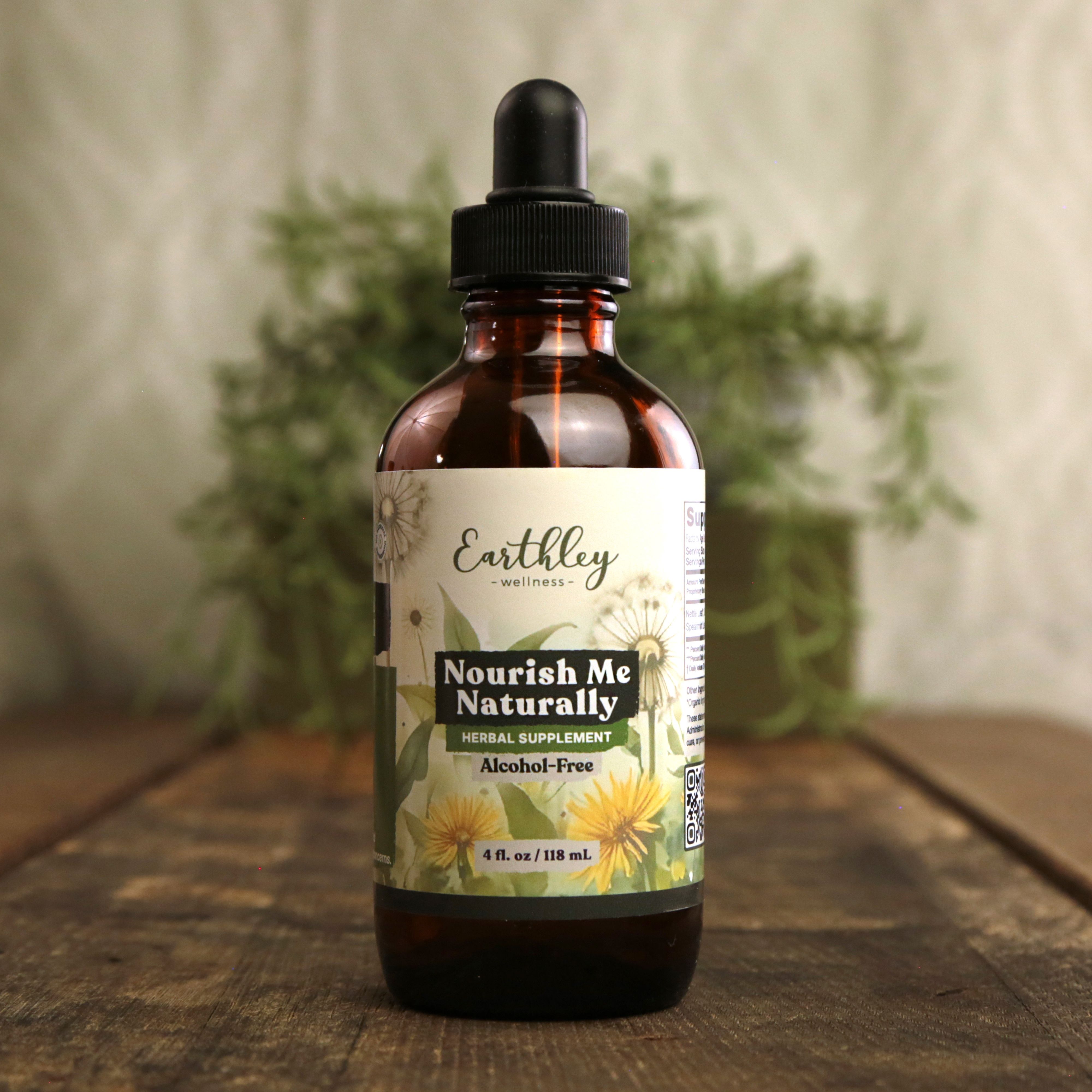
Whole, natural nutrition for all
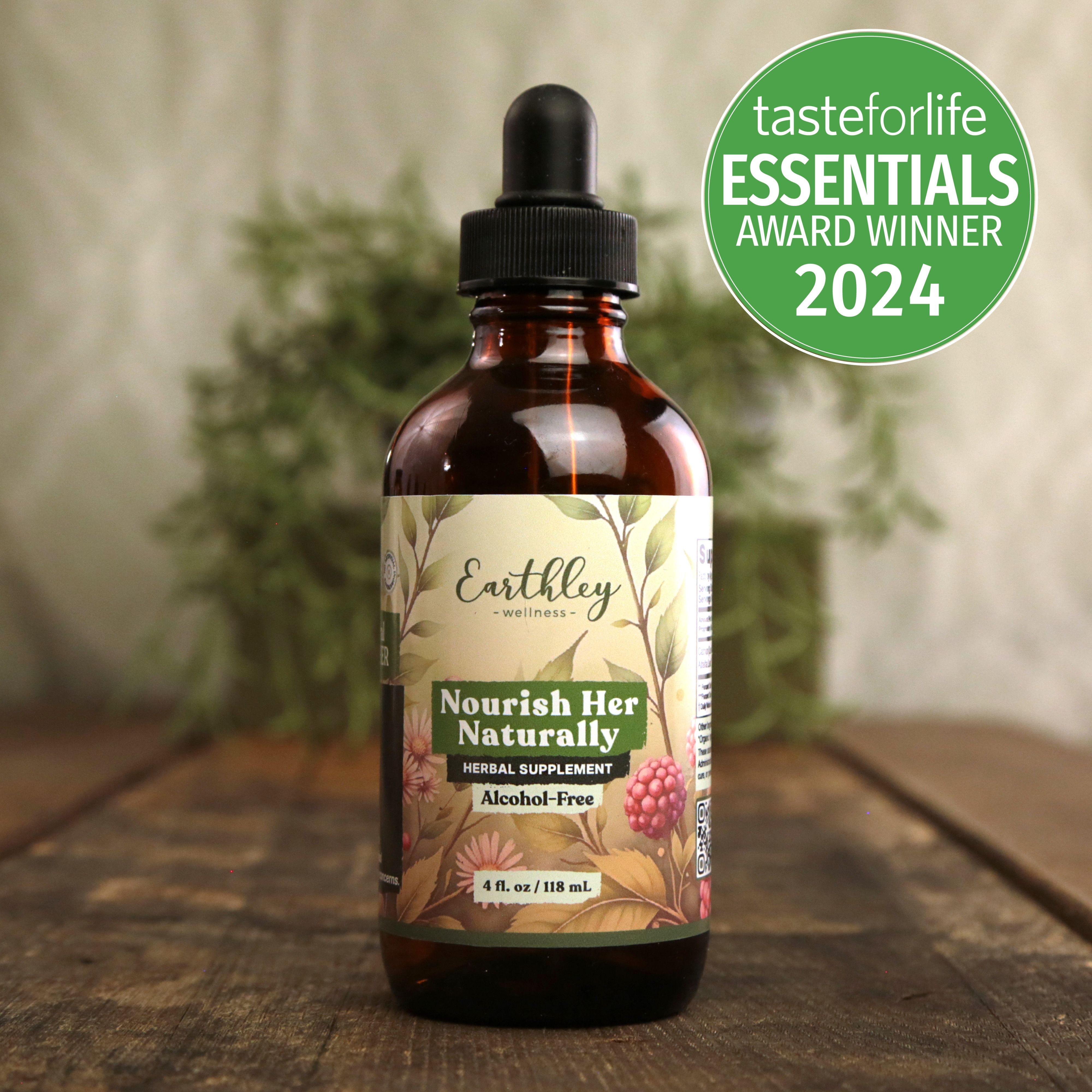
Whole, natural nutrition for HER
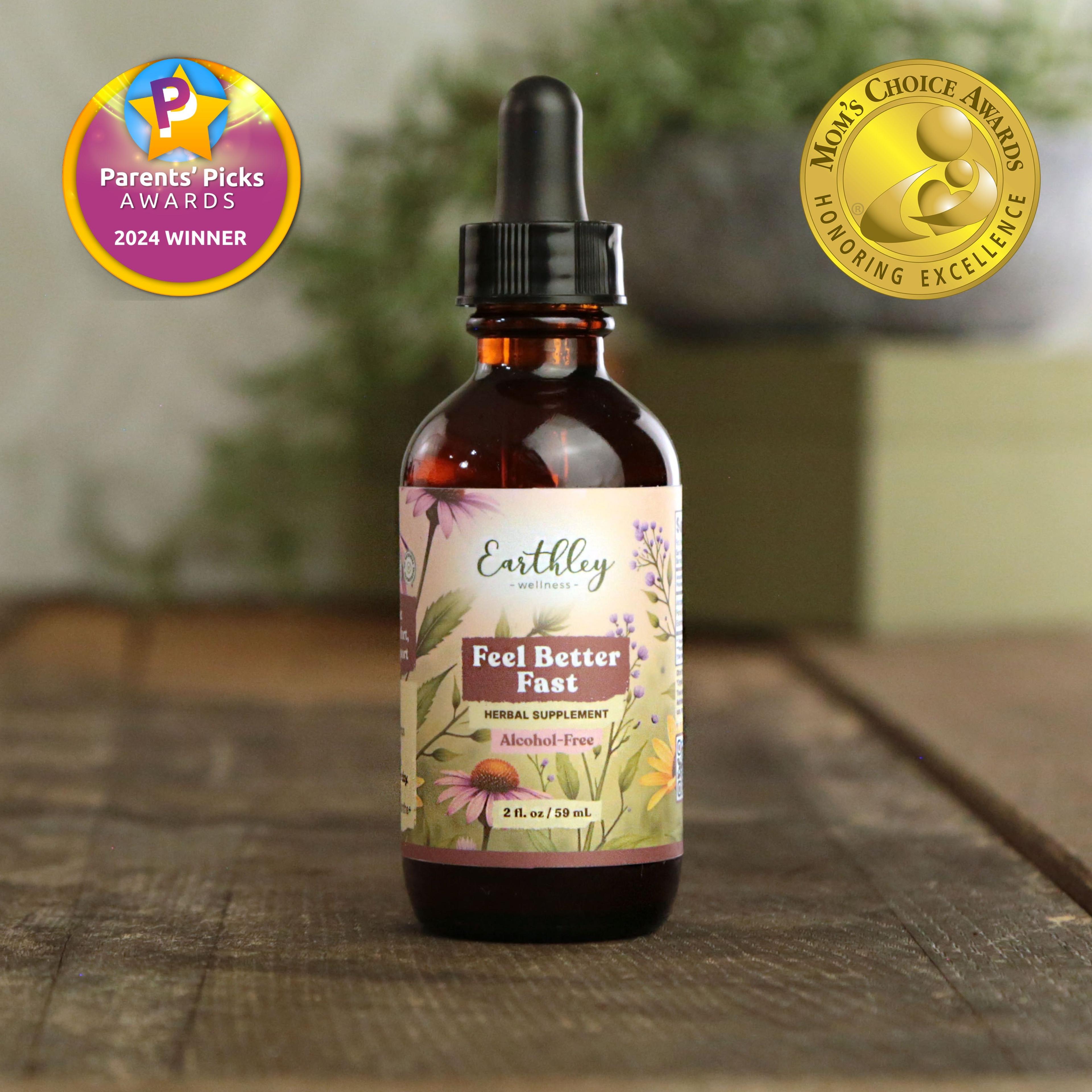
Gentle whole-family support for immunity, digestion, and everyday comfort
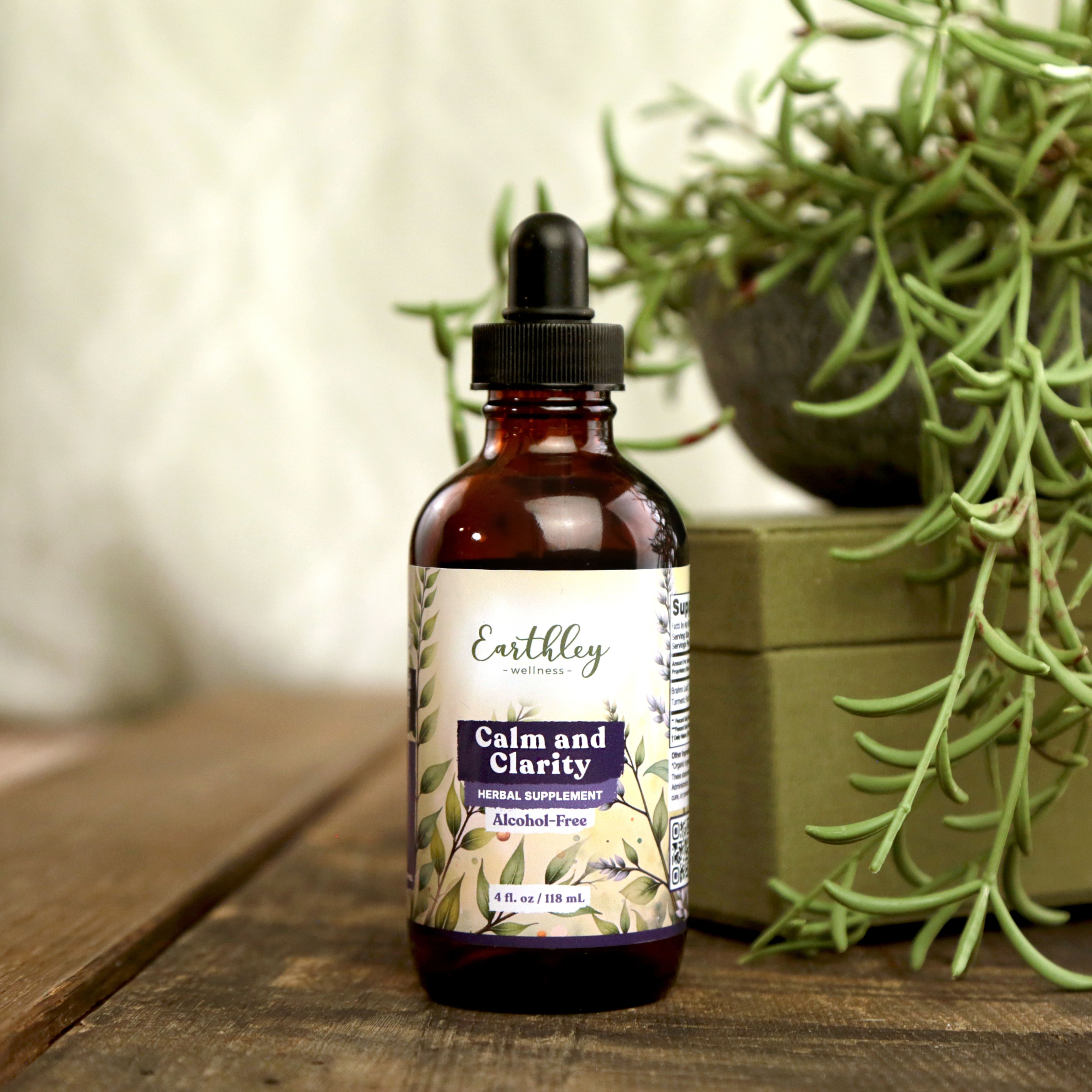
Promotes balanced mood and focused attention
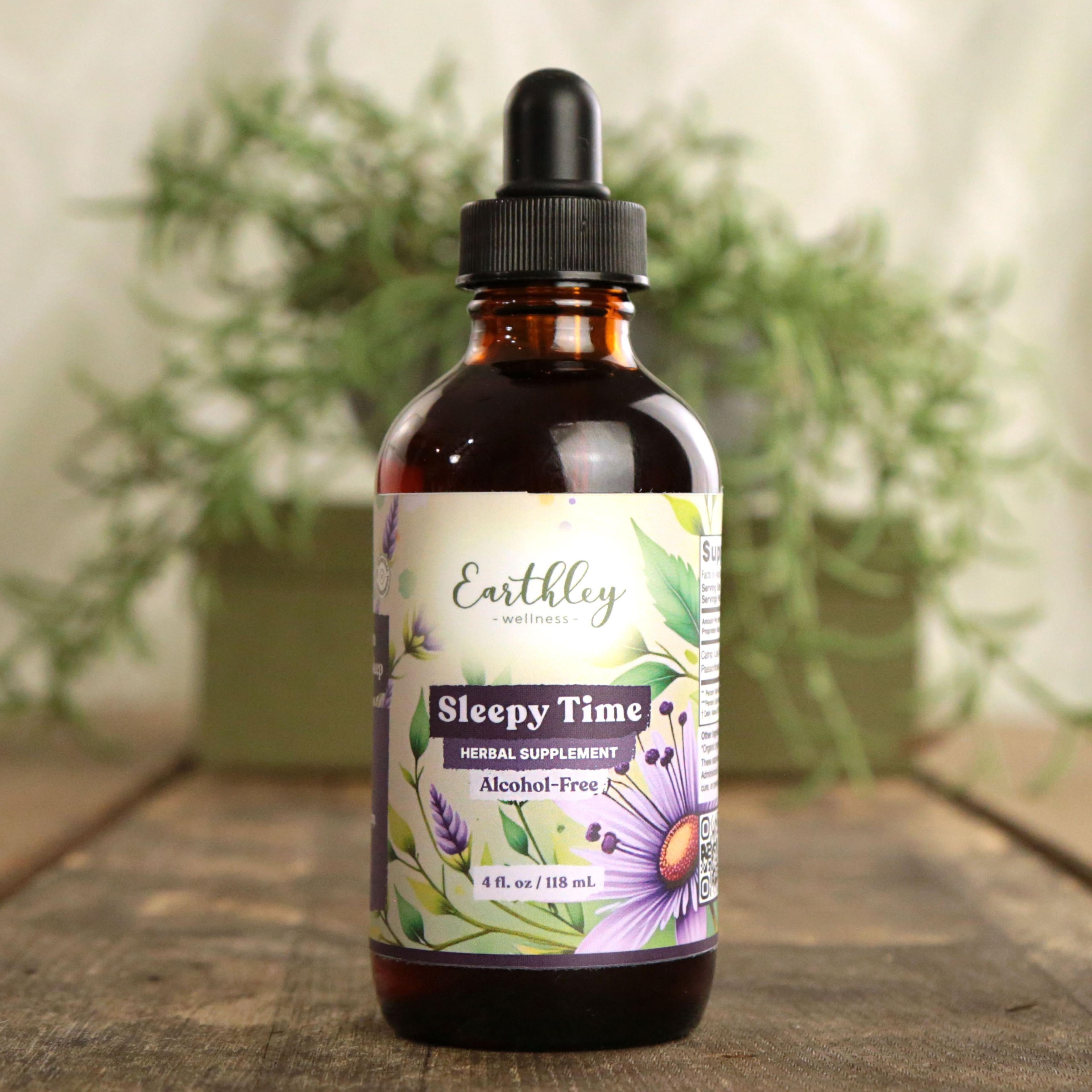
To promote restful sleep
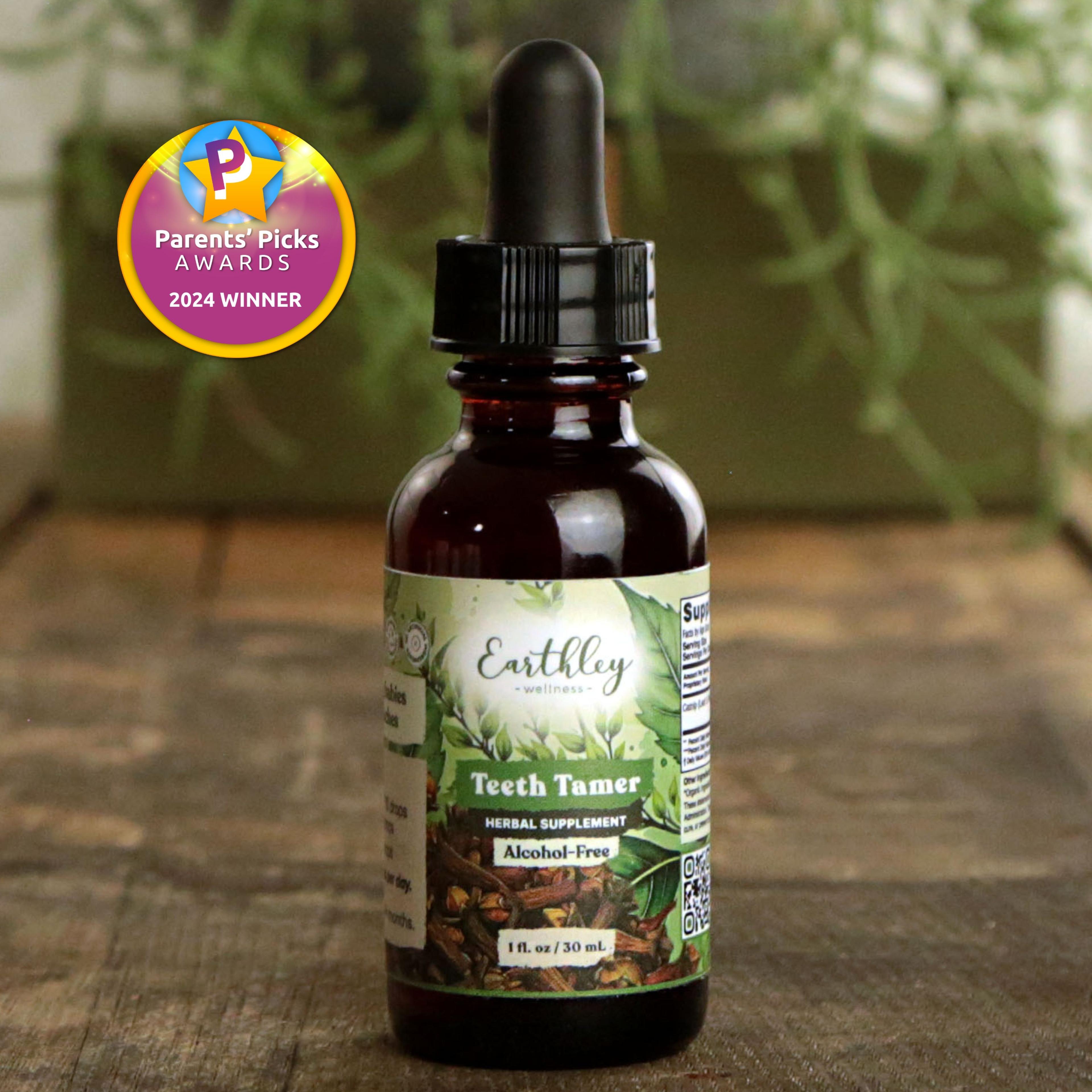
Gentle herbal comfort for teething babies and sensitive teeth
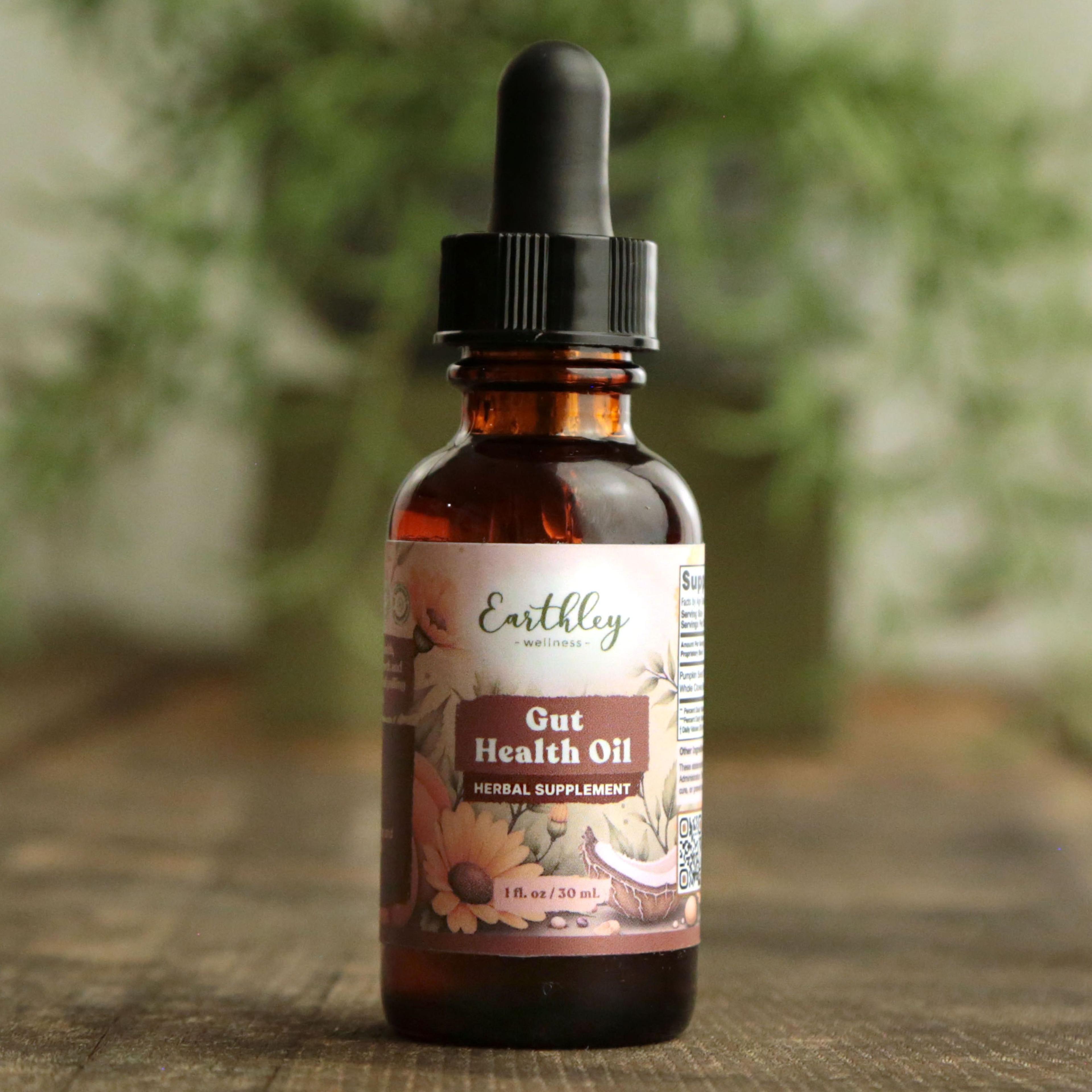
Supports digestive health and helps maintain a balanced microbial environment. Supports oral hygiene.
Stay Connected
Get updates and exclusive offers straight to your inbox.