How Safe are Supplements Vs Pharmaceuticals
In a world where “health” is often tied to a prescription bottle, the supplement industry can feel like the little guy…overshadowed, misunderstood, and sometimes unfairly criticized. But when we look at the real numbers, the story changes. Supplements, especially when made responsibly and sourced transparently, are not only remarkably safe, but they’re also an essential part of how many people care for their bodies naturally.
Let’s take a look at what’s true, what’s fear-based, and how to navigate the world of supplements with confidence.
The Scale of the Two Industries
The pharmaceutical industry in the U.S. brings in around $1.57 trillion annually. The supplement industry? Roughly $54 billion. That means supplements make up less than 4% of the total Pharma size… or 96% smaller than pharma!
For every dollar spent on supplements, nearly $30 is spent on pharmaceutical drugs. Yet, supplements often get far more scrutiny when it comes to safety concerns.
So, are those concerns justified? Let’s look at the data.
Safety by the Numbers
Each year, about 150 million adults in the U.S. take dietary supplements. Of those, approximately 23,000 people visit the emergency room for supplement-related issues. That’s 0.0015%, a fraction of a fraction of users.
And here’s something even more important:
Most of those ER visits come from illegally adulterated or contaminated supplements - often imported products or those sold through sketchy online vendors with no testing standards. When you remove those outliers, the rate of supplement-related illness from legitimate, U.S.-made products becomes almost negligible.
Now let’s compare that to pharmaceutical drugs.
Every year, 198 million adults take prescription medications. Prescription drug reactions cause 2.7 million illnesses and approximately 106,000 deaths annually… making them the third leading cause of death in the U.S.
To put that into perspective:
- 1.3% of people who take prescription drugs get sick from them.
- 0.0035% of people who take prescription drugs die from them.
You are 2.3 times more likely to die from a prescription drug than to even get sick from a supplement.
That’s a staggering comparison.
Where Supplements Come From
The word “supplement” covers a wide range of things, from isolated synthetic vitamins to whole-herb tinctures and mineral powders. But it’s important to remember where this practice began.
Long before there were pills and pharmacies, people used food and herbs to nourish their bodies. “Supplements” were once just whole plants, roots, leaves, and berries used as part of a balanced diet. The modern supplement industry grew from that foundation: a way to fill nutritional gaps when modern diets became more processed and less nutrient-dense.
In its purest form, a supplement is just concentrated nutrition… a way to bring the good stuff back in.
But when the industry started separating, extracting, and isolating individual constituents to create standardized, pharmaceutical-like doses, some products began behaving more like drugs. That’s where potential risks arise… not from the whole herb or food-based nutrients, but from taking single compounds in large, unnatural amounts.
When Supplements Can Become Unsafe
Like anything in wellness, supplements aren’t one-size-fits-all. The most common reasons people experience problems are:
1. Contamination or Adulteration
This happens when a company cuts corners, adding fillers, using poor-quality raw materials, or skipping third-party testing. Some overseas manufacturers have been caught adding pharmaceuticals to “natural” weight loss or performance products. Always buy from companies that share their sourcing, testing, and ingredient lists transparently.
2. Drug–Supplement Interactions
Even natural ingredients can change how a prescription works in the body. That doesn’t make them dangerous; it just means they’re active. Consider talking to a qualified herbalist or health practitioner before combining herbs or supplements with medications.
3. Mega-Dosing
More is not always better. Isolated nutrients in high doses can stress the liver or kidneys and throw off other minerals and vitamins in the body. Food-based, balanced forms are always the safest, because your body knows what to do with them. Read more about Why You Shouldn’t Mega-dose Nutrients (Usually).
A Quick Look Back: The History of Whole Nutrition
In the early 20th century, as processed foods became more common, people began developing illnesses tied to nutrient deficiencies. Supplementation started as a solution to that problem; a way to restore what modern life had stripped away.
Vitamin C from citrus, cod liver oil for vitamin D, brewer’s yeast for B vitamins; these were household staples, not “niche” health products.
But as the pharmaceutical industry grew, so did synthetic forms of those same vitamins. They could be mass-produced, standardized, and patented, which meant they could be sold for profit. Natural nutrition quietly took a back seat.
Now, people are beginning to rediscover the simplest approach: food, herbs, and whole nutrition, which is also the most sustainable and aligned with how our bodies were designed to function.
How to Choose Safe, High-Quality Supplements
Choosing the right supplement isn’t about chasing trends or fancy labels. It’s about knowing where your products come from and trusting that what’s inside the bottle matches what’s on the label.
Here’s what to look for:
- Transparency — The company should clearly list every ingredient and explain what each one does. No “proprietary blends” or mystery formulas that don't disclose the ingredients.
- Testing — Look for companies that use third-party testing to verify purity and potency.
- Whole-Food or Herb-Based Formulas — Choose supplements made from recognizable ingredients, not isolated synthetics whenever possible.
- Ethical Sourcing — How are the herbs grown and harvested? Are they organic or wildcrafted responsibly?
- Education and Integrity — Does the company share educational information freely, or just push sales? Trust the ones that empower you to make your own decisions.
- Avoid Gimmicks — If a supplement promises dramatic, drug-like results, it’s not a supplement… it’s a red flag.
The Real Goal: Supporting, Not Replacing
Supplements were never meant to replace a balanced lifestyle. They’re meant to support it… to fill the gaps when food quality, soil nutrients, and stress levels make it hard to get everything we need from diet alone.
Whole herbs, gentle minerals, and food-based nutrients can complement the body beautifully, nudging it toward balance instead of forcing it into a chemical reaction.
The Bottom Line
Prescription drugs absolutely have their place in emergency and acute care. But when we zoom out and look at the numbers, supplements are statistically far safer. Especially when they are used as they were meant to be; responsibly, intentionally, and from trusted sources.
The key isn’t to fear one or idolize the other. It’s to recognize that our bodies thrive on nourishment, not manipulation… and that we can take an empowered, informed approach to both modern and natural wellness.
When you choose quality, whole-plant supplements from a company rooted in transparency and integrity, you’re not taking a risk… you’re taking responsibility for your health.
Check out these products!
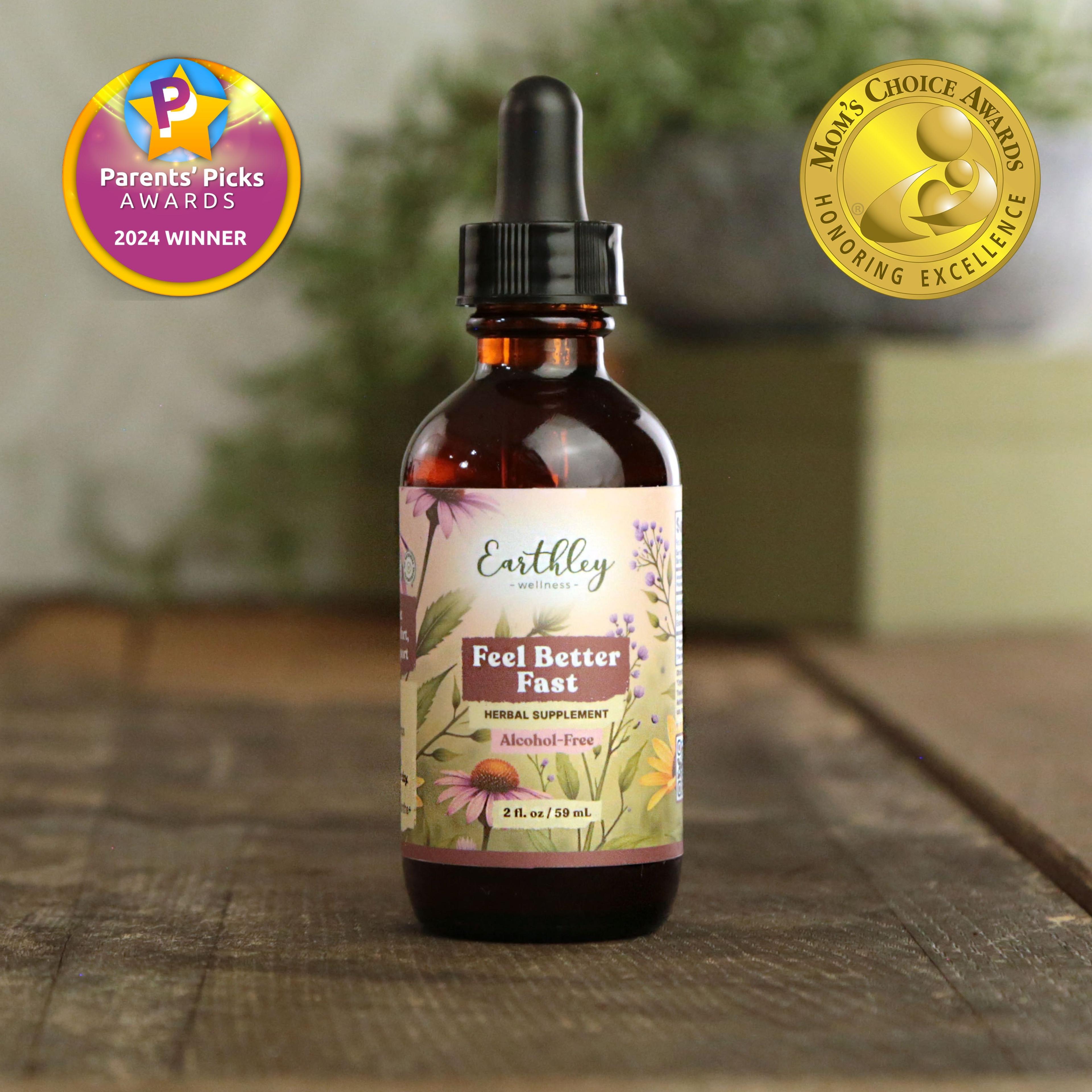
Gentle whole-family support for immunity, digestion, and everyday comfort
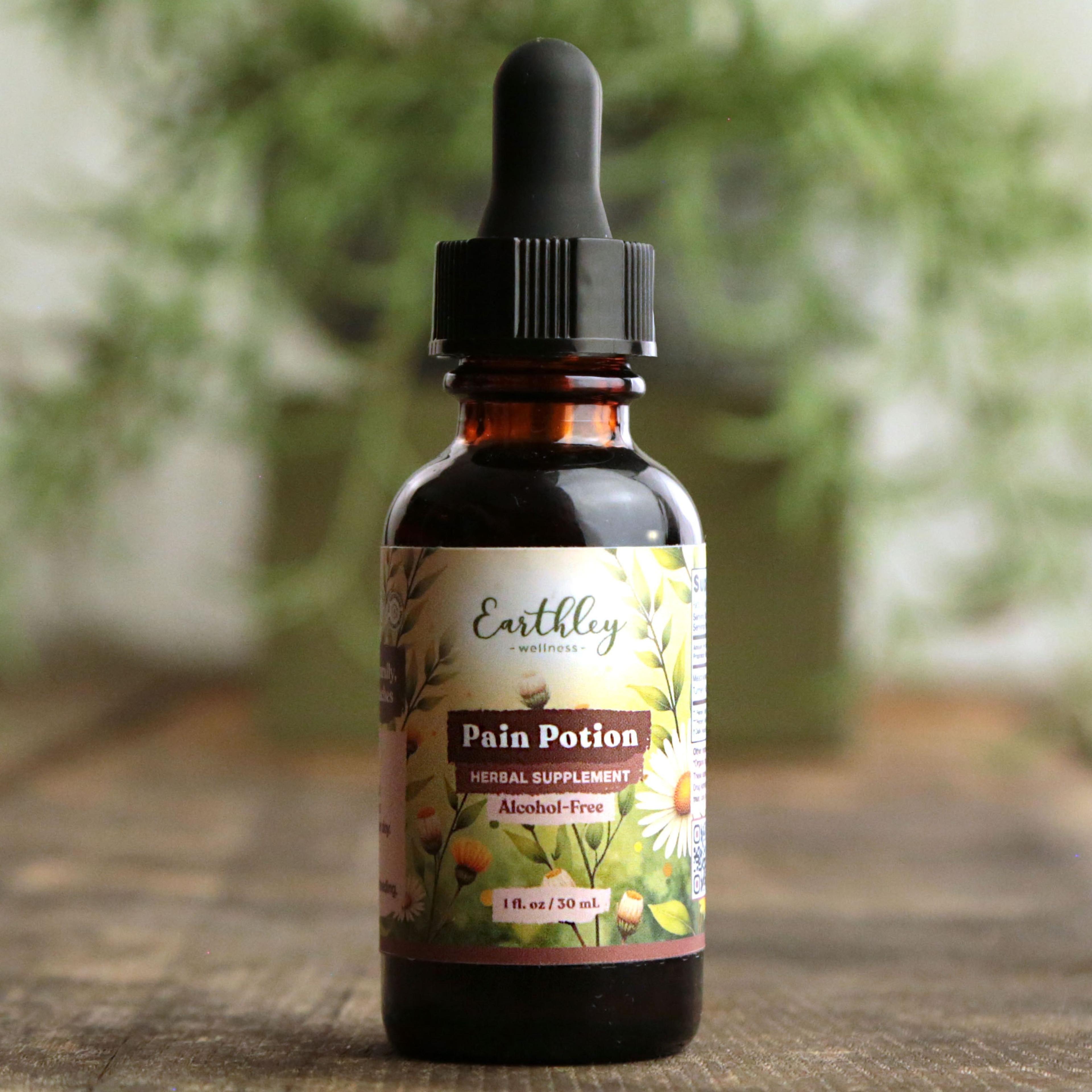
Relieve pain naturally, including headaches
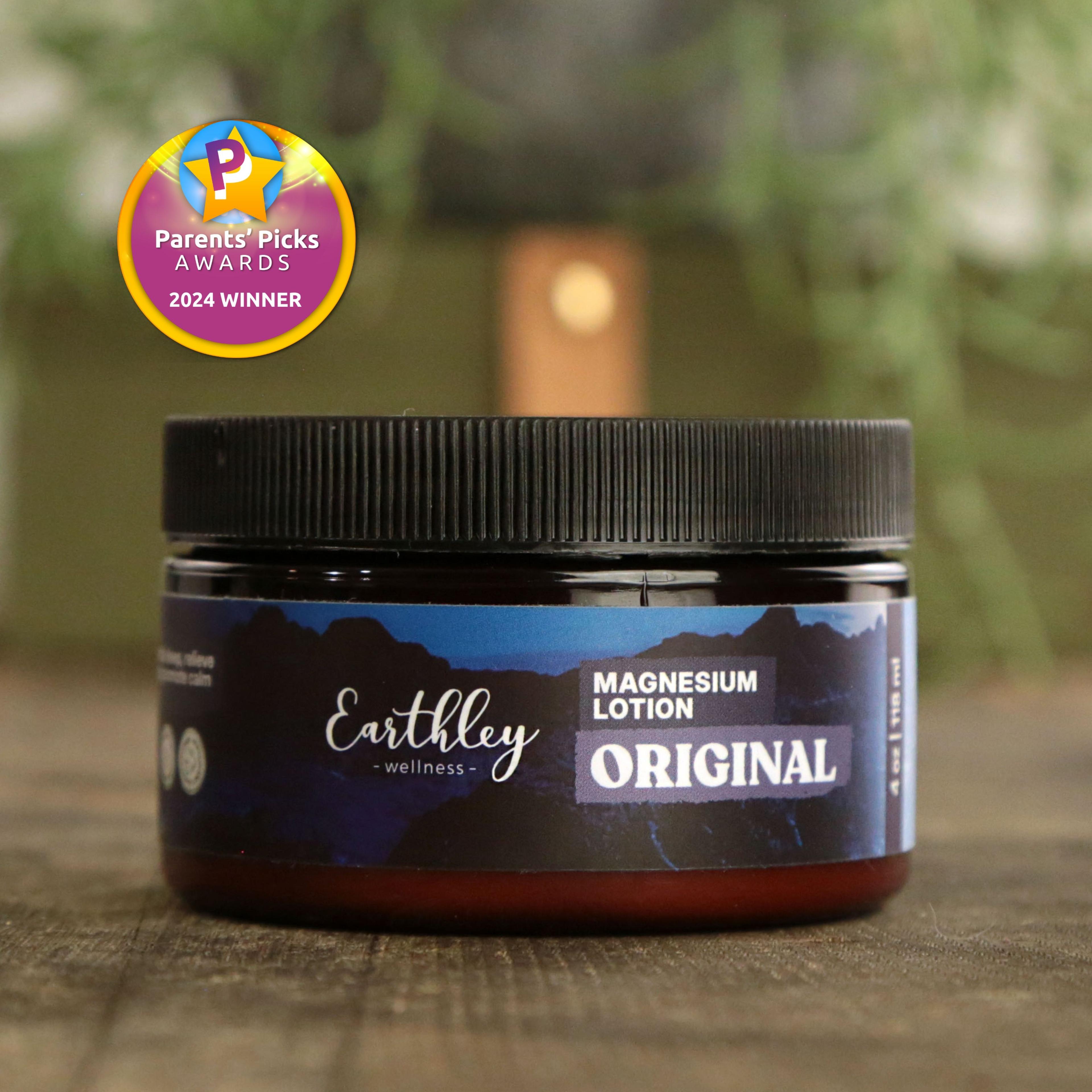
For healthy sleep, muscle soreness, and gut health
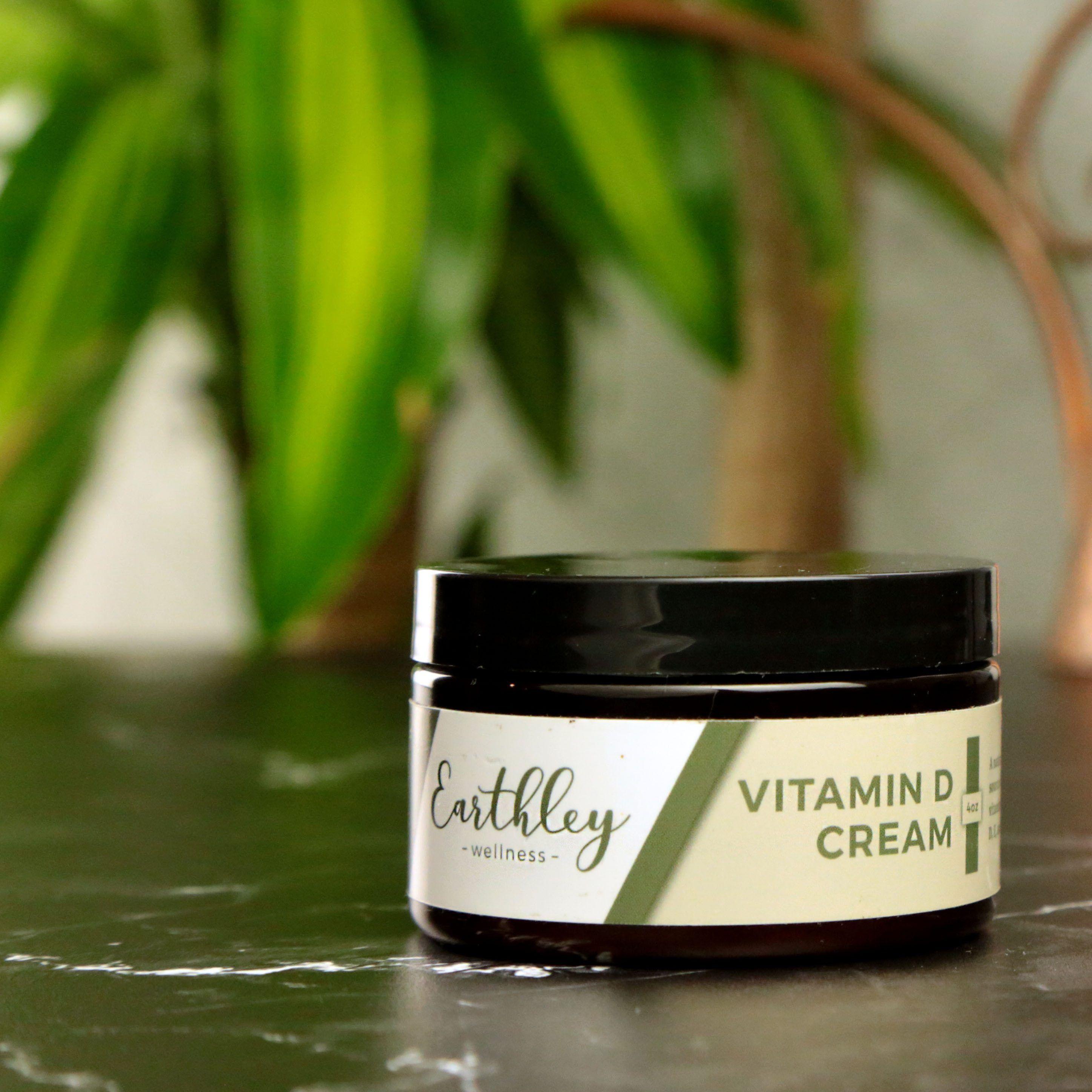
For natural vitamin D
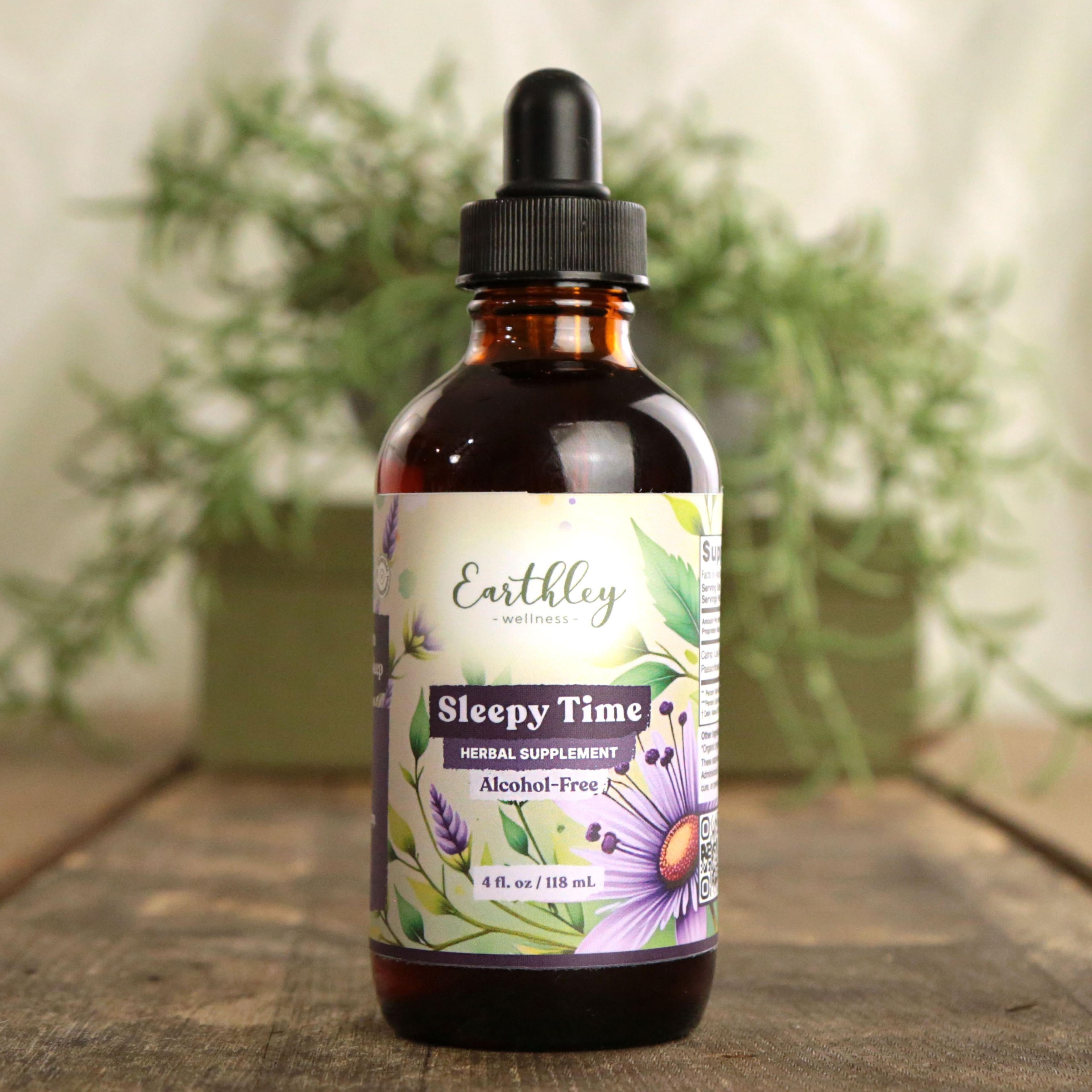
To promote restful sleep
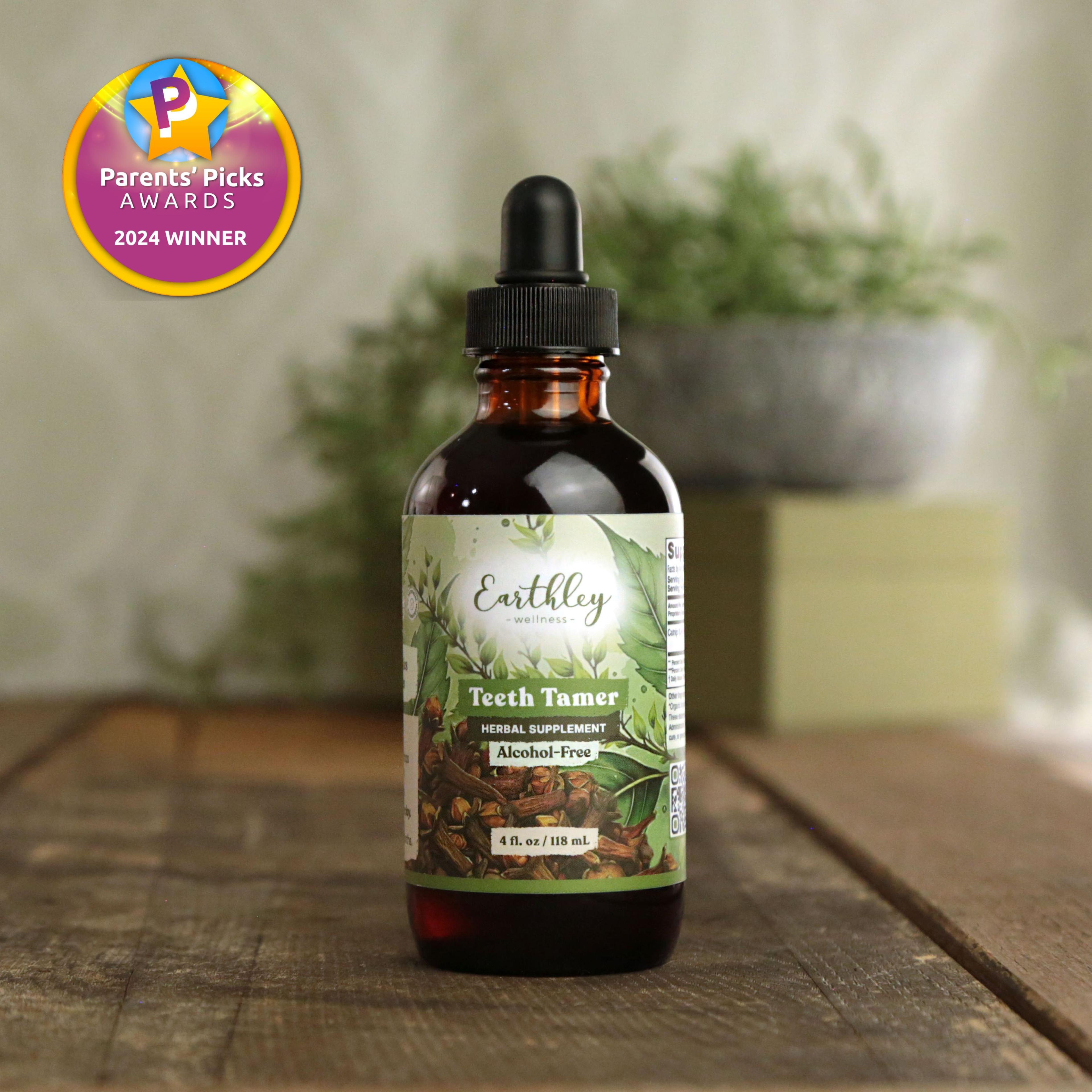
Gentle herbal comfort for teething babies and sensitive teeth
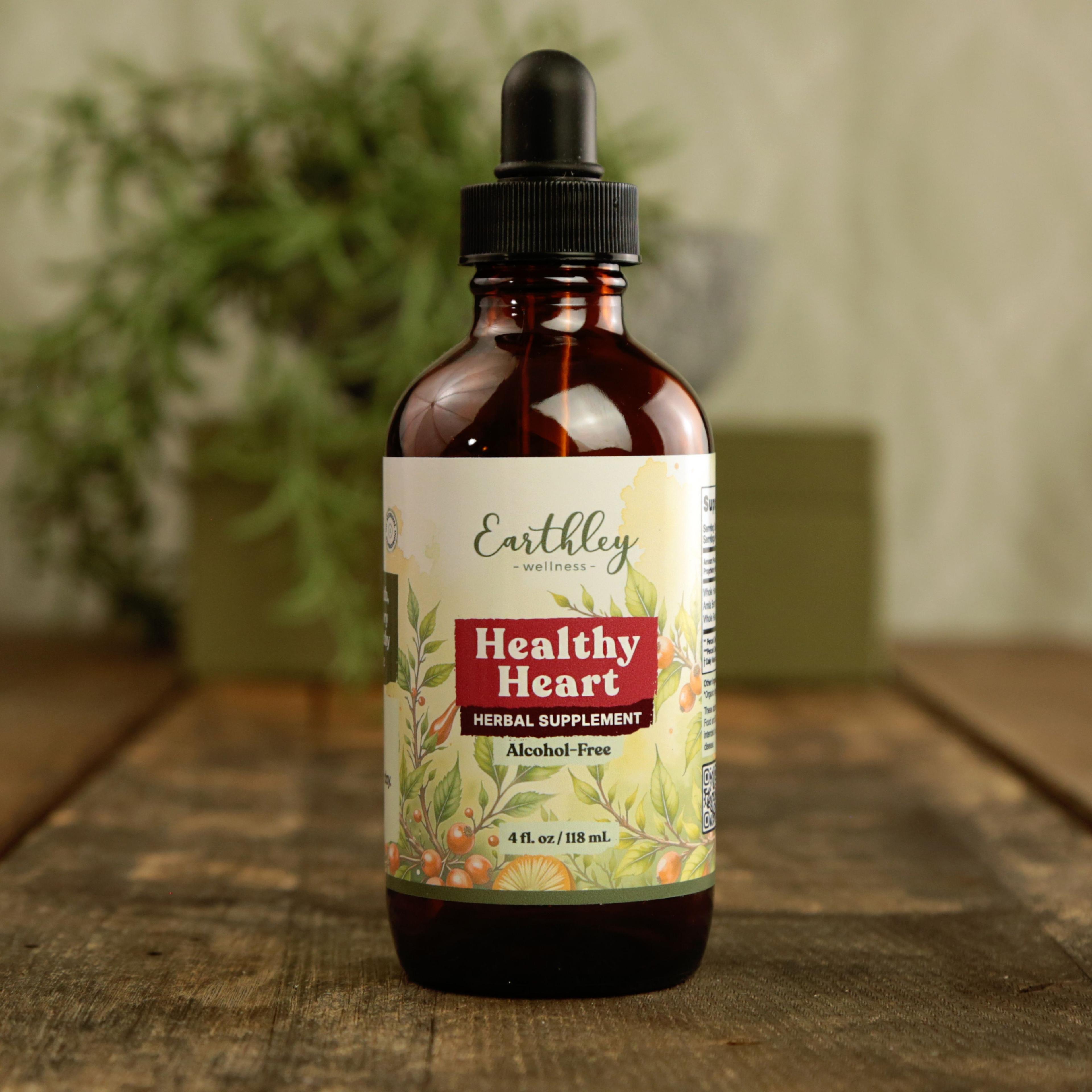
Supports heart health and circulation
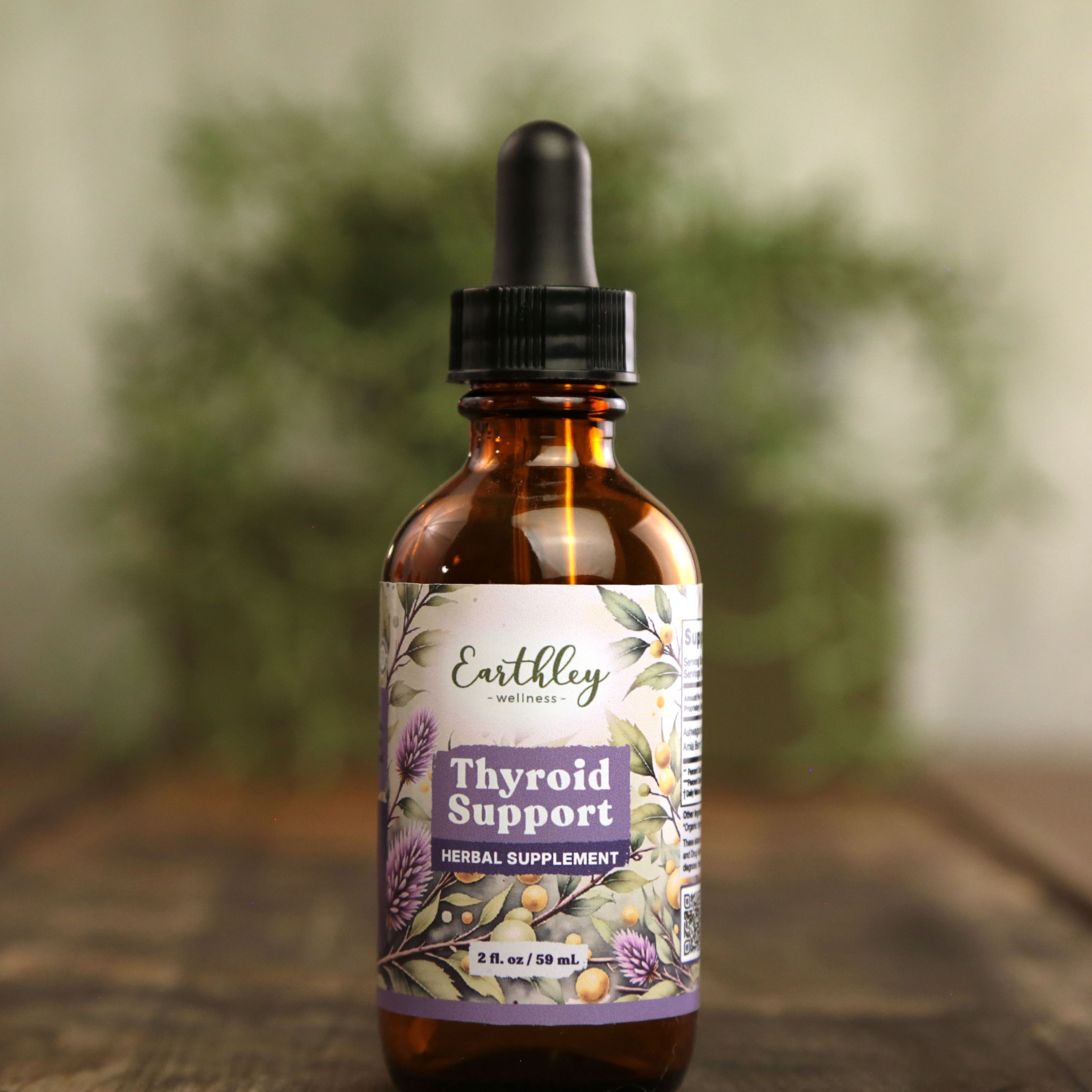
Herbal support for thyroid function, energy, and metabolic wellness
References
Council for Responsible Nutrition (CRN): 2021 Industry Data https://www.crnusa.org/2021events/President-Address
National Library of Medicine: “Emergency Department Visits Associated with Dietary Supplements” (PMC10195435) https://pmc.ncbi.nlm.nih.gov/articles/PMC10195435/
Practical Neurology: “Adverse Drug Events are the 3rd Leading Cause of Death in the USA” https://practicalneurology.com/news/new-analysis-suggest-adverse-drug-events-are-the-3rd-leading-cause-of-death-in-the-usa/2473820/
Riscassi & Davis: “Death from Prescription Drugs” https://www.riscassi-davis.com/blog/2022/april/death-from-prescription-drugs/
Stay Connected
Get updates and exclusive offers straight to your inbox.