The Hidden Places Plastic Sneaks Into Your Home (And Simple Swaps That Help)
We Don’t Buy Much Plastic… Or Do We?
If you’re reading this, there’s a good chance you already try to avoid plastic where you can. Maybe you skip plastic water bottles, use glass food containers, or bring reusable bags to the store.
And yet… plastic still seems to show up everywhere.
That’s because plastic isn’t just packaging anymore. It’s woven into everyday items we rarely stop to question, from the clothes we wear to the tools we use to clean up after dinner. This isn’t about panic or perfection. It’s about noticing where plastic hides so you can make informed, realistic choices at your own pace.
Clothing and Textiles (Yes, Even the “Nice” Ones)
Most of us are careful about what we eat, but far fewer of us check clothing tags.
Many modern fabrics are made with synthetic fibers like polyester, nylon, acrylic, and spandex. These materials are common in athletic wear, fleece jackets, and even upholstery, carpets, and rugs. While they’re convenient and durable, they shed tiny microplastic fibers… especially when washed or exposed to heat.
This doesn’t mean you need to empty your closet. Awareness is the first step. When it is time to replace something, choosing natural fibers like cotton, linen, or wool can be a quieter, longer-term shift.
Kitchen Items That Aren’t Obviously Plastic
The kitchen is often where people start reducing plastic…but even here, it sneaks in.
Some common surprises:
- Non-stick cookware coatings
- Paper plates and cups lined with plastic
- Tea bags made with plastic mesh
- Coffee pods with plastic linings
- Takeout containers labeled “paper” but coated for grease resistance
One easy swap many families make is switching from tea bags to loose-leaf tea brewed with a stainless steel tea strainer. It avoids plastic altogether and holds up well to daily use.
These aren’t “all-or-nothing” changes. They’re small shifts that reduce repeated exposure over time…especially around heat and food.
Personal Care and Bathroom Products
Personal care is another place where plastic often hides behind “clean” or “natural” labels.
Some common sources:
- Toothbrush handles and bristles
- Razor cartridges
- Liquid soaps and shampoos
- Makeup packaging
- “Flushable” wipes
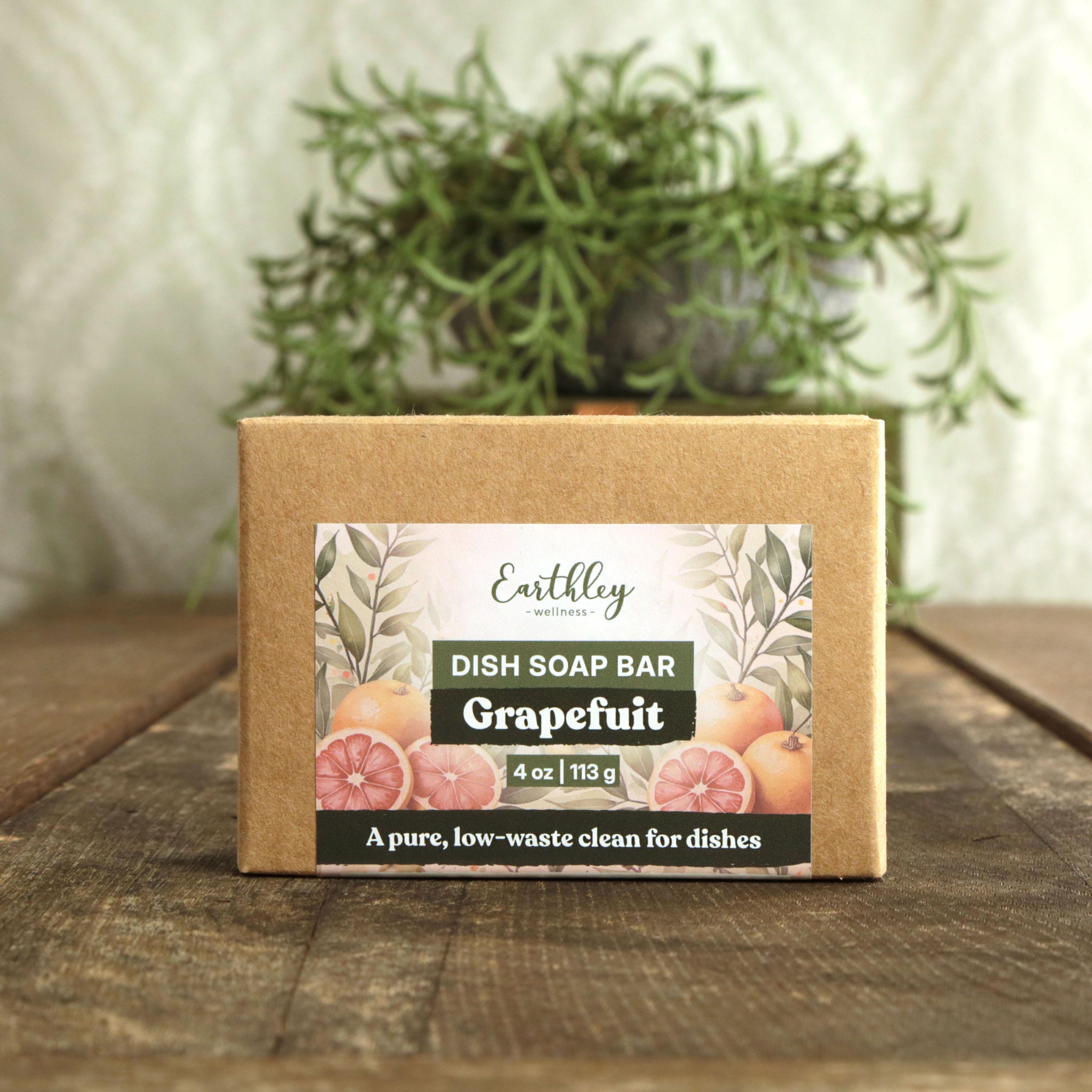
Even when the product itself is thoughtfully made, the packaging often isn’t. That’s why many people choose simple swaps like a bamboo toothbrush, a dry body brush, or a dish soap bar instead of liquid soap in a plastic bottle. These options reduce waste without adding extra steps…and often last longer, too.
Kids’ Items and Everyday Family Products
Kids’ products can feel especially unavoidable.
Plastic shows up in:
- Toys (even wooden ones sealed with plastic coatings)
- Sippy cups and snack containers
- School supplies
- Craft materials
Convenience often wins here…and that’s okay. The goal isn’t to eliminate plastic from childhood. It’s to make small swaps where they make sense, like choosing stainless steel or glass for frequently used food containers, or being mindful about what gets heated or chewed on regularly.
Furniture, Home Goods, and Decor
Furniture isn’t something most of us think of as plastic, but it often is.
Plastic can be found in:
- Faux leather
- Foam cushions
- Rugs and mats
- Mattress covers and protectors
Again, this isn’t about replacing everything you own. But knowing what’s actually in your home can help guide future purchases, especially for items you use every day or keep close to your body.
Food Packaging That Looks “Plastic-Free”
Paper and cardboard feel like better choices, and often they are…but many are still lined with plastic.
Grease-resistant coatings, shelf-stable linings, and some “compostable” packages rely on synthetic materials. The takeaway here isn’t distrust, it’s curiosity. The more familiar you are with packaging, the easier it becomes to make choices that align with your priorities.
What to Do With This Information
If this list feels long, take a breath. This isn’t a checklist you’re meant to conquer.
A more sustainable approach:
- Start with high-use items
- Focus on food contact and heat exposure
- Replace things slowly as they wear out
- Use what you already have
You don’t need to make changes all at once for them to matter.
Small Swaps That Make the Biggest Difference
When you are ready to replace something, a few options tend to make an outsized impact:
- Glass or stainless steel water bottles instead of plastic
- Loose-leaf tea with a stainless steel infuser
- Bars inst10. Awareness Without Perfection ead of liquids (like dish soap instead of bottled detergent or plastic pods)
- Wooden or metal kitchen tools instead of plastic
These swaps reduce repeated exposure and tend to last longer, making them practical as well as thoughtful.
Awareness Without Perfection
Plastic is deeply woven into modern life. Becoming aware of where it shows up doesn’t mean you’re expected to eliminate it completely.
Awareness gives you the ability to choose better, not perfect options over time. And those small, thoughtful changes? They add up more than you might think.
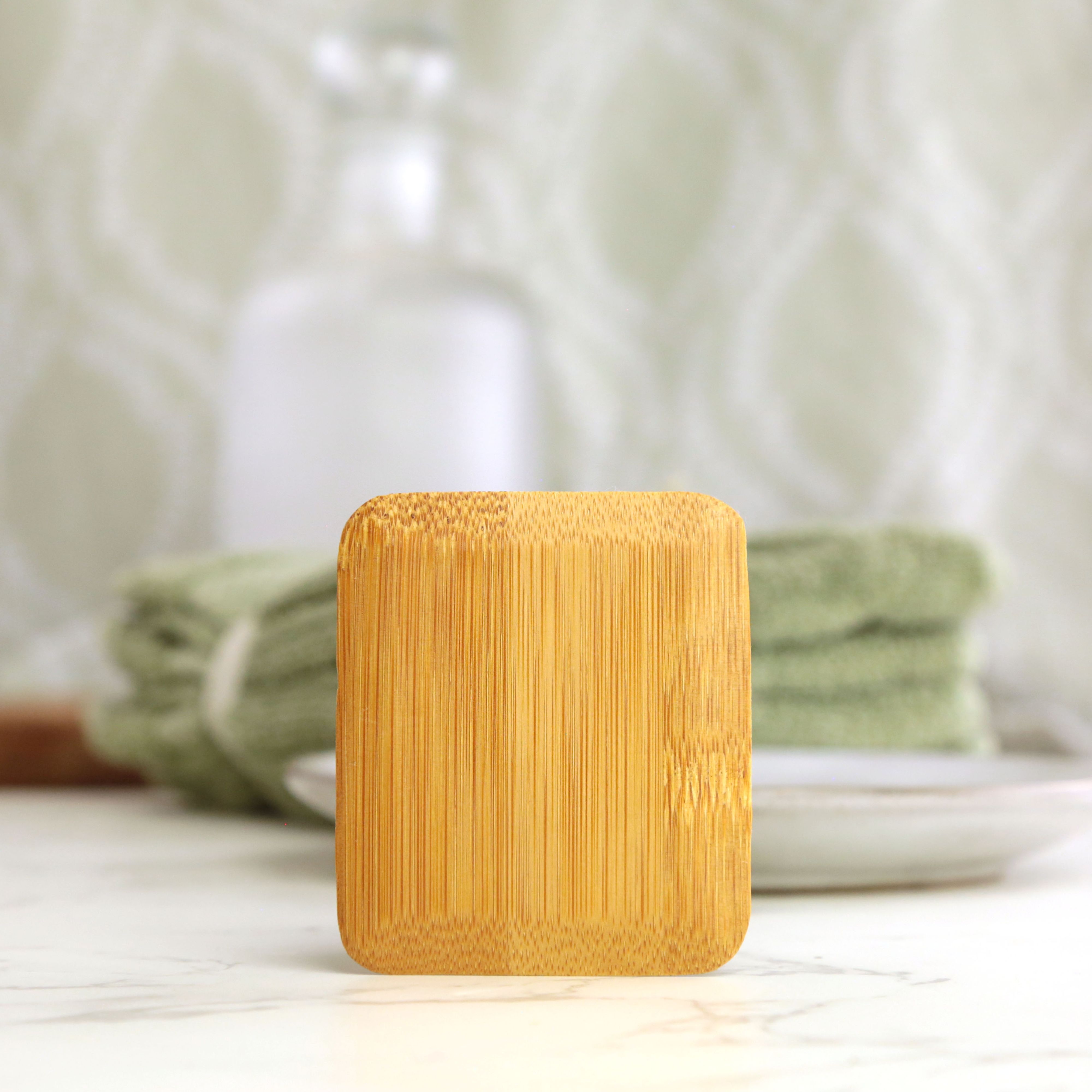
Eco-friendly, compostable, and gentle on cookware
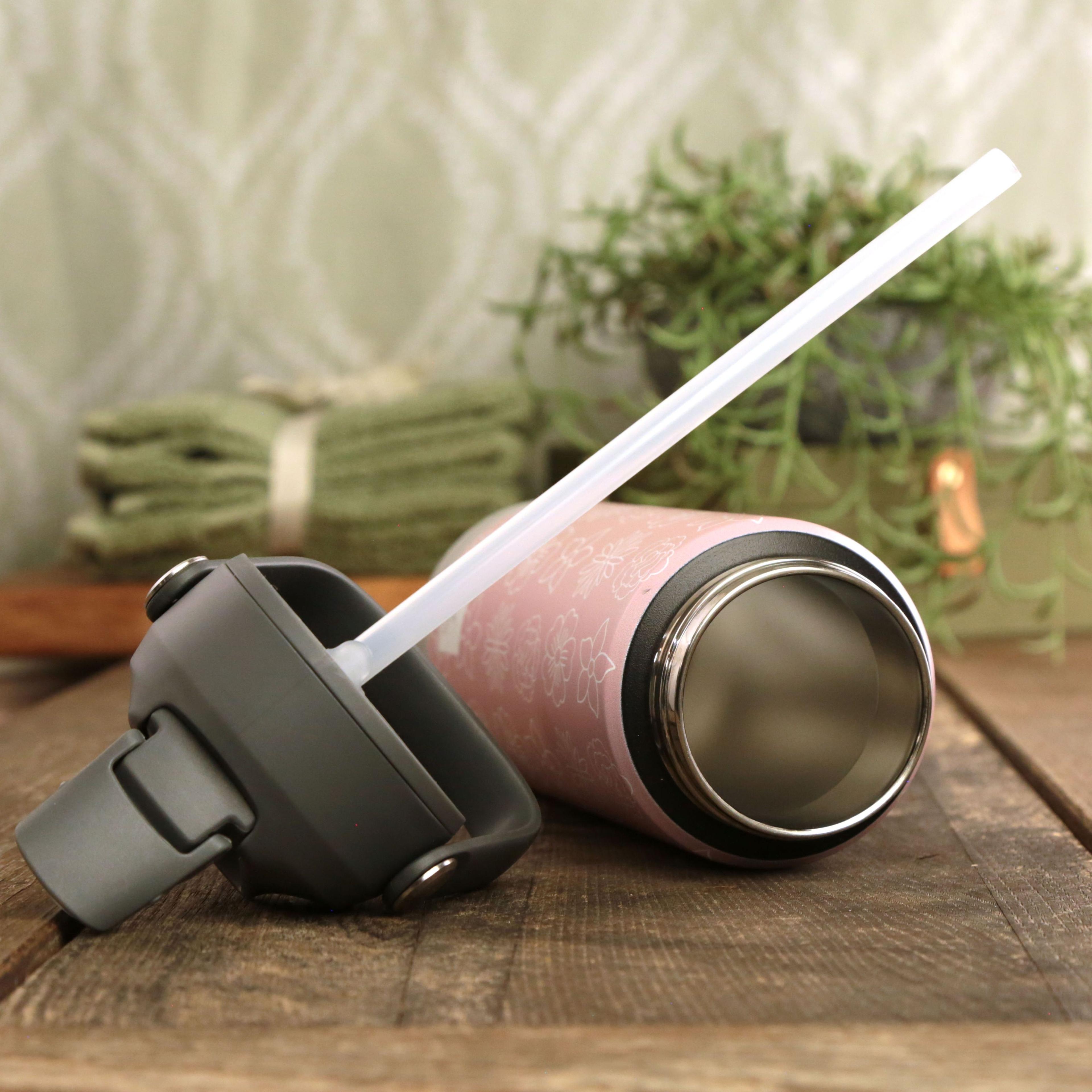
Tumbler with leak-proof sipper lid & silicone bumper
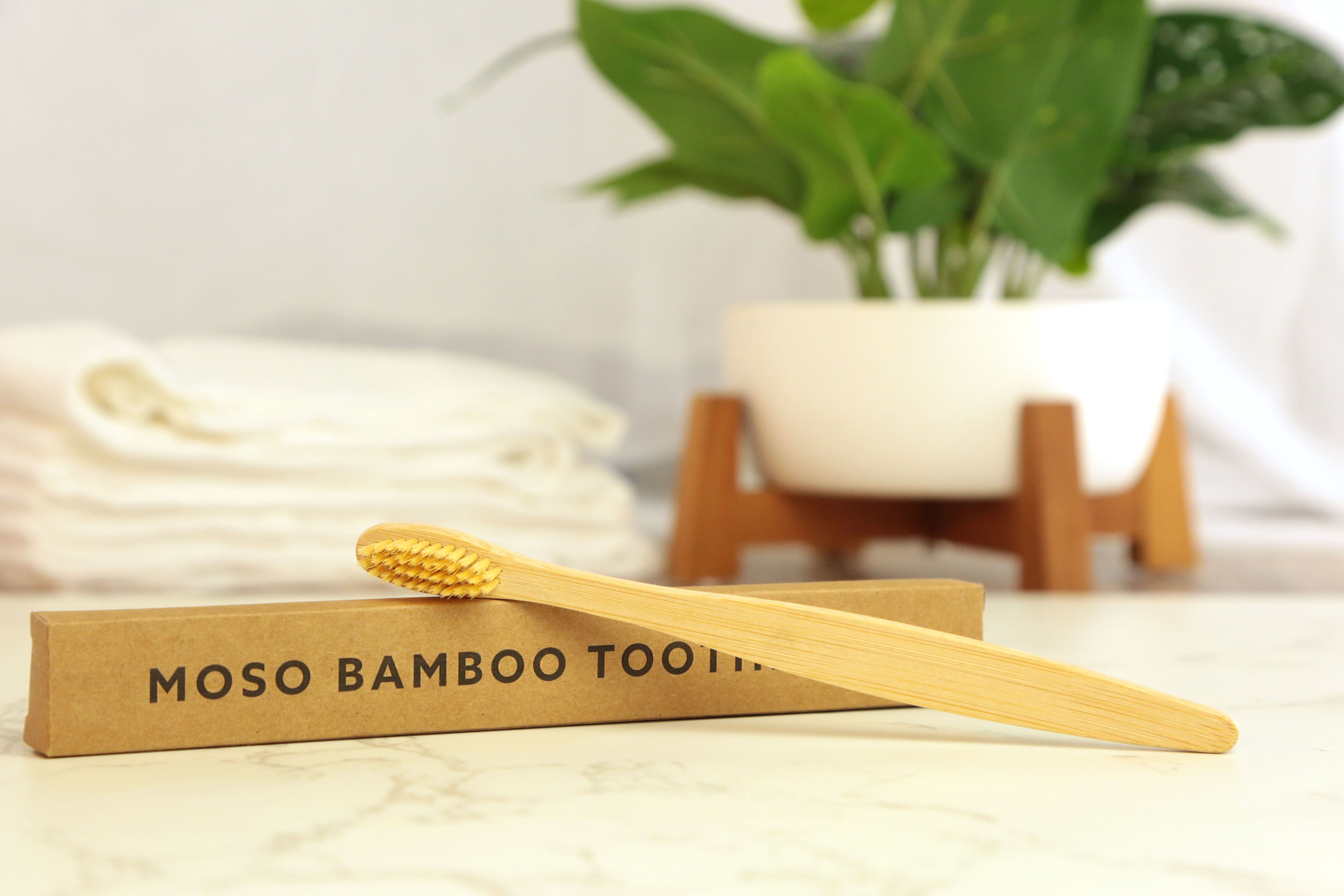
Eco-Friendly Oral Care
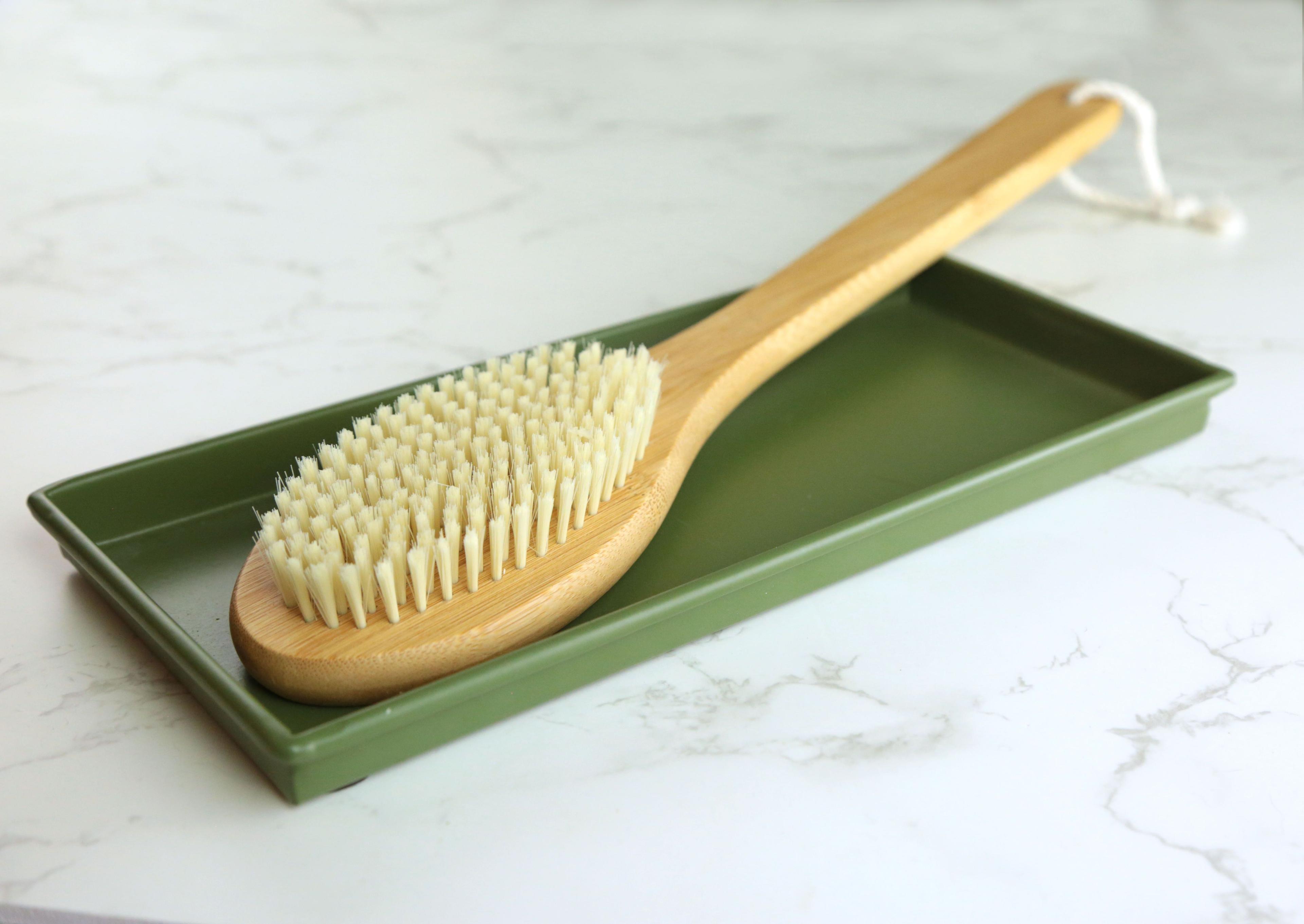
Natural exfoliation for radiant skin (gentle for all skin types)