Is Flotation Therapy Worth It?
- What flotation therapy is and how it works.
- The benefits people experience when they float.
- What a session is like.
- Is it right for you (right now)?
If life is a lot and you feel like you could really use a new relaxation therapy, but just don’t have the time or money right now, don’t worry. You don’t have to go somewhere or spend a lot of money to experience more ease. Our Calm & Clarity herbal blend is here to offer easy everyday support, right from your own home.
What Flotation Therapy Is
Modern life can be noisy, demanding, and overstimulating, leaving your nervous system feeling tense and overloaded. Flotation therapy offers something many of us don’t get often enough: a quiet, low‑stimulus environment where your body and mind can take a break.
In a float session, you lie in warm, shallow, highly salted water that makes you naturally buoyant. The space is dim or dark, quiet, and still. Many people appreciate it as one of the few places where they can fully disconnect without distractions.
How Flotation Therapy Works (The Basics)
A float tank—also called a float pod—is filled with warm water mixed with a very high amount of Epsom salt (magnesium sulfate), making the water so dense you float naturally. Because the water is heated to match your skin temperature, the sensation of “being in water” often fades, adding to the feeling of stillness.
You can adjust the environment however you like: lights on or off, music or silence, lid open or closed. Some people use the pod for full sensory reduction; others prefer to keep a bit of light or sound. There’s no "right” way—just whatever helps you feel comfortable.
A typical session lasts about an hour.
Most people spend the first few minutes adjusting to the stillness. As the session continues, your muscles may loosen, your breathing may become slower, and your mind may quiet down simply because there’s very little sensory input to process.
Potential Benefits People Report
Not everyone experiences flotation therapy the same way, but there are a few benefits people commonly notice:
- Deep relaxation and stress relief. With reduced sensory input, our bodies and minds have a rare opportunity to unwind. Many people leave feeling calmer and more settled.
- Improved mood. Even one hour away from constant stimulation can support noticeable emotional and mental relief.
- Muscle relaxation and recovery support. The weightlessness can reduce pressure on joints and tight muscles, which some find soothing after physical strain or long hours sitting.
- Better sleep. Some people find they sleep more deeply after floating. The combination of physical relaxation and mental quiet can help the mind settle at bedtime.
- A creativity or mindfulness boost. The quiet environment can make it easier to think without interruption or to simply rest in stillness.
While flotation therapy isn’t a guaranteed fix, approaching it with curiosity often at least leads to a pleasantly restful experience.
What to Expect + Tips for Your First Float
Trying something new can bring nerves, but float spas are usually designed to help you feel comfortable from the moment you arrive.
Some pointers before you go:
- Travel light. Float rooms are private, and most people choose to float nude so they can fully relax. Spas typically provide towels, toiletries, sandals, and earplugs.
- Don’t go hungry. Eat a light meal. A hangry float is counterproductive, but being over full can be uncomfortable.
- Hydrate (gently). Stay hydrated before and after floating, but don’t overfill your belly with water before you go. Many people support hydration with electrolytes after floating.
- Avoid caffeine beforehand. It can make relaxing harder.
- Avoid shaving that day. Saltwater can irritate freshly shaved skin.
At the float spa:
Most spas give a quick orientation. You’ll shower first to rinse off oils or lotions. Earplugs and neck-support “halos” are usually available.
You’re fully in control of the experience. You can adjust the lights, choose music or silence, or keep the lid open. If your mind feels busy at first, focusing on slow breathing—like long exhales—can help you settle. And if anything feels uncomfortable, you can pause, open the lid, or step out at any time.
After your float:
Shower to rinse off the saltwater, then take your time getting dressed. Many spas have a quiet lounge where you can sit for a few minutes before returning to your day.
Common questions:
- What if I’m claustrophobic? You can float with the lid open or with the light on.
- Is the water clean? Yes—saltwater is naturally hygienic, and spas sanitize tanks between each client.
- How often should I float? There’s no set recommendation. Some go weekly or monthly; others try it once and feel that’s enough.
- Who should wait? Anyone with open wounds, infections, or menstruating should postpone their session.
Is Floatation Therapy Right for You?
If you’re feeling stressed, tense, or simply worn out, flotation therapy can offer a break from the demands of everyday life. It’s gentle, low effort, and doesn’t require any skill.
You might discover it’s exactly the reset you’ve needed, or you may simply appreciate trying something new and restorative. Either way, giving yourself permission to rest is worth a lot.
If you’re craving peace and quiet, floating might be worth trying—at least once.
And if now is not the time for a float, or if you prefer at-home support, check out our Stress Less guide for other simple ways to feel more ease and live the less stressful life you deserve.
Disclaimer - This blog post is provided for educational and informational purposes only and does not constitute providing medical advice or professional services and its statements have not been evaluated by the FDA. The information provided should not be used for diagnosing or treating a health problem or disease. Always seek the advice of a qualified health care provider regarding a specific medical condition.
Recommended for You:
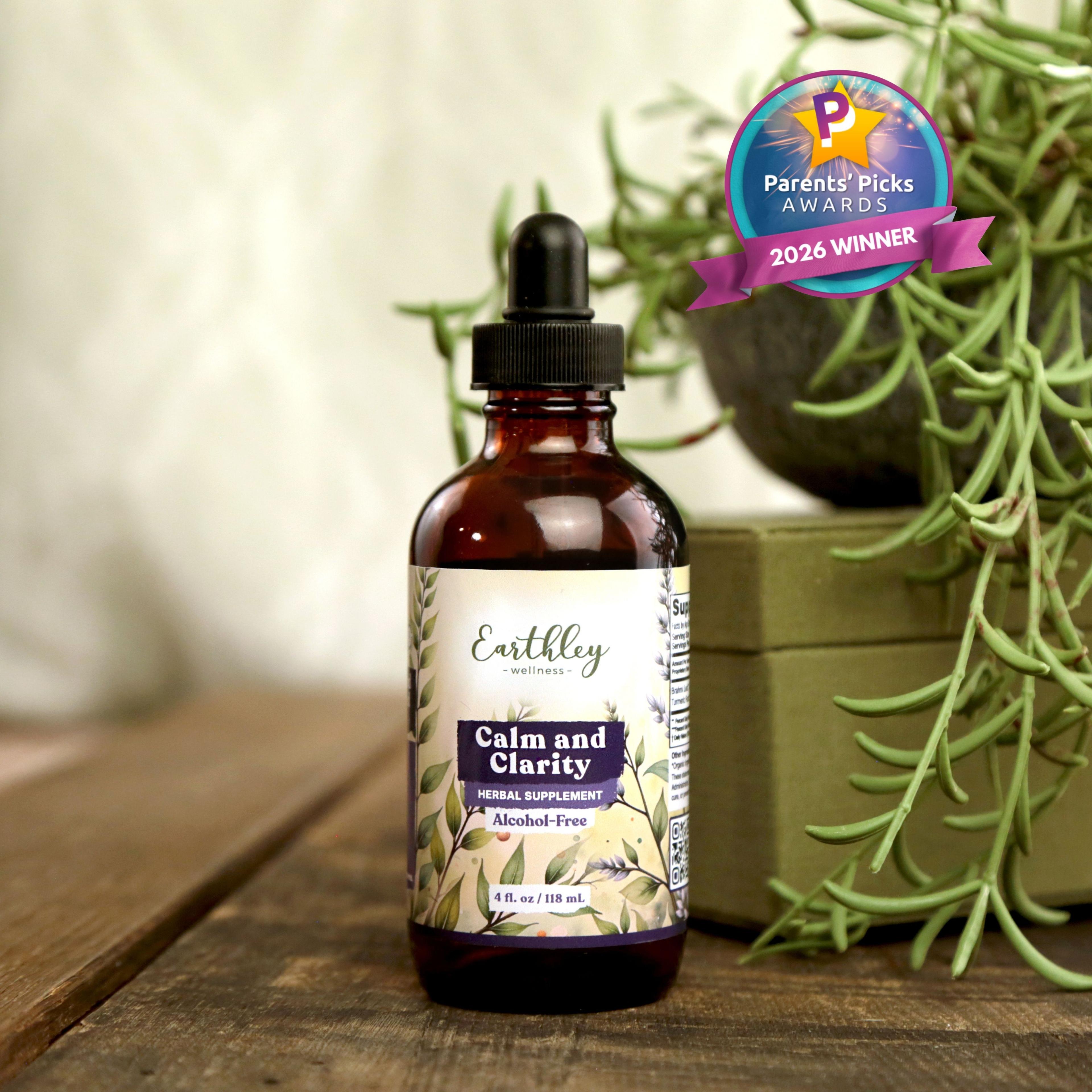
Promotes balanced mood and focused attention
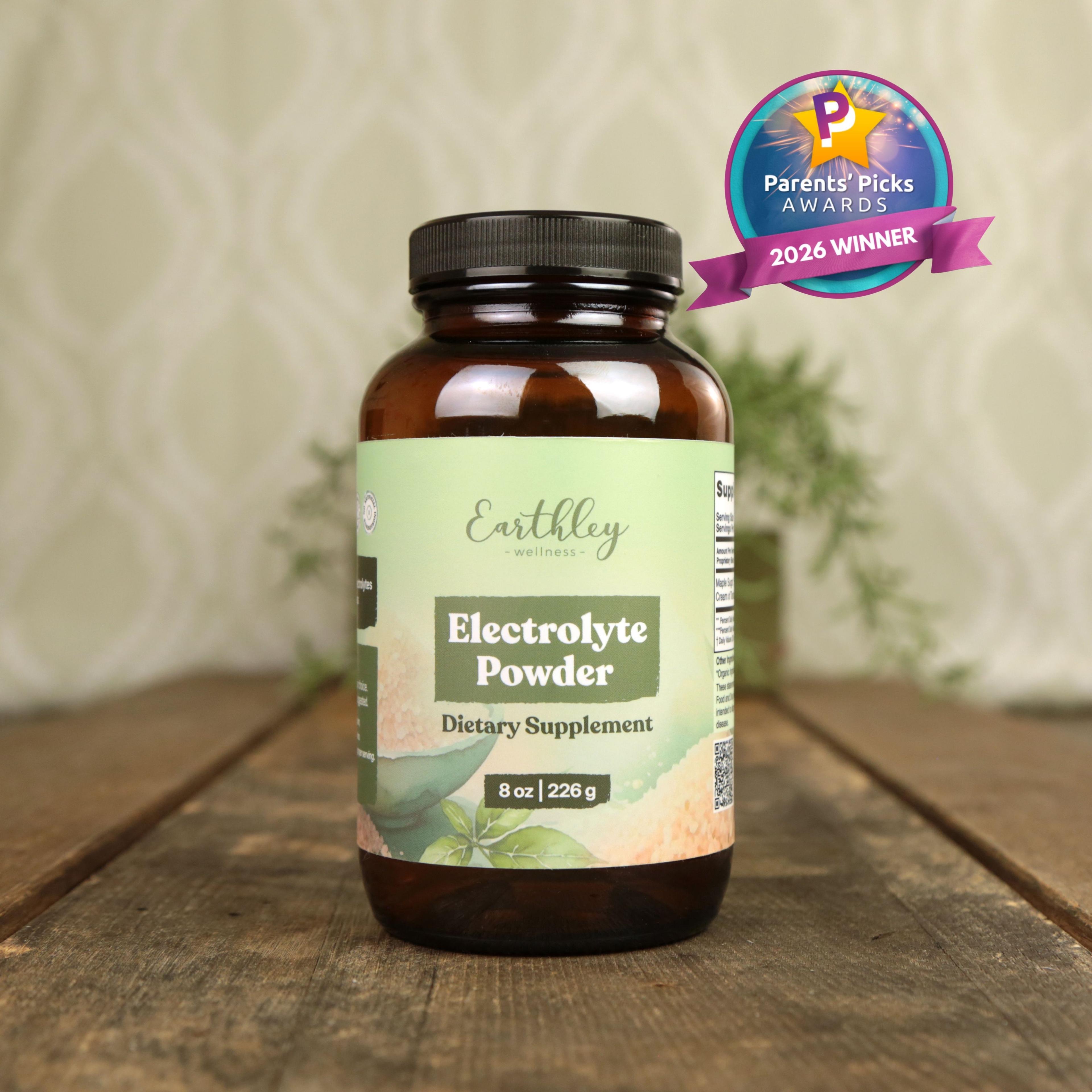
To hydrate with natural electrolytes during endurance or illness
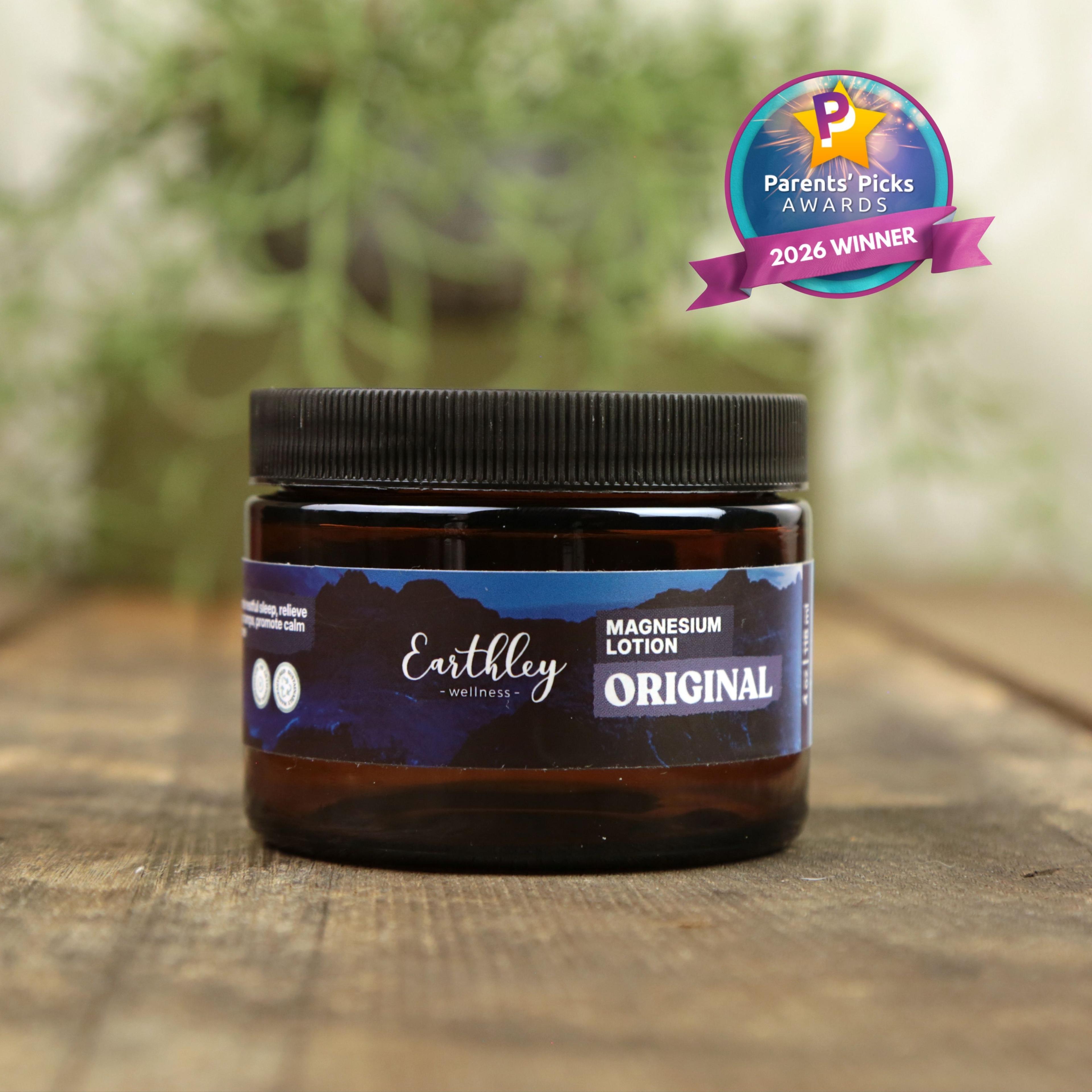
For healthy sleep and magnesium (NEW! Moonlight Bloom scent)

Sources:
- Floatation Therapy for Physical Conditions - NCBI Bookshelf https://www.ncbi.nlm.nih.gov/books/NBK595362/
- Sensory Deprivation Tank Benefits and Risks https://health.clevelandclinic.org/float-therapy-benefits
- Easy Detox & Stress Relief: The Simple Power of Epsom Salt Baths https://www.tcimedicine.com/post/easy-detox-stress-relief-the-simple-power-of-epsom-salt-baths
- Effects of Flotation‐REST on Muscle Tension Pain - Kjellgren - 2001 - Pain Research and Management - Wiley Online Library https://onlinelibrary.wiley.com/doi/10.1155/2001/768501
- A study of flotation-REST (restricted environmental stimulation therapy) as an insomnia treatment - PMC https://pmc.ncbi.nlm.nih.gov/articles/PMC8906387/#sec14 Flotation restricted environmental stimulation therapy (REST) as a stress-management tool: A meta-analysis: Psychology & Health: Vol 20, No 3 https://www.tandfonline.com/doi/abs/10.1080/08870440412331337093
- Floatation Therapy for Mental Health Conditions - NCBI Bookshelf https://www.ncbi.nlm.nih.gov/books/NBK594333/
- Examining the short-term anxiolytic and antidepressant effect of Floatation-REST - PubMed https://pubmed.ncbi.nlm.nih.gov/29394251/
- Beneficial effects of treatment with sensory isolation in flotation-tank as a preventive health-care intervention – a randomized controlled pilot trial - PMC https://pmc.ncbi.nlm.nih.gov/articles/PMC4219027/
- Does flotation-rest (restricted environmental stimulation technique) have an effect on sleep? - ScienceDirect https://www.sciencedirect.com/science/article/pii/S1876382019306328
- What to expect for your first float at Sanctuary Float Spa – Sanctuary Float Spa https://www.sanctuaryfloatspa.com/what-to-expect-for-your-first-float/