Electrolytes 101
Electrolytes 101
Electrolytes are minerals in our body that carry tiny electrical charges, which help our nerves fire, our muscles move, and our cells produce energy. Think of them as the spark plugs that keep our body running smoothly.
When most people hear “electrolytes,” they picture sports drinks, but they’re essential for everyone. We need them to support hydration, energy, and overall well-being. Too little or too much of any electrolyte can throw things off in our bodies.
While staying hydrated is important, drinking too much plain water without replacing electrolytes can actually upset this delicate balance. That’s why knowing which electrolytes your body needs, and how to get them, is so valuable.
Main Electrolytes
There are more than three electrolytes that we need to function well. However, three of them stand out above the others because we need them for more than regulating fluid balance. These three electrolytes are sodium, potassium, and magnesium[1].
Sodium
Sodium is the number one electrolyte we lose when we sweat. It supports nerve signaling, muscle contractions, and proper fluid balance. It is the main electrolyte in the fluid outside of our cells[1].
When we hear the word sodium, we may think of table salt. While table salt and sea salt have the same amount of sodium in them, sea salt still contains trace amounts of other electrolytes like potassium, magnesium, and calcium.
Potassium
Potassium is the electrolyte that balances sodium, but it is not meant to be taken in a 1:1 ratio. It supports nerve signaling, muscle contractions, and healthy heart function. It is the main electrolyte inside the cells. Too little or too much potassium can affect muscle and heart function[1,2].
Magnesium
Magnesium supports healthy nervous system function, muscle relaxation, energy production, and sleep[1]. It plays a role in a large number of enzyme reactions, which is why chronically stressed individuals are often deficient in this electrolyte[3].
Other Essential Electrolytes
Calcium
Calcium supports strong bones and teeth, blood clotting, nerve signaling, and muscle function. Most of us are not really deficient in calcium. If anything, many of us consume too much of it, which can throw off the balance of other electrolytes.
Balancing calcium with magnesium helps keep our muscles, nerves, and bones functioning well.
Trace Minerals
Trace minerals like zinc, iron, and selenium are needed in tiny amounts and are usually easy to get through a balanced diet[5].
Signs Our Electrolyte Balance May Be Off
If our electrolyte balance is off, we might notice things like:
- Feeling fatigued even after a full night’s sleep
- Afternoon energy crashes
- Persistent thirst
- Lightheaded or dizzy when we stand
- Headaches in various locations on our head
- Muscle cramps or stiffness
- Feeling on edge or irritable
- Nighttime sweating
Other common signs include brain fog, craving salty foods, and sensitivity to heat.
Ways to Restore Electrolyte Balance
Unless we lose electrolytes faster than we can replace them, like when we sweat a lot, food is usually the best way to maintain balance[5].
- Seafood & Seaweed → Sodium, Potassium; Zinc, Selenium, Iron
- Meat & Poultry → Potassium; Iron, Zinc, Selenium
- Dairy → Calcium, Potassium; Zinc, Selenium
- Legumes, Nuts & Seeds → Magnesium, Potassium; Iron, Zinc, Selenium
- Leafy Greens & Fruits → Calcium, Magnesium, Potassium; Iron, Zinc
For a simple, clean option to replace sodium, potassium, and magnesium after activity, check out our Electrolyte Powder, free of dyes, refined sugars, and preservatives.
Keeping electrolytes balanced is a simple but powerful way to support our energy levels, muscle function, nervous system health, and overall well-being. A diet rich in whole foods, like seafood, leafy greens, nuts, seeds, and dairy, typically provides what the body needs.
But when life gets busy, or we sweat more than usual, convenient options like our Electrolyte Powder can help us replenish these essential minerals without artificial ingredients. Small steps toward balance can make a big difference in how we feel every day.
Disclaimer - This blog post is provided for educational and informational purposes only and does not constitute providing medical advice or professional services and its statements have not been evaluated by the FDA. The information provided should not be used for diagnosing or treating a health problem or disease. Always seek the advice of a qualified health care provider regarding a specific medical condition.
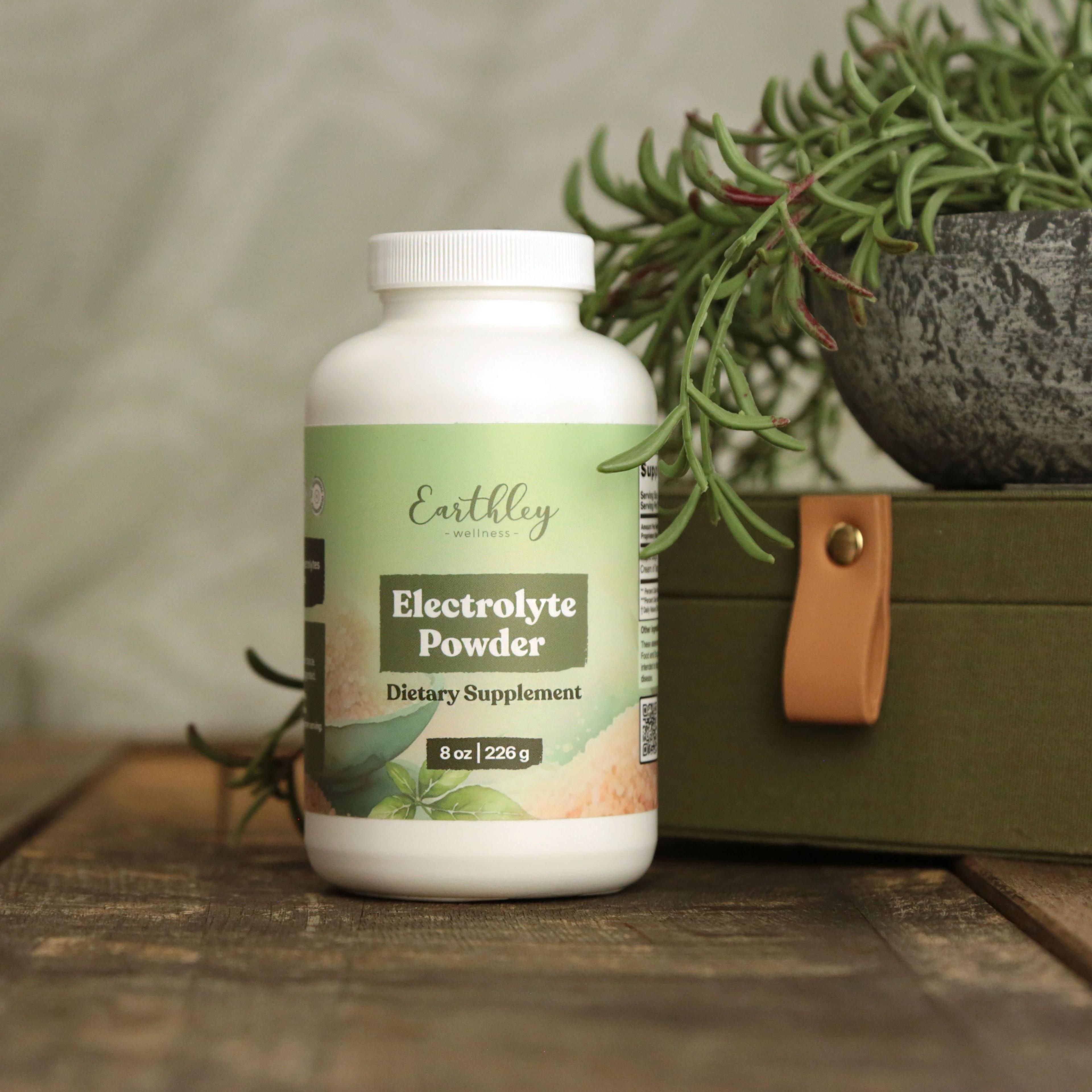
To hydrate with natural electrolytes during endurance or illness
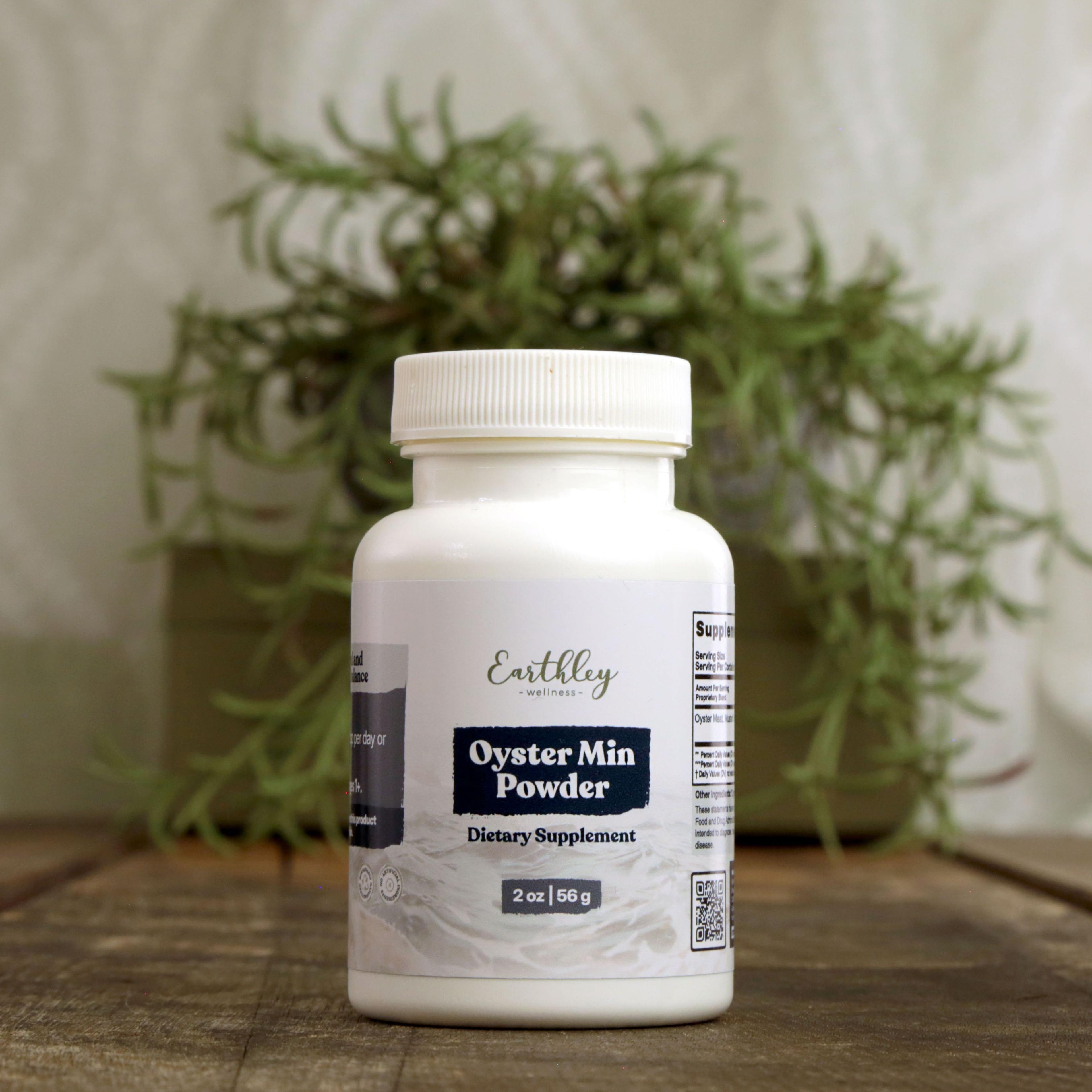
For minerals and hormone balance

For sore muscles and discomfort (NEW! Tension Relief version)

For healthy sleep and magnesium (NEW! Moonlight Bloom scent)
Resources:
[1]: Cleveland Clinic. (2021, September 24). Electrolytes: Types, purpose & normal levels. Cleveland Clinic. https://my.clevelandclinic.org/health/diagnostics/21790-electrolytes [2]: Kidney Care UK. (2023, September). High potassium levels (hyperkalaemia) and kidney disease. Kidney Care UK. https://kidneycareuk.org/kidney-disease-information/kidney-conditions/patient-info-high-potassium-levels-hyperkalaemia-and-kidney-disease/ [3]: Pickering, G., Mazur, A., Trousselard, M., Bienkowski, P., Yaltsewa, N., Amessou, M., Noah, L., & Pouteau, E. (2020). Magnesium Status and Stress: The Vicious Circle Concept Revisited. Nutrients, 12(12), 3672. https://doi.org/10.3390/nu12123672 [4]: Center for Magnesium Education & Research. (n.d.). Calcium-magnesium balance. MagnesiumEducation. https://magnesiumeducation.com/calcium-magnesium-balance/ [5]: Pennington, J. A. T. (1990). Iron, zinc, copper, manganese, selenium, and iodine in the 234 foods of the United States Total Diet Study from 1982 to 1989. Food Chemistry, 37(1), 69–74. https://doi.org/10.1016/08891575(90)90022E