How to Support Adrenal Health Naturally: Signs, Causes, and Simple Tips
In This Article, We’ll Cover: • What our adrenal glands are (and why they matter). • Why our adrenal glands get depleted. • What it feels like when our adrenal glands need support. • Simple tips for less stress and balanced adrenal health.
Have you ever felt like there is no amount of caffeine in this world that could cut through the brain fog, irritability, or exhaustion?
If so, you are not wrong - too much caffeine can end up draining your energy by pushing your adrenal glands into overdrive.
And you’re definitely not alone. The stresses of modern life get many of us caught on a looping rollercoaster of ups and downs.
The good news is that you can gently support your adrenal health - with nourishing foods, herbs, and simple daily shifts - to help you put the brakes on softly, step off the loop-de-loop, and get back to actually enjoying the important moments and people in your life.
In This Article, We’ll Cover:
• What our adrenal glands are (and why they matter).
• Why our adrenal glands get depleted.
• What it feels like when our adrenal glands need support.
• Simple tips for less stress and balanced adrenal health.
If the busy-ness of life has you feeling stretched thin and you could use some extra support, Master Tonic might be a gentle option to consider as part of your routine while you focus on rest, nourishment, and slowing down.
What Are Our Adrenal Glands (and Why Do They Matter)?
The adrenals are two small glands with a big job that sit right on top of our kidneys. They produce hormones - like cortisol, adrenaline, and aldosterone - that regulate crucial functions in the body like:
• Metabolism
• Blood pressure
• Immune response
• Reaction to stress
These little glands are responsible for helping us deal with dangerous situations, turning food into energy we can use, and keeping our blood pressure from rising through the roof.
Why Do Our Adrenal Glands Get Depleted?
Our adrenal glands’ job is to keep us safe, but the thing is, they activate the “fight or flight” state whether we’re running for our lives from a mountain lion or drinking another cup of coffee to keep up with the kids after working all day on four hours of sleep.
And when our adrenals stay on high alert - meaning they’re excessively producing cortisol - they eventually get drained, especially if they aren’t being replenished with healthy habits, nourishing foods, and herbal support when needed.
The three main culprits that activate our adrenal glands are:
• Stress
• Caffeine
• Sugar
What Are Common Signs of Adrenal Imbalance?
If you’ve ever felt like you’re dragging yourself through your days and not getting recharged when you sleep, you know what adrenal depletion can feel like. Some of the ways our bodies tell us our adrenals need support are:
• Mental dullness: brain fog, difficulty concentrating, lack of interest in things you used to enjoy
• Physical discomfort: aching body, muscle weakness, lightheadedness
• Emotional imbalances: feeling on edge, anxiety, depression, irritability
• Sleep issues: trouble getting to sleep or staying asleep, even though you’re exhausted; not feeling rested after a full night’s sleep
• Cravings and dependency: strong cravings for salt and sugar, relying on caffeine or sugar for short bursts of energy
• Chronic fatigue: ongoing tiredness that interferes with daily activities
***It’s important to note that mainstream medicine doesn’t recognize “adrenal fatigue” as an official diagnosis. There are steps we can take to support our adrenals, but if symptoms continue, they could point to more serious conditions and it’s a good idea to consult a trusted healthcare provider.*** (3)
Simple Tips for Supporting Adrenal Health Naturally
The good news is that there are some simple ways we can nourish our adrenals, like:
1. Enough sleep. 7-9 hours is what most adults need every night. If sleep is a challenge for you, our Magnesium Lotion can help.
2. Plenty of down time. Set alarms for daily rest periods and stick to them (even if they’re only 5 minutes).
3. Slow, intentional breathing literally helps shift our bodies from “fight or flight” to “rest and digest.” An easy method is inhaling for 4 counts, exhaling for 8.
4. Time in nature helps our nervous system recalibrate.
5. Natural light in the morning helps steady our sleeping-waking cycle (circadian rhythm).
6. Gentle Movement like walking, restorative yoga, Tai Chi, and stretching calm the nervous system without stressing the adrenals like more intense exercise can.
7. Hydration. Our bodies need not only water, but electrolytes, to balance fluids and minerals and feel less stressed.
8. Limit caffeine, alcohol, and sugar. All three increase stress hormones and disrupt sleep cycles. Even cutting back by one cup of coffee or sugary treat per day makes a difference.
9. Consistently eat a variety of nourishing foods, especially:
- Protein and healthy fats like chicken, legumes, avocados, and olive oil
- C and B Vitamins
10. Support your system with herbs when your adrenals need a little extra TLC.
Making simple shifts as they feel doable helps our bodies gradually grow more resilient over time.
Herbs That Support Adrenal Health
When we’re nurturing a strong foundation with food and lifestyle choices, herbs can gently work with our bodies to respond to stress with balance. Some of our favorite adrenal-supportive herbs are:
- Ashwagandha helps the body stay calm and steady during everyday stress. Found in our Master Tonic.
- Holy Basil supports mental clarity and helps you feel more centered on busy days. Found in our Relax and Renew tincture.
- Eleuthero supports natural energy and stamina so you can handle daily demands with more ease. Found in our Adaptogenic Immunity tincture.
- Schisandra helps the body adapt to everyday stress and supports balanced energy. Found in our Cocoa Calm and Natural Balance tincture.
Slow and Steady Nourishes the Adrenals
Between traffic, phone alerts, bills, and everything else, our bodies can get stuck in constant stress mode. It’s no wonder so many of us feel drained, irritable, and stretched too thin.
Luckily, with soothing daily routines, nourishing foods, and herbal support when needed, we can start to feel like ourselves again—more steady energy, clearer thinking, and a calmer feeling throughout the day.
And the last thing our adrenals need is more pressure. Small, nourishing shifts - at a pace that feels doable - help your body reset over time. So instead of just getting through the day, you can feel more present, more grounded, and actually enjoy the people and moments that matter most.
Key Takeaways
1. Our adrenal glands are small but do some big, important work.
2. The stresses of modern life can overwork and deplete them.
3. When our adrenals get drained, we can end up feeling burned out.
4. We can support these glands - and our energy - with simple habits and nourishing foods and herbs.
If you (or your little ones) could use a little help winding down in the evening, Cocoa Calm makes a delicious, kid-approved, comforting nighttime routine that supports relaxation and steadiness with adrenal-supportive ashwagandha, eleuthero, and schisandra.
FAQs
Is “adrenal fatigue” a real medical condition?
“Adrenal fatigue” isn’t recognized as an official diagnosis in conventional medicine. However, the symptoms people experience - like exhaustion, brain fog, and stress intolerance - are very real. If symptoms persist or worsen, it’s important to consult a trusted healthcare provider to rule out underlying conditions.
How long does it take to support adrenal health naturally?
Supporting adrenal health is a gradual process. While small changes - like getting better sleep or reducing caffeine - can help you feel improvements relatively quickly, deeper restoration often takes consistent habits over time. Slow, steady lifestyle shifts tend to be the most effective.
Do I have to completely cut out caffeine and sugar?
Not necessarily. The goal is to reduce reliance on stimulants that can strain your stress response over time. Even gradually cutting back on caffeine and added sugars can help your body feel more balanced and less depleted.
Are herbs safe to use for adrenal support?
Many herbs - such as ashwagandha, holy basil, eleuthero, and schisandra - are traditionally used to help the body respond to stress more effectively. When used as part of a balanced lifestyle, they can offer gentle support. As with any supplement, it’s best to consult a healthcare professional, especially if you’re pregnant, nursing, or taking medications.
Disclaimer - This blog post is provided for educational and informational purposes only and does not constitute providing medical advice or professional services and its statements have not been evaluated by the FDA. The information provided should not be used for diagnosing or treating a health problem or disease. Always seek the advice of a qualified health care provider regarding a specific medical condition.
Sources
1. Caffeine Stimulation of Cortisol Secretion Across the Waking Hours in Relation to Caffeine Intake Levels - PMC
https://pmc.ncbi.nlm.nih.gov/articles/PMC2257922/
2. The adrenal gland in stress – Adaptation on a cellular level - ScienceDirect
https://www.sciencedirect.com/science/article/abs/pii/S0960076018306009
3. Adrenal fatigue does not exist: a systematic review - PMC
https://pmc.ncbi.nlm.nih.gov/articles/PMC4997656/#Sec16
Check out these products!

For adrenal and immune support, and total body wellness
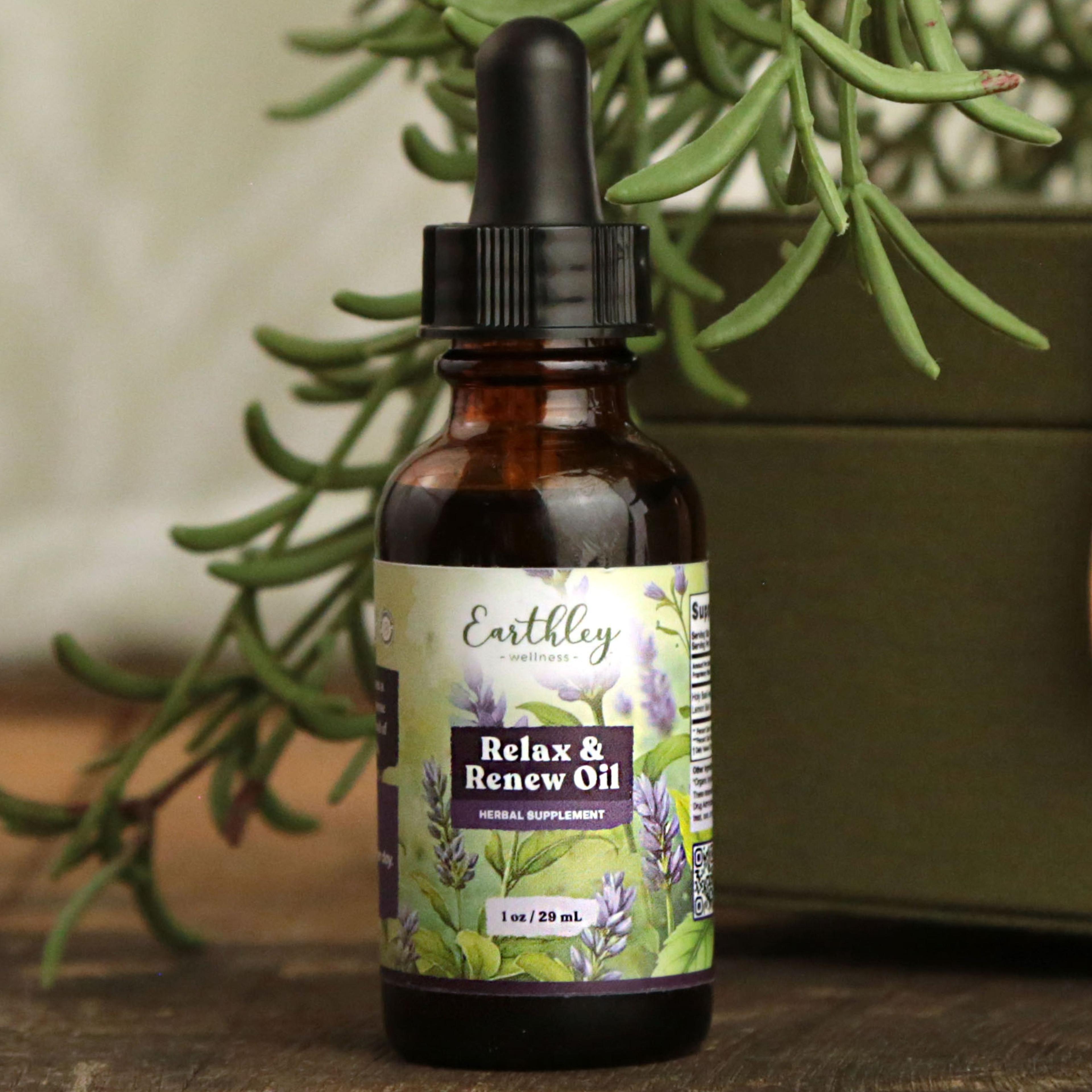
Calms and promotes a healthy stress response with our special blend of synergistic herbs
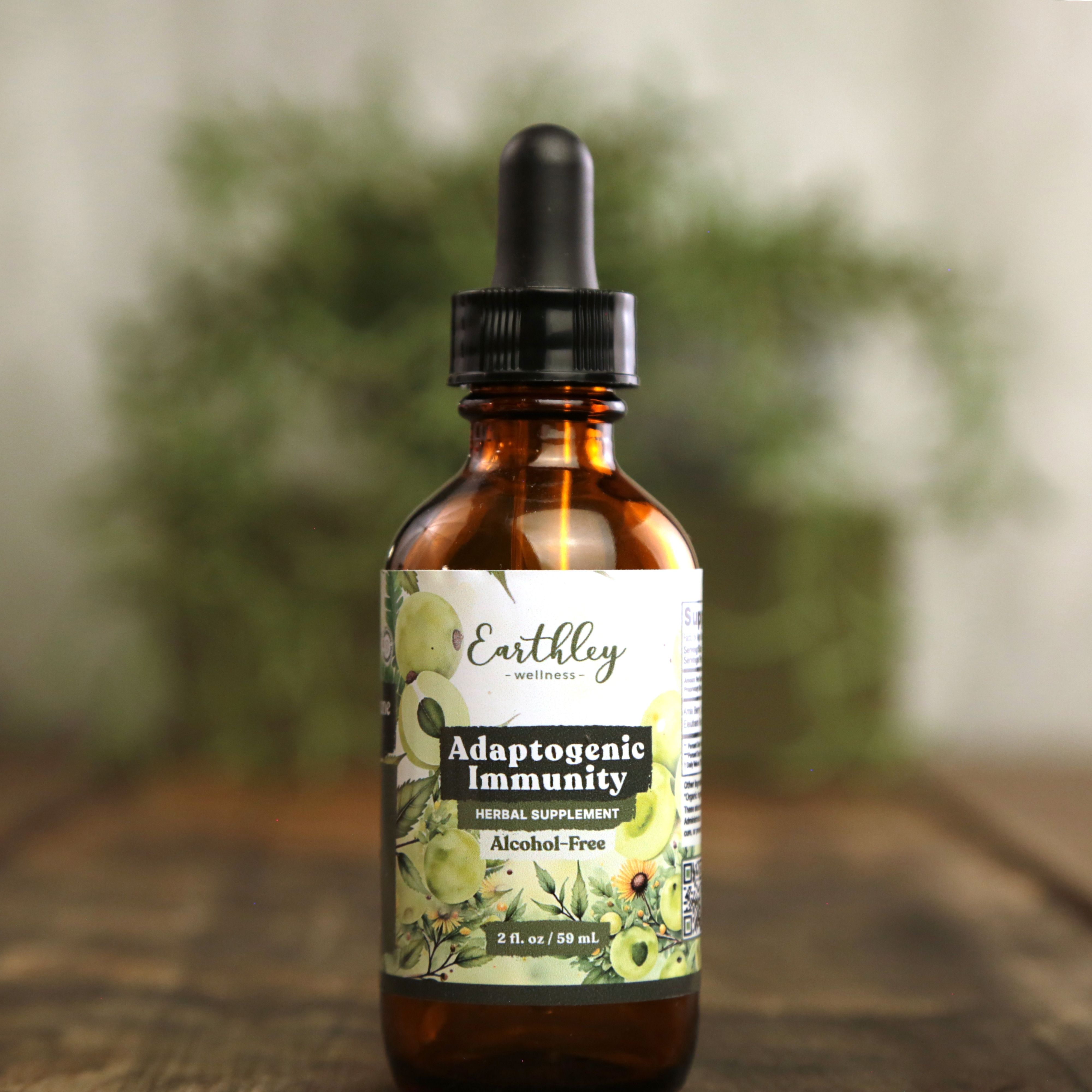
For daily stress and immune support

Experience calmer, more balanced mood with this delicious blend


PDF Digital Download
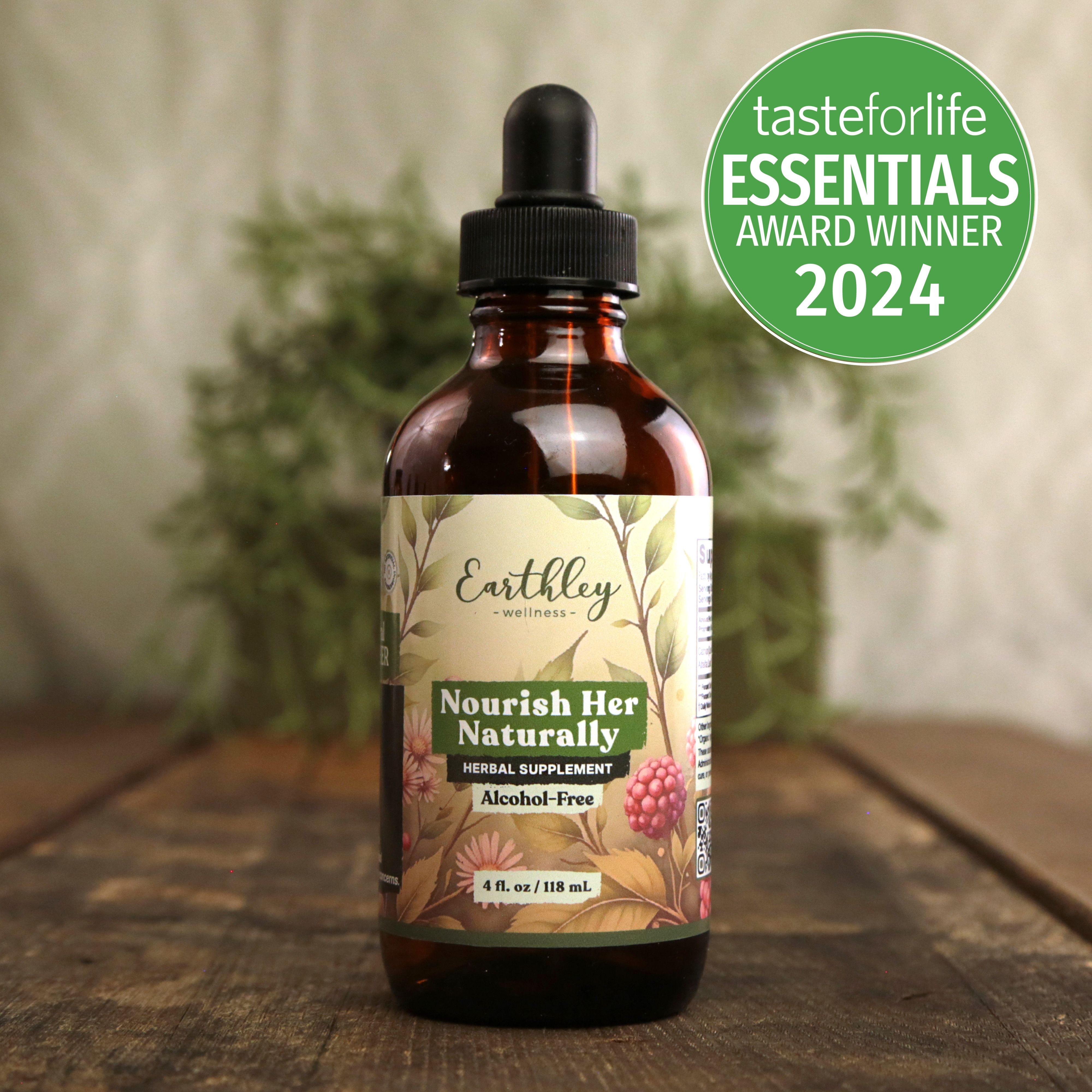
Whole, natural nutrition for HER
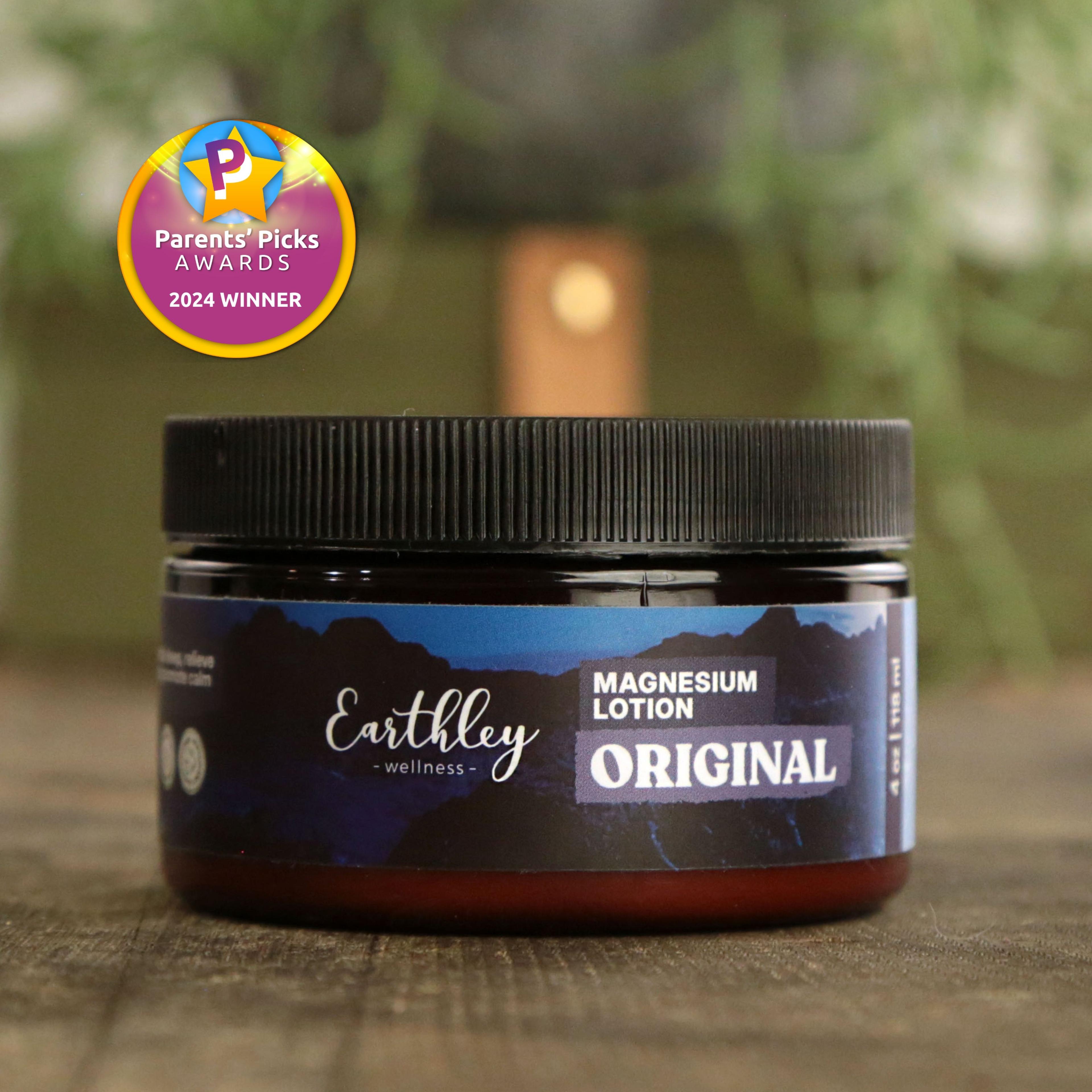
For healthy sleep, muscle soreness, and gut health
Stay Connected
Get updates and exclusive offers straight to your inbox.