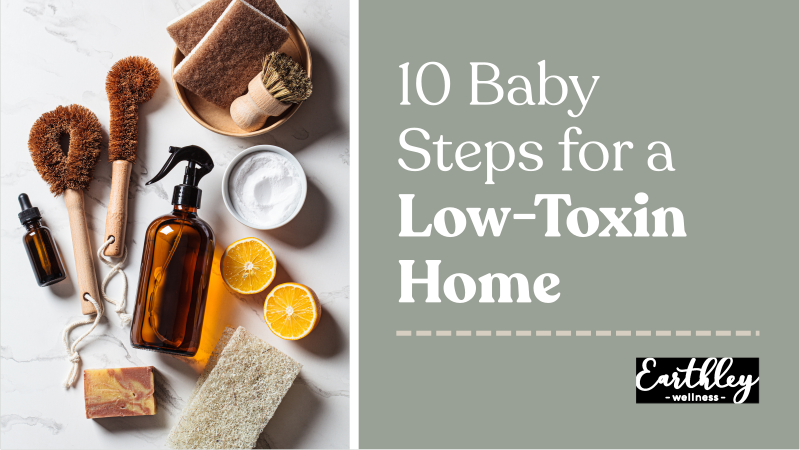
10 Baby Steps for a Low-Toxin Home
When we start making healthier choices for our bodies and our homes, it can sometimes feel overwhelming. There is so much information, so many options, and only so much money to spend.
But don’t worry, we’re here to share some free, easy, and affordable upgrades that will bring fresh air into your home. And keep in mind, it doesn’t have to happen at once.
Start with what feels most important for you and your family, take your time, know that you’re moving in the right direction, and remember—we’ve got your back.
Baby Steps for a Healthier Home
1. Clear the air.
Building materials, furnaces, chemical cleaning products, synthetic fragrances, gas stoves, house paint, and more all contribute to harmful substances in the air in our homes (and our lungs). It's hard to avoid them entirely, but there are some simple improvements we can make to refresh the air we breathe.
Nothing is freer than air, and there’s nothing like opening the windows to freshen things up in the house, even when it’s cold outside (even for just 10 minutes). Snake plants and spider plants are super easy to care for and great at filtering the air. Swapping out fragranced petroleum candles for cleaner-burning options like soy or beeswax is a lung-loving choice. Salt lamps both support healthy breathing and bring a calming glow to the room. (1) And if you’re ready to take the next step and invest in an air purifier, here’s a guide that can help you choose.
2. Filter your water.
Unfortunately, the water that comes out of our faucets is full of stuff we don’t want in our bodies—microplastic, chemicals, bacteria, and even pharmaceuticals. Ideally, we would all have access to natural water from springs or wells, but many of us have to do our best with what comes out of the tap. And that means finding the best way to filter out what we don’t want and keeping or replacing the minerals our bodies need. There’s a lot to consider and this blog takes a deep dive to help you make the best choices for your family.
3. Swap your all-purpose cleaner.
Ironically, commercial cleaning products, even those labeled “natural,” are one of the worst culprits for dirtying the environment—inside and outside our homes. They often contain ingredients that can irritate skin, trigger allergic reactions, and have been linked to serious health issues, including respiratory problems, reproductive disorders, and cancer. (2) Plus, they are major ecological contaminants.
Thankfully, there are truly natural alternatives that can make our homes sparkle. An easy DIY option is a combination of equal parts white vinegar and water in a spray bottle (optionally, with essential oils** added for the added aromatherapy and sometimes disinfecting benefits). And our pure-ingredient Cleaning Spray Concentrate and Cleaning Paste are simple, powerful solutions for a whole-home shine.
** NOTE: some essential oils can be harmful to pets and infants, so be sure to do your research if you use them.
4. Swap out your laundry detergent.
There is a laundry list of harmful ingredients in commercial detergents—especially capsules or pods, and again—even in “natural” products. They too can cause skin irritation, allergic reactions, and even disrupt respiratory health. And just like household cleaners, some ingredients have been linked to more serious concerns, like reproductive issues and cancer, and because clothes are in constant contact with our skin, these residues can easily be absorbed. (3)(4) They are also terrible for our earth and water.
Luckily for our families and the earth, our Laundry Detergent gets our duds fresh and clean with none of the nasty stuff, and our Wool Dryer Balls save us from static without any of the harmful chemicals in dryer sheets. And if you like to DIY, check out this Laundry Alternatives guide.
5. Ditch synthetic fragrances.
No scent is worth the health risks of synthetic fragrances. They are full of VOCs (volatile organic compounds) that contribute to skin and breathing problems, allergic reactions, reproductive disorders, and cancer. (5) They are unfortunately hidden in countless home and body care products, but we can do our best to choose fragrance free options or products that use pure essential oils.
Simple scent swaps:
Naturally sweet-smelling beeswax or clean-burning soy wax with essential oils instead of scented paraffin (petroleum) candles
Aromatherapy diffusers instead of fragrance plug-ins
Essential oils + water in a spray bottle for scented spritzing
Simmer pots instead of air fresheners – not only great-smelling but lung-loving too!
6. Simplify your floor cleaner
The floor is where our kids and pets play and rest, so keeping it clean is crucial. Instead of commercial products full of chemicals that lead to all kinds of imbalances and illnesses, there are some simple, safe options. Hot water and vinegar is an affordable, easy combo that makes floors shine—essential oils can be added for scent, but do your research to make sure they’re safe for the little ones and furry friends. A few drops of liquid castile soap can be added, too, but may mean a second round to rinse. We love our Cleaning Spray Concentrate for floors, too.
7. Swap personal care products one by one.
What we put on our bodies absorbs into our bodies (and our kids’ bodies), so it’s important to check the ingredients in our skin and hair care—again, even the ones labeled “natural”. From formaldehyde to the endless list of unpronounceable carcinogens, there are so many things to avoid. (6) (7) It's hard to make sense of it all, so the best rule of thumb is to look for the simplest, most recognizable ingredients and avoid the ones that look overcomplicated.
Body care products can get expensive—natural or not—so go at the pace that works for your budget. Maybe use the rest of what you have and swap out one product at a time. We think everyone should be able to afford products that are good for us, so we keep our prices low on our whole line of natural offerings. Our 3 in 1 Soap for face, hair, and body is a great way to simplify your routine. Or, if you’re the DIY type (and like to get the kids involved), we’ve got a bunch of guides for making your own!
8. Slowly Switch to Glass or Stainless Food Storage
Plastic leaches harmful chemicals and microplastics into our food, contributing to all kinds of serious illnesses. BPA-lined cans, plastic wrap, plastic storage containers, so-called “microwave safe” containers, and many water bottles are all culprits and best avoided as much as possible. (8)
It can be pricey to switch out everything at once, so do what you can, when you can, to gradually replace your plastic food storage containers with glass or stainless steel. And if you do still have some plastic, never heat food in them and avoid putting hot food or beverages in them until you replace them. Reusable beeswax food wrappers and silicone snack bags are a great (and cute!) way to save money, reduce waste, and get rid of harmful plastic wrap and baggies.
9. Ditch Antibacterial Everything
Antibacterial soaps, cleaners, and disinfectants not only contain chemicals that are toxic to our bodies and the environment — linked to hormone disruption, antibiotic resistance, and skin irritation—but guess what? They don’t actually clean better either! Research shows that washing our hands with regular soap and water is much more effective, which is great news because we definitely don’t want to expose ourselves and our families to the long list of health risks linked to antibacterial cleaners. (9)(10)
Earthley soaps are as gentle on our bodies and the earth as it gets, and we’ve got something to nurture everyone in the family.
10. Don’t Waste Money on Greenwashed Products
Just about anything can be labeled “natural” these days, which can make it very confusing to know what’s actually good for us. What it comes down to is that we have to do our own research, look beyond the lovely labels to see what’s inside, and find brands that are transparent about their ingredients.
We take the health of our community very seriously at Earthley with natural ingredients you can recognize, sustainable sourcing and manufacturing, no junk, and no surprises ever. We’re a family-owned company that truly cares about our collective well-being, and we’re committed to our Revive & Restore Promise that ensures we all do our very best to thrive together.
Common toxic ingredients to avoid:
- Sulfates, parabens, fragrance, colors
- Formaldehyde, phthalates, triclosan, PFAs & PFCs
- Petroleum/paraffin, aluminum, plastic
- Antibacterial anything
- Ammonia, bleach, chlorine, VOCs (11) (12)
Do your best.
Don’t stress out trying to change everything all at once. Stress might be the most toxic ingredient we can bring into our bodies and our homes, so do your best to stay informed, start with what feels easiest for you, make healthy swaps when you can, take plenty of breaks to breathe and rest, and trust that you’re doing your best.
And remember—we are here with you--a whole community gathered to make our lives healthier together.
Disclaimer - This blog post is provided for educational and informational purposes only and does not constitute providing medical advice or professional services and its statements have not been evaluated by the FDA. The information provided should not be used for diagnosing or treating a health problem or disease. Always seek the advice of a qualified health care provider regarding a specific medical condition.
Check out these products!
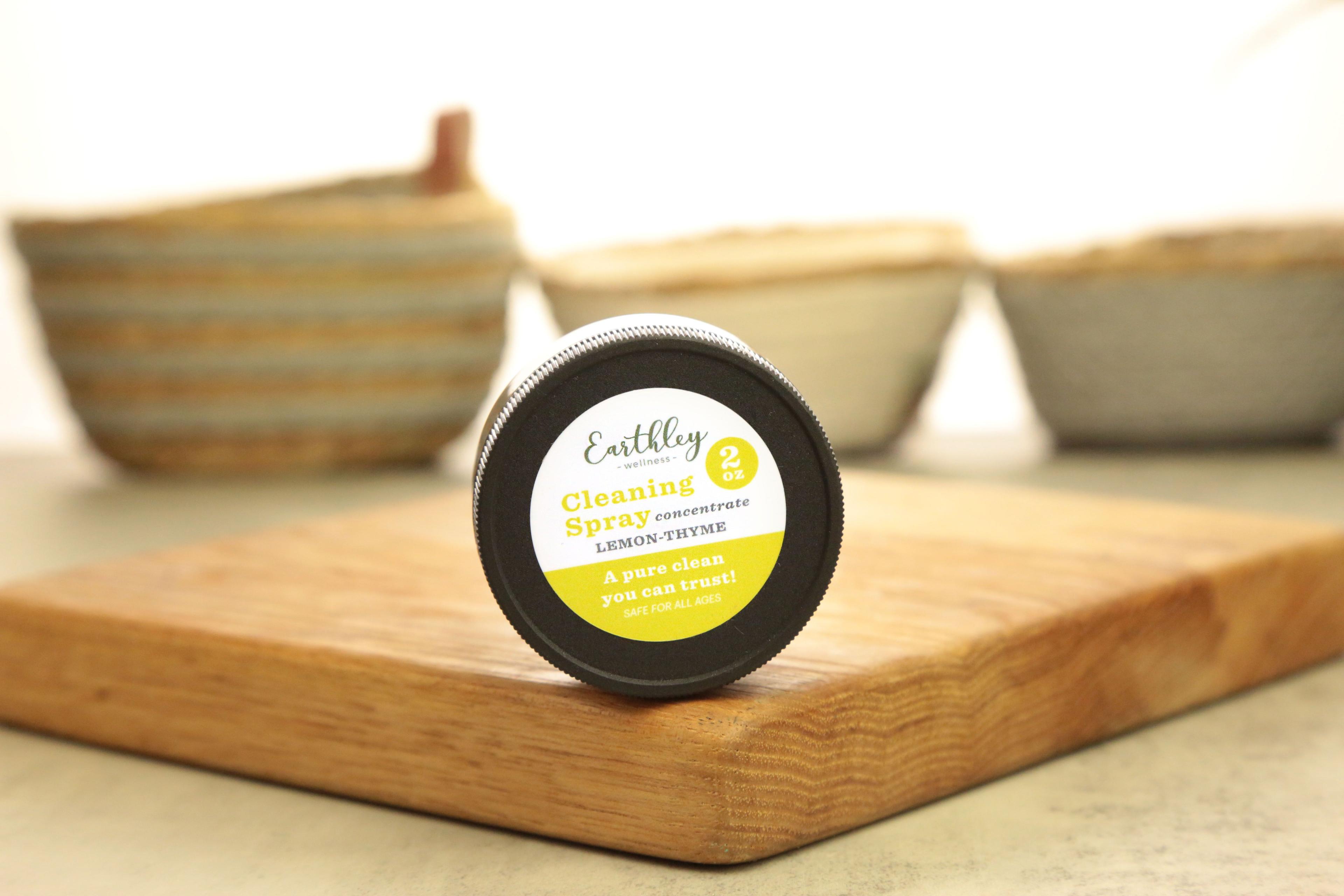
A pure clean you can trust!
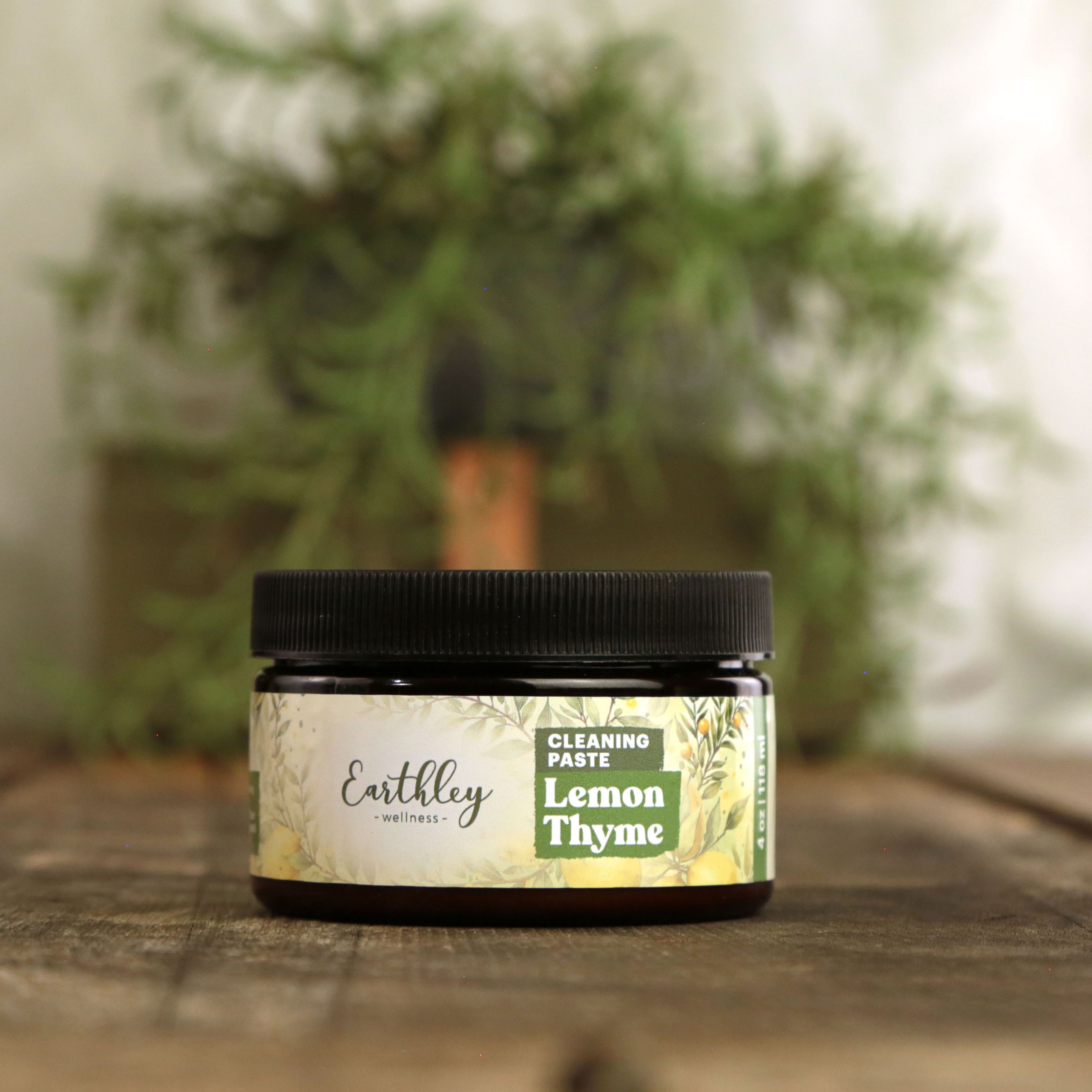
A pure clean for sinks, tubs, and tiles
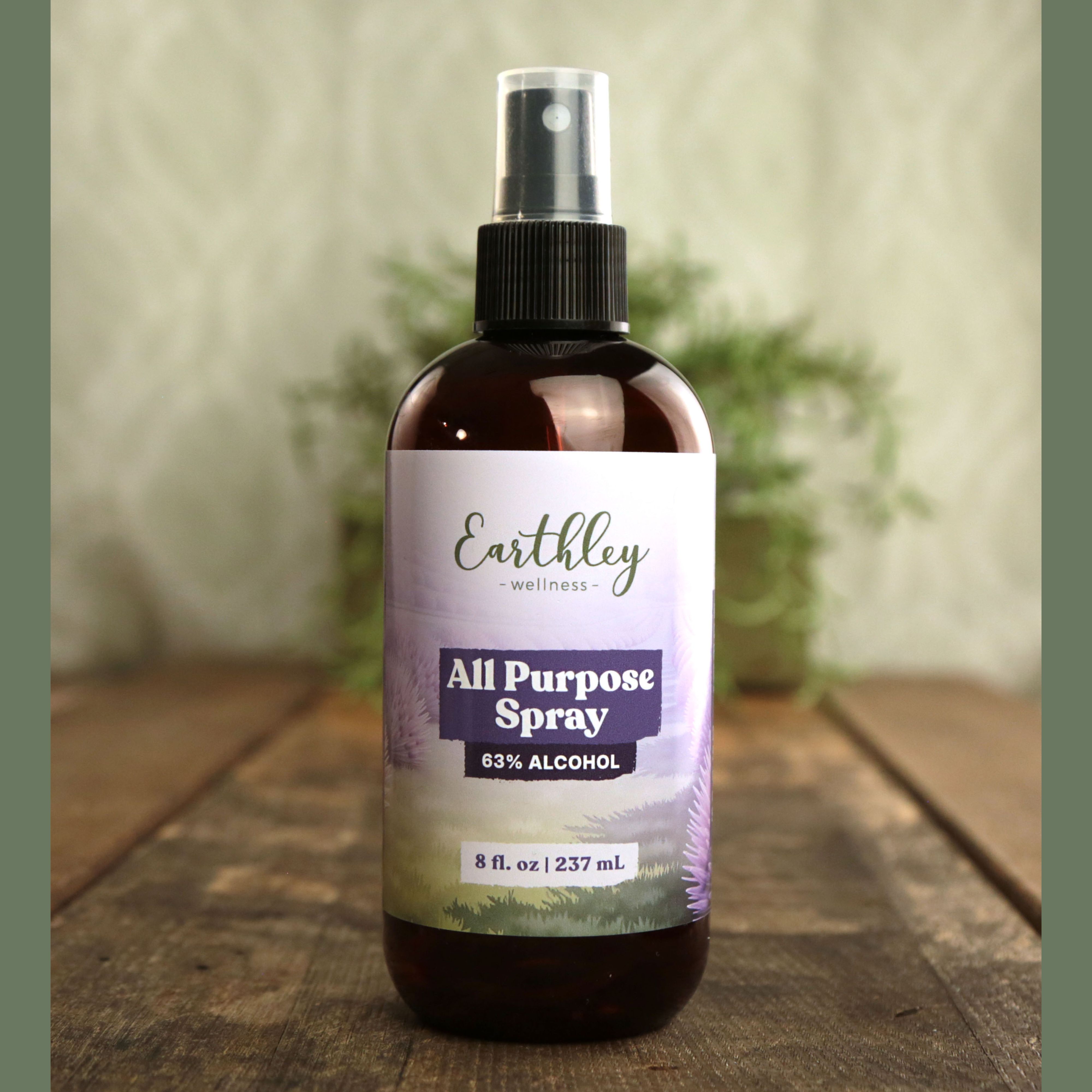
For clean hands and a clean world (NEW! Calming scent)
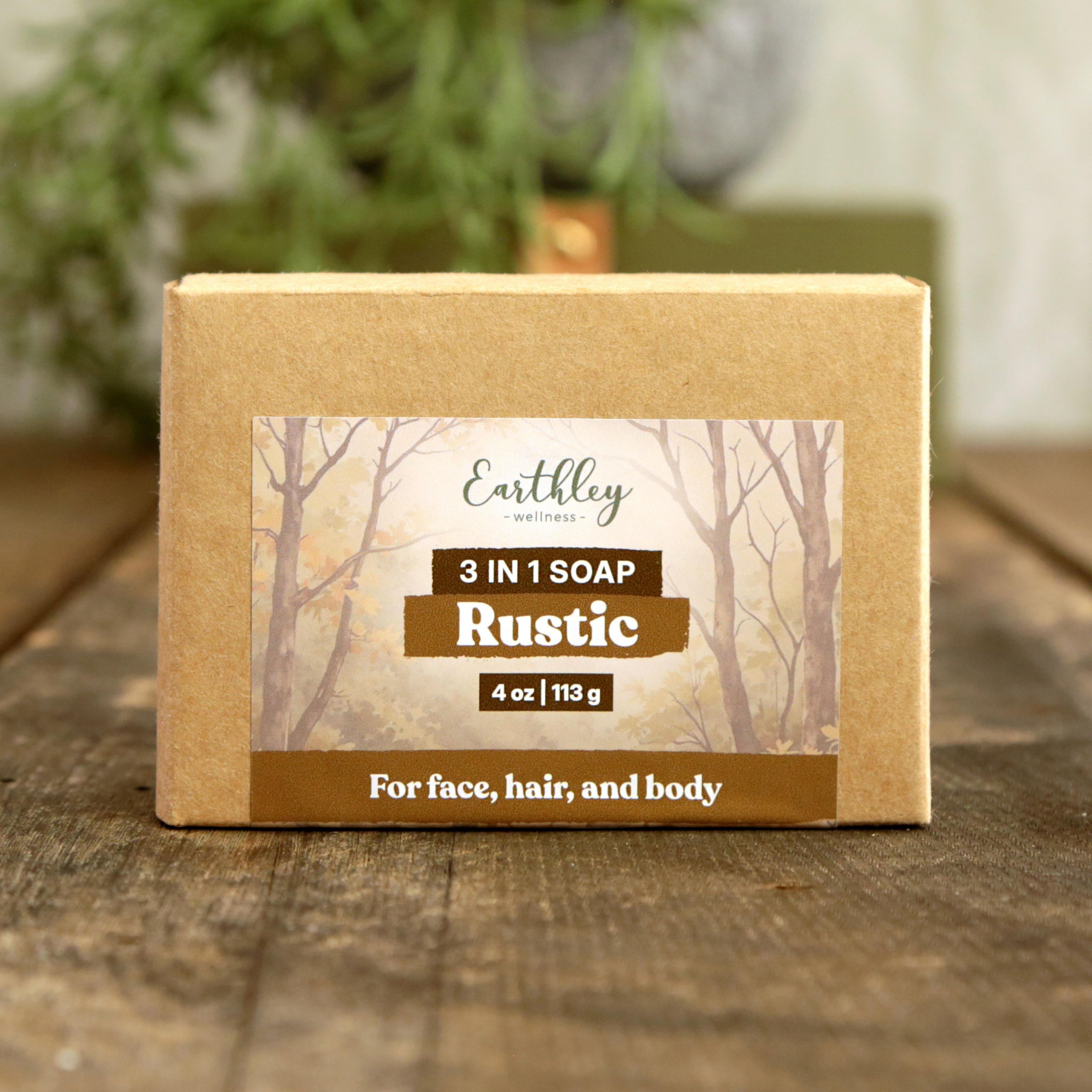
For face, hair, and body
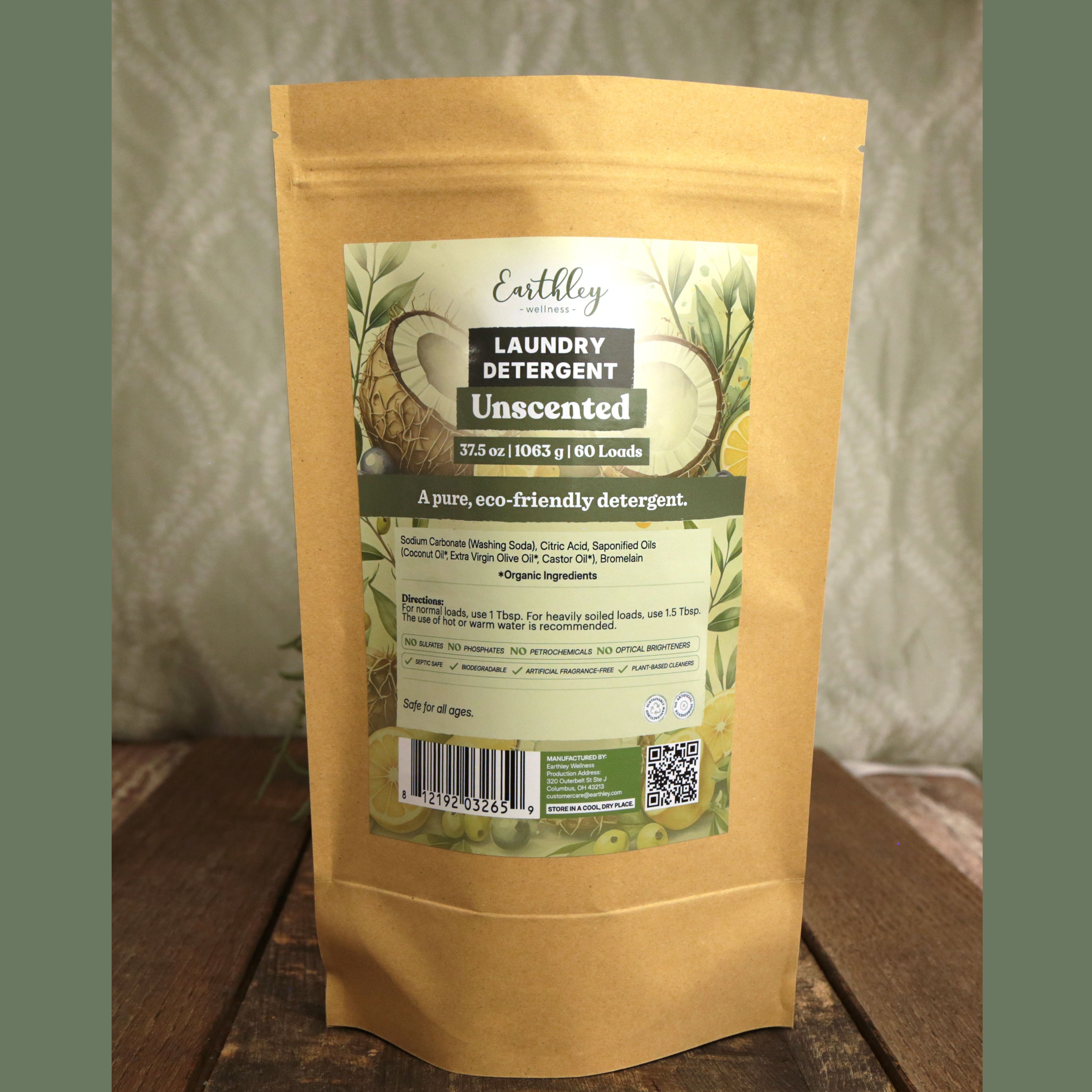
A pure, eco-friendly detergent
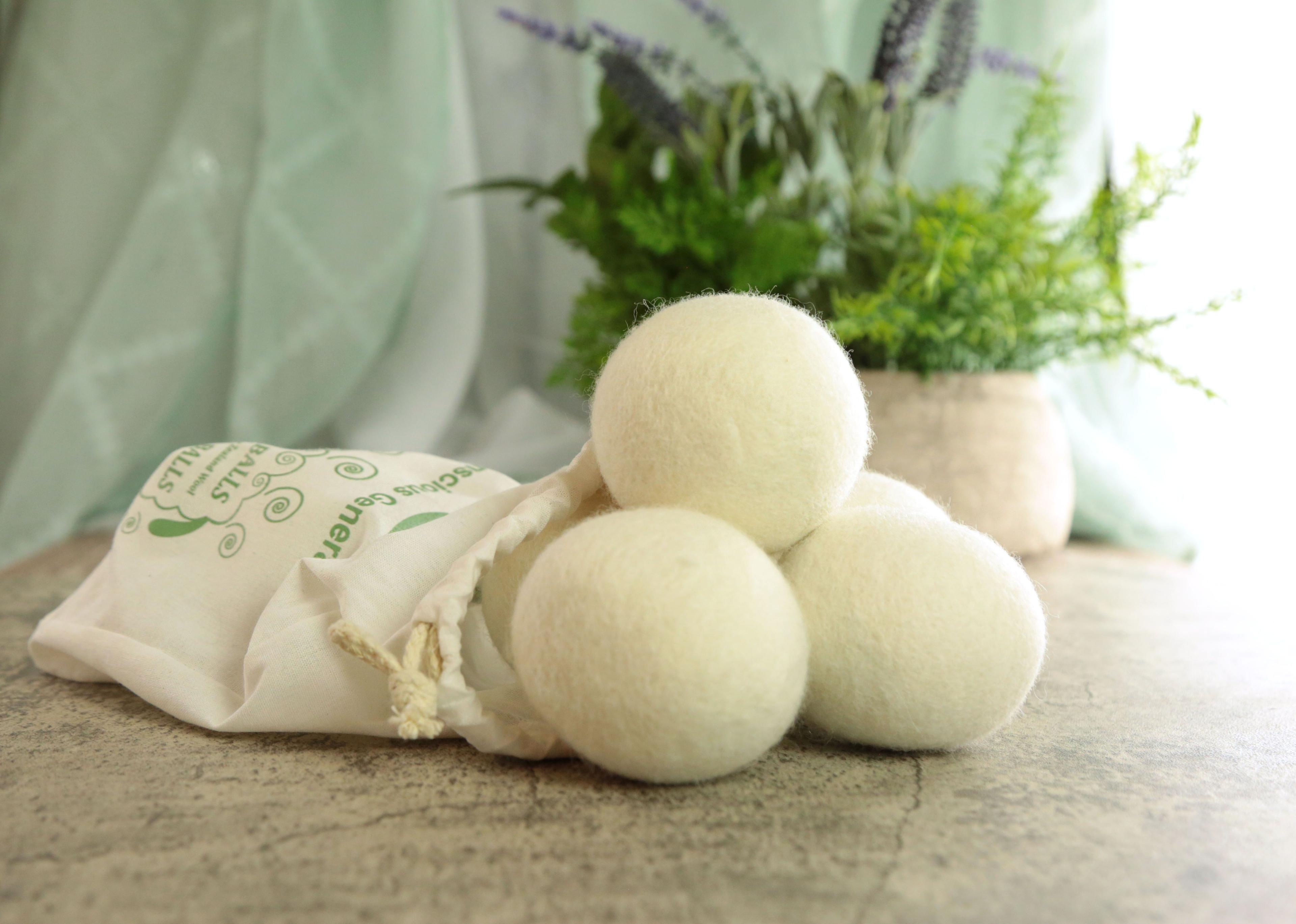
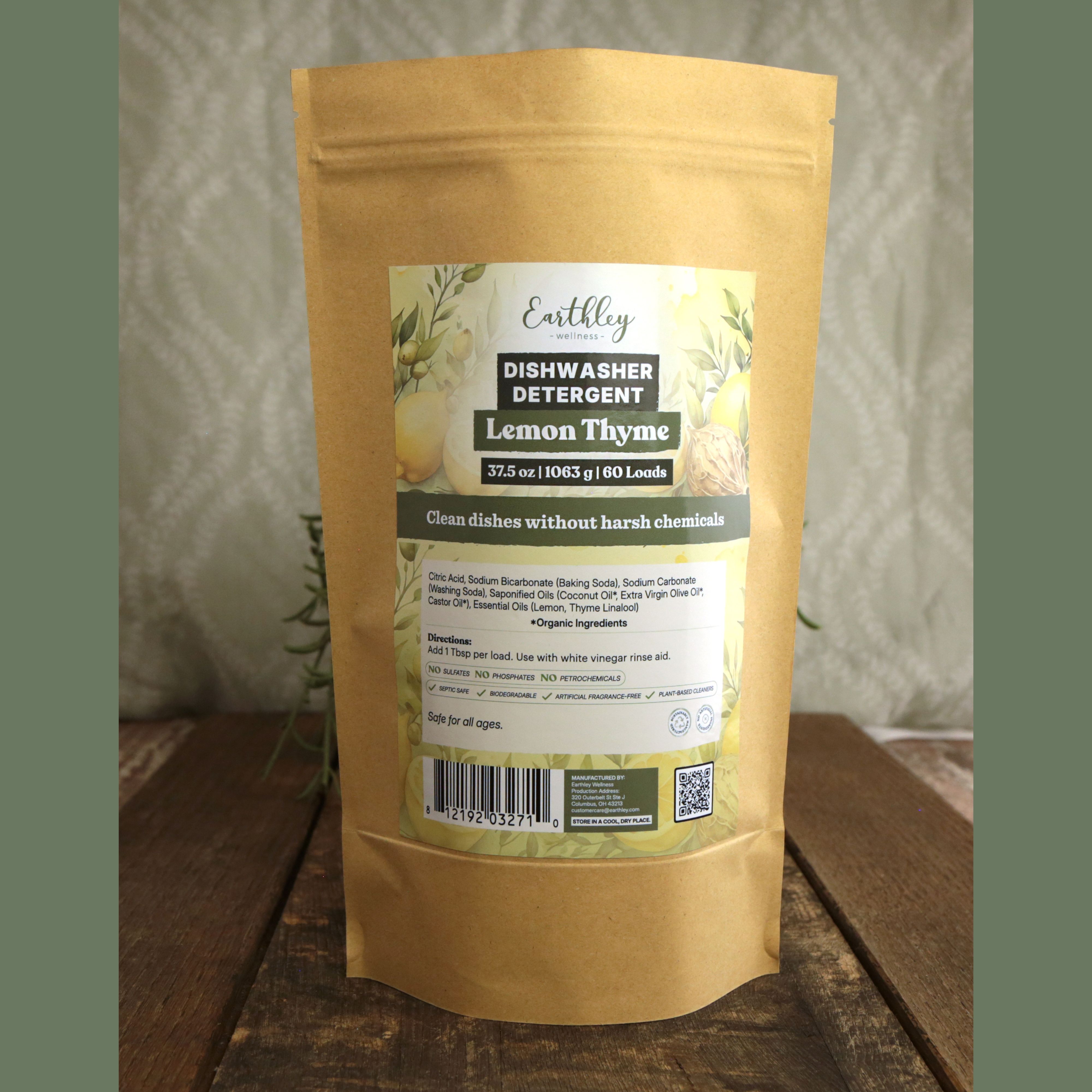
Clean dishes without harsh chemicals
Sources:
- Halotherapy for Chronic Respiratory Disorders: From the Cave to the Clinical - PubMed https://pubmed.ncbi.nlm.nih.gov/32827399/
- Hazardous substances in frequently used professional cleaning products - PMC https://pmc.ncbi.nlm.nih.gov/articles/PMC4096065/
- Laundry detergents and detergent residue after rinsing directly disrupt tight junction barrier integrity in human bronchial epithelial cells - PubMed https://pubmed.ncbi.nlm.nih.gov/30500342/
- Liquid laundry detergent capsules (PODS): a review of their composition and mechanisms of toxicity, and of the circumstances, routes, features, and management of exposure - PubMed https://pubmed.ncbi.nlm.nih.gov/31130018/
- Do Synthetic Fragrances in Personal Care and Household Products Impact Indoor Air Quality and Pose Health Risks? - PMC https://pmc.ncbi.nlm.nih.gov/articles/PMC10051690/#sec6-jox-13-00010
- Tips for Safer Cosmetics and Body Care - Toxic-Free Future https://toxicfreefuture.org/healthy-choices/tips-safer-cosmetics-and-body-care/
- High levels of formaldehyde found in personal care products, according to new report issued by the Washington State Department of Ecology - Toxic-Free Future https://toxicfreefuture.org/press-room/high-levels-of-formaldehyde-found-in-personal-care-products-according-to-new-report-issued-by-the-washington-state-department-of-ecology/
- Are Dangerous Chemicals Getting into Your Food from Plastic Containers and Plastic Wrap? - National Center for Health Research https://www.center4research.org/plastic-wrap-plastic-food-containers-safe/
- 6 Reasons Why You Should Stop Using Antibacterial Soap - EcoWatch https://www.ecowatch.com/6-reasons-why-you-should-stop-using-antibacterial-soap-1906692671.html
- Strange but True: Antibacterial Products May Do More Harm Than Good | Scientific American https://www.scientificamerican.com/article/strange-but-true-antibacterial-products-may-do-more-harm-than-good/
- 20 Ingredients a Clean Cosmetic Chemist Would Avoid https://www.byrdie.com/toxic-beauty-ingredients-4782646
- The Guide to Toxic and Non-Toxic Cleaning Products — Pro Housekeepers https://prohousekeepers.com/blog/guide-toxic-nontoxic-cleaning-products/
Stay Connected
Get updates and exclusive offers straight to your inbox.