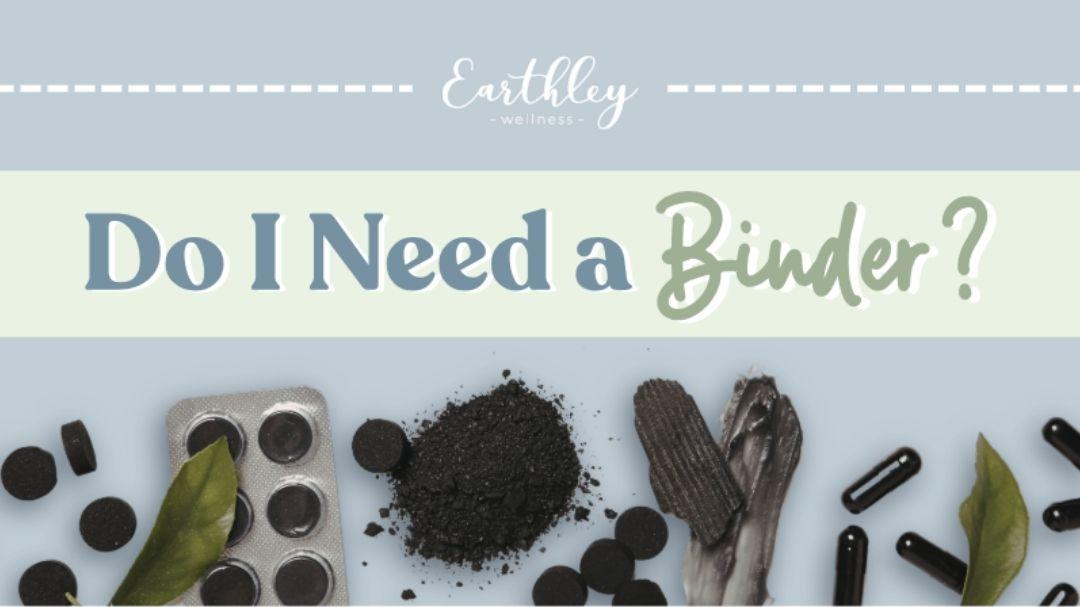
Do I Need a Binder?
Binders like activated charcoal, bentonite clay, and fulvic acid are becoming popular in detox routines -- but do you actually need one? In this guide, we break down what binders do, when they may be helpful, how to prepare your body before using one, and tips for choosing and using a binder safely. Learn how to support your body’s natural detox pathways and decide if a binder is right for you right now.
In this article:
- What do binders do?
- How to decide if you need one.
- Getting your body ready to use a binder.
- Choosing the right one.
- Using a binder safely and effectively.
There is a lot of noise in the natural wellness world about binders. In this blog, we’ll talk about how to understand if you need one now. And if you do decide this is the right time for you, our Activated Charcoal Capsules are a gentle way to support your natural detoxification.
Get 20% off Activated Charcoal with code: CHARCOAL20

Is a Binder Right for Me (Right Now)?
From activated charcoal to bentonite clay to fulvic acid, binders are showing up everywhere—detox drinks, supplement routines, and wellness challenges. It can start to feel like you’re missing something if you’re not using one.
Let’s take a closer look at what binders actually do, in simple terms, and how to tell whether adding one makes sense for you.
What Does a Binder Do?
If you have ever tried a detox and felt “off” or even ill, it could be because toxins are being released into your body and not finding their way out. That’s where binders come in. They are natural substances that attach to toxins so they can be eliminated through the urine or stool.
But here’s the kicker—if we’re not supporting our bodies properly during a detox, the binders can’t do their job and can end up getting stuck. This can lead to constipation, loss of nutrients, and reabsorption of the toxins they’re trying to remove.
Do I Need A Binder?
Our bodies already do an amazing job handling everyday toxins[9]. So no, most people don’t need a binder as part of daily life.
However, if you know you’ve been exposed to significant mold, heavy metals, parasites, or bacteria, or have recently taken antibiotics, binders can be a valuable tool.
Even then—binders are not usually the first step in detoxing.
First, it’s important to make sure our gut and detox pathways are supported.
Preparing to Use a Binder
There are some simple steps we can take to set the stage for a binder if we decide to use one:
1. Make sure you are supporting your body’s natural detox process by getting enough sleep, eating a balanced diet, staying hydrated, moving your body, sweating, and having regular bowel movements.
If any of these are off, it’s important to support the body before adding any detox herbs or binders.
2. Support your gut. A healthy gut plays a big role in how efficiently toxins leave the body. Beneficial gut bacteria help keep bowel movements regular, support the gut barrier, and reduce the chance of toxins being reabsorbed on their way out. (1)
If you regularly feel bloated or gassy when you eat, or are constipated frequently, your gut might need some help from fibrous prebiotic foods--like apples, bananas, oats, and beans—and probiotics in foods like yogurt and sauerkraut. And our Gut Health Oil offers even more support.
3. Make sure your detox pathways are clear. When toxins are blocked from exiting our bodies, we feel sluggish, uncomfortable, “stuck,” and sometimes even headachy and nauseous. Our Detox Pathways 101 post offers some practical guidance, and our Liver Love, Lymphatic Support, and Detox Defense formulas can help support the process.
Choosing the Right Binder
Once you feel like everything is supported and flowing, and you feel clear that a binder could help you, choosing the right one is the next step.
There are tons of options out there and they each work a little differently. Some of the common ones you’ll see are: Activated Charcoal, Bentonite Clay, Zeolite, Chlorella, Cilantro, Psyllium Husk, Shilajit, and Humic + Fulvic Acid Complex. (2)
We won’t get into all of them here, but let’s look at a very popular choice—Activated Charcoal.
Activated Charcoal is exactly what it sounds like—charcoal made by heating materials like wood or coconut shells. When we take it internally, it binds to impurities and toxins and can help draw them out of our bodies. (3) (4)
It can be supportive for healthy digestion, including issues like gas and bloating. Plus, it’s known to promote healthy skin and kidney function and help us feel energized. (3) (4)
It’s not a cure-all, and it’s not for everyone at all times, but it teams up well with our gentle detox formulas like Vitality Oil when our bodies are supported by healthy diet, hydration, and exercise.
How to Use a Binder Safely and Effectively
Remember: binders are powerful so it’s important to use them with care.
A few simple guidelines:
• Take on an empty stomach. Take binders 1-2 hours away from supplements, food, and drugs. This keeps binders from attaching to nutrients and medicines we need.
• Hydrate. Drink plenty of plain water and support electrolytes between doses.
• Start low and go slow. Reduce the risk of constipation or an upset stomach by starting with a low dose and gradually increasing as your body adjusts.
• Listen to your body. Take the time to slow down and pay attention to what your body (not some influencer on social media) is telling you about what you need.
• Get support. If you feel unsure about using a binder, check in with your healthcare provider.
(5) (6)
Support for a Balanced Approach
Binders can be great support tools when your detox systems are under extra stress, but they don’t replace the body’s natural ability to care for itself. Often, the most helpful thing is giving your body what it needs to do its job well—hydration, regular elimination, nourishing foods, a healthy gut, and plenty of rest.
Most importantly, listen to your body. Adjust, pause, and take things at your own pace. You’re taking care of yourself, and that’s what matters most.
Disclaimer - This blog post is provided for educational and informational purposes only and does not constitute providing medical advice or professional services and its statements have not been evaluated by the FDA. The information provided should not be used for diagnosing or treating a health problem or disease. Always seek the advice of a qualified health care provider regarding a specific medical condition.
Get 20% off Activated Charcoal with code: CHARCOAL20
Check out these products!
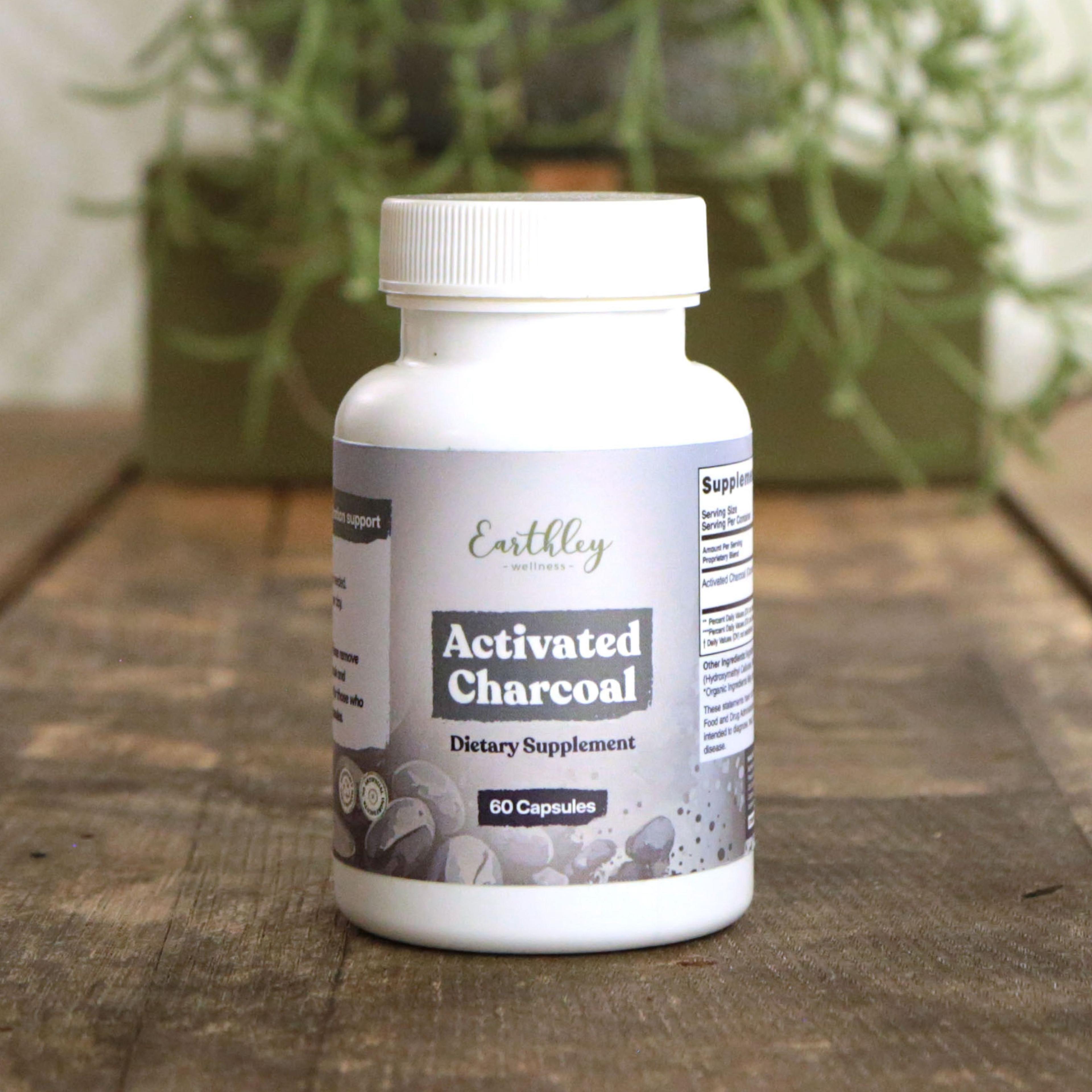
Gentle binder support for digestive wellness
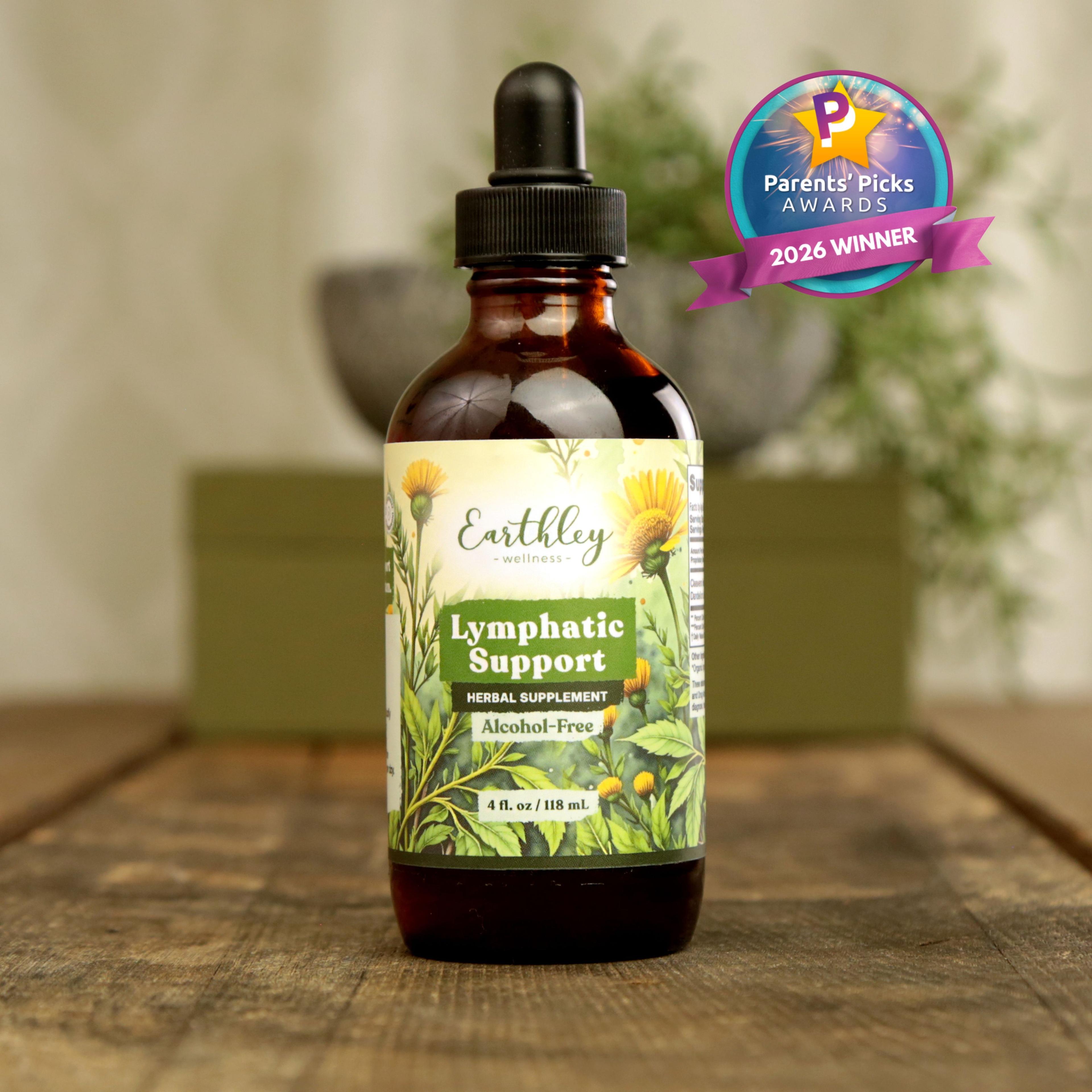
Nourishment and support for your lymphatic system
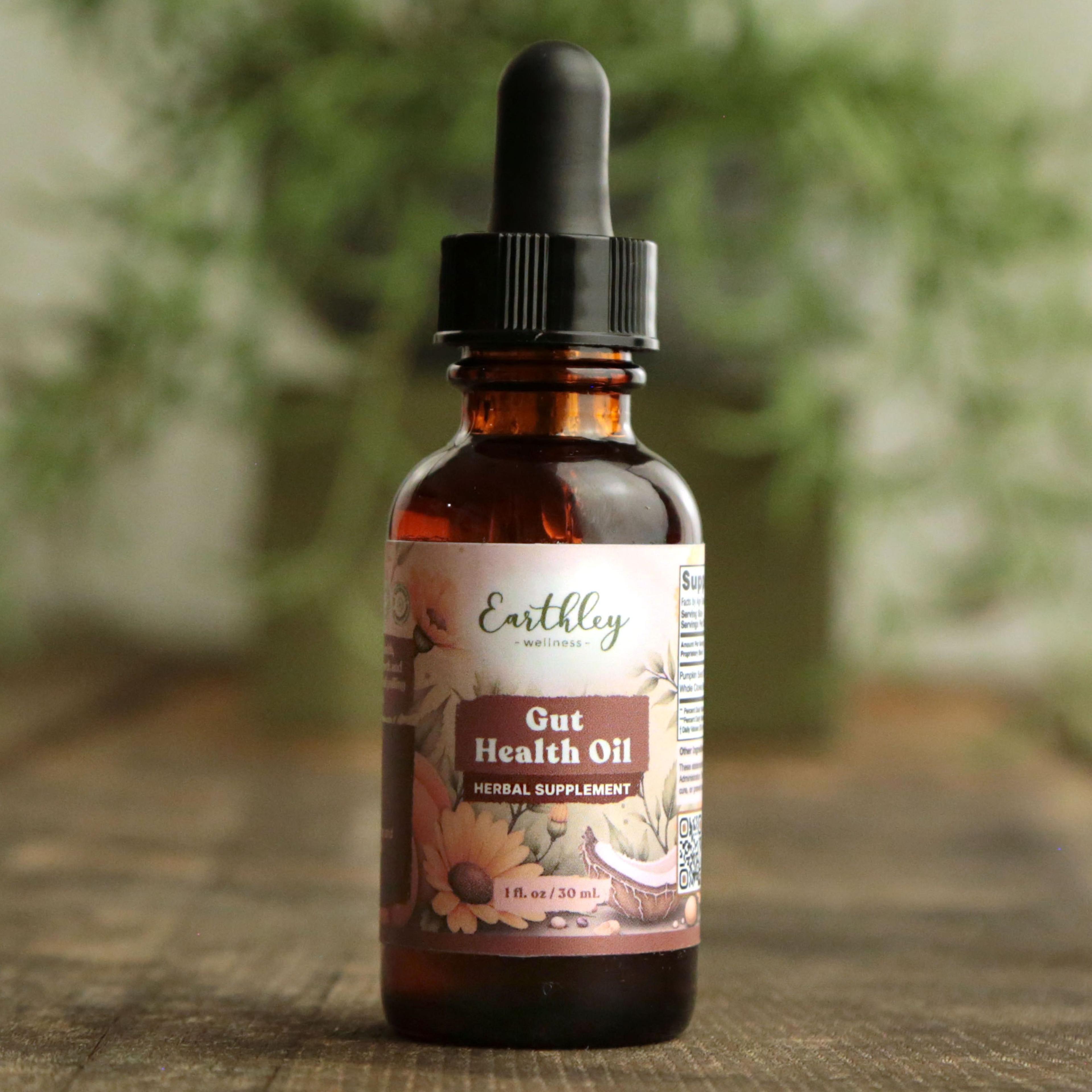
Supports digestive health and helps maintain a balanced microbial environment. Supports oral hygiene.
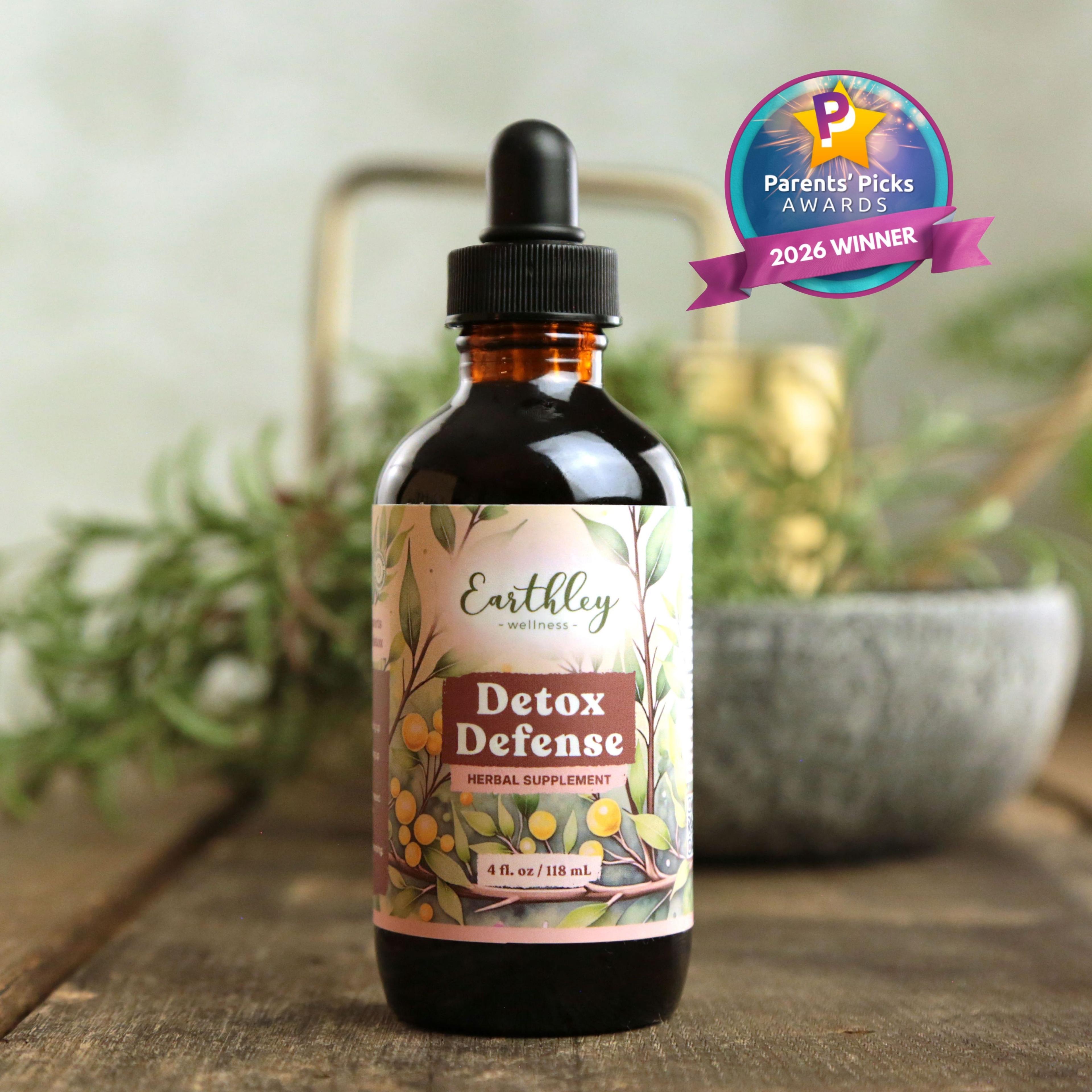
Supports gut health and liver health to promote detox
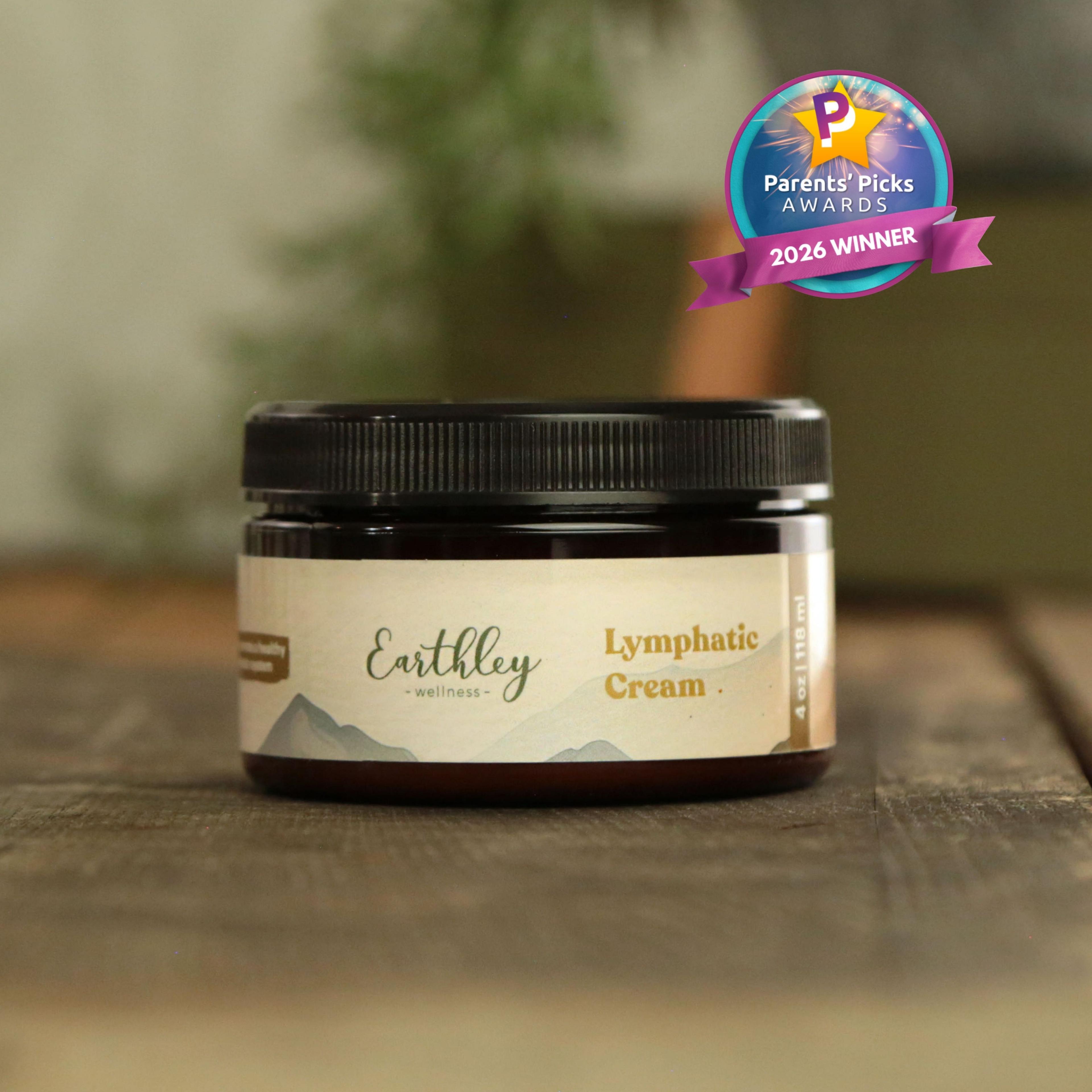
To promote a healthy lymphatic system.
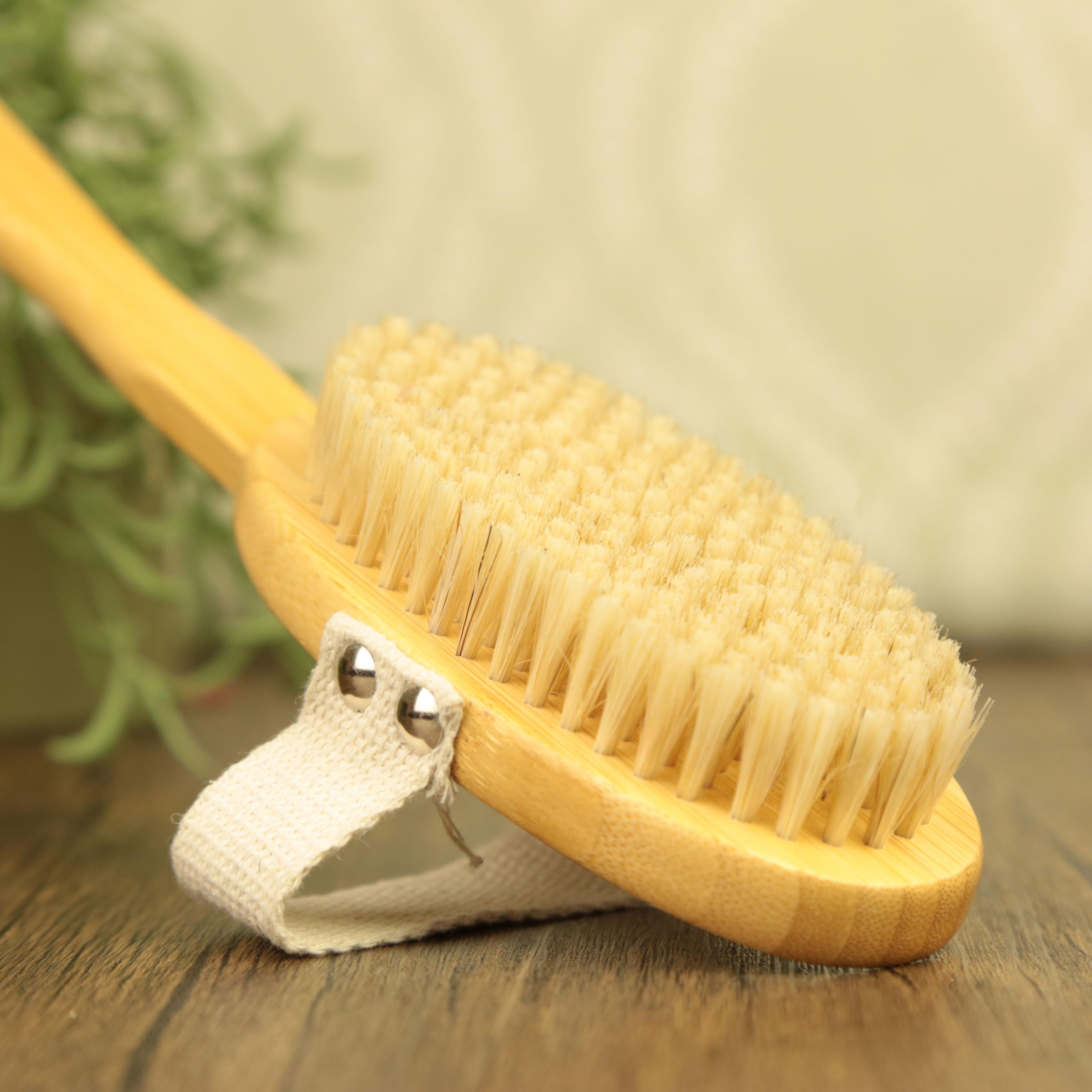
Natural exfoliation for radiant skin (gentle for all skin types)
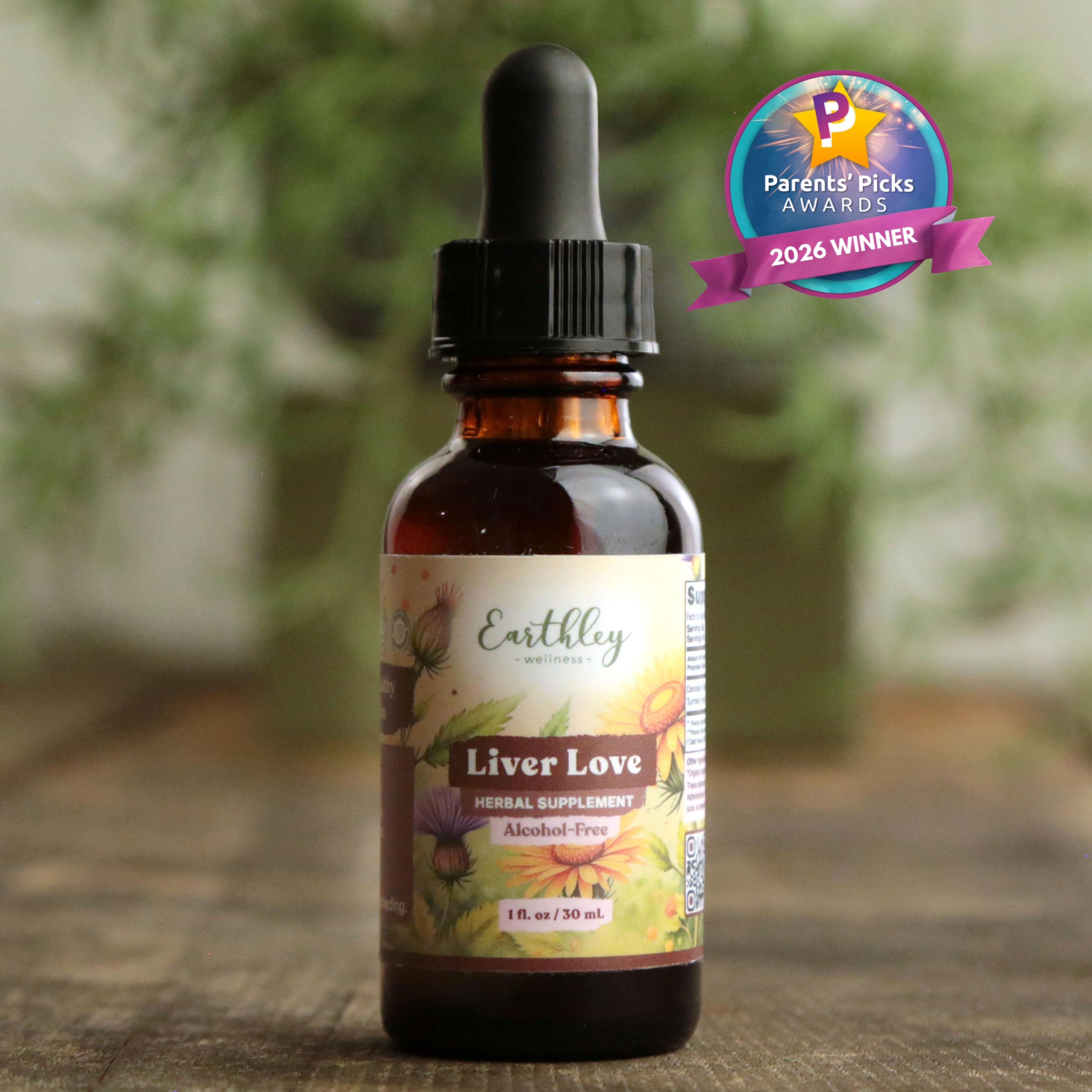
To support healthy liver function
Sources:
1. Probiotics fortify intestinal barrier function: a systematic review and meta-analysis of randomized trials - PubMed
https://pubmed.ncbi.nlm.nih.gov/37168869/
2. Best Toxin Binders for Humans: Myths vs Evidence – Zuma Nutrition
https://www.zumanutrition.com/blogs/health/the-best-binders-for-detoxification
3. Is there a role for charcoal in palliative diarrhea management? - PubMed
https://pubmed.ncbi.nlm.nih.gov/29231746/
4. Everything You Need to Know About an Activated Charcoal Detox
https://www.integrativenutrition.com/blog/activated-charcoal-detox
5. Timing of Non-Food-Based Binders - Dr. Crista
https://drcrista.com/blogs/news/timing-of-non-food-based-binders
6. Binders: Safe Elimination of Mold and other Biotoxins - Healthy Flow
https://healthyflow.com.au/detoxification/binders-for-mold-detox/
Stay Connected
Get updates and exclusive offers straight to your inbox.