Whole Herbs vs. Isolates: What’s Better for Natural Family Wellness?
Whole Herbs vs. Isolates: Why the Difference Matters for Your Family
If you grew up in the ‘90s or early 2000s, you probably remember the orange vitamin C tablets and chalky iron pills. When you got sick, you took more vitamin C. When you were tired, you took more iron. The message was simple: find the nutrient and isolate it.
But somewhere between reading labels at midnight and trying to support your family more naturally, you may h ave started wondering… is that really how the body was designed to be nourished?
Whole Herbs: What They Actually Are
At Earthley, we believe plants were created to function as complete systems. A single herb doesn’t contain just one helpful compound. It contains vitamins, minerals, antioxidants, flavonoids, aromatic oils, and dozens of other naturally occurring plant components that all work together in balance. That balance is what makes whole-herb wellness so powerful.
You’ll see this philosophy in formulas like Nourish Me Naturally and Nourish Her Naturally, which rely on whole-food sources and complete herbs rather than isolated synthetic vitamins. Instead of megadosing one nutrient, they provide broad, foundational support — the way nature intended.
What’s the Difference Between Whole Herbs and Isolates?
An isolate is a single compound pulled out of a plant — like vitamin C removed from its natural source, or curcumin extracted from turmeric. When you separate that one piece, you leave behind the many other plant compounds that were meant to work alongside it.
A whole herb keeps everything together. All the naturally occurring nutrients and supportive compounds remain intact, helping your body absorb and use the plant more effectively.
Turmeric isn’t just curcumin.
Nettle isn’t just iron.
They’re complete packages designed with built-in balance and synergy.
That’s why products like Adaptogenic Immunity and Immune Aid use whole herbs that work together naturally. Instead of targeting one narrow pathway, they support multiple systems gently — which is exactly what most families need for everyday immune support.
Why Whole Herbs Make Sense for Daily Life
A lot of wellness advice feels like a full-time job. But when support comes in balanced, natural amounts, it doesn’t have to be complicated. Whole herbs work with your body instead of becoming another thing you have to micromanage.
Because whole herbs contain their natural co-factors, they tend to be gentler and easier to absorb. Rather than forcing one strong reaction, they support the body’s natural rhythms.
For example, Liver Love uses whole herbs traditionally known to support the body’s natural detox pathways. It’s not about pushing the body harder — it’s about encouraging it to function well on its own.
The Power of Plants as Nature Made Them
Isolates absolutely have their place in certain situations. They’re a tool. But for daily herbal wellness, immune support, mineral nourishment and stress resilience, whole herbs often provide a more balanced and sustainable approach.
Sometimes the best support isn’t stronger.
It’s smarter.
And often, that simply means trusting plants the way they were made.
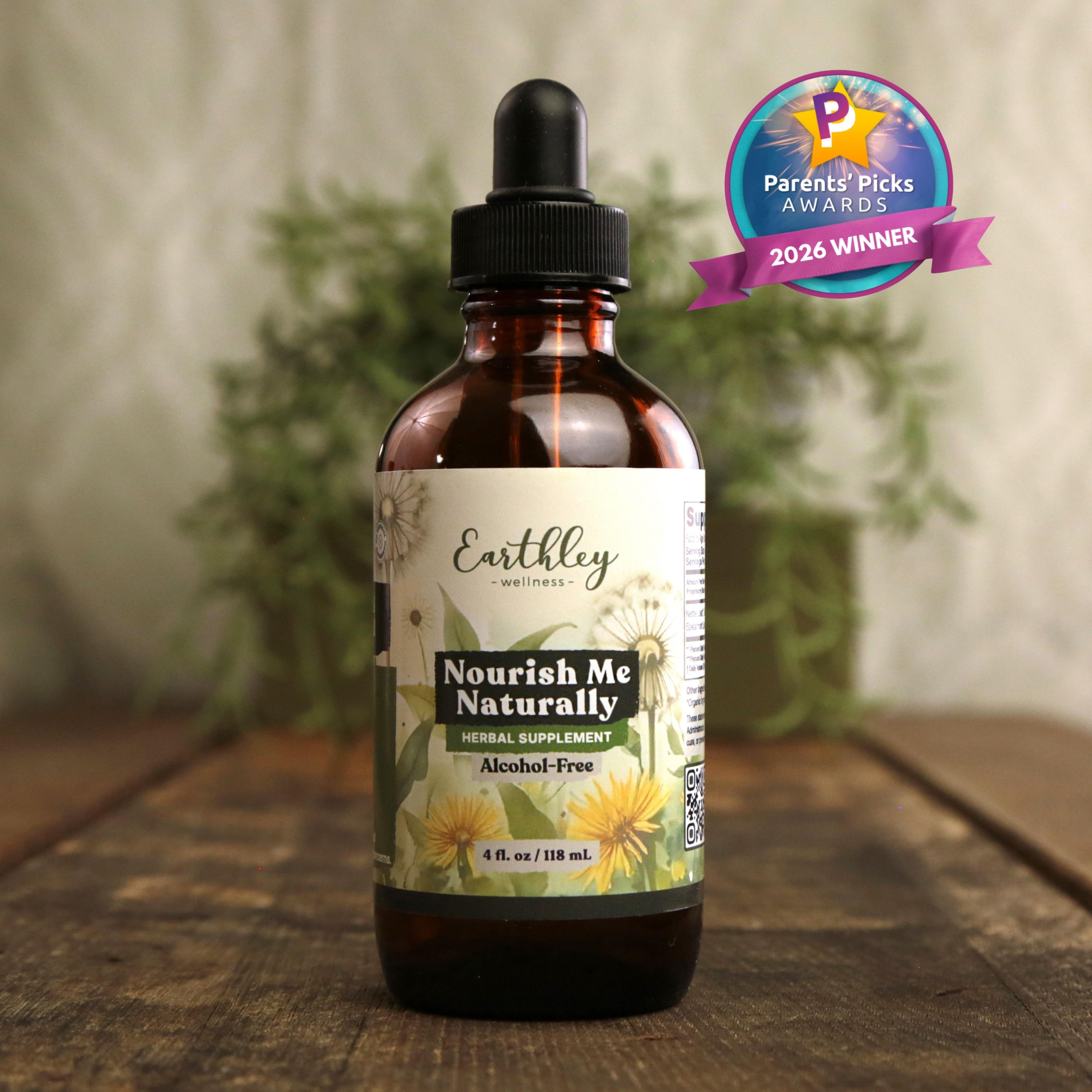
Whole, natural nutrition for all
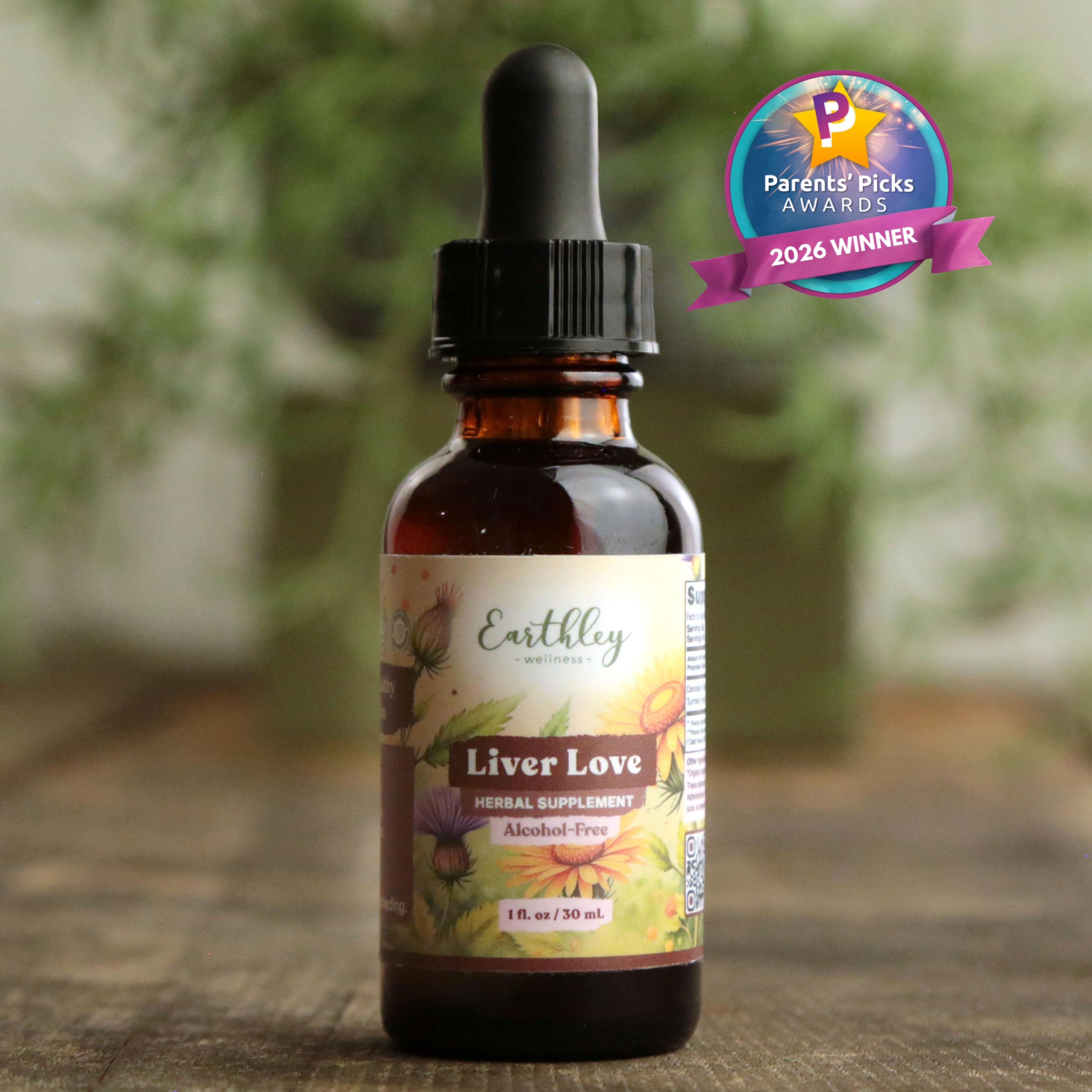
To support healthy liver function
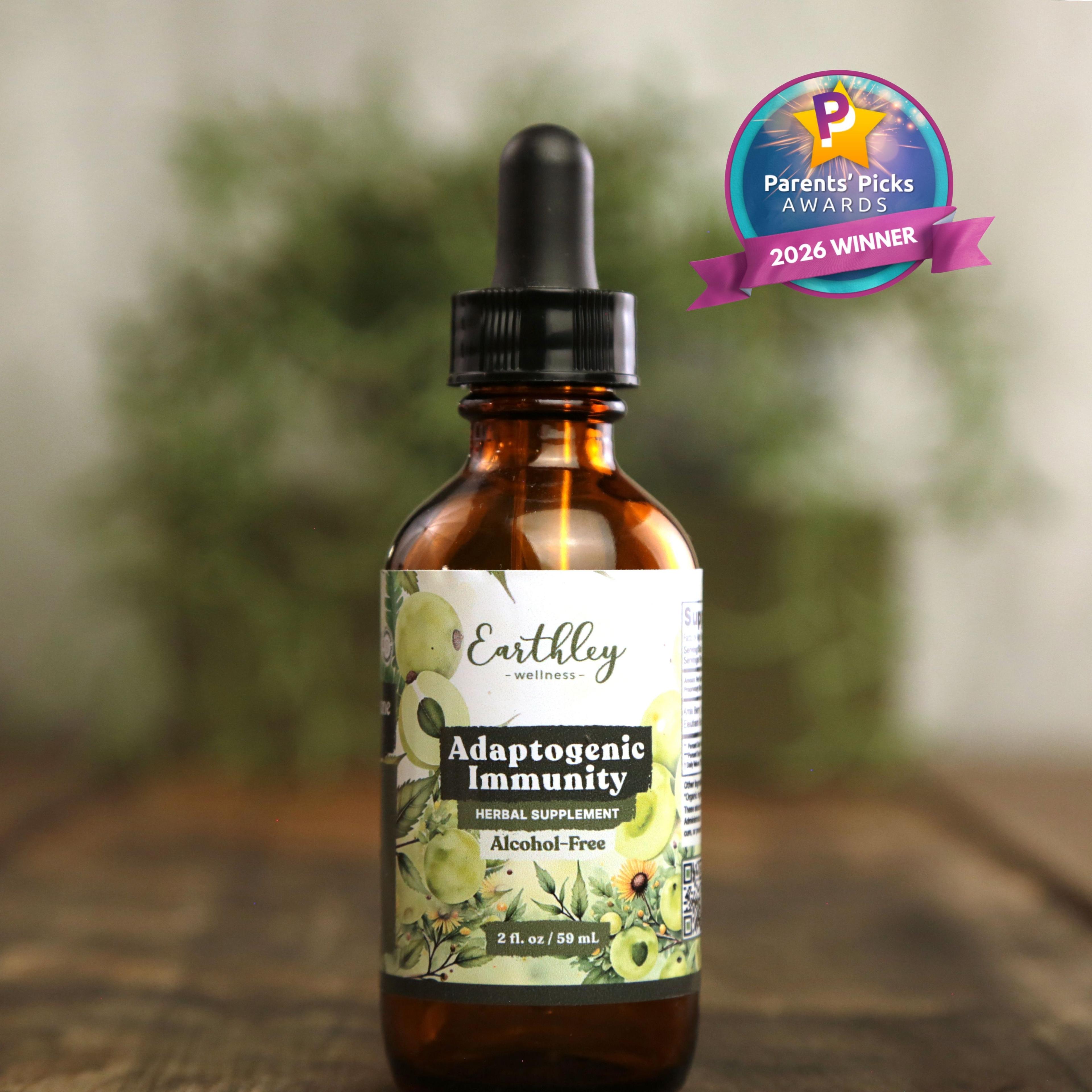
For daily stress and immune support
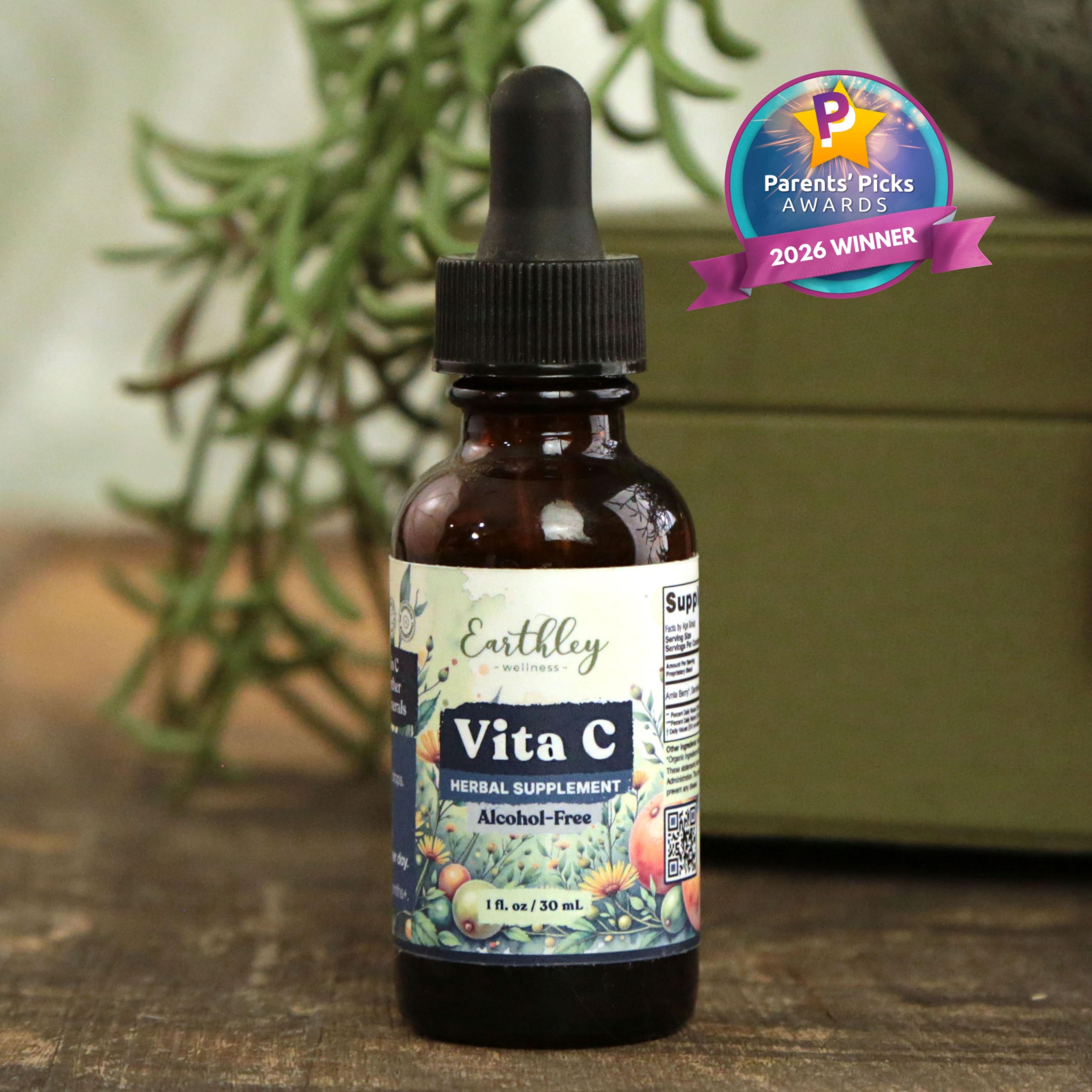
Natural vitamin C complex with other vitamins and minerals

A super food vitamin C source
Stay Connected
Get updates and exclusive offers straight to your inbox.