Seasonal Superfoods: The Best Nutrient-Dense Foods for Each Season
Superfoods don’t have to be fancy foods in shiny packages from faraway lands. The most nutrient-dense foods are the ones growing right now, close to home. The most nourishing foods come from organic, small farms and gardens. Eating seasonally can be simple and fun.
Why “In Season” Matters for Superfoods
Healthy eating can feel complicated - and expensive. But it doesn’t have to be!
Many of the most nutrient-dense foods are locally grown and at their peak when enjoyed in season - and they usually cost less too. Plus, our gut loves the variety of nutrients we get when we try the different foods that are popping up each season.
In This Article, We’ll Cover:
- What Makes a Food a “Superfood”?
- The best nutrient-dense foods for each season.
- Getting more seasonal superfoods into your diet can be fun and simple.
Superfoods? Some days it feels like it would take superpowers to get three square meals in. And that’s why we created our Super Foods Powder - a simple way to get the nutrients our bodies and our families need, even when a typical Tuesday requires us to levitate, read minds, time-travel, and lift a 200,000-ton skyscraper.
What Makes a Food a “Superfood”?
The richly colored fruits and vegetables we’re naturally drawn to are often the ones with the most nutrients. Many of these “superfoods” are the greens, berries, and brightly colored produce we are familiar with. Their nutrients are easy to absorb, and they support our digestion, immune health, and overall wellbeing.
No one food is a miracle cure - eating many different colorful foods is the medicine for gut health and whole-body wellness.
The great thing about sourcing our superfoods locally is that nature shows us what our bodies need by what’s growing right where we live. Let’s look at some of the delicious nutrition for every season.
Spring Superfoods (Fresh + Detox-Supporting)
After a long, cold winter, our bodies are craving freshness. And lucky for us, there are some crisp, nourishing offerings sprouting up this time of year:
- Asparagus is packed with vitamins, minerals, protein, and antioxidants. It is delicious oven roasted with olive oil and lemon. (2)
- Leafy greens like spinach, arugula, and kale are full of vitamins, minerals, and antioxidants. They’re easy to add to smoothies, soups, and scrambles. (3) And for those times when it’s not so easy to get enough fresh greens, we blended some into our Greens Powder for an on-the-go boost.
- Radishes are high in vitamin C and fiber, support happy tummies, and add a fresh crunch to salads. (Their greens are nutritious and edible too, but best if lightly cooked.) (4)
- Strawberries are a sweet late spring treat rich in Vitamin C and antioxidants. (6)
Summer Superfoods (Hydrating + Antioxidant-Rich)
As summer heats up, our bodies are looking for hydration and coolness. Some superfoods of the season:
- Blueberries, raspberries, and blackberries are bursting with juicy flavor and immune-supportive goodness, and they’re easy to blend into smoothies or enjoy with a scoop of yogurt. (7) And when you need an easy option for busy days, a powdered option like our Super Foods blend is a good way to get what you need.
- Zucchini and summer squash are not only rich in vitamins and minerals, but super hydrating and helpful for digestion. They’re a top choice for grilling, and make perfect spiralized noodles, too. (9)
- Tomatoes are high in Vitamin C and heart- and brain-loving lycopene. Fresh salsa, anyone? (8)
- Fresh herbs like basil, parsley, and mint freshen up many a meal and boost our wellbeing in countless ways.
Fall Superfoods (Mineral-Rich + Comforting)
The cooler temperatures of autumn mean our bodies start wanting some cozy nourishment, especially as our schedules start getting busier. Some fall favorites:
- Pumpkin is full of beta-carotene and fiber for whole body health, and it’s not just for pies - it's delicious in soups, smoothies, and plenty of comforting recipes. (12)
- Sweet potatoes bless us with plenty of vitamin A and many minerals for steady energy. It’s easy to roast extra for meals or snacks to keep the whole family going strong. (13)
- Pears are lung-loving, heart-supportive, and digestion-friendly. Roasting them makes a simple, delectable dessert. (17)
Winter Superfoods (Immune + Nourishing)
By the time winter rolls around, our bodies are ready for deep nutrition, warmth, and support against the sniffles and sneezes that sneak up on us. Some winter nourishers:
- Cabbage is a humble, affordable, versatile vegetable that’s surprisingly nutritious and gut-friendly. Fermenting it into sauerkraut boosts its nutrient richness even more and makes it last through the cold seasons! (16)
- Root vegetables like carrots, beets, and turnips are packed with nutrients our bodies need, and are easy to roast for grounding, colorful deliciousness.
- Garlic and ginger have traditionally been used to support the immune system. They add flavor and warmth to teas, soups, stir fries, and more.
Source Matters When Choosing Superfoods
The foods that nourish us best are the ones that are grown with care. To get the most nutrition in your kitchen, look for:
Small farms and gardens: they are much more likely to be growing in mineral-rich soil that transfers to our food and our bodies.
Organically grown/pesticide-free: not all small farms will be certified organic, but many are growing without pesticides. Ask about their growing practices!
Local: the less distance our food has to travel, the less nutrients it loses along the way.
How to Eat Seasonally Without Stress (Simple Tips)
Eating seasonally shouldn’t be stressful. Here are some simple tips to keep it fun, easy, and affordable.
- Pick 2-3 seasonal foods per week.
- Add one new food at a time to what you usually eat.
- Build simple meals around what’s abundant and affordable.
- Freeze fruits and veggies at peak ripeness for those times when you can’t make it to the store.
- Stock the pantry with dried nuts, seeds, grains, legumes, herbs, and spices.
- Don’t aim for perfection - aim for variety.
- Think of it as an adventure instead of a chore.
Conclusion: Seasonal Superfoods Make Healthy Eating Easier
Eating seasonally empowers us to get more nourishment without overthinking. It takes the pressure off when we think of superfoods as what’s naturally growing close to home, instead of whatever is in those shiny packages at the grocery store. Start small, listen to what your body is naturally drawn to, choose colorful variety, support your system with natural multivitamins when you need a boost, and have fun with it!
Key Takeaways
- Superfoods don’t have to be fancy foods in shiny packages from faraway lands.
- The most nutrient-dense foods are the ones growing right now, close to home.
- The most nourishing foods come from organic, small farms and gardens.
- Eating seasonally can be simple and fun.
You made it to the farmers' market, and the kitchen is overflowing with produce. What now? If you could use some ideas for what to make with all those beautiful fruits, vegetables, and herbs, our Wholesome Real Food Favorites Cookbook is chock-full of easy, kid-tested recipes to turn every season’s superfoods into nourishing meals the whole family will love.
FAQs
What are seasonal superfoods?
Seasonal superfoods are nutrient-dense fruits, vegetables, herbs, and pantry staples that are at their natural peak during a specific time of year. They tend to taste better, cost less, and make it easier to add colorful variety to your meals.
Why is eating in season good for you?
Eating in season helps you enjoy produce closer to peak ripeness, when flavor, freshness, and nutrients are often at their best. It also naturally rotates different foods through your diet, which supports digestion, immune health, and overall wellness.
What are the best superfoods for each season?
In spring, try asparagus, leafy greens, radishes, and strawberries. In summer, reach for berries, tomatoes, zucchini, cucumbers, peaches, and fresh herbs. In fall, choose pumpkin, sweet potatoes, apples, cabbage, Brussels sprouts, and pears. In winter, go for citrus, pomegranates, cabbage, root vegetables, garlic, ginger, and fermented foods.
How can I start eating seasonally without changing my whole diet?
Start with one small swap: add 2–3 seasonal foods to your grocery list each week. Use them in meals you already make, like smoothies, soups, salads, roasted veggie trays, oatmeal, or simple side dishes.
Are frozen superfoods still nutritious?
Yes. Frozen berries, spinach, and other produce can be a smart year-round option because they are often frozen near peak ripeness. Keep a few frozen and pantry staples on hand for busy weeks when fresh seasonal produce is harder to find.
Disclaimer - This blog post is provided for educational and informational purposes only and does not constitute providing medical advice or professional services and its statements have not been evaluated by the FDA. The information provided should not be used for diagnosing or treating a health problem or disease. Always seek the advice of a qualified health care provider regarding a specific medical condition.
Recommended for You:
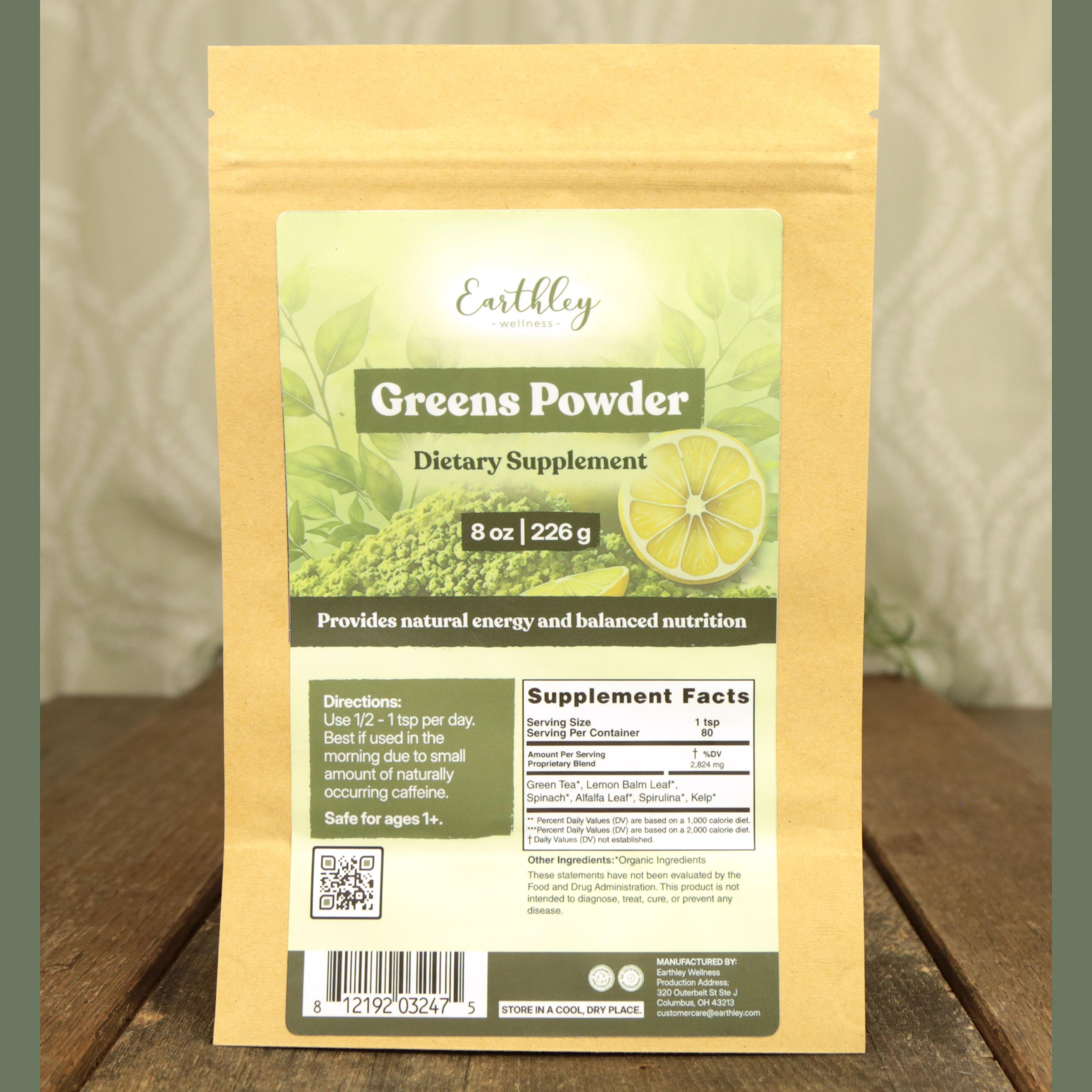
Provides natural energy and balanced nutrition
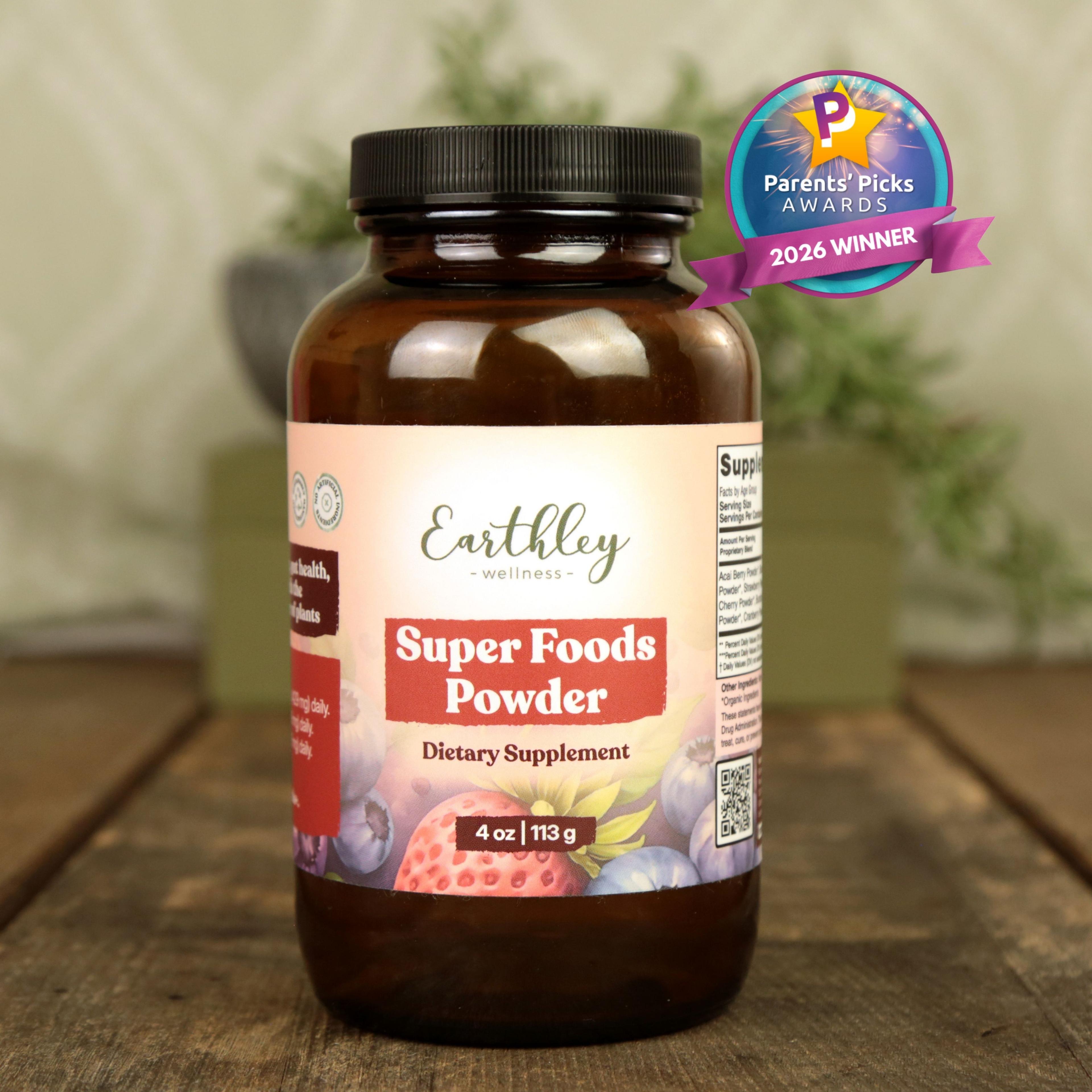
Promotes energy, gut health, and immunity with the nourishing power of plants
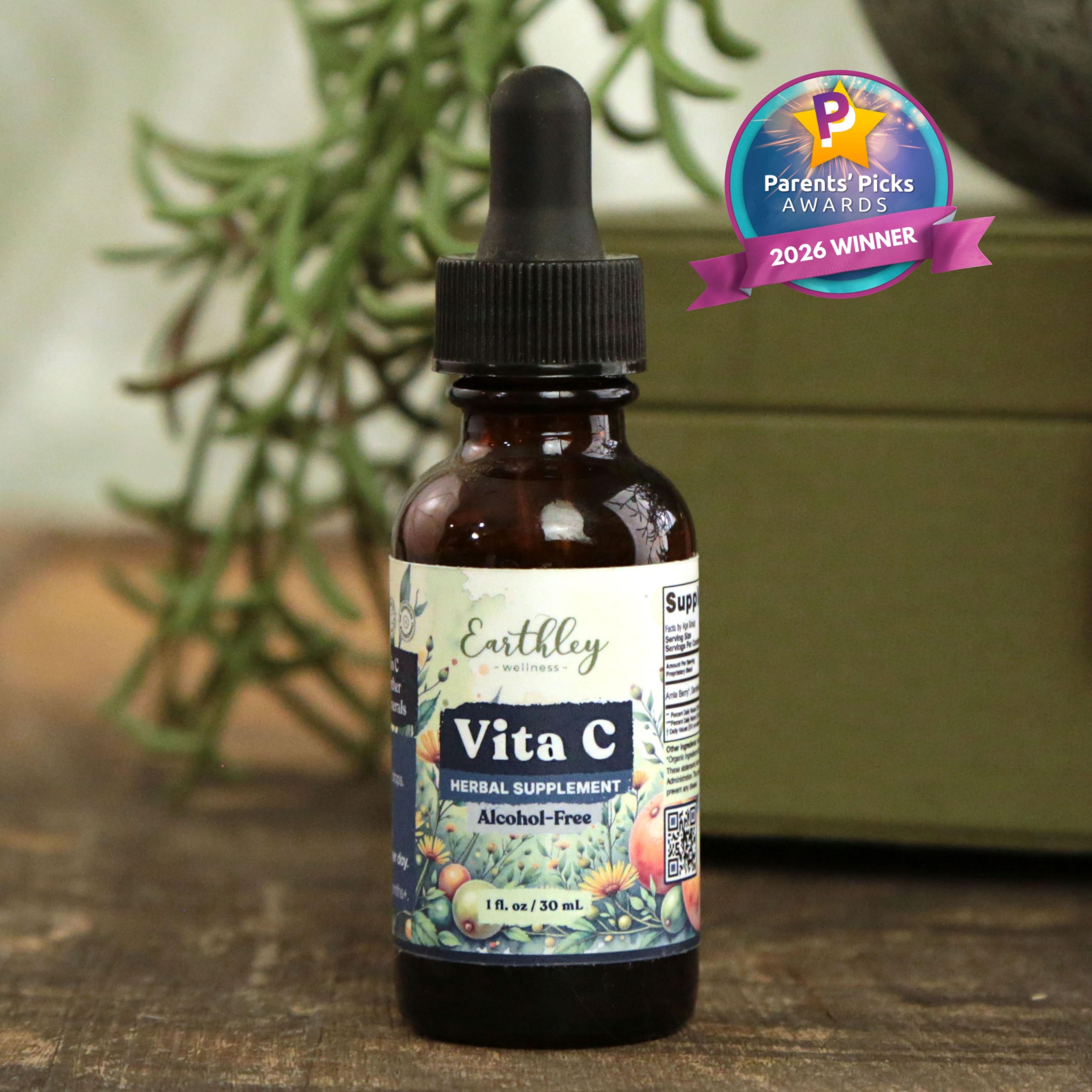
Natural vitamin C complex with other vitamins and minerals

Relieves occasional nausea and promotes normal inflammatory response
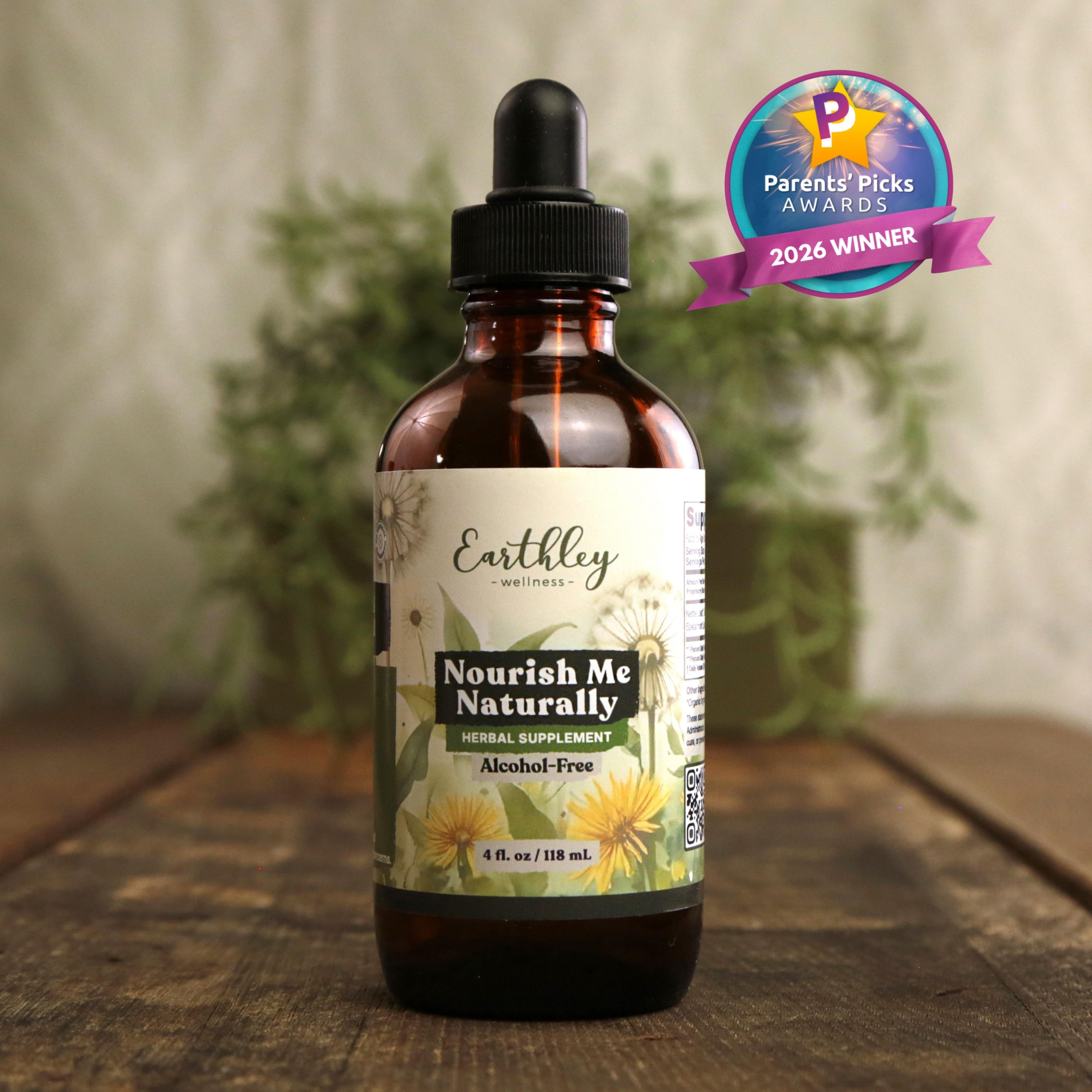
Whole, natural nutrition for all
Sources:
- What is a superfood? https://blogs.bcm.edu/2023/09/28/what-is-a-superfood/
- Nutritional composition of green asparagus (Asparagus officinalis L.), edible part and by-products, and assessment of their effect on the growth of human gut-associated bacteria - ScienceDirect https://www.sciencedirect.com/science/article/pii/S0963996922013424
- Dark Green Leafy Vegetables : USDA ARS https://www.ars.usda.gov/plains-area/gfnd/gfhnrc/docs/news-articles/2013/dark-green-leafy-vegetables
- Are Radishes Good for You? https://www.healthline.com/health/food-nutrition/the-benefits-of-radishes
- Green Onion (Allium fistulosum): An Aromatic Vegetable Crop Esteemed for Food, Nutritional and Therapeutic Significance - PMC https://pmc.ncbi.nlm.nih.gov/articles/PMC10742967/#sec5-foods-12-04503
- Strawberries: A nutrient powerhouse - Mayo Clinic Health System https://www.mayoclinichealthsystem.org/hometown-health/speaking-of-health/strawberries-a-nutrient-powerhouse
- Nutrients in Berries: 9 Varieties Analyzed by Nutrient Quality | Hydration Monitoring - Intake Health Blog https://www.intake.health/post/nutrients-in-berries-9-varieties-analyzed-by-nutrient-quality
Stay Connected
Get updates and exclusive offers straight to your inbox.