Is Intermittent Fasting Good for Women? A Natural Hormone Perspective
Busy mornings often mean skipping breakfast—because life happens. But it’s worth checking in with your body and finding an eating rhythm that supports your day. Intermittent fasting is all the rage right now, and you might wonder if it’s right for you. The truth? There’s no one-size-fits-all. Women’s bodies respond differently than men’s due to hormone cycles, stress, and nutrient needs. Age and other factors matter too. Sound complicated? Let’s break it down simply so you can decide what works best for you.
What Intermittent Fasting Actually Is
The idea behind intermittent fasting is pretty simple. It’s just eating (& not eating) within certain windows of time. Many people start with a 12:12 cycle—commonly stopping eating from 8 at night until 8 in the morning—and then adjust as it suits them. The point is to give our bodies a chance to rest from the work of digestion, which can have benefits like weight management, better sleep, healthy blood sugar levels, and even sharper brain power. But—depending on the person and time of life—fasting can stress the body instead of helping it, so it’s crucial to listen to your own body when deciding whether to try it.
Why Women Respond Differently Than Men
Fasting can affect women’s hormones differently than men’s, sometimes throwing off estrogen levels and messing with things like our cycle, fertility, or even how we feel during pregnancy and breastfeeding. This could be because women’s bodies are wired to protect fertility, and lacking food at certain times is seen as a threat that makes our hormones adjust for survival. Imbalanced hormonal shifts might show up as:
- irritability, anxiety
- trouble sleeping
- worse PMS cycle changes
- stronger cravings
- fatigue or that “wired but tired” feeling
If you are a woman trying out fasting and you notice any of these changes, it might be a good time to take a break and check in with yourself about what’s best for you. How fasting affects us will vary depending on where we are in our cycle and where we are in our lives. During stressful times, pregnancy, and right before menstruation, our bodies need consistent nutrition and no major dietary changes. (1) (2) (3)
When Fasting Can Be Helpful
Fasting can be helpful when life feels balanced and stress is low. Giving your body a break from digestion overnight often means better sleep, steadier blood sugar, fewer cravings, and more energy during the day. Some people even notice easier weight management. The key? Keep it gentle. Extreme fasting can backfire and add stress. A simple way to start is a 12-hour overnight fast—think earlier dinner and consistent meal times. No need for harsh rules—just small shifts that feel good for your body. (1) (2)
When Fasting Tends to Backfire
Stressful seasons—like postpartum, breastfeeding, illness, or just being overwhelmed—aren’t the time to fast. It can also backfire if you’re low in minerals, have thyroid issues, low body fat, or a history of disordered eating. Long fasts paired with hard workouts or lots of caffeine only add stress. Sometimes fasting happens by accident when we skip meals, leading to late-night cravings and imbalanced eating. The bottom line? Be gentle and consistent. If fasting makes you feel worse, that’s not failure—it’s feedback from your body. (1) (2)
A Better Approach for Most Women (Practical Options)
Most women do better with a flexible approach instead of strict fasting. Try simple habits like stopping eating 2–3 hours before bed, having a protein-rich breakfast, and sticking to three balanced meals. Support your body with minerals from greens, broth, and sea salt—or add a greens powder or herbal vitamin if needed. Plan around your cycle, stay hydrated with water and electrolytes, and use digestive support if fasting causes bloating. These small steps help balance energy without the stress of rigid rules.
Simple Self-Check Guide
So, how do you know if and when intermittent fasting is right for you? Here are some questions that can help you decide:
- Do I sleep better or worse when I fast?
- Do I feel calmer or more wired?
- Does my cycle feel stable?
- Do I crash or binge later?
A gentle way to try it is to experiment for a week or two and just see what happens, doing your best to let go of expectations. Remember—our bodies are always changing and what feels good one week may not be as great the next.
Trust Yourself to Know What’s Best for You
The most important thing to remember about intermittent fasting is that it is not a requirement for good health. Some people find it really helpful, and you may be one of those people, but if you find it’s not for you right now, that’s okay. It’s a tool, but it’s not the only tool that can support you.
What matters is that you listen to your body and give yourself what you need for the season you are in. Our bodies will always respond better to small, supportive choices than harsh resets.
Disclaimer - This blog post is provided for educational and informational purposes only and does not constitute providing medical advice or professional services and its statements have not been evaluated by the FDA. The information provided should not be used for diagnosing or treating a health problem or disease. Always seek the advice of a qualified health care provider regarding a specific medical condition.
Sources:
1. Is Intermittent Fasting Healthy for Women?https://health.clevelandclinic.org/intermittent-fasting-for-women
2. Intermittent Fasting in Men and Women | Kinnu https://kinnu.xyz/kinnuverse/lifestyle/intermittent-fasting/intermittent-fasting-in-men-and-women/
3. Effect of Intermittent Fasting on Reproductive Hormone Levels in Females and Males: A Review of Human Trials - PMC https://pmc.ncbi.nlm.nih.gov/articles/PMC9182756/
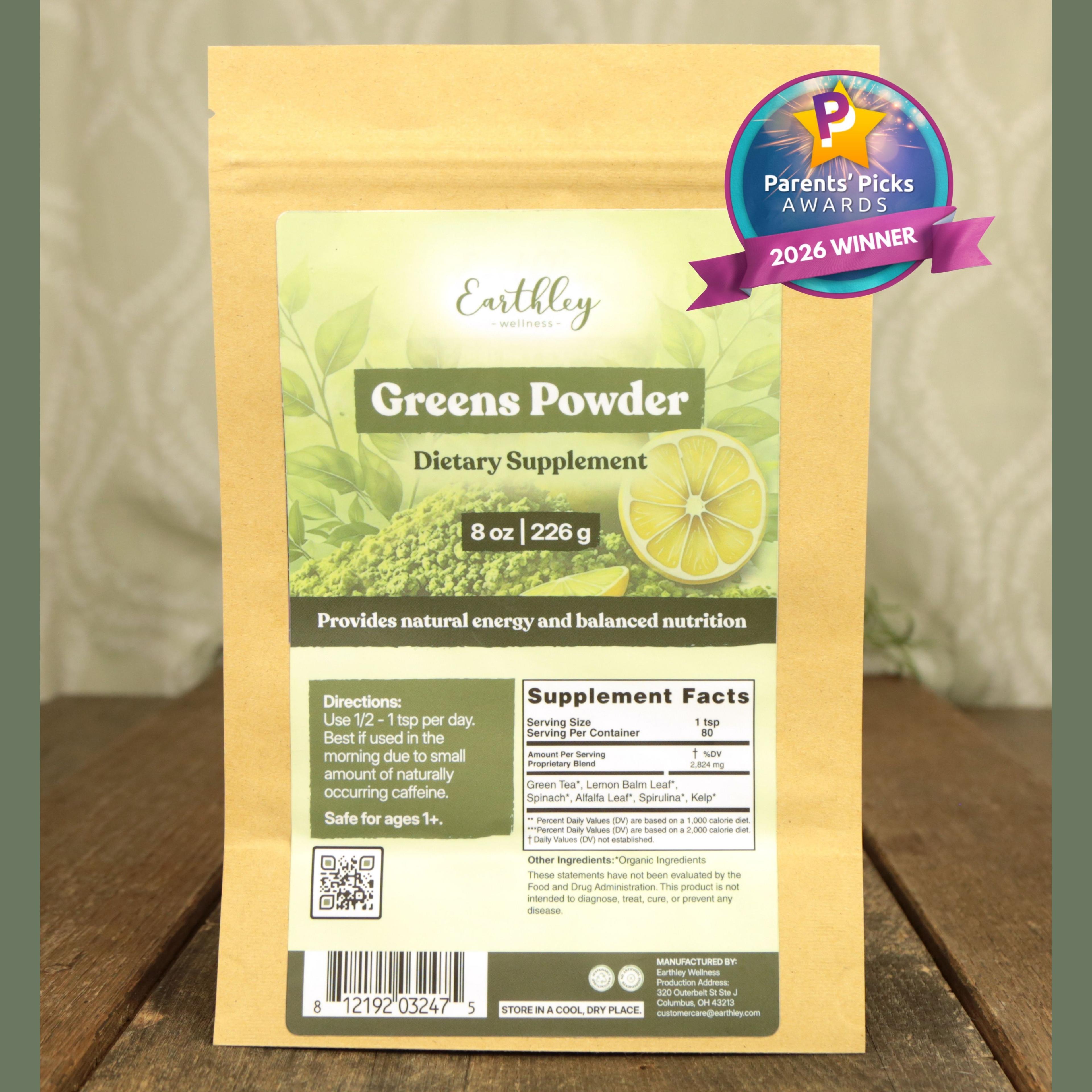
Provides natural energy and balanced nutrition

Bitters to promote healthy digestion
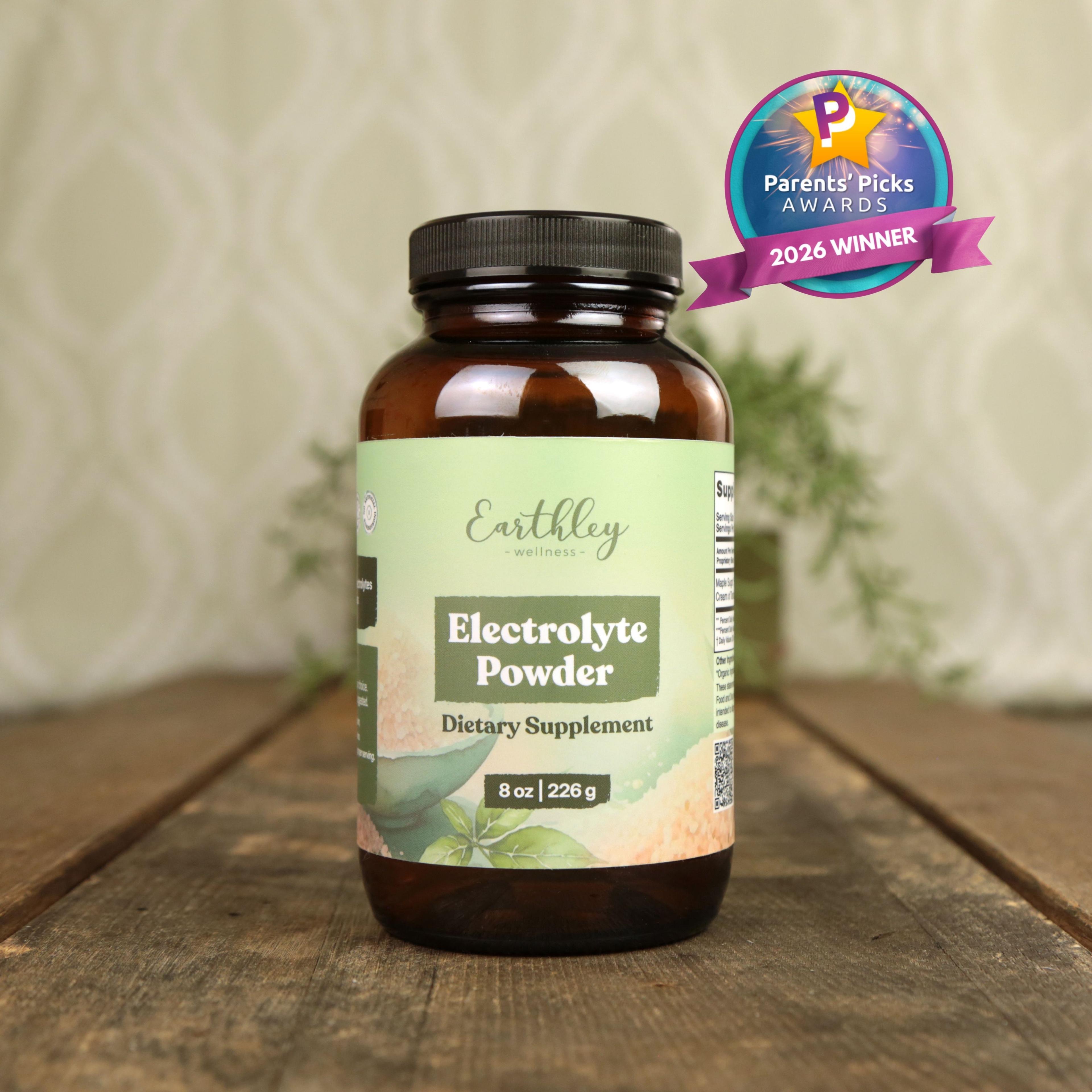
To hydrate with natural electrolytes during endurance or illness
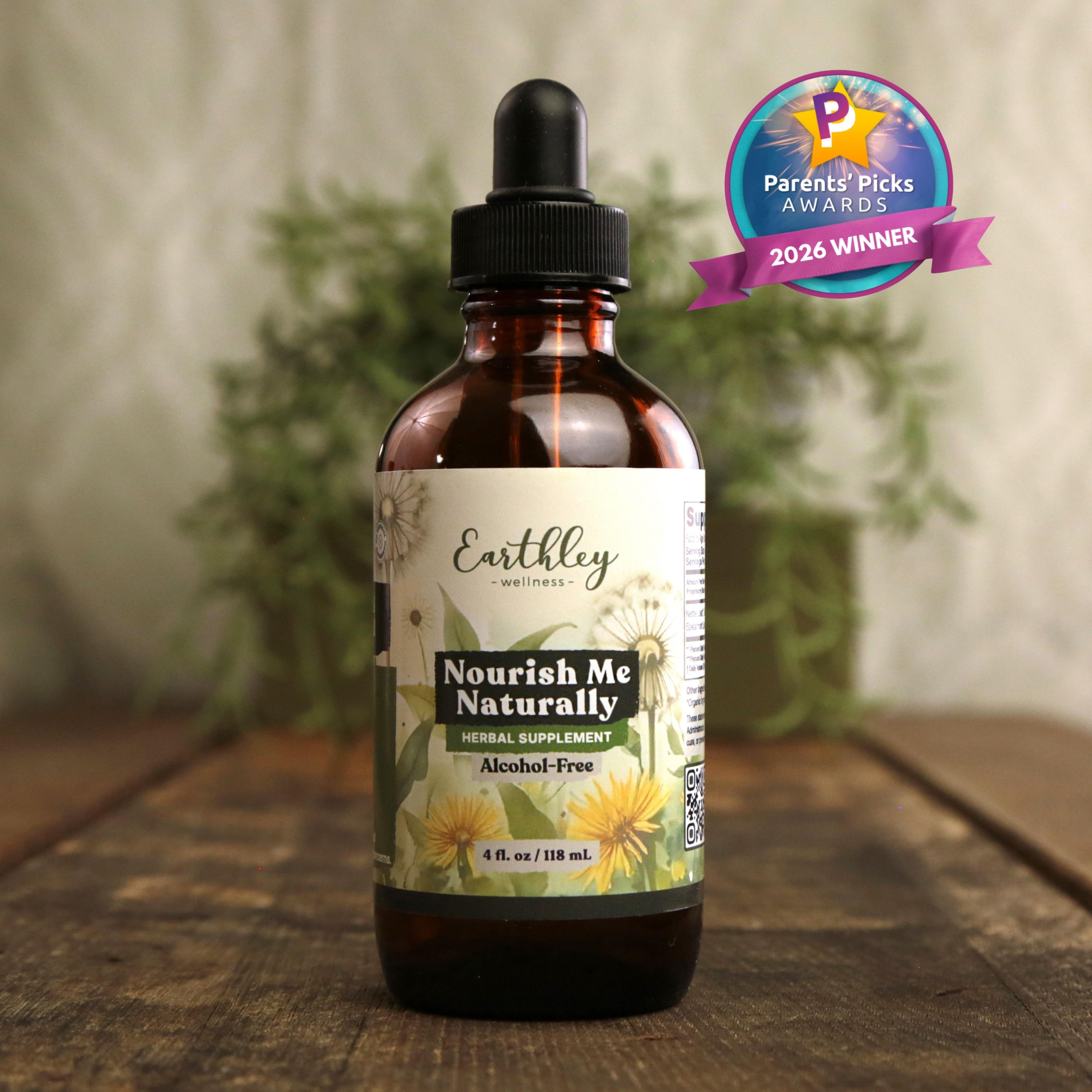
Whole, natural nutrition for all
Stay Connected
Get updates and exclusive offers straight to your inbox.